











In an industry defined by constant iteration, high-definition reboots, and the relentless pursuit of graphical fidelity, it is easy to lose sight of the foundational pillars that built modern gaming. As players, we are often encouraged to look forward, chasing the latest release or the newest technical marvel. However, there is a profound, enduring value in revisiting the classics—titles that do not merely serve as nostalgia trips, but as masterclasses in design, pacing, and atmosphere. While some vintage games show their age through clunky mechanics or archaic design choices, a select few remain as sharp and compelling today as they were upon their original release. These are the games that do not require a modern overhaul; they are complete, cohesive, and perfectly preserved in their original form.
Nintendo has long been the custodian of these legacies, and for many fans, the ultimate desire is simply for these titles to remain accessible. There is no need for a total reconstruction when the original architecture remains so sound. Here are five quintessential Nintendo titles that demonstrate why, sometimes, it is best to leave a masterpiece exactly as it is.

5. Super Mario World
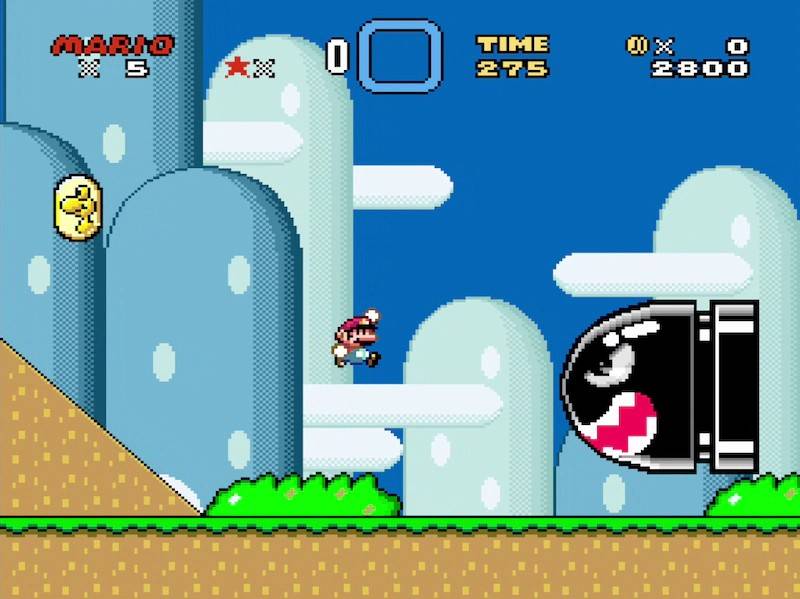
When the Super Nintendo Entertainment System launched in 1990, it arrived with Super Mario World in tow, and the title served as a definitive statement of intent for the 16-bit era. It was more than a pack-in game; it was a revelation that showcased the leap in hardware capability. Sprites possessed new life through fluid scaling, backgrounds utilized parallax scrolling to create a sense of depth, and the color palette felt vibrant and limitless compared to the 8-bit constraints of the past.

Yet, the brilliance of Super Mario World was never solely about its technical prowess. The game design itself remains a gold standard for platforming. Dinosaur Land was an invitation to exploration, rewarding curiosity with a density of secrets that few games have matched since. Players could uncover hidden exits that unlocked entirely new maps, such as the legendary Star Road or the punishing, rewarding Special Zone. The introduction of Yoshi—whose real-world nomenclature remains a fascinating bit of trivia—added a new layer of mobility and strategy to Mario’s repertoire. While a modern artist might be tempted to apply high-definition textures or atmospheric lighting to the game, such an update would be purely cosmetic. The game is already a triumph of design, perfectly functional and endlessly entertaining.

4. The Legend of Zelda: A Link to the Past
As the gaming community often fixates on the potential for modern remakes of 3D entries like Ocarina of Time, there remains an unshakable reverence for the 2D summit of the franchise. For many, The Legend of Zelda: A Link to the Past is the definitive Hyrule experience. It arrived during a pivotal time, establishing the template for dungeon design and narrative pacing that would define the series for decades.
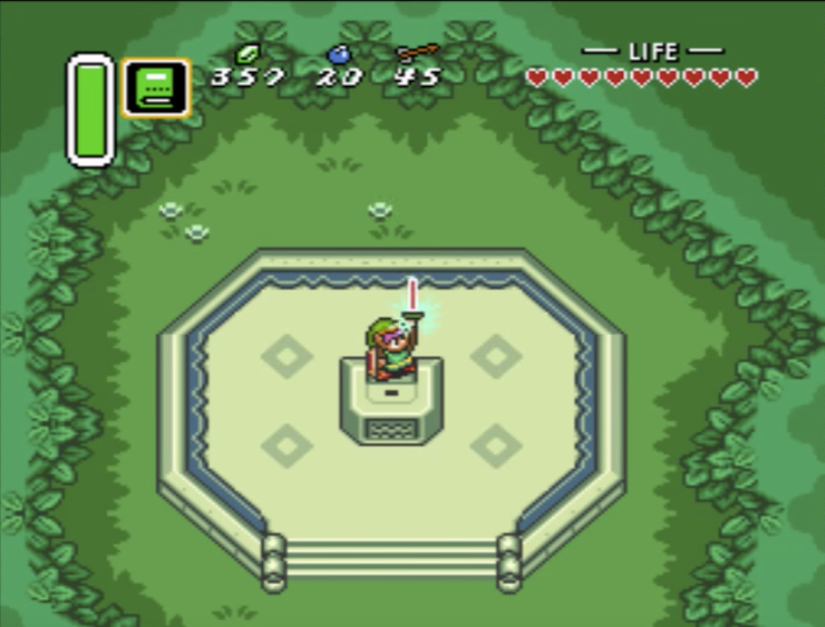
The game’s opening—a rain-soaked, atmospheric journey into the heart of a mystery—remains one of the most iconic sequences in gaming history. It successfully balanced a living, breathing village with the haunting, corrupted decay of the Dark World. The dungeons were not merely rooms to be cleared; they were complex, interconnected puzzles. Players were forced to navigate verticality through clever design, moving between floors, manipulating switches, and thinking strategically rather than brute-forcing their way through obstacles.
Every small detail in A Link to the Past served the narrative. From the way an arrow would vibrate upon embedding itself in a wall to the subtle environmental storytelling found in the placement of items, the developers displayed a meticulous level of care. While a modern update could certainly polish these elements, it is unnecessary. The foundation is so sturdy that returning to this version of Hyrule feels as natural and satisfying as it did in 1991.
3. Super Mario Kart
The kart-racing genre is now a titan of the industry, with Mario Kart 8 Deluxe standing as one of the most successful games on the Nintendo Switch. However, amidst the debates regarding the pinnacle of the series, the original Super Mario Kart often fails to get the recognition it deserves for pioneering the formula.
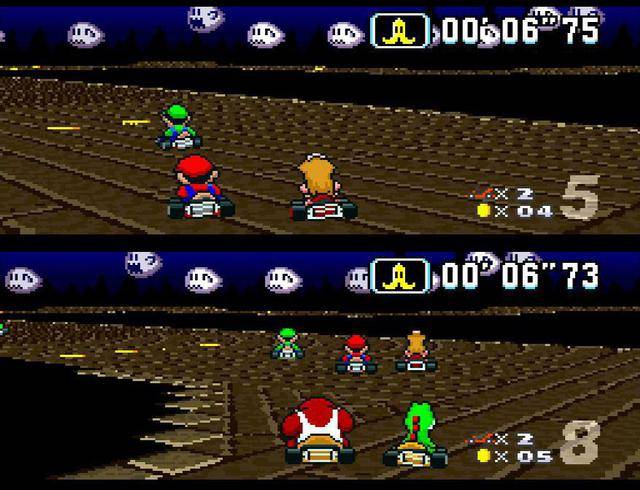
The original title was defined by a level of character distinction that has been diluted in modern iterations. In the 1992 classic, your choice of racer fundamentally altered how the game played. Heavyweights like Bowser and Donkey Kong Jr. were sluggish off the line but formidable once they reached top speed, whereas smaller characters like Toad and Koopa Troopa offered tighter handling at the cost of raw power. The course design was intentionally flat, allowing for a clear view of the track and a focus on precision driving. Because the "rubber-banding" AI was less aggressive and the game lacked the chaos of items like the blue shell, the outcome of a race felt tied directly to the player’s skill. Many of these original tracks have been brought back as DLC for newer games, but experiencing them in their original context reveals a level of pure, concentrated fun that remains untouched by the passage of time.
2. Super Mario Bros. 3
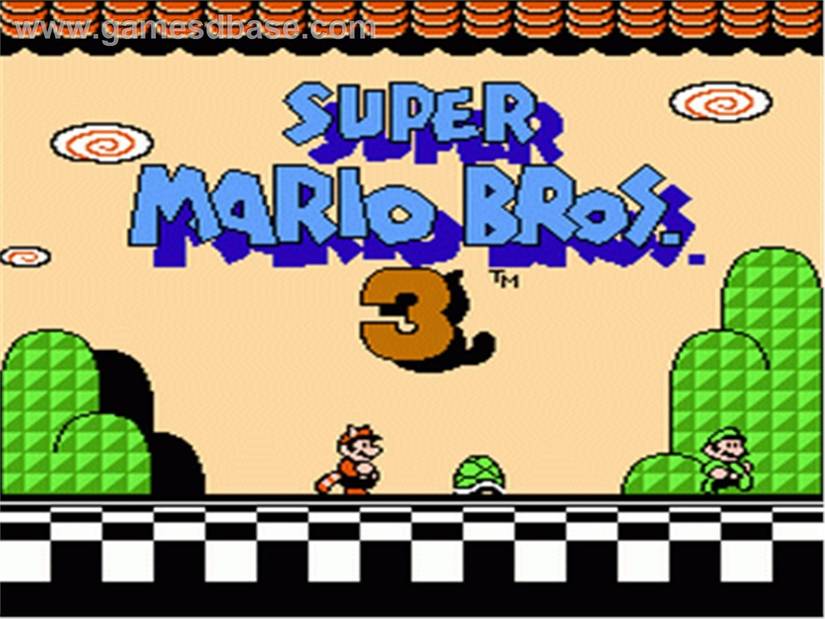
For many, Super Mario Bros. 3 is the zenith of 2D platforming. While Nintendo’s Super Mario All-Stars collection offered a visual update to the title, many veterans found that the changes to the physics—however slight—diminished the experience. The original 8-bit movement had a specific, rhythmic perfection that the remake struggled to replicate.
Super Mario Bros. 3 is a testament to the idea that visuals are secondary to structural integrity. The game famously opened with a stage curtain rising, framing the entire adventure as a grand, theatrical performance. Each of the game’s worlds offered a distinct visual and mechanical identity, from the ice-covered plains of World 6 to the water-logged depths of World 3. The variety was staggering, yet every mechanic felt intuitive. Furthermore, the game introduced a competitive element for multiple players that encouraged strategic play, allowing friends to battle for control of the world map. Even decades later, it stands as a masterwork that requires no further polish.
1. Super Metroid
When Super Metroid arrived in 1994, it didn’t just iterate on the Metroid formula; it perfected the atmosphere of isolation. The planet Zebes was not merely a setting, but a character in its own right. From the moment Samus Aran stepped off her ship and onto the hostile, rainy surface, the game communicated a sense of dread and scale that was unprecedented.
The game’s marketing at the time—which famously featured a snarling Doberman reduced to a whimpering pup by the sheer intensity of the gameplay—perfectly captured the experience. Super Metroid was daunting, challenging, and deeply immersive. The map was a labyrinthine puzzle that demanded constant exploration, with each upgrade feeling like a hard-won victory that fundamentally changed how the player interacted with the environment.
The beauty of Super Metroid lies in its consistency. The controls are precise, the soundtrack is hauntingly evocative, and the level design is so cohesive that players can navigate its corridors from memory. There is no need for a remake or a modern remaster to entice players back to Zebes. The game is already a complete, haunting, and satisfying experience, existing in a state of grace where every pixel serves a purpose. It remains, as it has always been, a home for those who know where they belong.