









By Gigi Onag
September 23, 2026
Malaysian telecommunications operator U Mobile has achieved a significant milestone in expanding digital inclusion, successfully completing a rigorous proof of concept (POC) for a portable 5G network site powered entirely by solar energy. Operating completely independently of the national electricity grid and traditional terrestrial transmission infrastructure such as fiber-optic cables, the innovative solution points toward a new paradigm for rural connectivity and rapid infrastructure deployment.
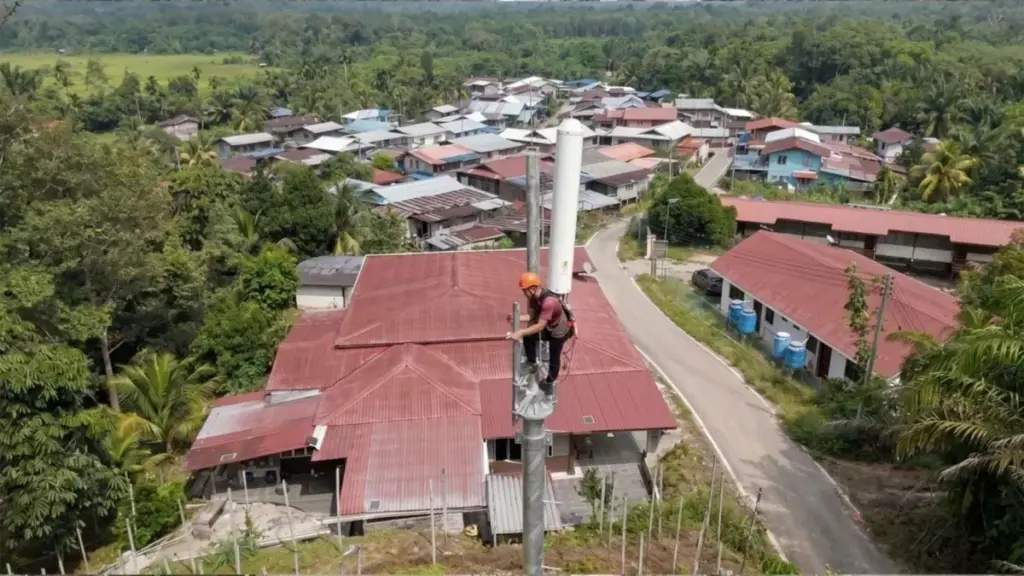
The cutting-edge solution, engineered and provided by global telecommunications giant ZTE Corporation, underwent extensive field testing across two challenging rural locations in East Malaysia. The sites selected for the trial were the SK Mentu primary school in Sebuyau, Sarawak, and the Balai Kebudayaan Iburu community hall in Sipitang, Sabah. During the live tests, the portable infrastructure was connected directly to U Mobile’s core network utilizing satellite backhaul, bypassing the geographical and logistical hurdles that traditionally plague remote telecommunications projects.

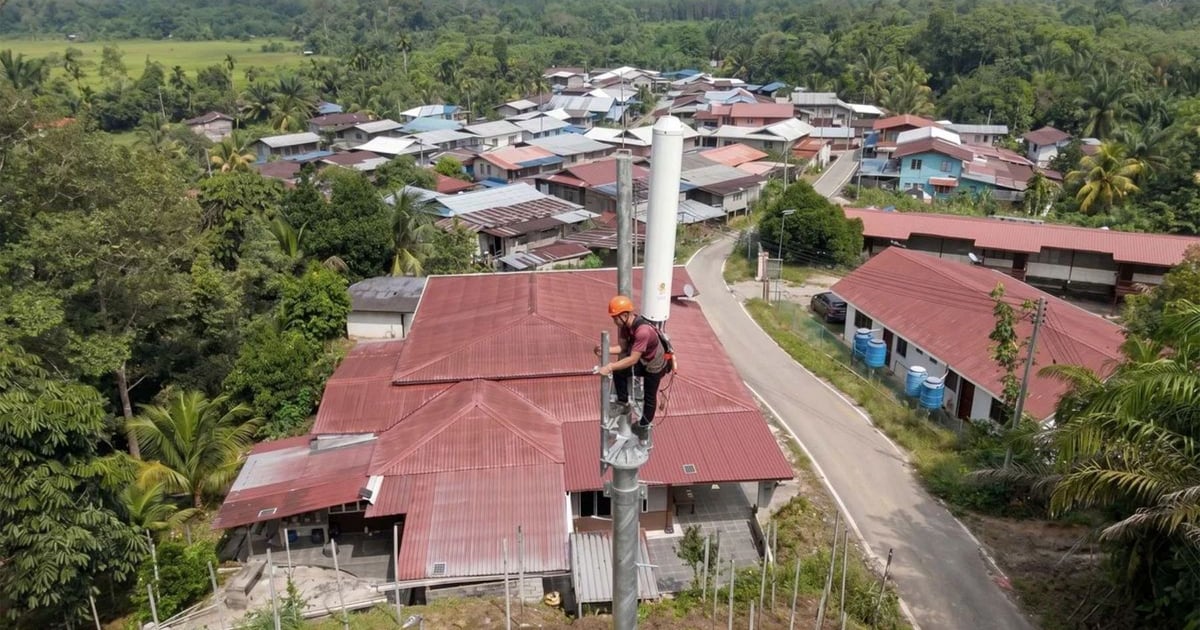
Traditional telecommunications infrastructure projects in remote regions often require heavy civil engineering, complex logistics, and extensive grid planning. However, this new pilot deployment discarded the conventional heavy telecommunications tower in favor of a lightweight 12-meter pole structure installed swiftly at each location. Depending on the specific configuration deployed, these agile sites successfully supported both 4G and 5G services, registering peak download speeds of up to 134 Mbit/s during live testing phases.
Power reliability has historically been one of the primary obstacles for remote network sites, particularly in dense tropical environments or areas prone to grid instability. To overcome this, each pilot site was equipped with a combination of high-efficiency solar panels and an advanced battery backup system. This setup demonstrated the capacity to operate independently for up to 52 hours without direct sunlight, ensuring continuous, reliable service delivery for the communities depending on them.
The economic and logistical implications of the trial are equally striking. The POC demonstrated that a fully functional portable 5G site can be installed and completely activated in just three days. By contrast, deploying a conventional tower in a challenging rural location can take close to a year. That prolonged timeline is typically driven by a complex series of prerequisites, including land acquisition, heavy tower construction, laying transmission infrastructure, and waiting for grid power readiness.
Bridging the Digital Divide
According to U Mobile, the successful deployment of portable, solar-powered sites opens up immediate possibilities for rapidly improving connectivity in remote and underserved communities across Malaysia, where traditional expansion models are often economically or logistically unviable.
Beyond routine network expansion, the telecom operator highlighted the solution’s critical potential applications in emergency and disaster response scenarios. Because the system can operate entirely independently of grid power and terrestrial transmission infrastructure, it offers a vital tool for rapidly restoring communications in regions where existing networks have been disrupted by natural disasters or other emergencies.
"We have the opportunity to explore more agile ways of expanding our network, particularly in areas where conventional deployment can be challenging," said Woon Ooi Yuen, Chief Technology Officer at U Mobile, in a statement regarding the successful trials. "Together with technology partners such as ZTE, we will continue to explore practical innovations that can accelerate the expansion of our ULTRA5G network, help close the digital divide and extend the benefits of connectivity to more Malaysians."
Tey Khang Lian, Chief Marketing Officer at ZTE Malaysia, echoed those sentiments, emphasizing the collaborative effort required to address persistent infrastructure gaps in remote territories.
"Through our collaboration with U Mobile, we are combining solar power, battery storage and satellite backhaul in a portable rural network solution that addresses key infrastructure challenges in remote areas," Tey noted. "This rural pilot proof of concept reflects our shared commitment to making 4G and 5G connectivity more accessible and supporting Malaysia’s digital inclusion aspirations."