











As October approaches, the rumor mill surrounding Apple’s hardware roadmap has reached a fever pitch. According to the latest reports from Bloomberg, Apple is preparing for a significant expansion of its smart home ecosystem, with a major launch event anticipated for October 13. While anticipation is high for the debut of a new device category—the long-rumored "HomePad"—the company appears to be hitting the brakes on a refresh of its premium, full-sized speaker, leaving enthusiasts of the high-fidelity HomePod waiting for further updates.
For those tracking Apple’s trajectory in the smart home space, the October 13 date is being viewed as a pivotal moment. The tech giant has been signaling a renewed focus on its domestic product lineup, aiming to integrate its latest software advancements, most notably Apple Intelligence and the next generation of Siri, into the fabric of the modern household. However, the strategy appears to be a tiered rollout, prioritizing new form factors and hardware solutions while leaving the classic HomePod architecture in a state of suspended animation for the time being.
The Landscape of the October Launch
The core of the upcoming October 13 event revolves around the debut of the "HomePad," a device that has been the subject of intense speculation for several months. Industry analysts and observers see this move as Apple’s official entry into a more competitive segment of the smart home hub market, designed to bridge the gap between traditional media consumption and centralized home automation. By launching this device, Apple is looking to consolidate its presence in the living room, moving beyond the standalone speaker model toward a more integrated, intelligent experience.

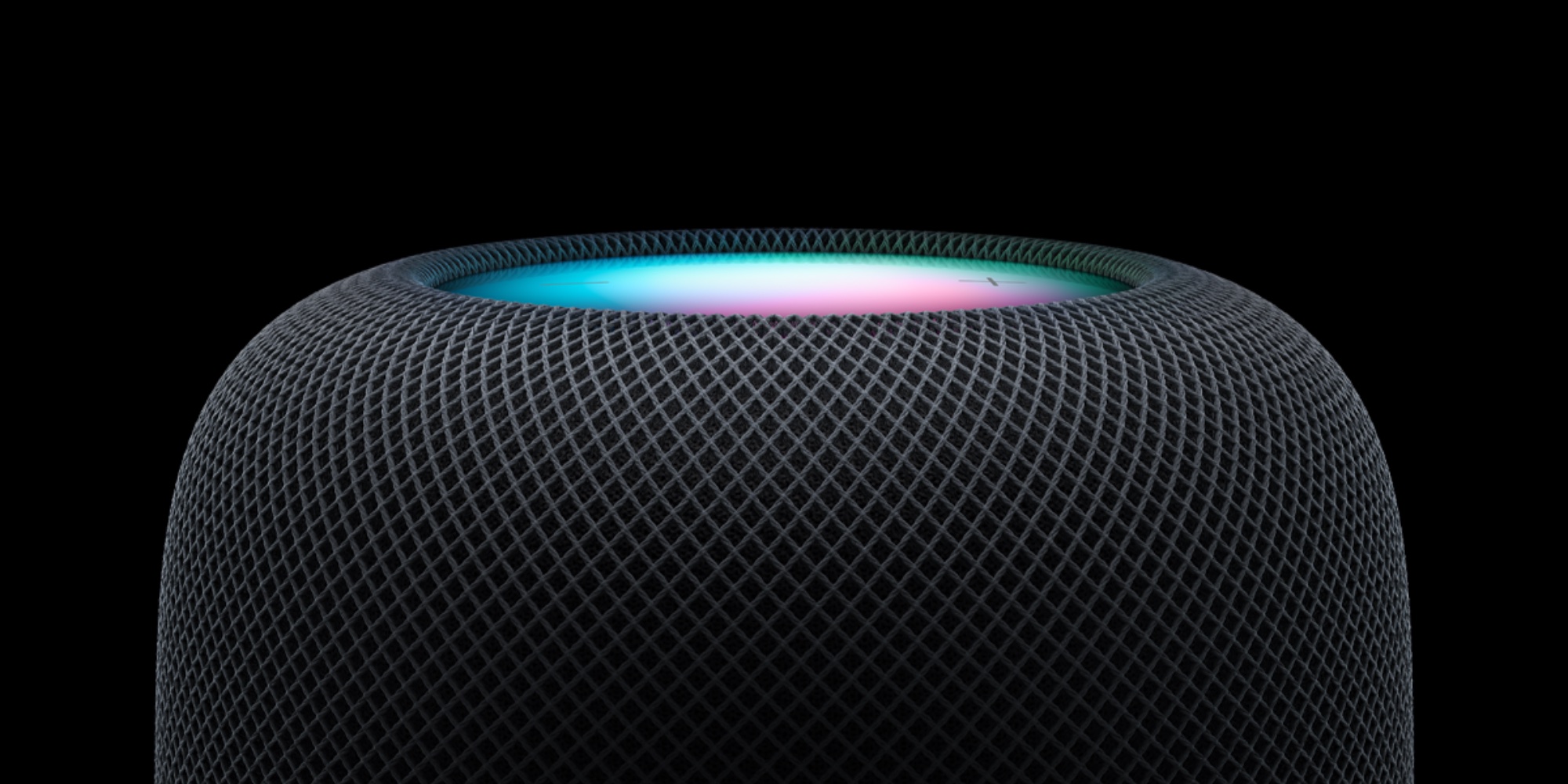
Despite the excitement surrounding this new hardware, the most recent reports from Bloomberg’s Mark Gurman offer a nuanced reality check. While the HomePad is expected to lead the charge, the anticipated refresh of the full-sized HomePod—the flagship speaker that serves as the cornerstone of Apple’s premium audio offering—will not be part of this particular wave of announcements.

This delay creates a noticeable gap in Apple’s product cadence. The current iteration of the full-sized HomePod, which was released in 2023, continues to be a high-quality audio device, but it lacks the cutting-edge hardware optimizations necessary to fully leverage the power of the new Siri and Apple Intelligence features in the way that upcoming devices are expected to.
The "Eventually" Strategy for HomePod
The question of why Apple is holding back on the flagship speaker is one that occupies the minds of many in the industry. Earlier this year, reports suggested that Apple had as many as four new home-related products in the pipeline, including updates for the HomePod mini and the Apple TV 4K. When queried about the timeline for these devices, sources indicated that it was simply a "matter of time."
The primary hurdle, it seems, has been a matter of internal prioritization regarding software integration. Apple’s development teams have been heavily focused on ensuring that the new Siri and Apple Intelligence features function seamlessly within the hardware constraints of these devices. Given the computational requirements of modern AI, integrating these capabilities into a stationary speaker requires a delicate balance of processor power, thermal management, and user interface responsiveness.
According to Bloomberg, the company intends to update its larger HomePod speaker, but this remains a project for the future rather than the immediate horizon. By explicitly using the word "eventually," the report underscores that while the hardware design and feature set are likely being refined, they are not yet ready for the consumer market. This suggests that Apple is being cautious, preferring to wait until the hardware can offer a "pro" experience that matches the capabilities of the newer, more compact devices being released next month.
The Challenge of Legacy Hardware
This situation creates an interesting dichotomy for Apple’s current product lineup. As of mid-October, the full-sized HomePod will stand as the solitary remnant of the "old" Siri era within Apple’s home product ecosystem. While the HomePod mini is expected to receive support for the latest intelligence features, the larger, more expensive, and more powerful speaker will, by default, lack these advanced capabilities.
For the average consumer, this raises a fair question regarding value proposition. When a premium product—the most expensive speaker in the catalog—lacks the latest "intelligent" features found in cheaper, newer devices, it risks appearing stagnant. However, Apple’s history suggests that the company is comfortable with this staggered approach, often prioritizing the software stability of its flagship products over rapid hardware iteration cycles.
The decision to delay the update could also be interpreted as a strategic move to clear the decks for the HomePad’s launch. By focusing the marketing and supply chain resources on a new, distinct category, Apple avoids cannibalizing its own news cycle. If a new, AI-ready full-sized HomePod were to launch alongside the HomePad, the distinct identities of these products might become blurred in the eyes of the consumer. By spacing them out, Apple ensures that each product launch receives its own dedicated moment in the spotlight.
Looking Beyond October
The broader context for this delay is Apple’s ongoing evolution into a services-driven, AI-first company. The integration of Apple Intelligence is not merely a software update; it is a fundamental shift in how the company envisions its devices interacting with users. In the context of a smart home, this means moving away from simple command-and-control interactions toward a more conversational, context-aware experience.

The HomePod, in its current form, is a high-fidelity sound machine that handles smart home tasks as a secondary function. To transform it into a true "AI assistant for the home," Apple likely needs to ensure that the microphone arrays, processing chips, and neural engines are perfectly calibrated to handle the nuanced, multi-turn conversations that define the new Siri experience. If the current 2023 hardware cannot support this without compromising performance, then a hardware revision is indeed a necessity, not just a luxury.
Fans of the large HomePod will have to exercise patience. With the October 13 launch event looming, the focus will undoubtedly remain on the new HomePad and the ways in which it expands the Apple home ecosystem. The silence regarding the larger speaker is not an indication of abandonment, but rather a reflection of the high bar Apple sets for its flagship hardware.
As the calendar turns toward the end of the year, the conversation will likely shift back to the future of the premium speaker line. Until then, the existing HomePod remains a specialized tool—excellent for audio enthusiasts and those already deeply invested in the HomeKit environment, even if it remains a step behind the cutting edge of Apple’s AI ambitions.
Whether this "eventual" update arrives in the spring or later in the following year remains to be seen. What is clear is that Apple is in the midst of a significant transition for its home business, one that places high-level intelligence at the center of the user experience. For now, the spotlight is reserved for the new arrivals, while the legacy hardware continues to serve its purpose in the background, waiting for its turn to be brought into the next generation of Apple’s ecosystem.