










In the crowded landscape of consumer electronics, gear manufacturers are perpetually eager to sell enthusiasts an array of accessories promised to elevate the home listening experience. From the persistent myth of gold-plated cables—which, despite their aesthetic appeal, do nothing to improve the transmission of clean digital data—to various signal conditioners, the market is rife with items that offer marginal utility at a premium price. Amidst this sea of dubious upgrades, the audio amplifier remains one of the few pieces of hardware that warrants serious consideration for those building a dedicated home theater or a high-fidelity music sanctuary. It is a technology that has defined the boutique audio industry for decades, yet its role is frequently misunderstood by newcomers and veterans alike.
The primary point of confusion for many consumers is the assumption that an amplifier is a universal necessity for any sound system. This is rarely the case. In reality, most modern home audio setups already integrate amplification in ways that often go unnoticed. Before investing in a standalone unit, it is essential to understand the fundamental mechanics of how audio signals are processed, how amplifiers interact with different types of speaker hardware, and whether a dedicated component is truly required to reach your desired level of sonic clarity. For those entering the world of high-end audio, the realization that they likely already possess several amplifiers, hidden in plain sight throughout their homes, is often the first step toward a more informed approach to system building.
How Amplifiers Improve Your Sound System
To understand the necessity of an amplifier, one must first look at the nature of an audio signal. At the point of origin—whether it be a vinyl record or a digital stream—the electrical signal is incredibly weak. If you were to take a turntable and disconnect its internal or external amplification, you would be met with "needle talk," the faint, mechanical scratching of the stylus tracing the grooves of the record. This sound is essentially the raw, unamplified output of the source, and it is far too quiet and thin to be considered music in any meaningful sense. An amplifier serves the critical role of taking this microscopic electrical signal and boosting its voltage and current to a level capable of physically driving the diaphragms within a speaker.

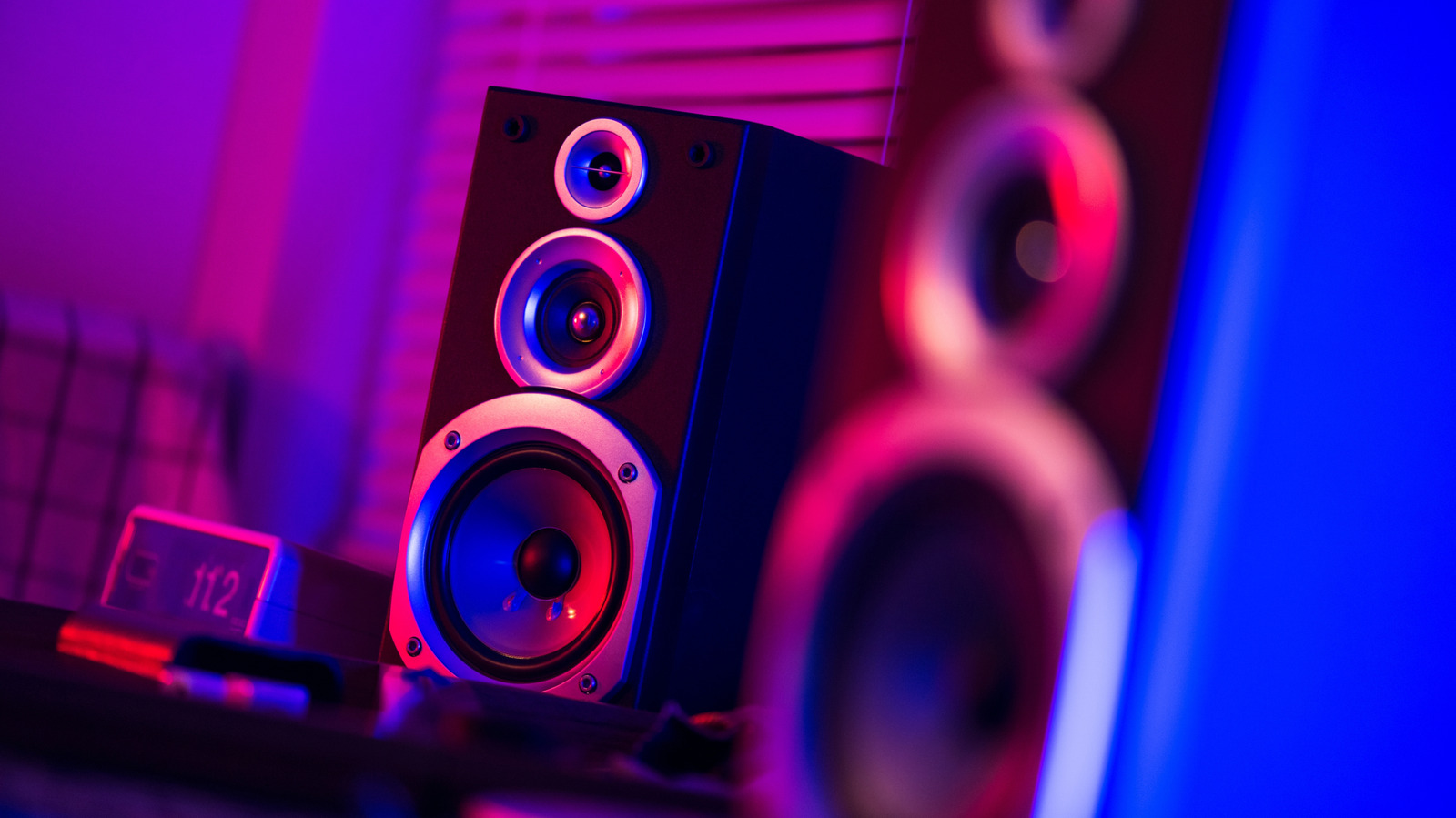
The process of matching an amplifier to a set of speakers is a balancing act of physics, primarily involving wattage and impedance. Watts measure the power output of the amplifier, while ohms measure the resistance provided by the speakers. An amplifier must be capable of providing sufficient current to handle the speaker’s impedance load without overheating or introducing distortion. Beyond mere volume, a quality amplifier provides the user with control over gain—the degree of signal boost—and often includes equalization (EQ) capabilities. These tools allow listeners to shape the frequency response of their system, perhaps boosting the low-end "thump" of a bass line or clarifying the mid-range frequencies where vocals reside. When these settings are mismanaged, the result can be clipping, where the peaks of the sound wave are chopped off, leading to harsh distortion that can, in extreme cases, damage the delicate drivers within a speaker.
It is also vital to distinguish between a preamplifier and a power amplifier. The preamp functions as the traffic controller, selecting the input source and raising the signal to "line level," which is the standard voltage used to pass audio between components. However, this signal is still not powerful enough to move the cones of a passive speaker. A power amplifier is required to provide the actual muscle. While many modern devices combine these two functions into a single chassis—commonly seen in integrated amplifiers or AV receivers—the distinction remains important for those looking to expand or upgrade their systems.
The decision to purchase a standalone amplifier usually depends on the type of speakers you own. If your speakers are "active," they contain their own built-in amplification and require only a signal cable and a power source. These are the standard for most consumer setups, including smart speakers and many computer monitor setups. If you own "passive" speakers, you require an external power source. However, even then, a dedicated power amp is not always necessary. Most home theater receivers are designed to handle both the pre-amplification and the power amplification for multiple channels. You only typically find yourself in need of an additional, dedicated amplifier when your system becomes exceptionally power-hungry, such as in a complex Dolby Atmos configuration where the number of channels exceeds the output capacity of your receiver.
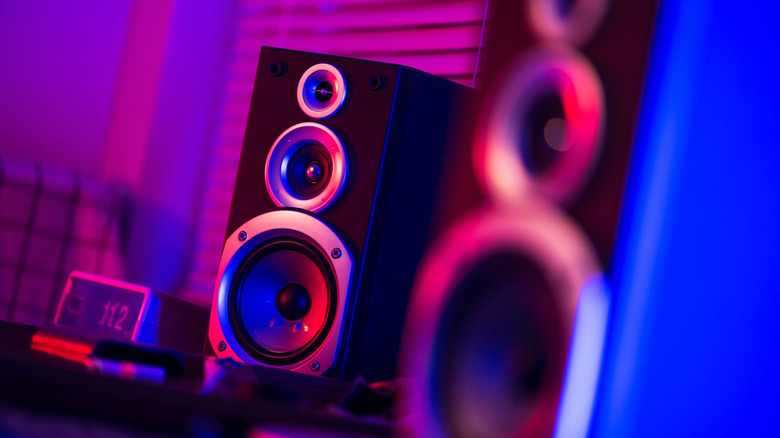
When navigating the market, most consumers are best served by sticking to solid-state amplifiers. While the "tube amp" remains a cultural icon—often associated with the aesthetic of mid-century retrofuturism—its practical applications in a modern home theater are limited. Tube amplifiers are prized by some audiophiles for their "warm" harmonic distortion and aesthetic charm, but they are often inefficient, limited in power output, and require regular maintenance as the tubes degrade over time. Attempting to build a multi-channel surround sound system using tube technology would be an expensive and technically demanding endeavor that offers little performance benefit over modern, high-efficiency solid-state alternatives.
Identifying More Cost-Effective Sound Upgrades
If the goal is to improve the quality of your audio, the most impactful upgrades are rarely found in the amplifier department unless you have already maxed out the capabilities of your speakers. The most common bottleneck in any audio system is the transducer—the speaker itself. If you are currently relying on a basic soundbar or a budget pair of bookshelf speakers, investing in a high-fidelity, high-powered speaker system will yield a more profound improvement in sound quality than any amplifier upgrade ever could.
Once you have established a solid foundation of quality speakers, the next step in the hierarchy of audio improvements often involves the room itself. Many listeners struggle with "muddy" bass or harsh, echoey high frequencies, issues that are frequently caused by the acoustic environment rather than the electronic components. Adding acoustic panels to reduce reverb, placing speakers on decoupling stands to prevent vibration from transferring into furniture, and experimenting with speaker placement relative to walls can dramatically clarify the soundstage. Many modern smart receivers and audio systems also feature automatic room calibration software, which uses a microphone to measure how your room’s dimensions and furniture affect the sound, adjusting the signal to compensate for these environmental variables. This is a powerful, often overlooked tool that should be utilized whenever the furniture in your room is rearranged.
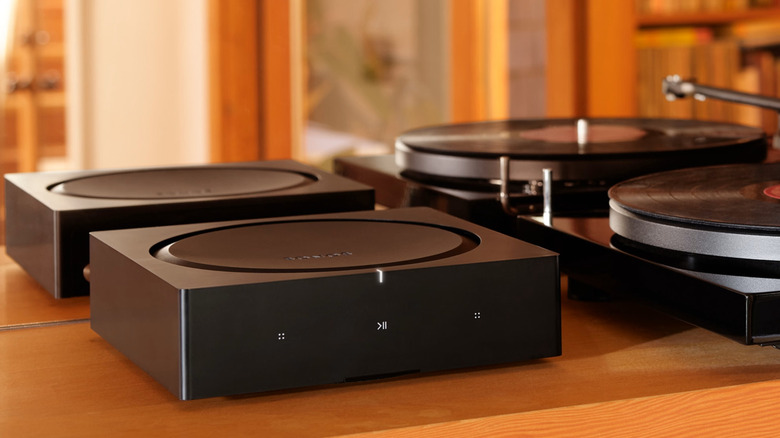
Ultimately, while the allure of high-end, heavy-duty amplifiers is strong, the reality for the vast majority of listeners is that their current equipment is more than capable. If you are not running a massive, 7.2.4-channel home theater system or a dedicated listening room designed for critical, high-fidelity playback, the money spent on an external amplifier is likely better allocated toward better speakers or acoustic room treatments. The amplifier is a vital piece of the puzzle, but it is one that, in the modern age, is often solved before you even bring the gear home. By focusing on the speakers and the listening environment, you can achieve a superior audio experience without the need for unnecessary, redundant hardware.