









In a significant move to streamline cloud governance and operational excellence, Amazon Web Services (AWS) has announced the public preview of the AWS Well-Architected Agent. This new AI-powered service is designed to transform how organizations monitor and refine their cloud environments. By moving away from static checklists and labor-intensive manual audits, the agent provides continuous, context-aware insights that help users align their infrastructure with best practices across cost, security, performance, and resilience.
For years, the AWS Well-Architected Framework has served as the gold standard for cloud architects seeking to build secure, high-performing, and cost-efficient systems. However, as cloud environments have grown in complexity and scale, the process of manually auditing workloads has become increasingly time-consuming. The new Well-Architected Agent addresses this friction by acting as an automated, expert-level consultant that continuously evaluates infrastructure against more than 65 AWS services.
Bridging the Gap Between Insight and Action
The core value proposition of the AWS Well-Architected Agent lies in its ability to synthesize vast amounts of data into actionable intelligence. Rather than simply flagging potential issues, the agent correlates utilization metrics, resource configurations, and complex application topologies. By analyzing these data points against the established pillars of the Well-Architected Framework, the service can generate specific recommendations tailored to an organization’s unique business goals.
Perhaps the most notable departure from traditional monitoring tools is the agent’s focus on "ready-to-implement" fixes. When a potential improvement is identified, the agent does not merely highlight the problem; it provides the necessary context, explains the underlying rationale, and offers concrete remediation paths. This includes providing updated Infrastructure as Code (IaC) templates, CLI commands, or direct console instructions. By surfacing cross-pillar trade-offs—such as the impact a security configuration might have on performance or cost—the agent allows architects to make informed decisions that align with their specific business priorities.

Implementing the Agent in Modern Workflows
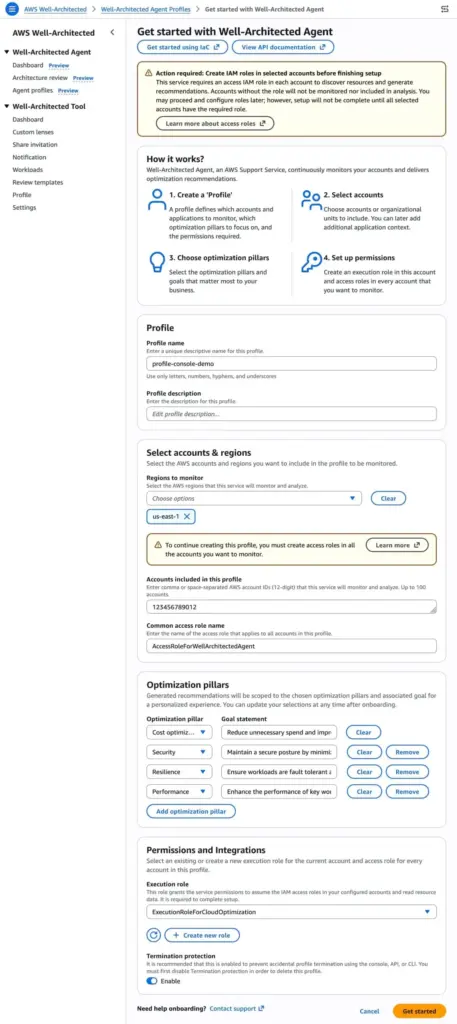
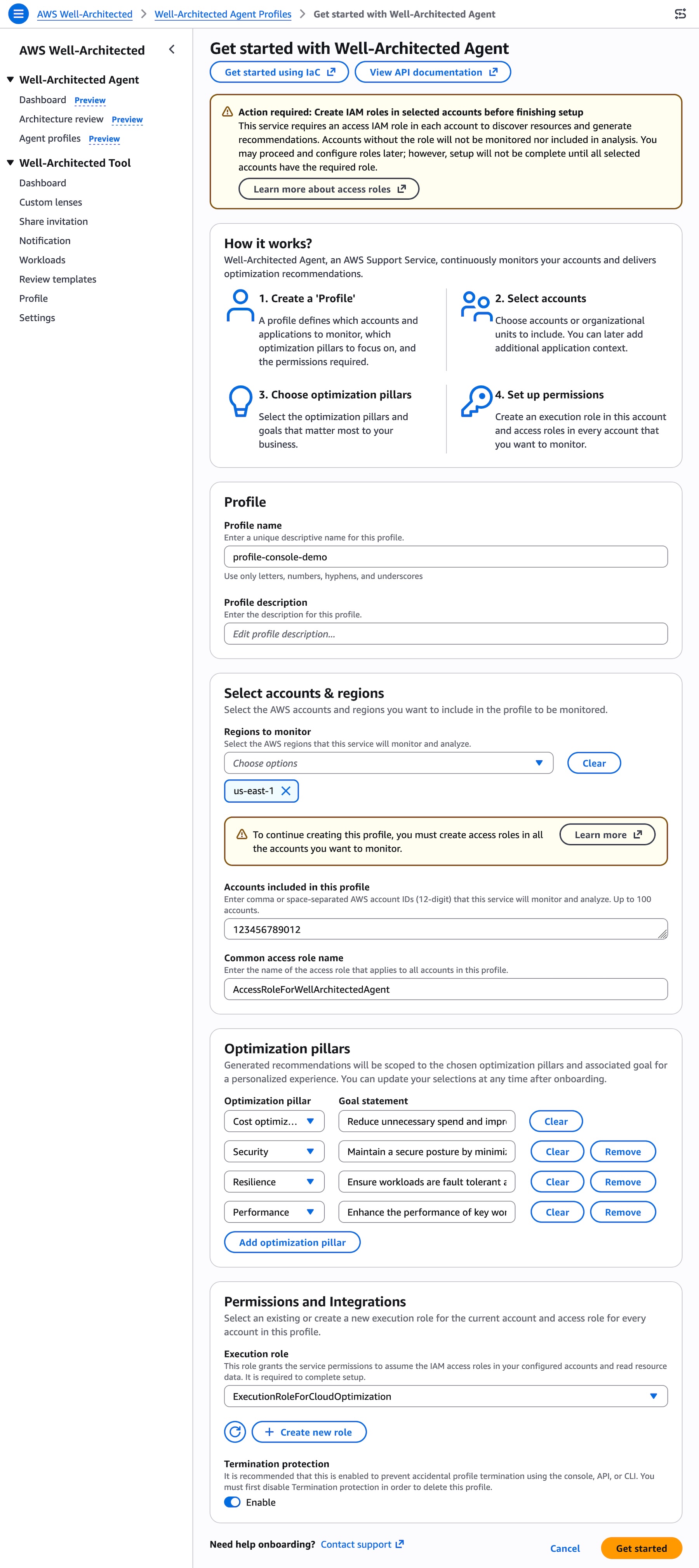
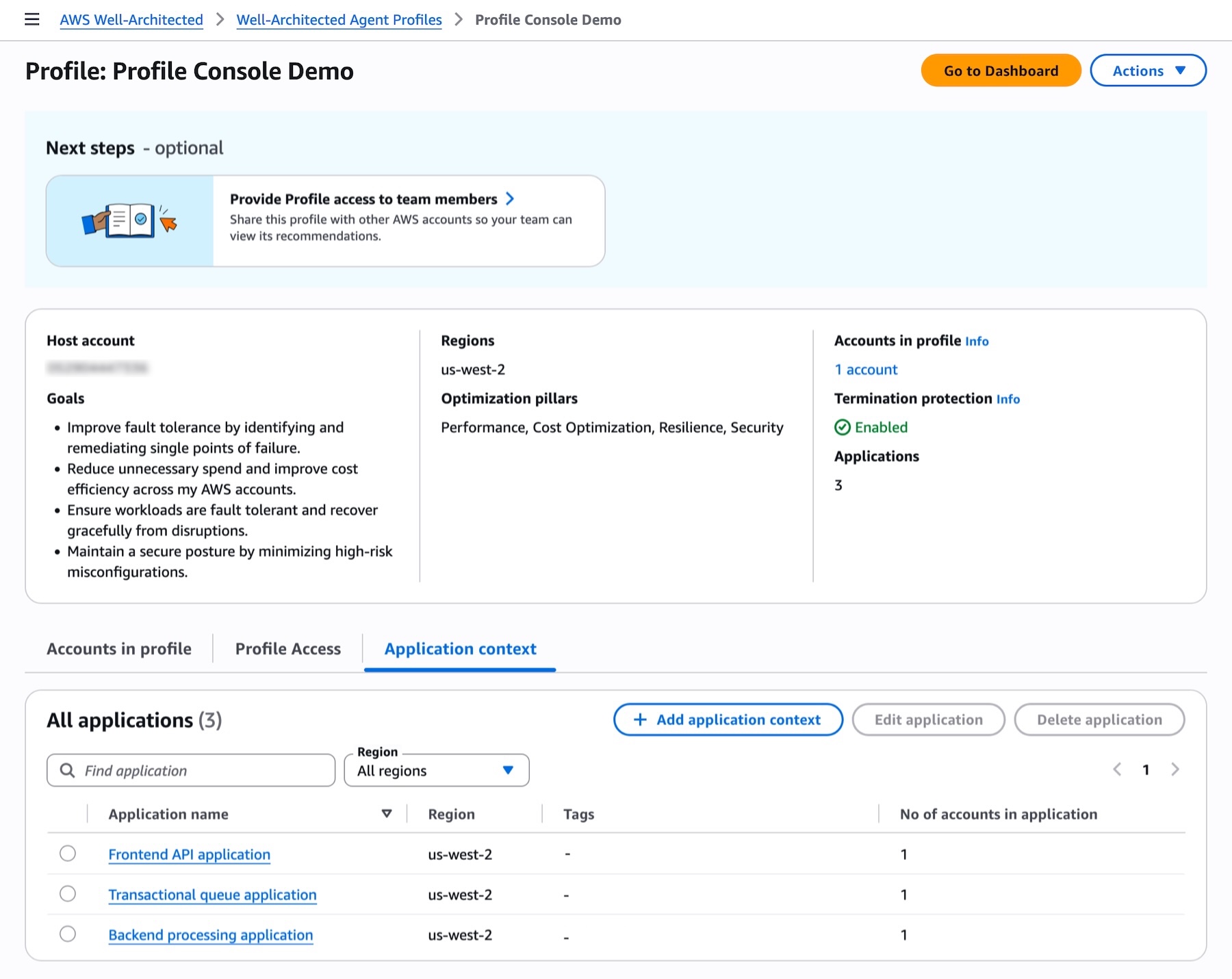
Getting started with the service involves a streamlined configuration process within the AWS Well-Architected console. Users begin by creating an agent profile, which defines the scope of the evaluation. During this setup, administrators can specify which AWS accounts and applications are to be monitored and select the optimization pillars that are most critical to their organization. This flexibility ensures that the agent’s output remains focused on what matters most, whether that is aggressive cost-cutting, enhancing security posture, or maximizing system resilience.
Once the profile is established, users must provision customer-managed IAM roles that grant the agent the necessary permissions to read resource configurations and utilization metrics. Security remains a foundational consideration, and these roles ensure that the agent operates within the established parameters of the organization’s existing security policies. Following the completion of this setup, the agent begins its analysis, typically generating its first set of resource and application recommendations within 24 hours.
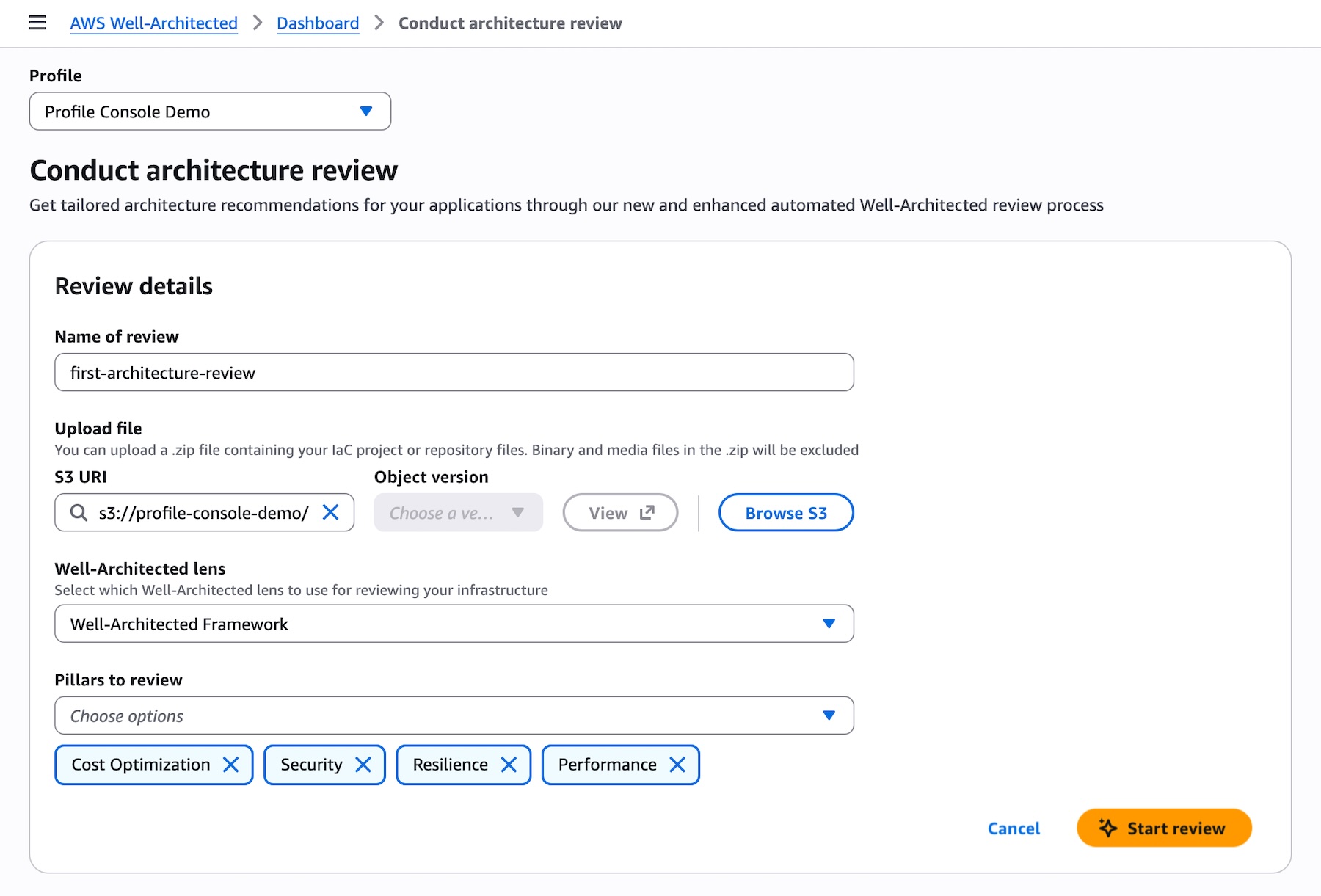
Beyond real-time monitoring, the service also facilitates proactive architecture reviews. Engineering teams can upload existing IaC projects—including those built with Terraform, AWS CloudFormation, or the AWS Cloud Development Kit (CDK)—to be analyzed before they are deployed to production. This "shift-left" approach allows teams to identify potential architectural shortcomings during the development phase, significantly reducing the likelihood of issues surfacing after the code has been pushed to a live environment. By choosing a specific Well-Architected lens for these reviews, developers can ensure their infrastructure meets company-wide standards from the outset.
Contextualizing Recommendations for Better Outcomes
To further refine the quality of its suggestions, the agent allows users to define "application context." By providing details about specific applications—such as their purpose, the AWS services they rely on, and relevant resource tags—users can significantly enhance the relevance of the recommendations they receive. This contextualization prevents generic advice and ensures that the agent understands the nuances of the workload it is analyzing.
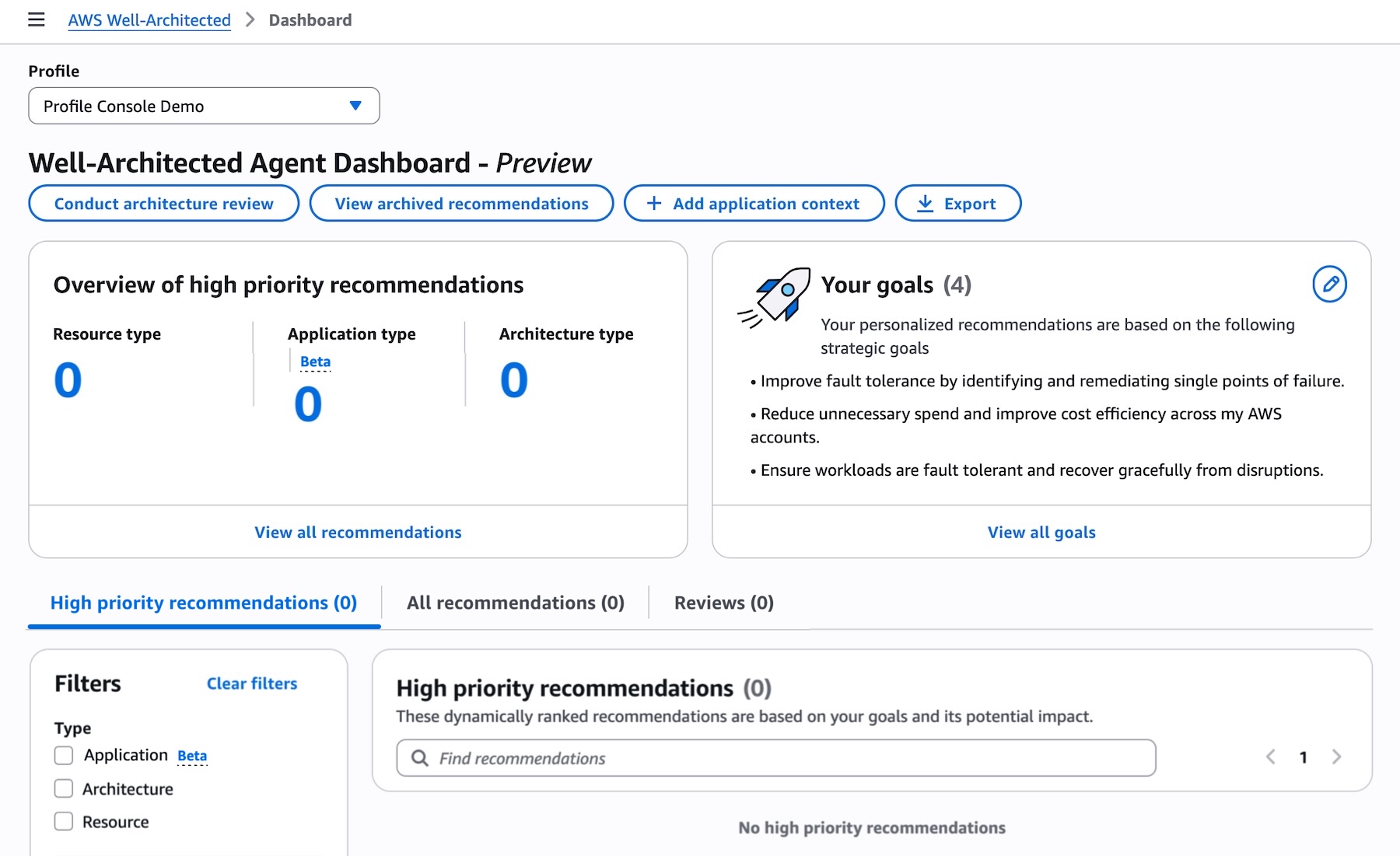
When reviewing these recommendations, users are presented with a prioritized list ranked against their declared goals. Each item includes a detailed explanation of why the change is being suggested, the expected impact, and potential trade-offs. This transparency is critical, as it empowers cloud engineers to move forward with remediation with full confidence. The remediation process itself is designed to be highly versatile; depending on the nature of the recommendation, users can opt for automated code updates, step-by-step manual instructions, or specific configuration changes.
For teams looking to embed these insights into their broader development operations, the agent supports programmatic interaction. By utilizing the AWS MCP Server and various plugins, developers can integrate these recommendations directly into their preferred AI coding tools and CI/CD pipelines. This integration allows for a more fluid workflow where architectural best practices are treated as a continuous, automated part of the software development lifecycle rather than an isolated review process.
Accessibility and Future Availability
While the Well-Architected Agent introduces a new layer of automation, it does not replace the traditional AWS Well-Architected Tool. Users retain the ability to conduct manual evaluations and utilize user-defined lenses to measure workloads against their own custom best practices, ensuring that the new service complements, rather than supplants, existing governance strategies.
Currently, the AWS Well-Architected Agent is available in public preview for customers in US East (N. Virginia), US East (Ohio), and US West (Oregon), with the ability to onboard workloads from any AWS commercial Region. The service is delivered through AWS Support and is accessible to customers with an active AWS Support plan. As the preview progresses, AWS encourages users to provide feedback directly through their established support channels, which will be instrumental in refining the agent’s capabilities and expanding its reach.
By automating the diagnostic process and providing concrete paths for remediation, the AWS Well-Architected Agent represents a major step forward in cloud management. It acknowledges that as cloud ecosystems grow, the human element of architecture must be supported by intelligent systems that can parse data at scale, translate complexity into clarity, and empower teams to build more robust, efficient, and secure applications. As organizations continue to scale their operations on AWS, this new tool is poised to become a central component in maintaining the health and performance of their digital infrastructure.