






Free League Publishing has once again cemented its status as a powerhouse in the tabletop role-playing game industry. The Stockholm-based publisher, known for its critically acclaimed adaptations of Alien, Blade Runner, and Invincible, has shattered its own internal crowdfunding records with the latest campaign for The One Ring. While the studio famously raised $1.7 million in 2021 to launch the second edition of its J.R.R. Tolkien-inspired RPG, this current effort has surged past that milestone, drawing $2.6 million in funding to support a suite of revised rules, a comprehensive new bestiary, and an expansive campaign setting.
The overwhelming response from the gaming community highlights the enduring appeal of Middle-earth as a tabletop destination. However, for lead designer Francesco Nepitello, the project represents more than just a successful crowdfunding haul; it is a labor of refinement and a testament to the delicate process of balancing game mechanics with the sacred text of Tolkien’s legendarium.
A Measured Approach to Design
In a recent virtual interview, Nepitello shared insights into the development process, noting that his initial instincts for the new edition were perhaps more radical than the final product suggests. "I played a lot last year, and I found myself asking, ‘Why did I do things this way?’" Nepitello admitted. "Most game designers are tinkers, so you always change your mind about things. Eight months ago, I was of a mind to go to a full third version, but I backpedaled when I started playing with friends. They were not prepared for some of the changes."

This restraint defines the current project. Rather than reinventing the game, the team has focused on tightening the experience and addressing long-standing player feedback. One of the most significant mechanical shifts is the introduction of a combat initiative system. Previously, the game structure often allowed players to act first in most scenarios. Nepitello identified this as a point of friction that undercut the tension of Middle-earth’s most dangerous encounters.
"It’s a matter of balance," Nepitello explained. "If you allow the players to go first all the time, by the time the adversaries start doing something, they’ve been cut down to half the size of what they were before, and that’s just silly." By shifting to a more nuanced initiative system, the designers aim to make enemies feel like genuine threats, restoring a sense of peril that is essential to the tone of Tolkien’s work.
Incorporating Solo Play and Canonical Lore
One of the most notable features arriving in the new core book is the official integration of "Strider Mode." Originally developed by Shawn Tomkin and Matt Click and released as a digital-only supplement in 2022, these solo-play rules have gained a dedicated following. The mechanics have already seen implementation in previous releases, such as the 2024 expansion Moria – Through the Doors of Durin, where they allowed players to navigate the perils of the dwarven city with greater narrative flexibility.
For Nepitello, a veteran of the tabletop space, the rise of solo RPG play was initially counterintuitive. "As an old-time gamer, I find it pretty strange because solo gaming is not the first thing that comes to my mind when I think about role-playing games, but I actually saw the reason," he said. He notes that beyond serving the solitary player, these tools are invaluable for Loremasters—the game’s equivalent of a Dungeon Master—as a means to generate stories and test scenarios before presenting them to a full gaming group.
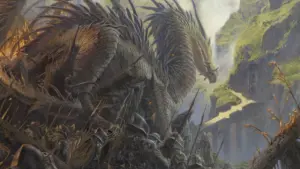
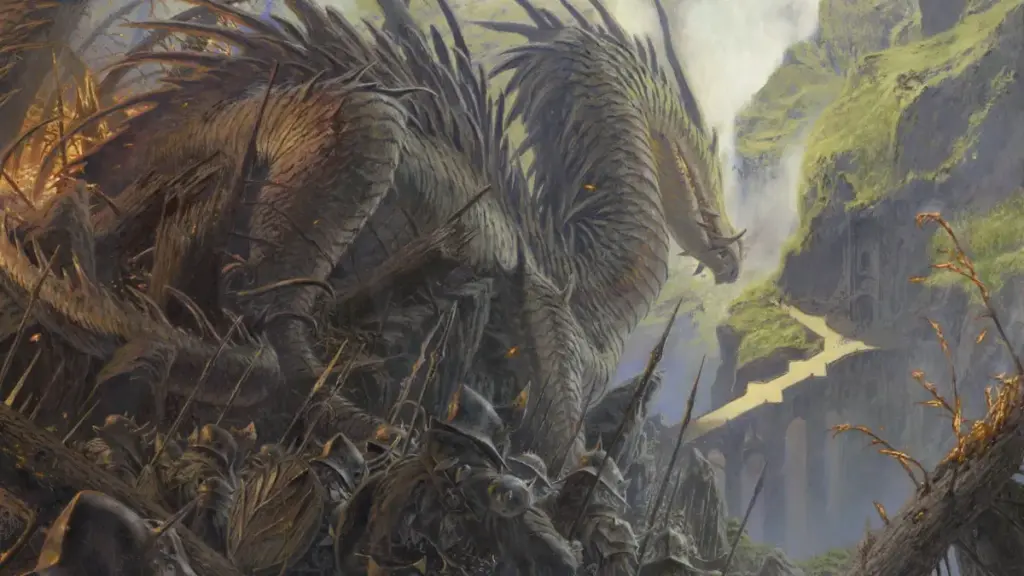
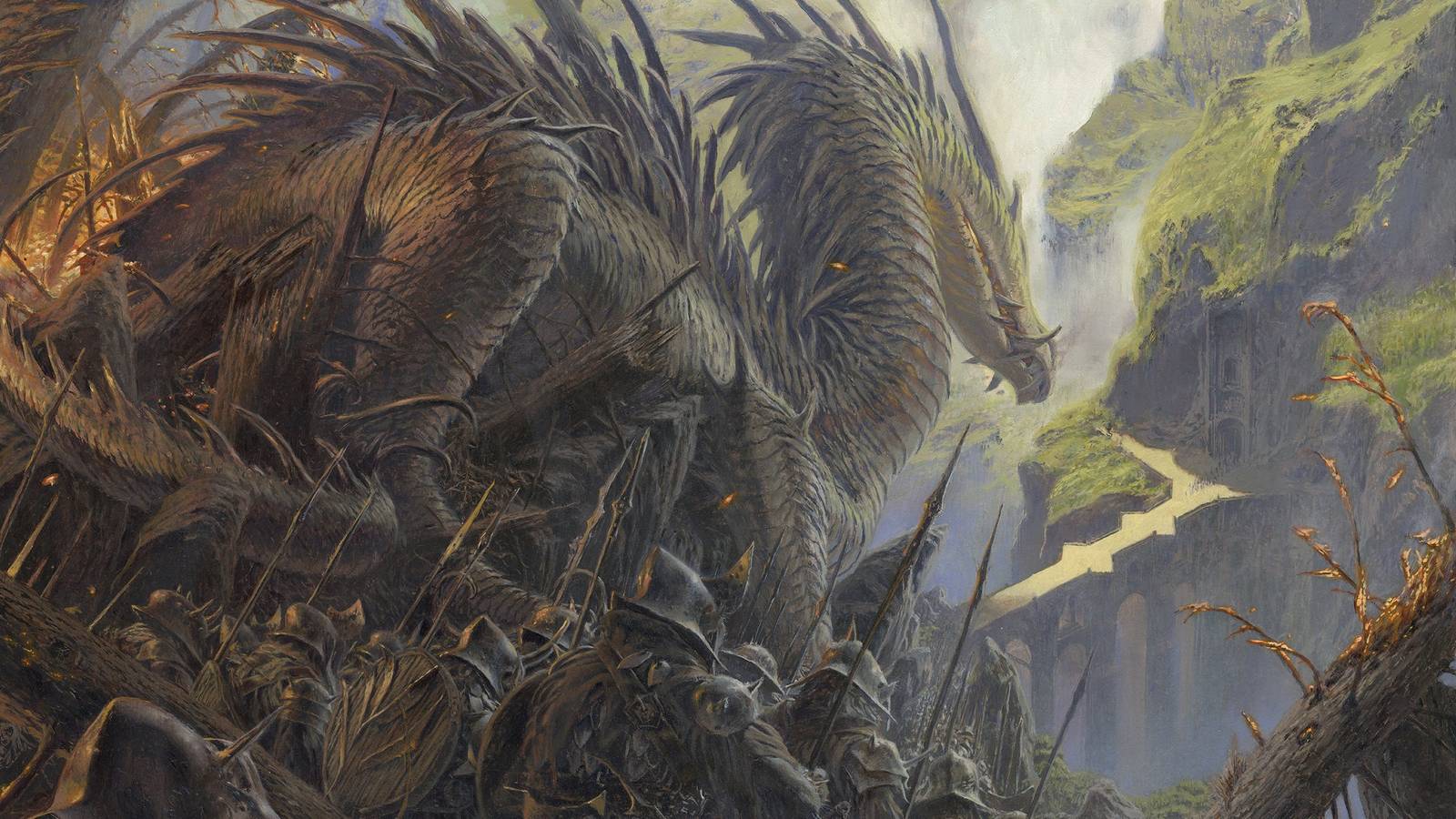
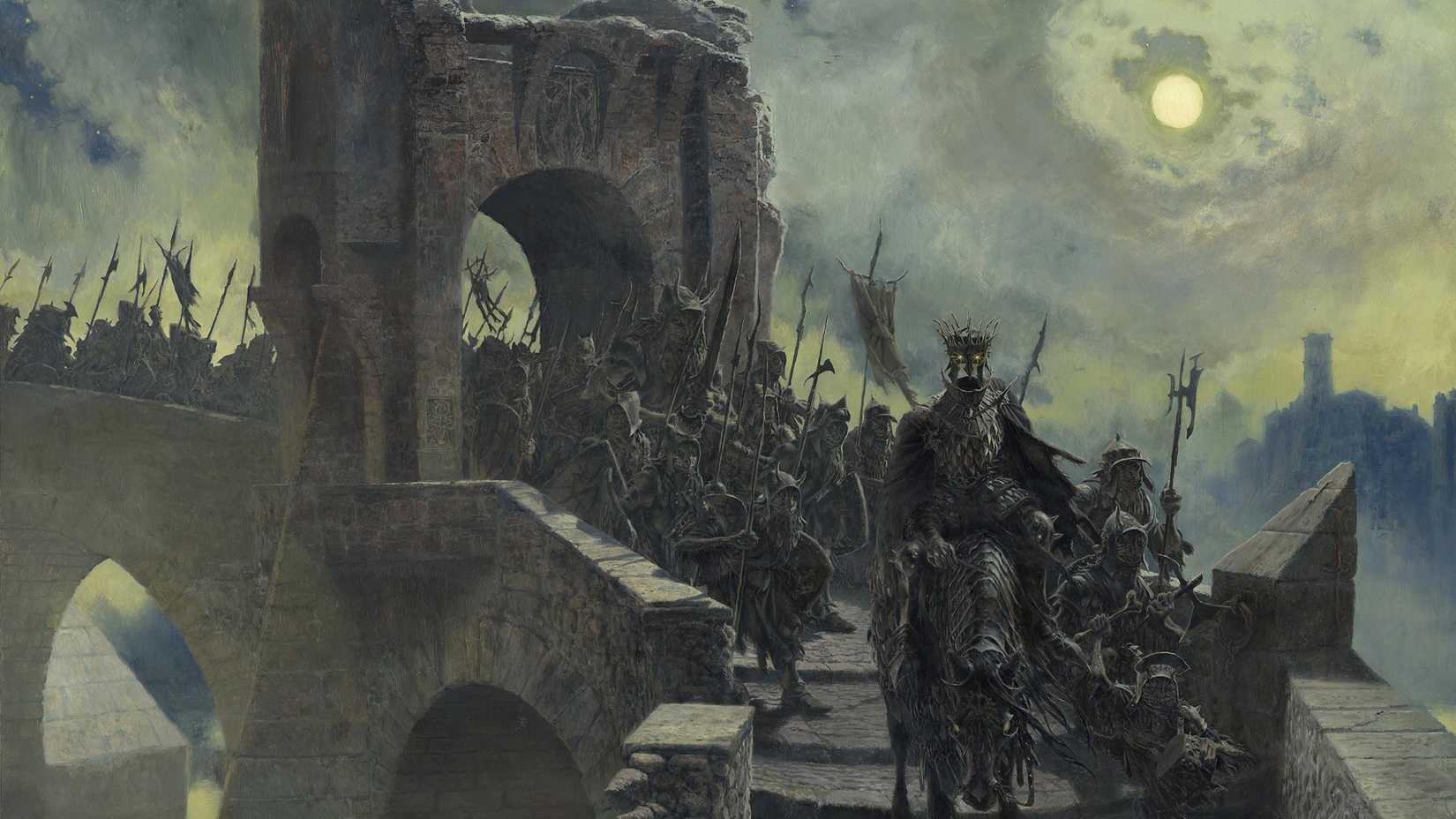
Alongside these rule updates, the team is shifting its approach to adversaries. While the core book will retain a foundational selection of monsters, the bulk of the game’s bestiary is moving to a dedicated volume. This new book will house updated statistics, detailed rules, and expanded lore for iconic threats ranging from dragons and ents to the dreaded Ringwraiths. Crucially, this bestiary will be strictly canonical. The designers have consciously avoided reprinting monsters created specifically for earlier, non-canonical supplements, focusing instead on creatures that have a firm footing in Tolkien’s writings.

"It’s very much a canonical bestiary," Nepitello emphasized. "This is something that could also be interesting for Tolkien fans, so you don’t want to find a strange creation of ours, but you are going to find everything that you can find in the stories."
Intrigue and the Legends of Rohan
Expanding the horizon of play, designer Gareth Hanrahan has taken the lead on a new campaign book titled The White Tower and the Hall of Gold. Moving away from standard dungeon-crawling, the book focuses on the political landscapes of Gondor and Rohan. It presents an opportunity for groups to engage in stories defined by intrigue, shifting the focus from straightforward heroic combat to the complexities of shifting alliances and the weight of history.
"There are different factions who are trying to take advantage of their strife, and the players can align with one or the other," Hanrahan told Polygon. "We have Tolkien’s timeline of what has to happen, but you can come at it from an unexpected or personal angle, and the Loremaster can decide how much they want to let the players change the setting or keep the canonical timeline."
Hanrahan’s research for the campaign involved diving into the most obscure corners of Tolkien’s archives. He sought to introduce new threats that felt entirely native to Middle-earth, such as the Great Boar of Everholt—a legendary beast responsible for the death of the 13th King of Rohan. To ensure these additions felt authentic, Hanrahan drew heavily from the same historical and mythological sources that influenced Tolkien, specifically looking toward Anglo-Saxon literature. "One of my rules is that anything I add has to have some root in Tolkien, either something he wrote or something we knew he read," Hanrahan noted.
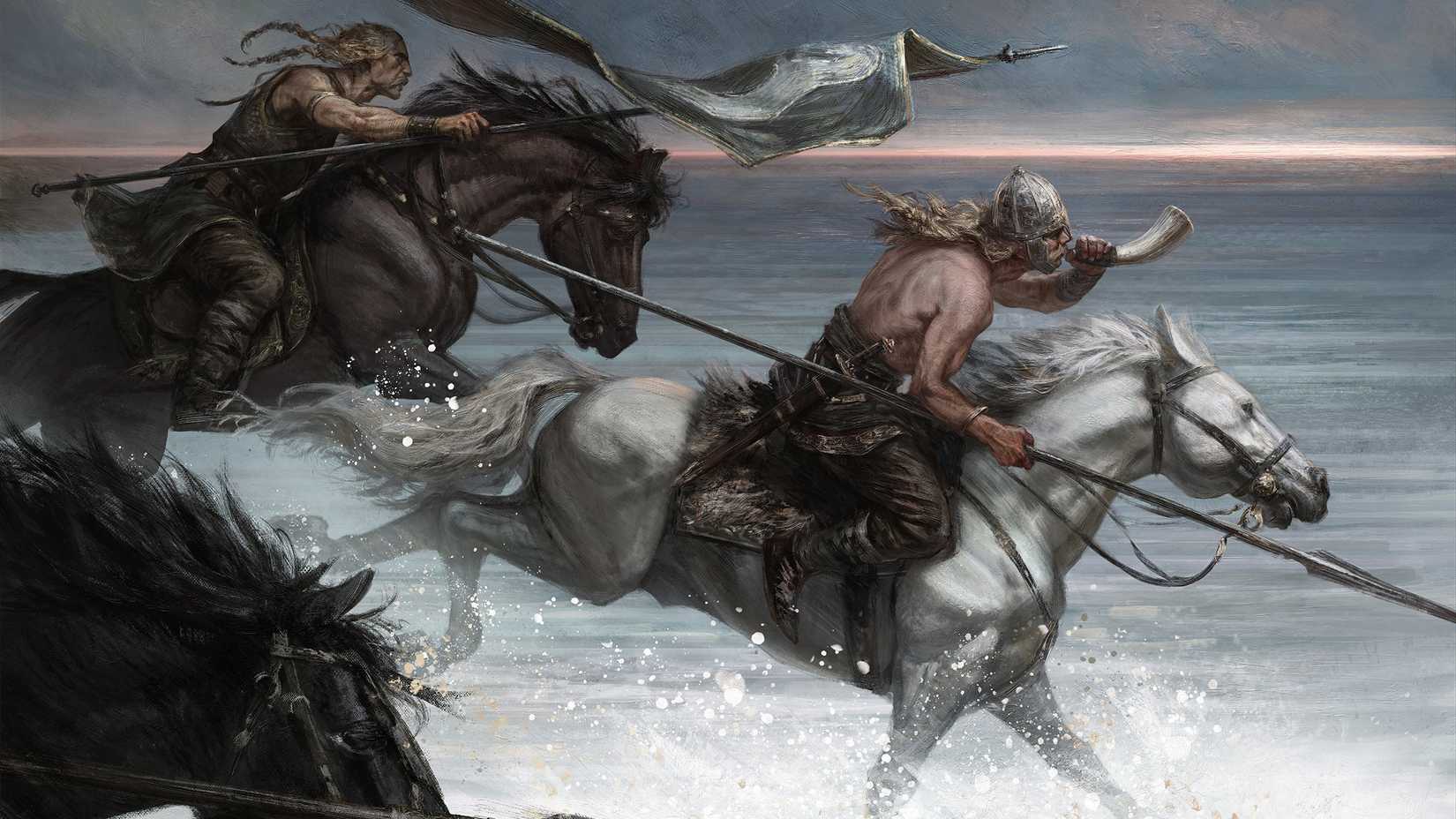
The campaign book also revives and updates the mounted combat rules first introduced in the legacy Horse-Lords of Rohan supplement. Balancing these rules required careful iteration. In early playtests, the designers attempted to make the acquisition of a horse a significant progression milestone, requiring players to save up enough currency to purchase their steed. However, the result was a jarring narrative disconnect.
"The other players were making fun of the Rider of Rohan player because you’re a Rider of Rohan and you’re walking like a beggar, so of course we had to change that," Nepitello laughed, noting that the final rules will better reflect the heroic stature of the Rohirrim.
The 5th Edition Connection
While The One Ring remains the flagship system for the license, Free League has continued to acknowledge the massive player base of the world’s most popular tabletop game. In 2023, the publisher released The Lord of the Rings Roleplaying, a version of their game compatible with the 5th Edition ruleset of Dungeons & Dragons.
The current BackerKit campaign is also funding 5.5e-compatible versions of these new books, a move that responds directly to the release of updated core rules by Wizards of the Coast in 2024. This dual-track approach serves a practical purpose: while hardcore Tolkien enthusiasts flock to the proprietary One Ring system, the 5e-compatible books are significantly more likely to find shelf space in mainstream gaming retail stores, effectively bridging the gap between niche hobbyists and casual D&D players.
"It’s a safe option," Hanrahan said, reflecting on the decision to provide both versions. "You have the most popular game and the most popular fantasy setting. Put them together."
As the campaign enters its final days, the momentum shows no sign of slowing. Crowdfunding for The One Ring and The Lord of the Rings Roleplaying remains open on BackerKit until October 15. Pledges start at $25 for access to the digital core rules, with standard edition physical bundles available for $54. For those waiting to traverse the plains of Rohan or the white spires of Minas Tirith, the current projected delivery date for these materials is October 2027.