






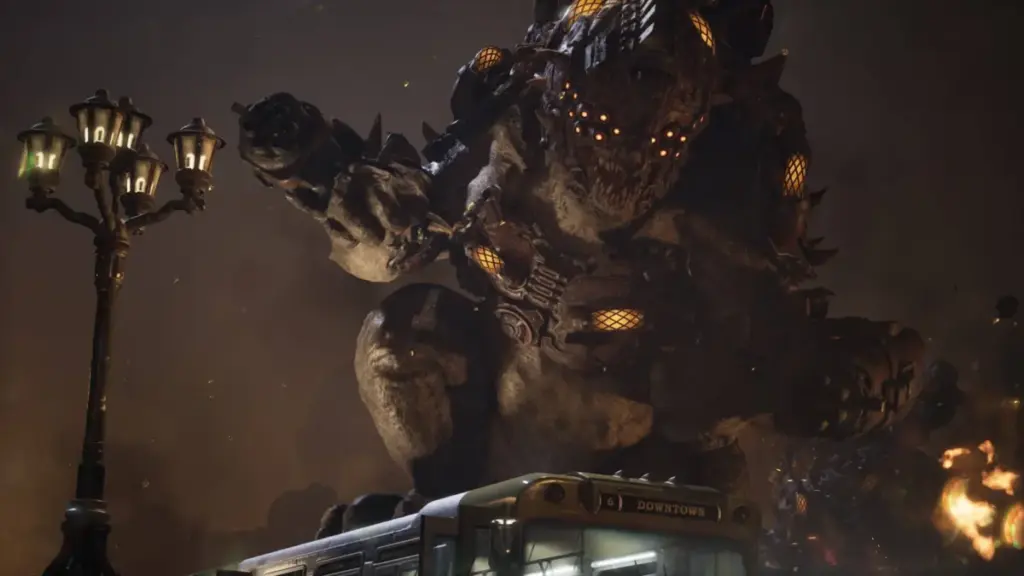
After a challenging few months for the Xbox ecosystem, a flicker of optimism has emerged for the gaming giant’s loyal fanbase. The review embargo for Gears of War: E-Day, the highly anticipated prequel to the seminal third-person shooter franchise, has lifted, providing the first critical look at what developer The Coalition has been cooking up behind closed doors. The initial reception has been largely positive, suggesting that the studio has managed to capture the grit and intensity that defined the early days of the series. However, as the industry begins to weigh in, a critical caveat remains: the current critical consensus is based entirely on the game’s single-player campaign, leaving the vital multiplayer and horde modes—cornerstones of the Gears experience—entirely untested by the press.
As of early October 2026, Gears of War: E-Day boasts an impressive aggregate score, sitting at 88 on Metacritic and 87 on OpenCritic. This performance is particularly noteworthy given the broader context of the 2026 gaming calendar, which has seen several high-profile, long-awaited titles fail to reach the lofty expectations set by fans and critics alike. For comparison, titles such as Control Resonant and The Blood of Dawnwalker—both of which carried significant hype leading into their respective launches—arrived with more tempered praise, currently hovering in the low-to-mid 80s.
Yet, for those closely tracking the game’s trajectory, there is a sense of cautious pragmatism. Because the multiplayer components were not available for evaluation during the review window, the current scores represent only a partial picture of the final product. Industry veterans and critics alike are pointing out that these aggregate scores are likely to fluctuate once the game is fully operational in the wild, with many predicting that the final tally may settle lower once the repetitive nature of the grind or potential technical hiccups in the live-service elements are fully accounted for.


High Praise for Campaign Narrative and Atmosphere
For many critics, the campaign has succeeded in recapturing the visceral storytelling that made the original trilogy a cultural touchstone. In his work-in-progress review for IGN, which currently carries a 9/10 rating, Ryan McCaffrey praised the title for its ability to inject genuine emotional stakes into a series that has historically prioritized explosive action over intimate character moments. By focusing on the origin stories of iconic protagonists Marcus Fenix and Dom Santiago, E-Day manages to craft a narrative that feels both fresh and nostalgic. McCaffrey highlighted the game’s success in conveying the "uncertainty and horror" of the Locust emergence, noting that the developers effectively leverage the player’s existing knowledge of the series’ tragic future to heighten the tension of the present.
Similarly, ScreenRant’s Chris Carter awarded the game a 9/10, emphasizing the environmental storytelling found within the city of Kalona. According to Carter, the setting acts as a character in its own right, offering a believable, lived-in urban landscape that helps ground the high-octane combat. "The city of Kalona feels like a believable future location," Carter noted, adding that despite the overwhelming odds of the Locust invasion, the city provides a distinct personality that differentiates this prequel from the more ruined, desolate environments of later entries in the franchise.
The Counter-Narrative: Fatigue and Regression
Despite the glowing initial reactions to the game’s narrative beats, not all critical voices are fully sold on the experience. As more outlets publish their preliminary impressions, a recurring theme of exhaustion and mechanical repetition has begun to emerge. PC Gamer’s Abbie Stone, while acknowledging that the core shooting mechanics remain as polished as ever, described the campaign as a "slog" that, at times, feels like a step backward compared to the advancements made in Gears 5.

Stone’s critique touches on a common tension in modern long-running franchises: the struggle to balance the familiar with the innovative. While the moment-to-moment combat is mechanically sound, Stone argues that the experience becomes repetitive over its 20-plus-hour runtime. She specifically cited "one-note" design choices and segments involving mounted turret sequences as examples of outdated game design that disrupt the flow of the campaign. For players looking for a fundamental evolution of the Gears formula, the game may feel somewhat tethered to the past.
This sentiment of "stuck in the past" is echoed by Richard Wakeling in his in-progress review for GameSpot. Currently holding a 7/10, Wakeling’s assessment suggests that E-Day is perhaps too preoccupied with rehashing established narrative beats rather than pushing the series into new, bold territories. While the game attempts to be accessible to newcomers by revisiting fundamental lore, Wakeling argues that this approach often rings hollow, resulting in a narrative that feels overly safe and unwilling to challenge the expectations of longtime fans.
The Uncertainty of the Full Package
The divide in early reviews underscores the difficulty of judging a modern, multi-faceted title like Gears of War: E-Day in segments. Polygon’s own Ford James has echoed the concerns regarding pacing, specifically pointing to the inclusion of open-world segments that, in his view, detract from the intensity of the core experience. When the game forces the player into these more expansive environments, the tightly coiled, claustrophobic tension that Gears is known for often evaporates, leaving behind a disjointed experience that struggles to maintain momentum.
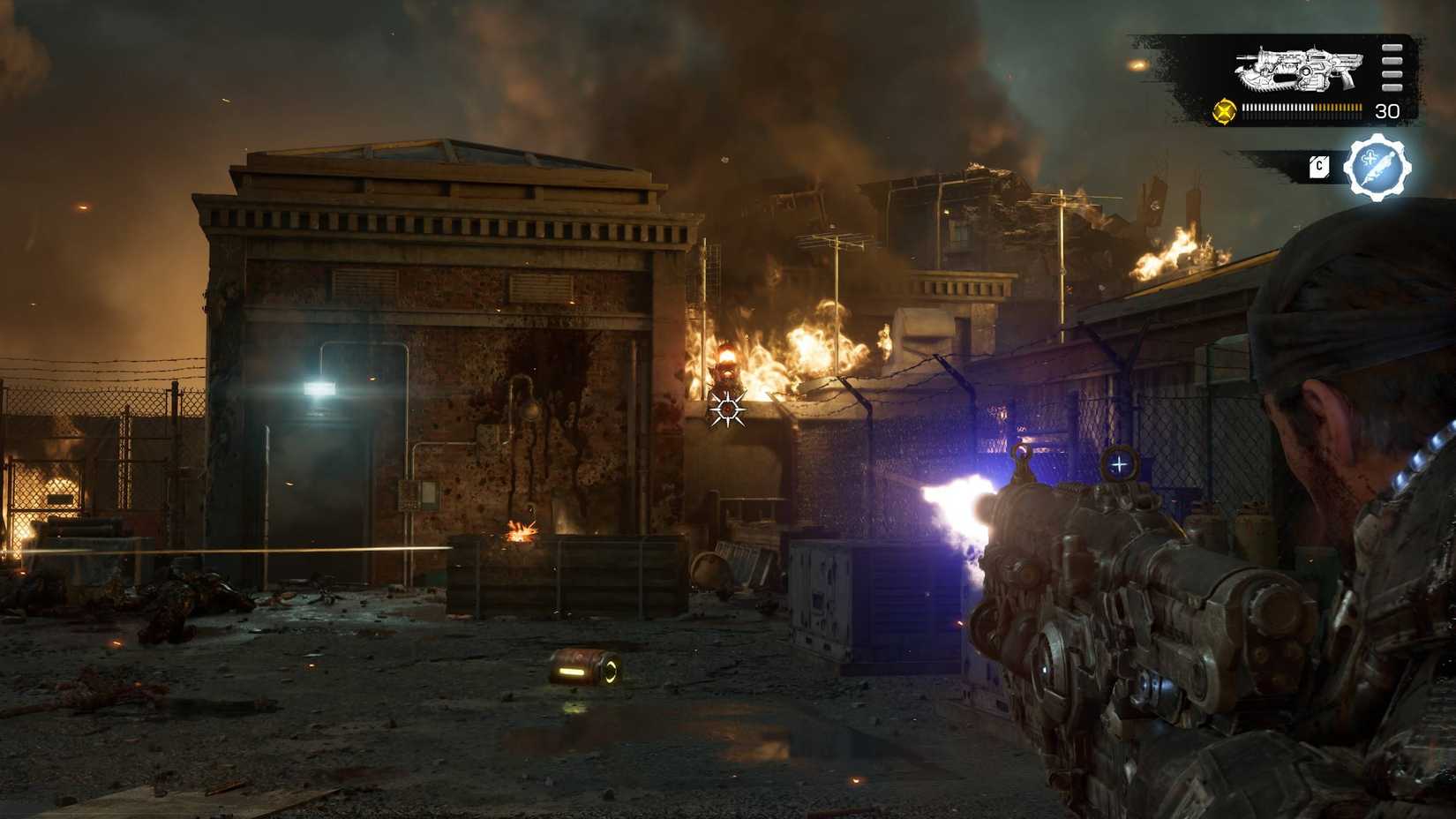
These mixed perspectives from outlets like Kotaku and Polygon serve as a reminder that the current aggregate scores are, by definition, incomplete. While the spectacle of the campaign is enough to impress many, the longevity of the title will ultimately depend on the quality of its multiplayer offerings. The history of the Gears franchise is built as much on its competitive scene and cooperative Horde modes as it is on its cinematic campaigns. Without the full suite of features, the game is currently being judged as an interactive action movie rather than the comprehensive ecosystem that fans expect.
As the launch date approaches and the servers go live, the conversation surrounding E-Day will undoubtedly shift. Whether the game is viewed as a return to form or a franchise plateau will depend on how the multiplayer experience holds up under the scrutiny of the broader community. For now, the takeaway for prospective players is clear: the campaign is a polished, high-intensity experience that delivers on the promise of a classic Gears narrative, but it is not without its flaws. Prospective buyers would be wise to wait for the complete picture to emerge before cementing their expectations, as the final verdict on the title’s legacy will be written by the players who dive into the multiplayer trenches. With the dust still settling, E-Day currently stands as a promising, if slightly uneven, addition to the Xbox library, with its ultimate place in the pantheon of the series yet to be determined.