For the modern writer, the keyboard is more than just a peripheral; it is the primary interface between thought and digital reality. While the standard membrane keyboards bundled with office computers are functional, they often fail to inspire. In contrast, the mechanical keyboard has emerged as a centerpiece of the contemporary desk, turning the mechanical act of typing into an aesthetically pleasing, tactile, and deeply satisfying experience. For those of us who spend the vast majority of our professional lives anchored to a desk, investing in a tool that improves the quality of our daily labor is not merely a luxury—it is a necessity for maintaining momentum and engagement.
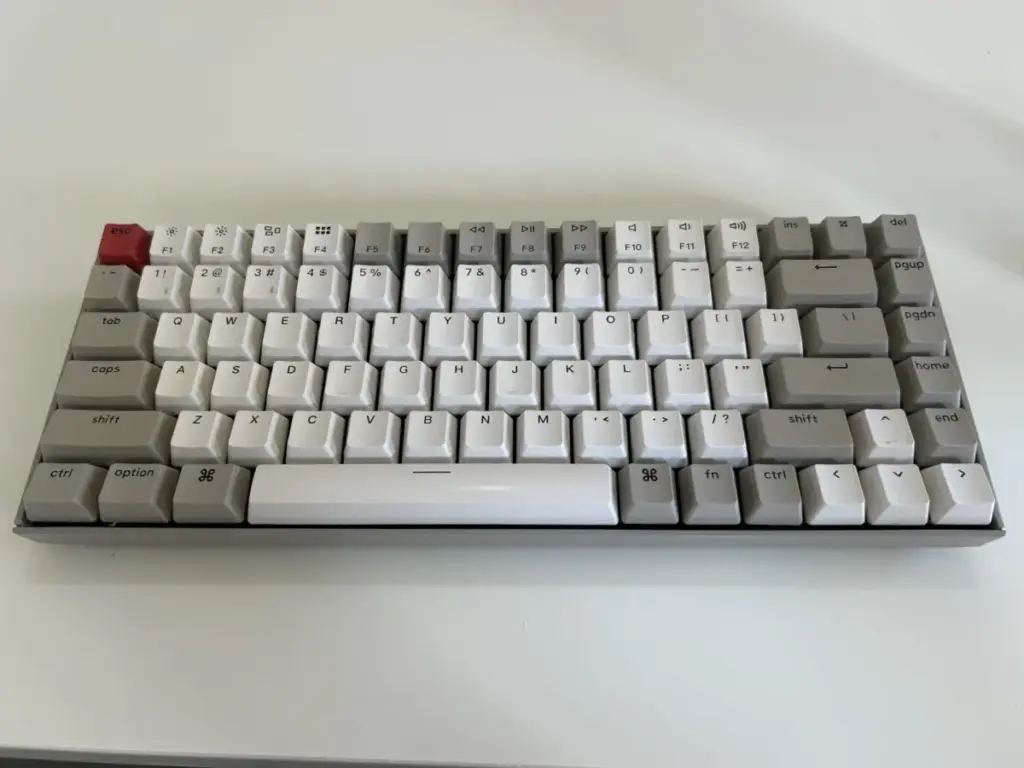
My own journey into this world began roughly two years ago with the purchase of a Keychron K2. It was a transition that changed my relationship with my work; once I experienced the crisp, responsive feedback of mechanical switches, I found it impossible to return to the mushy, uninspired keys of my previous hardware. This sentiment is shared by an growing cohort of professionals, enthusiasts, and hobbyists who have helped propel the mechanical keyboard from a niche enthusiast curiosity into a mainstream staple of home office setups.
Keychron, the brand behind my initial foray, stands as a testament to this shift. The company effectively democratized the mechanical keyboard market, rising to prominence after a highly successful Kickstarter campaign in 2017. By bridging the gap between high-end, bespoke custom keyboards and the accessible, plug-and-play electronics consumers expect, Keychron captured the imagination of a broad audience. Since those early days, the company has expanded its catalog significantly, producing dozens of keyboard iterations, specialized keypads, and a growing line of computer mice, solidifying its position as a pillar of the industry.

The appeal of these devices lies in their inherent simplicity. Unlike many modern electronics that require complex software installations, driver updates, and steep learning curves, the mechanical keyboard experience is remarkably straightforward. The process is almost meditative: unboxing the device, adjusting the tilt legs to achieve the perfect ergonomic angle, and connecting it to your workstation. The friction-free setup is part of the charm. My own K2, for instance, offers the versatility of both a stable wired USB connection and a seamless Bluetooth integration. For those who prioritize a clean, minimalist aesthetic, the ability to ditch the wires entirely via Bluetooth has become a major selling point, allowing users to maintain a clutter-free environment that promotes focus.
While I remain loyal to my seasoned K2, the landscape of mechanical keyboards has evolved rapidly over the past two years. Keychron and its competitors have flooded the market with an array of models, each catering to different functional needs and budgetary constraints. These new releases demonstrate how far the form factor has traveled, moving from utilitarian tools to design-forward hardware.
One of the more ambitious entries in this space is the Keychron K8 HE Wireless Magnetic Switch Custom Keyboard. This model represents a departure from the standard industrial look, featuring an all-wood body that brings a touch of warmth and sophistication to the desk. It is a striking example of how manufacturers are experimenting with materials to appeal to users who view their keyboard as an extension of their personal style. While the price point of roughly $200 places it in a different league than the entry-level $60 K2, the value proposition for many lies in the unique aesthetic and the premium feel of the hardware.
The evolution of these keyboards also extends to specialized use cases, such as the C0 HE One-Handed 8K Keyboard. Designed with the gaming community in mind, this keypad prioritizes speed, precision, and convenience. It boasts an industrial, high-performance aesthetic that clearly signals its purpose. However, the popularity of such devices is evident in their availability; interest has been so high that these gaming-focused models frequently sell out, leaving prospective buyers waiting for restocks. Beyond these specialized releases, the company has consistently updated its core K, Q, and V series, with prices spanning a wide range—typically between $100 and $200—allowing users to select the features, layouts, and build quality that best suit their professional or personal requirements.
A significant part of the mechanical keyboard phenomenon is the inherent versatility of the hardware. Owning a mechanical keyboard is a gateway to a world of customization. Enthusiasts can easily swap out keycaps, choosing from a vast array of colors, materials, and profiles. This has birthed a massive sub-market dedicated to accessories, where users can personalize their devices to reflect their tastes or even source custom-made keycaps for a truly unique look. While I have personally avoided the deeper rabbit hole of creating my own bespoke keycaps, the option to tailor the device is a central pillar of the community’s appeal.
Then, there is the auditory element. To the uninitiated, the distinctive, rhythmic clack of a mechanical keyboard might seem distracting. Yet, for those who use them, the sound is an essential component of the typing experience. The auditory feedback provides a sense of progress and accomplishment that silent membrane keyboards lack. This phenomenon has become so culturally significant that it has found a permanent home in the world of ASMR, where the specific, crisp sounds of different switches are recorded and enjoyed by thousands as a form of sensory satisfaction.
For me, the primary draw remains the retro form factor. We live in an era of ultra-minimalist, often sterile technology, but there is an undeniable, deep-seated nostalgia for the hardware of the past. Keychron manages to strike a balance, offering modern reliability with a design language that feels reminiscent of the late 20th century. Using these keyboards brings to mind a different era of computing, one where tools were built to be seen, felt, and used with a sense of purpose.
As we continue to optimize our home offices, the choice of equipment has never been more important. Investing in hardware that bridges the gap between modern efficiency and a tactile, nostalgic aesthetic can profoundly change how we feel about our daily tasks. Ultimately, if you are looking to upgrade your workspace, you could do a lot worse than to select a piece of hardware that makes your desk feel as though it has traveled through time, transforming the repetitive work of typing into an experience you look forward to every single day.