The landscape of tokenized commodities is undergoing a significant transformation, shifting from a niche interest dominated by gold into a sophisticated ecosystem capable of financing industrial metals, facilitating energy trading, and unlocking liquidity in physical assets. While gold-backed tokens have historically served as the primary entry point for blockchain-based commodity exposure, industry leaders at Paxos Labs, Theo, and Energy Substantiation (EnSub) are now positioning their platforms to capture a much broader market share. By integrating physical assets with blockchain technology, these firms aim to provide a bridge between yield-seeking investors and businesses in desperate need of efficient inventory financing, effectively democratizing access to markets that have traditionally been walled off by large institutional gatekeepers.
The potential for this sector is reflected in recent market data, which highlights a period of rapid acceleration. According to figures from CoinGecko, the total market capitalization for tokenized commodities reached $5.55 billion by the end of March 2026, marking a substantial leap from the $1.43 billion recorded at the start of 2025. While this growth has been heavily concentrated—with gold-backed tokens issued by entities like Paxos and Tether accounting for nearly 90% of the expansion—the industry is now actively seeking to diversify its asset base. At its core, tokenized commodities represent the digitization of physical assets such as gold, silver, and oil on a blockchain, allowing for fractional ownership, enhanced transparency, and, increasingly, the ability to put dormant inventory to work.
The Strategic Shift Toward Gold Lending
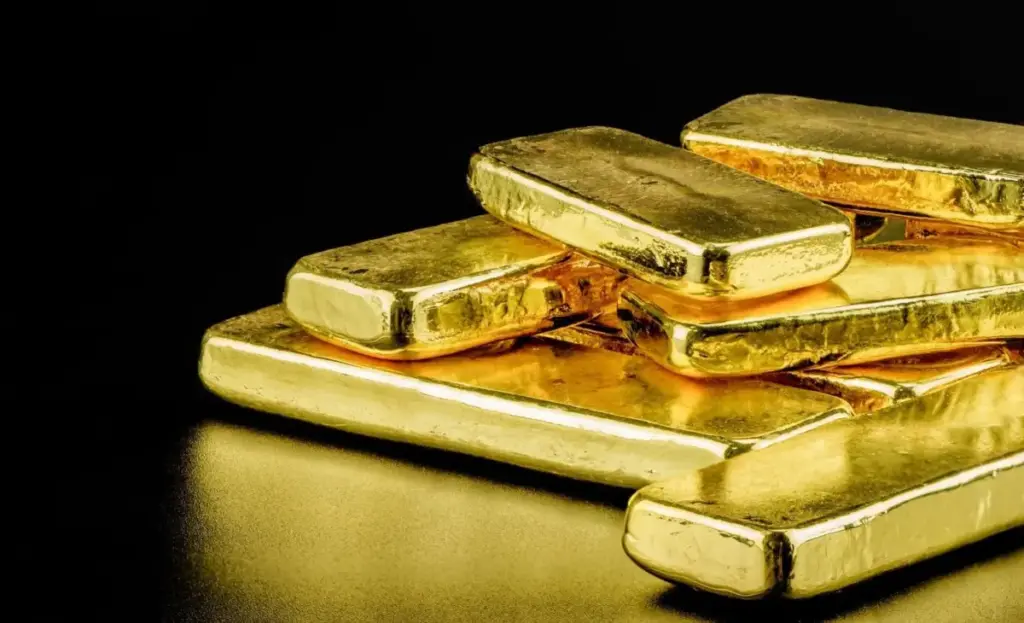
Paxos Labs is currently spearheading the movement to treat these digital assets as productive capital rather than mere stores of value. The company’s PAXGy token, which is backed by PAX Gold (PAXG), is at the center of this initiative. Unlike static tokens that simply mirror the price of an underlying asset, PAXGy is designed to be deployed to institutional borrowers. The mechanism allows for the accumulation of returns paid out in ounce terms, meaning holders can theoretically increase their actual gold holdings over time while maintaining exposure to the metal’s price fluctuations.

"The big proposition is access," said Bhau Kotecha, co-founder of Paxos Labs, in an interview with CoinDesk. Historically, the mechanics of gold lending—such as leasing physical metal for industrial use—required immense scale, complex legal infrastructure, and deep-seated institutional relationships that were largely unavailable to the average investor. Kotecha emphasizes that by tokenizing the asset and automating the lending process, the barrier to entry is significantly lowered. The firm is witnessing rising demand from a diverse array of participants, including individual investors, family offices, and large-scale institutions.
However, the transition to a yield-bearing model brings inherent complexities. Kotecha acknowledges that lending returns cannot be guaranteed, and the risk of borrower default remains a reality that could erode the value of the token. Furthermore, the firm is exploring the next logical step in this evolution: allowing holders to use their PAXGy as collateral for loans. By enabling users to borrow against their digital gold, Paxos hopes to create a more integrated financial ecosystem that mirrors traditional banking functionalities while leveraging the speed and transparency of decentralized networks.
Silver as the Natural Successor
While gold is the undeniable leader, silver is increasingly viewed as the logical second act for the tokenization industry. Theo, a firm specializing in blockchain-based finance, has recently made significant strides in this area with its thSLVR product. The token is designed to pass income generated from institutional silver leases directly to token holders, providing a yield on an asset that has traditionally been a non-productive hedge.
Iggy Ioppe, Chief Investment Officer at Theo, argues that the growth of tokenized silver will be driven by the specific needs of existing commodity participants. He points to institutions searching for high-quality, productive collateral, refiners looking to optimize their inventory financing, and corporate treasuries that require assets that can settle with near-instantaneous speed. For these entities, the ability to tokenize silver offers a way to streamline operations that were previously bogged down by legacy settlement systems.
Ioppe characterizes silver as the "natural second" behind gold, citing its dual nature as both an investment vehicle and a critical industrial material. The presence of a well-established global leasing market for silver provides a solid foundation for tokenization. However, he does not underestimate the challenges; silver is inherently more volatile than gold, and the tighter supply of physical metal available for leasing complicates the scaling process. Despite these hurdles, Ioppe remains bullish, forecasting that the tokenized commodities market could grow to tens of billions of dollars within five years, eventually exceeding the $100 billion mark within a decade. Looking toward a 15-year horizon, he anticipates that tokenization will cease to be a "crypto-native" novelty and instead become a standard, boring, and essential component of global commodity settlement and financing.
The Logistical Test of Tokenizing Oil
While metals present a clear path for expansion, the energy sector—specifically crude oil—represents a significantly more complex logistical challenge. Energy Substantiation (EnSub) is currently testing the limits of this frontier, having recently expanded its WTIC token from the Ethereum network to Solana on October 2, 2026. Each WTIC token is designed to represent one barrel of West Texas Intermediate (WTI) crude, backed by verified physical inventory.
The ambition for energy tokens goes far beyond simple investment exposure. JP Thieriot, co-founder and CEO of EnSub, notes that the company is already developing tokens for natural gas and Brent crude. The target audience is vast: energy buyers who need to hedge their fuel costs, investors looking for a new asset class, and suppliers who require efficient working capital solutions. Thieriot predicts that, if successfully implemented, oil tokens could capture up to a quarter of the total oil market within the next decade.
The debate among industry executives regarding the speed of adoption in energy is nuanced. Ioppe at Theo contends that because energy is a highly mobile, perishable, and difficult-to-store commodity, creating income-generating tokens is significantly more difficult than it is for precious metals. The physical requirements for storage and transport introduce layers of complexity that are absent when dealing with a gold bar in a vault.
Thieriot counters this by highlighting the absolute necessity of rigorous operational standards. For EnSub, the success of energy tokenization rests on the ability to provide "verifiable inventory, workable custody, and settlement." Because crude oil is a commodity that is almost always in motion, the blockchain infrastructure must be perfectly synced with physical logistics. Expansion into this space will therefore depend entirely on the ability of these firms to build robust bridges to traditional, reliable physical markets. If they can provide a compelling reason for market participants to shift away from legacy paper-based systems, tokenization may soon become the preferred method for managing one of the world’s most vital resources. As these platforms continue to refine their models, the focus remains on transforming the mundane, physical realities of commodity trading into a seamless, digital-first experience.