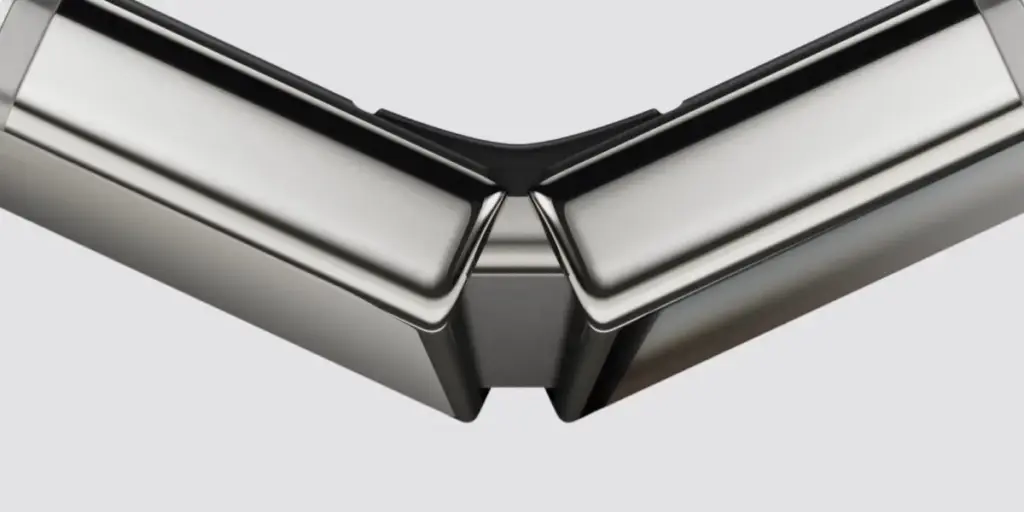
The debut of the iPhone Duo represents a significant milestone in Apple’s hardware history, marking the company’s first major foray into the foldable smartphone market. While the device has garnered attention for its sleek form factor and dual-display utility, the engineering effort required to bring it to fruition was immense. Chief among these challenges was thermal management: how do you keep a high-performance device cool when it is effectively folded into a compact, thick chassis? Apple’s solution, it turns out, lies in an ingenious application of material science, centered on a flexible graphite pipe integrated directly into the device’s hinge.
A New Era of Silicon: The A20 Pro Architecture
To understand the thermal requirements of the iPhone Duo, one must first look at the engine driving the experience: the A20 Pro chip. This processor, which powers the iPhone 18 Pro, iPhone 18 Pro Max, and the new iPhone Duo, is the latest iteration of Apple’s silicon prowess. It is the company’s first iPhone chip manufactured on a cutting-edge 2nm process, a transition that follows the technology’s debut earlier this year in the M6 chip for the Mac mini.
In a recent technical deep dive with PCMag, Apple’s leadership—including Dan Murray, vice president of silicon engineering, and Banafsheh Barabadi, senior manager of thermal product design—explained that while the A20 Pro is a unified architecture, the version tailored for the iPhone Duo contains specific enhancements. Because the Duo must manage two distinct screens simultaneously, it requires a unique display engine.

"For iPhone Duo, we added a second display engine to support simultaneous operation of the inner and outer displays," Murray explained during the discussion. "With the increased CPU and GPU performance, we ensure we can deliver a smooth user experience across the displays. For the inner display, we also added support for placing the FaceTime camera behind the display."
This shift to a 2nm process offers significant efficiency gains, but the sheer computational overhead of driving two displays and managing the complex multitasking inherent in a foldable device creates a concentrated thermal load. Managing that heat within a folding chassis required a complete rethinking of how Apple approaches internal cooling.
"Metal Over Foam": The Thermal Coupling Revolution
Thermal management in modern smartphones is an exercise in compromise. With the iPhone 18 series, Apple has introduced a sophisticated vapor chamber system to move heat away from the silicon. However, the connection between the processor and the cooling system is just as critical as the cooling system itself. This is where Apple’s new "metal over foam" technology comes into play.
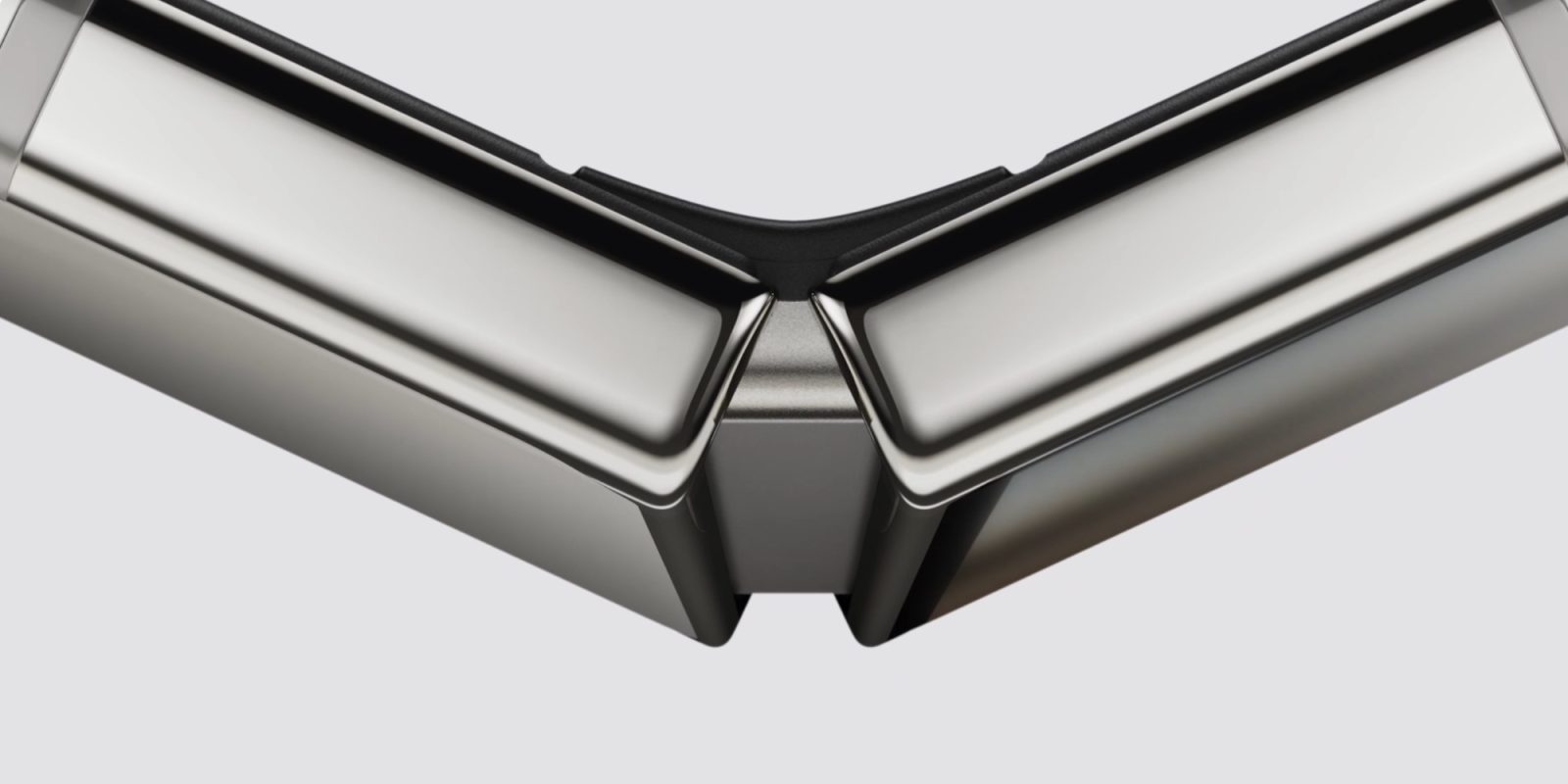
As Barabadi detailed, the "metal over foam" material serves as a bridge between the A20 Pro SoC and the vapor chamber. "It basically creates a direct thermal and mechanically compliant coupling between the SoC and the vapor chamber," Barabadi noted. "It is highly effective in removing the heat, meeting the strict mechanical requirements of the system. It took us months of development to get the material properties exactly right to be able to use this material."
This innovation is not merely about thermal conductivity; it is about physical resilience. Because components inside a phone are subject to microscopic shifts due to thermal expansion and contraction, a rigid coupling could eventually lose its effectiveness or even damage the silicon. By using a compliant material that balances thermal efficiency with mechanical flexibility, Apple ensures that the A20 Pro can run at high performance without suffering from the "thermal throttling" that often plagues thinner, more densely packed mobile devices.
Solving the Foldable Paradox: The Flexible Graphite Pipe
While "metal over foam" handles the heat at the source, the iPhone Duo faced a unique secondary challenge: how to dissipate that heat across a device that changes its physical configuration. When a foldable phone is closed, it becomes twice as thick, effectively insulating the internal components and limiting the surface area available for natural convection.
Apple’s solution was to turn the hinge into an active participant in the cooling process. Rather than treating the hinge as a purely mechanical necessity, the engineering team utilized it as a thermal bridge. By routing a flexible graphite pipe through the hinge itself, Apple enabled heat to be transferred between the two halves of the device. This effectively doubles the surface area available for heat dissipation when the device is open and helps distribute the thermal load when it is closed.
"This was one of the most technically challenging aspects of our design," Barabadi said. "This part needed to be co-engineered between our thermal team and the mechanical team. It’s a flexible material that needs to survive, as you can imagine, many hinge cycles while maintaining its thermal connectivity, and also its structural integrity throughout the product life cycle."
The use of graphite in this context is particularly clever. Graphite is renowned for its high thermal conductivity and its ability to remain flexible over thousands of stress cycles, making it ideal for a hinge that will be opened and closed by users hundreds of times a day. By integrating this pipe, Apple has effectively turned the entire body of the iPhone Duo into a heat sink, ensuring that the performance gains of the 2nm A20 Pro aren’t stifled by the physics of a foldable form factor.

Beyond the Hinge: The Broader A20 Pro Design
The PCMag discussion also touched upon other architectural decisions that characterize the A20 Pro. Beyond the thermal innovations, Apple has focused heavily on the placement of components to minimize latency and maximize energy efficiency. One notable change in the A20 Pro architecture is the decision to place the DRAM (Dynamic Random Access Memory) adjacent to the processor rather than stacking it on top, a technique known as Package-on-Package (PoP) memory that Apple has famously used for years.
By moving away from a stacked configuration, Apple has been able to lower the profile of the chip assembly and, more importantly, reduce the heat soak that occurs when memory and processor are physically layered. This contributes to the overall thermal budget of the device, allowing the SoC to sustain higher clock speeds for longer durations.
The insights from Murray and Barabadi highlight a recurring theme in Apple’s product development: the intersection of disparate engineering disciplines. The iPhone Duo is not just a triumph of display technology or mechanical engineering; it is a collaborative effort where the thermal team and the mechanical team worked in tandem to overcome the physical limitations of the folding form factor.
As the smartphone industry continues to explore the boundaries of foldable designs, the success of the iPhone Duo’s thermal management system will likely serve as a blueprint for future generations. By focusing on material science—specifically the integration of flexible, conductive materials like graphite—Apple has managed to deliver a flagship experience that remains cool under pressure, regardless of whether the device is folded or flat. With the A20 Pro and its advanced thermal architecture, Apple has once again demonstrated that even in a device defined by its movement, stability and performance remain the highest priorities.