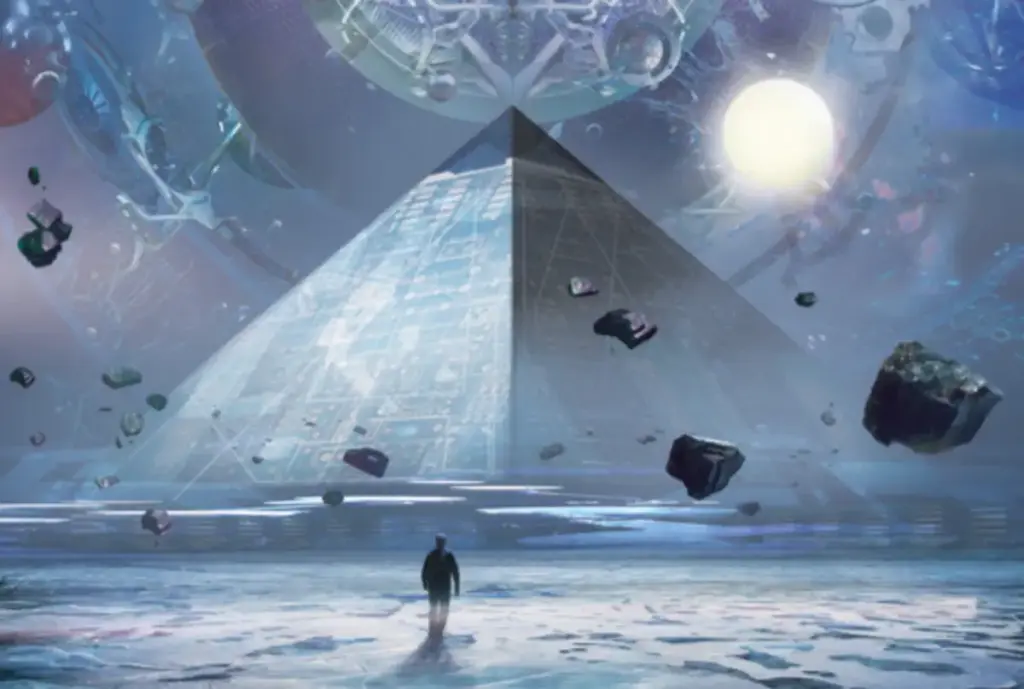
Science fiction has long served as one of the most expansive playgrounds for human imagination, providing a lens through which we can explore both the farthest reaches of the galaxy and the immediate, often uncomfortable, realities of our own technological age. At its finest, the genre uses invented worlds and speculative futures to interrogate the very nature of humanity, cracking open philosophical questions that more grounded literary genres often struggle to reach. From the foundational classics that built the bedrock of the field to the international gems and psychological thrillers that have consistently challenged our perceptions, these stories remain vital reading.
Distilling the vast landscape of speculative fiction into a single essential reading list is a formidable task. While pillars like Frank Herbert’s Dune or George Orwell’s 1984 are frequently cited as the genre’s cornerstones, the true brilliance of speculative fiction often lies along far stranger, less-traveled paths. Short story collections that function as fever dreams, mind-bending simulations, and sociopolitical thought experiments have spent decades redrawing the boundary lines of what a narrative can achieve. Whether a reader is searching for a landmark that defined a generation or a cult masterpiece that continues to haunt the fringes of the genre, these ten works demonstrate the profound capability of science fiction to push the boundaries of reality.

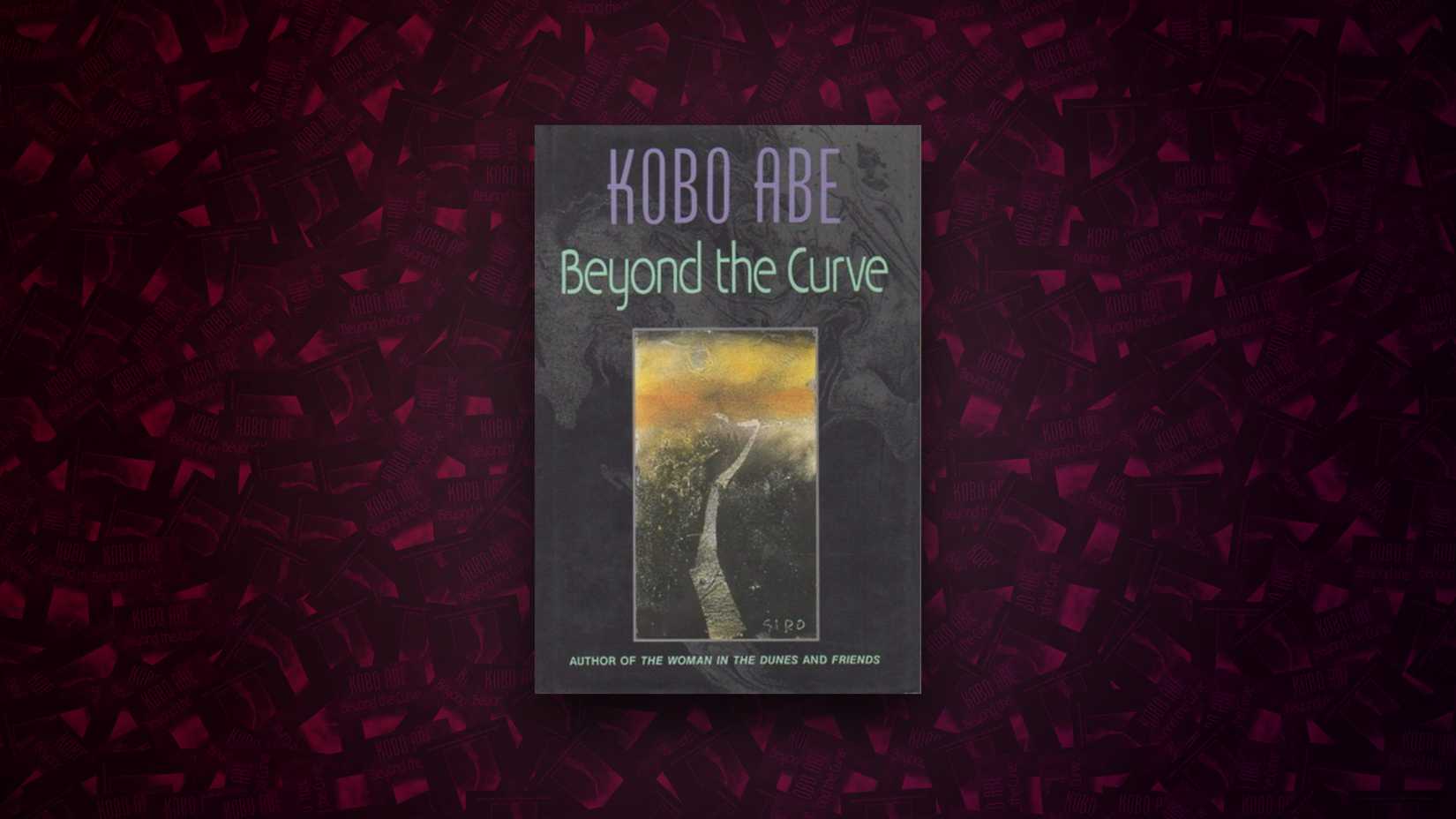
10. Beyond the Curve (1991) by Kōbō Abe
For the intrepid reader looking to venture into the surreal, Kōbō Abe’s Beyond the Curve is an indispensable collection. Spanning seventeen years of the author’s career, from 1949 to 1966, this volume of twelve short stories operates less like traditional fiction and more like a series of waking nightmares. In stories such as "Dendrocacalia," where a man begins the slow, terrifying process of transforming into a plant, or "The Crime of S. Karma," which follows a protagonist who finds his own name has abandoned him, Abe masterfully blends science fiction with existential horror. By approaching these increasingly absurd scenarios with a detached, matter-of-fact tone, Abe exposes the fragility of human identity. While he is often more celebrated for his novels like The Woman in the Dunes, his shorter works are essential for those who want to see the genre at its most unsettling.

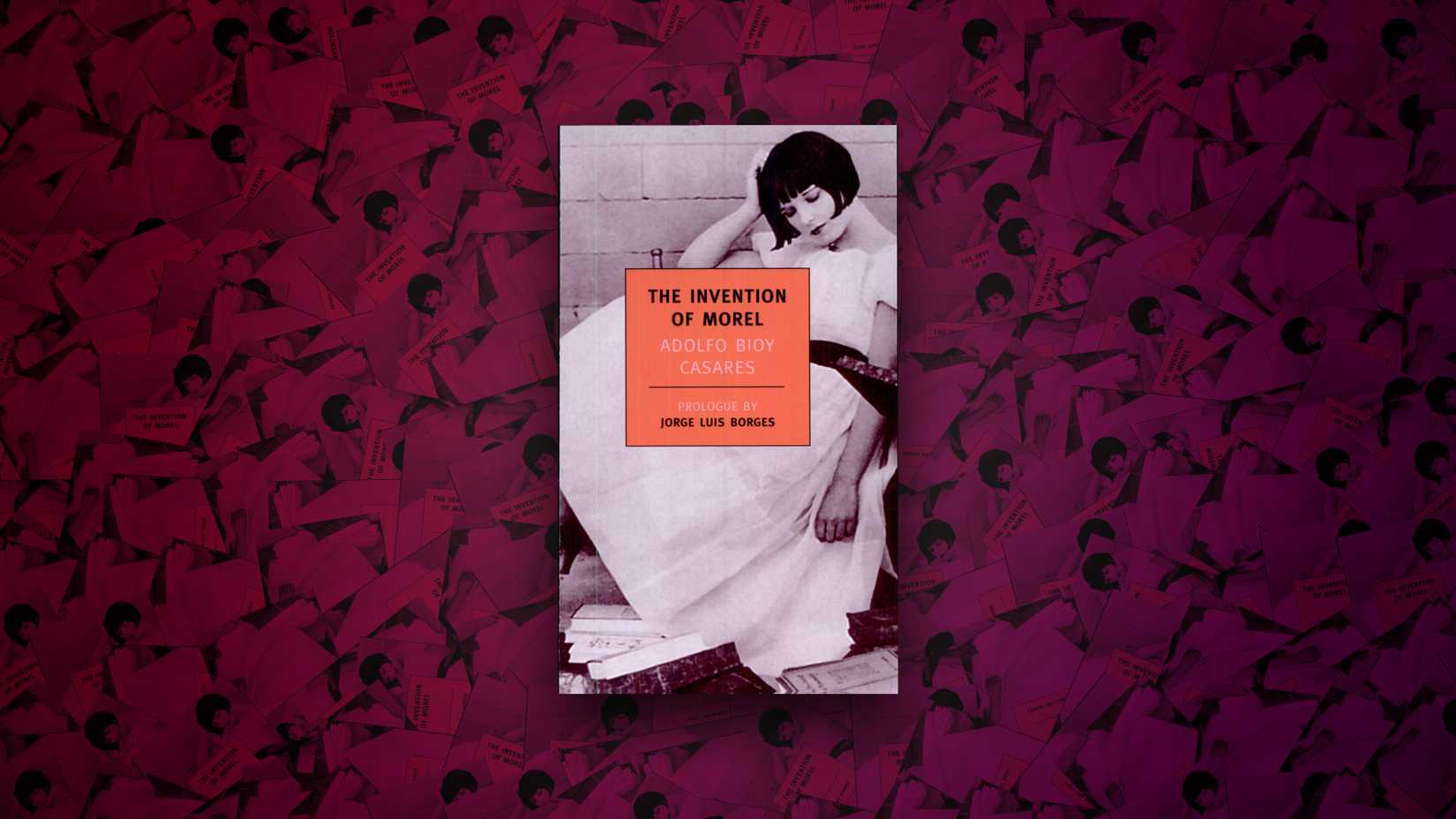
9. The Invention of Morel (1940) by Adolfo Bioy Casares
What happens when the people standing beside you are merely ghosts of light, captured in an eternal, looping projection? This haunting premise drives Adolfo Bioy Casares’ 1940 novella, The Invention of Morel. The story follows a fugitive who arrives on an island thought to be abandoned, only to discover a mysterious group of tourists who behave like the "Hosts" in modern narratives such as Westworld. As he watches them, he stumbles upon a technological breakthrough that challenges our understanding of memory, mortality, and the nature of reality itself. Published well before the advent of modern virtual reality and simulation theory, Casares’ work remains an uncanny prediction of our contemporary obsession with preserving human experience. It serves as a stark reminder that a masterpiece does not require a sweeping cosmic canvas to leave a permanent emotional scar.
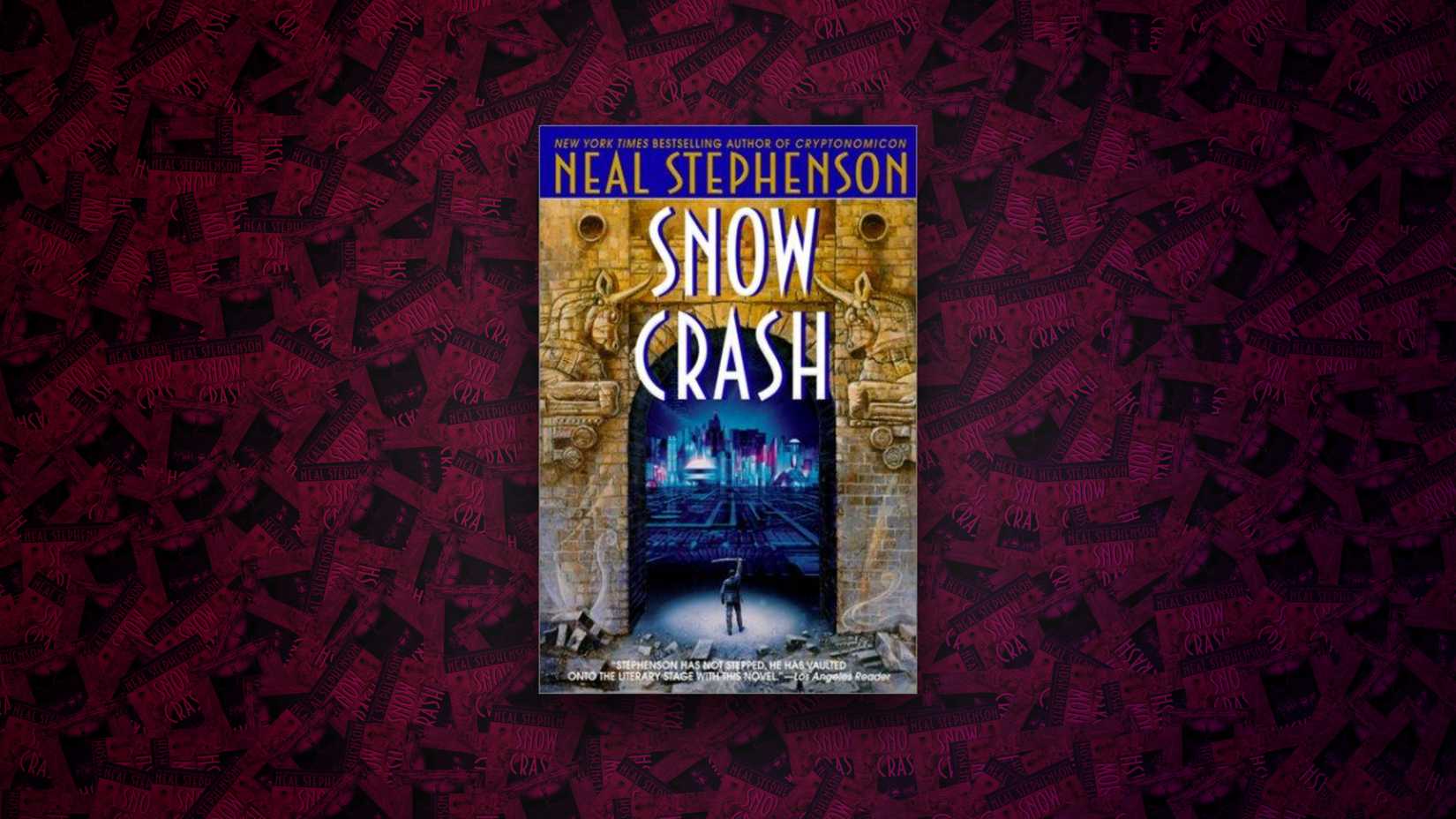
8. Snow Crash (1992) by Neal Stephenson
While Adolfo Bioy Casares explored the preservation of consciousness, Neal Stephenson took the concept of virtual existence and pushed it into a high-octane, cyberpunk future. Snow Crash follows Hiro Protagonist, a pizza-delivery driver and elite hacker, as he navigates a fragmented, corporate-run America. When he becomes embroiled in a conspiracy involving a digital drug that transcends the screen to infect the human brain, the narrative spirals into an exploration of Sumerian mythology and the architecture of language. Stephenson famously popularized the term "metaverse" in this novel, and even as its specific technological predictions have aged in varied ways, its portrayal of privatized infrastructure and societal fragmentation feels increasingly relevant. For fans of Cyberpunk 2077 or the aesthetic legacy of Blade Runner, this remains a seminal text of the genre.
7. We (1921) by Yevgeny Zamyatin
Published decades before the better-known dystopias of the mid-20th century, Yevgeny Zamyatin’s We established the fundamental blueprint for the modern dystopian novel. Set in a society where life is governed by strict mathematical precision, the story follows D-503, a citizen living under the totalizing authority of the "One State." In this world, individuality is surrendered to the collective, and even the architecture—made of glass to ensure constant visibility—is designed to eradicate privacy. Zamyatin’s brilliance lies in making this world feel both absurd and frighteningly logical. Written in the immediate aftermath of the Russian Revolution, the book was seen as such a threat that it was banned for decades. Today, it stands as a testament to the power of science fiction when it is wielded as a tool of political dissent.
6. Ubik (1969) by Philip K. Dick
Philip K. Dick was a master of turning the camera inward, and Ubik represents perhaps his most disorienting achievement. Set in a hyper-capitalist 1992 where corporate espionage is handled by telepaths and "inertials" who work to block them, the story takes a sharp, surreal turn after an explosive ambush on the Moon leaves the characters questioning their own reality. Dick’s novel effectively bridged the gap between mid-century speculative fiction and the simulation-theory classics that would define the late 20th century. By treating mundane commercialism as a divine or terrifying force, Dick laid the groundwork for everything from The Matrix to Satoshi Kon’s Paprika. Ubik reminds us that the most daunting frontier in science fiction is not the deep reaches of space, but the fallible human mind.

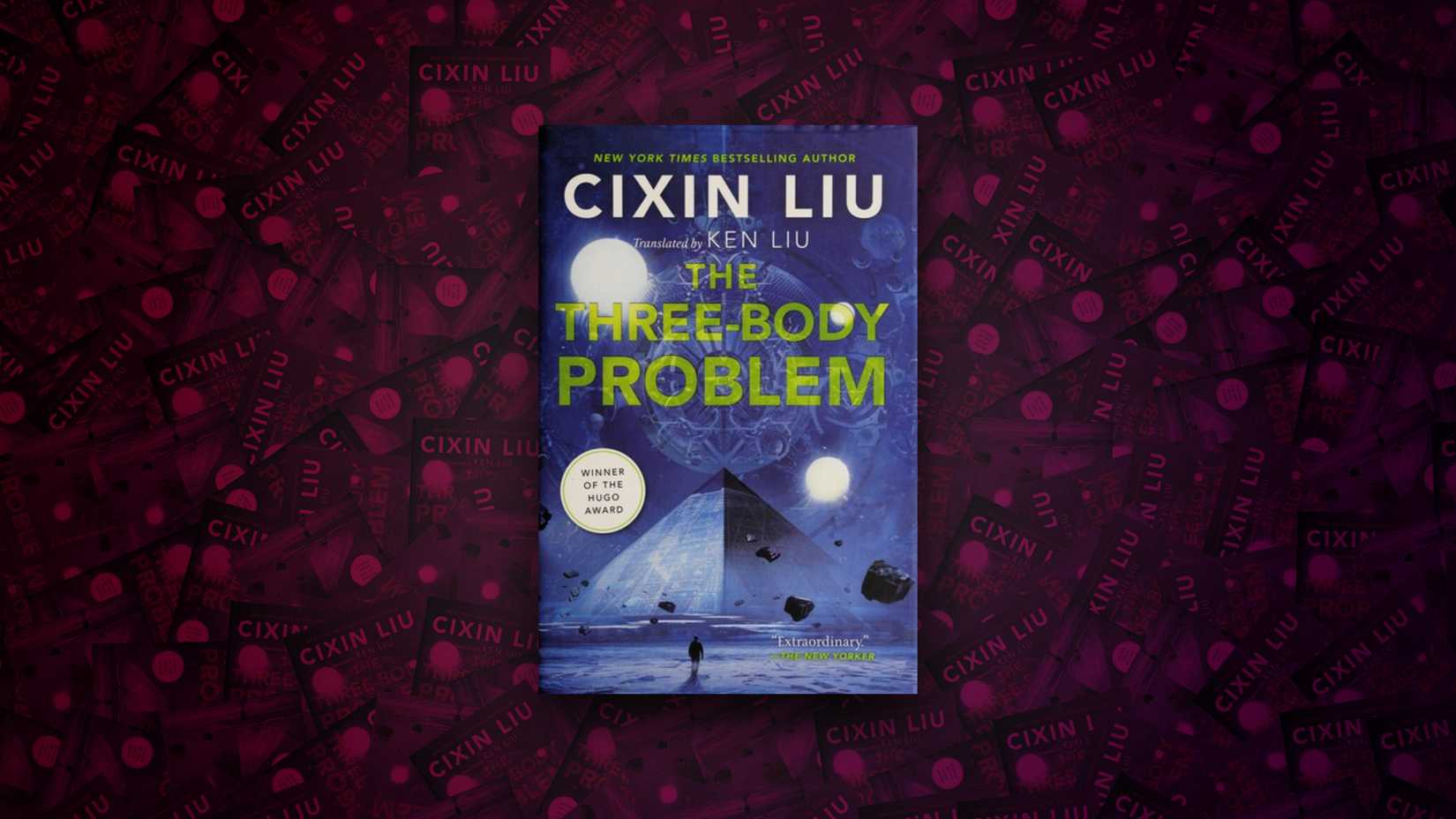
5. The Three-Body Problem (2008) by Liu Cixin
First contact is a staple of science fiction, but where authors like H.G. Wells focused on terror and Carl Sagan on wonder, Liu Cixin takes a colder, more cosmic approach. The Three-Body Problem asks what humanity’s place in the universe might look like if we were confronted with a civilization governed by laws of physics we barely comprehend. Beginning during the chaos of China’s Cultural Revolution, the novel expands into a grand scientific mystery that eventually shifts the scale of the narrative until humanity itself becomes a minor player in a much larger, more dangerous game. By combining theoretical physics with an uncompromising, grand-scale perspective, Liu helped usher in a new era of international appreciation for Chinese science fiction.
4. A Canticle for Leibowitz (1959) by Walter M. Miller Jr.
Tracing the efforts of the monks of the Albertian Order of Leibowitz as they preserve the remnants of human knowledge after a global nuclear catastrophe, A Canticle for Leibowitz is a haunting meditation on the cyclical nature of history. Divided into three eras separated by centuries, the novel watches as humanity climbs out of a dark age, rediscovers the technology that destroyed them, and begins the march toward the next inevitable disaster. Miller, a veteran who witnessed the destruction of the Monte Cassino monastery during World War II, infused the story with both dark humor and a profound sense of warning. It remains one of the most powerful critiques of human folly and the persistent, often tragic, drive to rebuild what we have already proven we cannot manage.

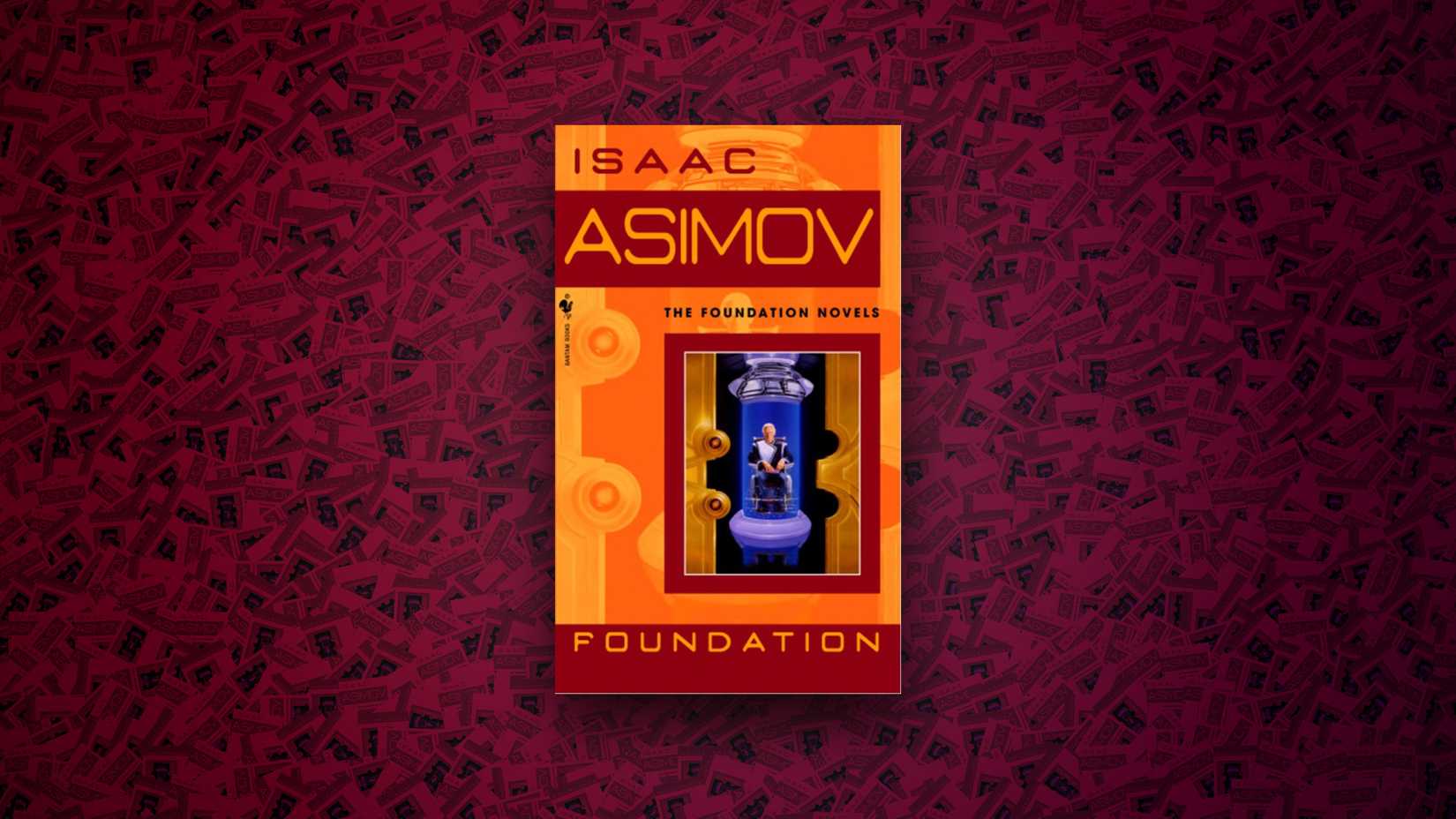
3. Foundation (1951) by Isaac Asimov
Isaac Asimov’s Foundation is arguably the quintessential space opera, a work of such scale that it treats the rise and fall of galactic empires as a mathematical certainty. The story introduces the concept of "psychohistory," a science developed by Hari Seldon to predict the future of large populations. Seldon realizes that the Galactic Empire is destined to collapse into a long dark age, and he sets out to shorten that period by guiding the course of human development through a series of carefully planned crises. The novel is less about individual heroes and more about the historical, economic, and political forces that shape civilizations. Its influence on the genre is immeasurable, providing a template for grand-scale worldbuilding that has inspired generations of writers.
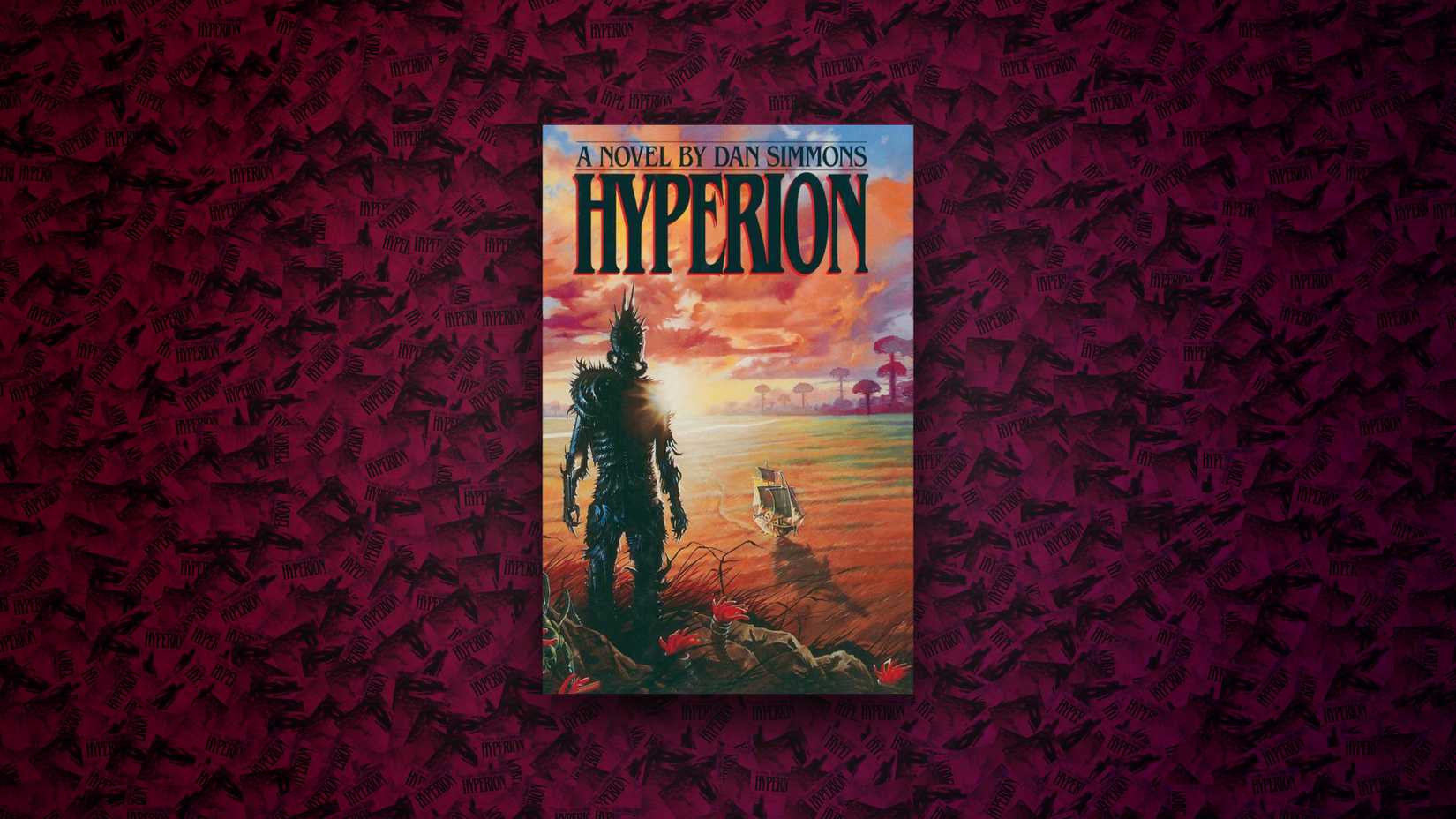
2. Hyperion (1989) by Dan Simmons
Dan Simmons utilized an unconventional structure for Hyperion, modeling his narrative after The Canterbury Tales. The story follows seven pilgrims on a final, fatal journey to the Time Tombs on a dying world. As they travel, each pilgrim recounts their personal history, allowing Simmons to pivot between various subgenres—from detective noir to military fiction—within the same volume. The result is a narrative that feels massive, revealing corner after corner of a richly imagined, terrifying universe. By focusing on the disparate lives of his characters—a grieving scholar, a tormented priest, a cynical poet—Simmons creates an anthology that serves as an interrogation of humanity’s most profound fascinations, rather than relying on the conventional space-battle tropes of the era.
1. The Left Hand of Darkness (1969) by Ursula K. Le Guin
Ursula K. Le Guin’s masterpiece is one of the few novels that can fundamentally alter a reader’s perception of the world. Set on the frozen planet of Gethen, the story follows Genly Ai, an envoy from an interstellar confederation tasked with inviting the planet’s nations into a peaceful alliance. His mission, however, is complicated by his own prejudices and the cultural divide between him and the Gethenian statesman Estraven. Le Guin’s genius lies in her construction of a society without rigid gender roles, a thought experiment that strips away millennia of gender-driven assumptions. Beyond its critique of gender, the novel is a timeless meditation on the difficulty of connection, the nature of nationalism, and the effort required to love someone whose worldview stands in direct opposition to our own. It remains, perhaps more than any other work, a masterclass in how speculative fiction can reveal the essence of humanity by stripping away the biases of our daily lives.