In a significant escalation of international efforts to curb the flow of illicit capital into Russia, the United Kingdom has imposed sweeping economic sanctions against Cryptomus, a volatile and "chameleonic" cryptocurrency platform. Long suspected by cybersecurity experts of serving as a primary conduit for ransomware payments, drug trafficking, darknet market transactions, and sophisticated cybercrime services, the platform has become a focal point for global regulators attempting to dismantle the infrastructure that allows Moscow to circumvent Western financial restrictions.
The sanctions, formally issued on October 8, 2026, represent a direct hit to a digital ecosystem that has proven remarkably resilient to previous regulatory attempts. By freezing any assets held by Cryptomus within British banks and prohibiting U.K.-based entities from providing the platform with business services—whether virtual or physical—the British government has effectively cut off a vital artery for the platform’s operations. The U.K. action also targeted several other associated virtual payment services, including VexPay, TokenSpot, and the Tsunami Payments service, signaling a broader strategy to disrupt the entire network of processors facilitating Russian wartime financing.
A Pattern of Evasion and Rebranding
Cryptomus has established a reputation for being remarkably slippery, shifting its identity multiple times since its emergence in 2022. Previously operating under the names Certa Payments and Xeltox Enterprises, the platform has consistently adapted to avoid detection and regulatory scrutiny. Most recently, following a record-breaking CAD $176 million fine levied by Canadian authorities in 2025 for severe anti-money laundering (AML) violations, the platform pivoted to a new brand, "Heleket," in a transparent attempt to distance itself from its troubled history.
This rebranding strategy is not merely cosmetic; it is a fundamental part of the platform’s survival mechanism. As documented in a December 2024 investigation, "How Cryptocurrency Turns to Cash in Russian Banks," Cryptomus functioned as a central payment hub for dozens of underground Russian cryptocurrency exchanges and websites dedicated to selling cybercrime-as-a-service. The platform’s ability to remain operational despite repeated regulatory interventions has made it a case study in the difficulties of policing borderless, decentralized finance.
Blockchain analytics firm Chainalysis noted that the U.K. sanctions are specifically designed to dismantle the broader, hidden infrastructure that supports Russia’s wartime economy. In a blog post released on the day of the sanctions, Chainalysis underscored the scale of the operation, stating, "Cryptomus and Heleket have emerged as major payment hubs for illicit activity. Together, these services received more illicit funds across tracked categories than the mixers in our dataset, and the number of illicit counterparties surged to more than 900 in a single month in late 2025."

The Limits of Fines and the Necessity of Sanctions
For years, investigators like Richard Sanders have meticulously mapped the payment infrastructure of Cryptomus. Sanders, who has spent months analyzing the platform’s behavior and transacting with its user base, argues that the U.K.’s move is a necessary evolution in regulatory policy. He points out that the previous Canadian fine, while historic in its monetary value, proved to be largely unenforceable and uncollectible.
"A fine doesn’t stop a cryptocurrency payment processor from processing payments," Sanders wrote in a recent LinkedIn post. "Sanctions kill the operation. The distinction matters."
The persistence of the platform was clear even after the Canadian fines were issued. Despite the record-setting penalty, Cryptomus appealed the decision, launched the parallel Heleket service to continue operating under a different name, and maintained its high volume of high-risk transactions. According to TRM Labs, a blockchain intelligence firm, Cryptomus had processed more than $7 billion in total transaction volume since its inception. This volume included payments linked to the most heinous categories of cyber-facilitated crime, including the sale of child sexual abuse material, the financing of international terrorist networks, and human trafficking operations.
TRM Labs’ data revealed that the platform’s transaction volume did experience a temporary decline when it was forced to implement "Know Your Customer" (KYC) requirements. However, the subsequent launch of Heleket, which deliberately marketed itself as a "no-KYC" payment processor, allowed the platform to regain its footing and continue servicing clients who sought to avoid identification.
The "Five Eyes" Precedent
The October 8 sanctions are being viewed as a landmark moment in international law enforcement, particularly within the intelligence-sharing "Five Eyes" alliance, which includes Australia, Canada, New Zealand, the United Kingdom, and the United States. Analysts suggest this is the first documented instance of a Five Eyes nation sanctioning a cryptocurrency entity that was incorporated within another Five Eyes jurisdiction. This development underscores a newfound willingness among Western governments to bypass traditional, often slow, legal avenues in favor of direct economic intervention against platforms that exploit jurisdictional gaps.

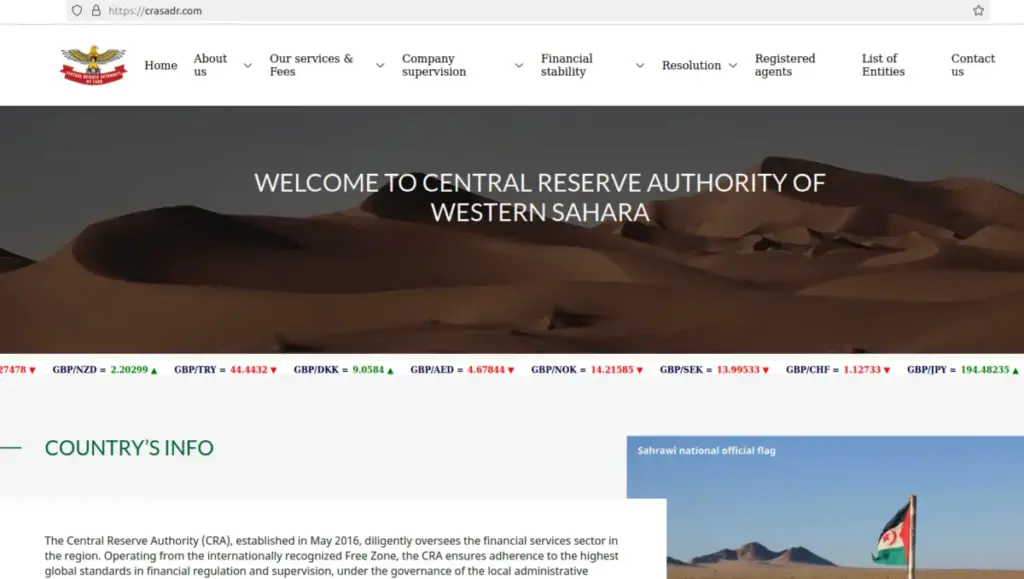
The complexity of the platform’s origins remains a testament to the sophistication of its operators. Previous investigations have traced the ownership of Cryptomus’s parent company, Certa Payments, back to a 25-year-old Ukrainian national who reportedly held leadership roles in several other companies. One of these, the WS Management and Advisory Corporation, describes itself as a regulatory body overseeing licenses for cryptocurrency and foreign exchange businesses based in the Western Sahara—a region that lacks widespread recognition as a sovereign state.
This "regulatory" facade was further bolstered by the creation of the Central Reserve Authority of the Western Sahara. The entity’s website, crasadr.com, served as a clearinghouse for licenses granted to a variety of questionable financial and online gaming businesses. Investigations discovered that Certa Payments’ own digital infrastructure, including its website, shared hosting servers with the domain belonging to this phony regulatory body. This circular structure—where a company creates its own regulator in a disputed territory to provide a veneer of legitimacy—has been a hallmark of the sophisticated, albeit fraudulent, business model employed by Cryptomus.
The Impact on the Ground
The immediate aftermath of the U.K. announcement appeared to cause significant disruption to the platform’s operations. On October 8, users attempting to access the Cryptomus support bot on Telegram were met with automated messages stating that the platform was suddenly unable to process transactions. This follows a long history of the platform claiming, often in direct contradiction to clear evidence, that it has no affiliation with the brands or services it is alleged to control.
As the U.K. and its allies continue to tighten the net around these entities, the case of Cryptomus serves as a stark reminder of the intersection between digital asset volatility and state-sponsored evasion. While the platform has proven adept at rebranding and migrating its operations, the shift from civil fines to direct, multinational sanctions marks a new phase in the global effort to force transparency onto the dark corners of the cryptocurrency market. For now, the "Heleket" support bots and the associated payment gateways remain largely shuttered, marking a tangible, if temporary, victory for international financial integrity.