




The landscape of American television is littered with the ghosts of failed British adaptations. For decades, networks have looked across the Atlantic, hoping to capture the lightning-in-a-bottle success of UK cult classics, only to see those projects fizzle out under the weight of cultural dissonance. Often, the dry, nuanced wit of British humor—which relies heavily on subtlety and social awkwardness—fails to translate to the more fast-paced, high-energy environment of American network television. Other times, the adaptation is so painfully slavish to the source material that it feels redundant, leaving audiences wondering why they shouldn’t just watch the original instead.
The failure of the U.S. version of Gavin & Stacey serves as a textbook example of this disconnect. It was an experience that felt inherently "cringe-worthy," failing to replicate the organic warmth and specific regional charm that made the original such a beloved staple in Britain. However, every so often, a production arrives that manages to strike the elusive balance: respecting the fundamental DNA of the original premise while finding the creative freedom to forge its own identity.
One such success story is the CBS sitcom Ghosts. Originally a BBC series created by the brilliant ensemble behind Horrible Histories, the concept seemed like a massive gamble for a mainstream American network. Yet, against the odds, it has not only survived but thrived, proving that the right creative vision can bridge the gap between British sensibilities and American broadcast expectations. For those who have yet to experience this comedic gem, it is currently available to stream for free on Pluto TV, offering a perfect entry point into a world where the living and the dead must learn to coexist.

From British Cult Hit to American Broadcast Staple
The original Ghosts series, which premiered in the UK in 2019, was an immediate hit, largely due to the seamless chemistry of its core cast. Mathew Baynton, Simon Farnaby, Martha Howe-Douglas, Jim Howick, Laurence Rickard, and Ben Willbond—who created and starred in the show—brought a decade of collaborative history from their work on Horrible Histories. This level of professional intimacy created a shorthand in their acting that seemed impossible to replicate.
When showrunners Joe Port and Joe Wiseman took on the task of adapting the series for CBS in 2021, the challenge was clear: how do you manufacture that level of history? Critics and fans alike were initially skeptical. The BBC original was a masterclass in ensemble comedy, and the prospect of a U.S. network trying to recreate that magic felt like a recipe for disaster.
However, the CBS version of Ghosts quickly proved that it was interested in more than just a carbon copy. While the premise remains identical—a young couple inherits a sprawling, dilapidated mansion only to discover it is inhabited by a motley crew of spirits from various historical eras—the execution took a sharp turn toward something distinctly American. The series has grown into a juggernaut, earning a second season just months after its debut and currently looking toward a sixth season in early 2027. It has become a rare example of a long-running sitcom that shows no signs of slowing down, having successfully built a loyal fanbase that spans both sides of the Atlantic.

Charting a New Path Through Creative Expansion
The most significant differentiator between the two versions is the sheer scope of the storytelling. The BBC original typically operated on a tighter, more concentrated narrative scale, with its first season consisting of only six episodes. In contrast, the CBS version was built for the grind of the American broadcast model, starting with an 18-episode order. This shift in scale necessitated a shift in structure; the U.S. show couldn’t simply rely on the slow-burn pacing of the UK version. It had to develop its characters and plotlines at a faster clip, which ultimately forced it to carve out its own path.
The protagonists themselves offer a clear window into how the show adapted to its new environment. Rose McIver’s Samantha and Utkarsh Ambudkar’s Jay are not the same working-class, struggling couple found in the original BBC series. While Alison and Mike were driven by a desperate need for housing and a sense of financial precarity, Sam and Jay are portrayed as upwardly mobile city dwellers looking to escape the hustle of urban life. This change in social status changes the dynamic of the show; they are not just trying to survive in their new home, they are trying to transform it into a business venture, which creates a different set of comedic frictions between them and the ghosts.
A Cultural Tapestry of the Undead
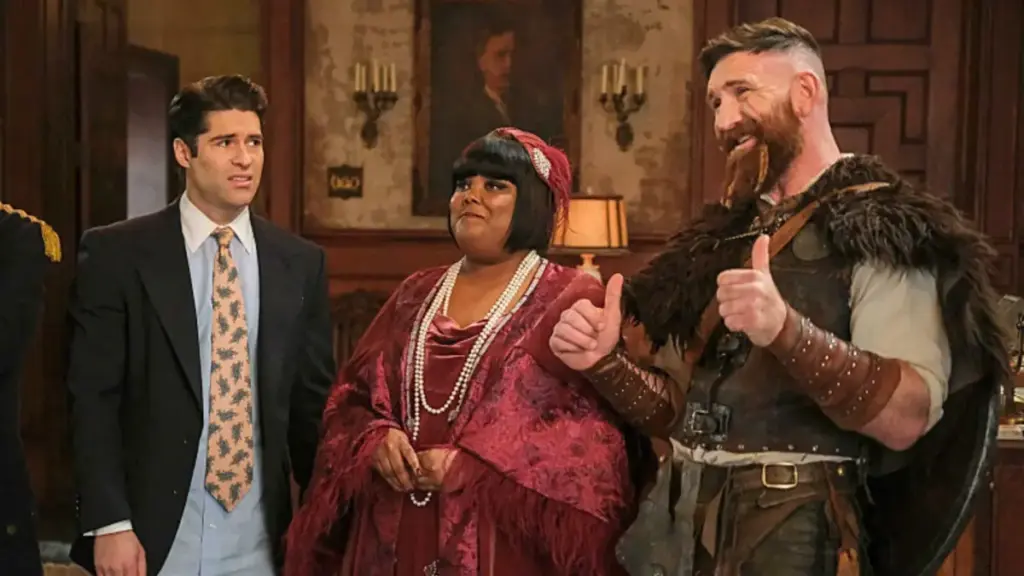
The ghosts themselves are, of course, the heart and soul of the franchise. In the UK version, the characters are deeply rooted in British history—the uptight Regency lady, the disgraced politician, and the prehistoric caveman. The U.S. adaptation takes this archetypal structure and injects it with a distinctly American flavor. Instead of the specific, localized history of a British manor, the CBS show populates its mansion with figures who represent the American experience: Prohibition-era socialites, soldiers from the American Revolutionary War, and even members of 1960s-era cults.
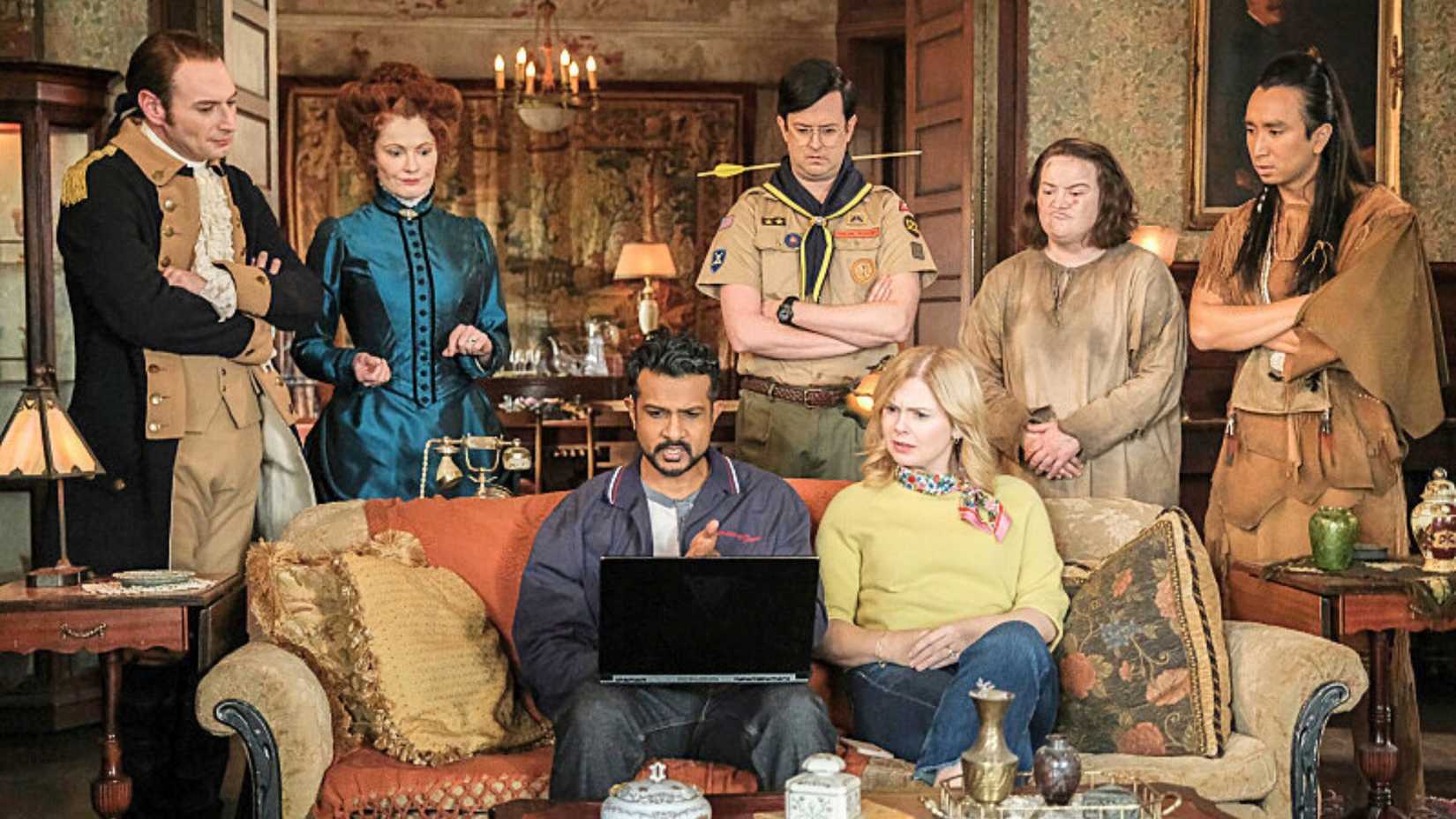
This is where the genius of the adaptation lies. It retains the "safety" of the original’s character archetypes while allowing for new historical contexts that feel fresh. Rebecca Wisocky’s performance as Lady Henrietta Woodstone is a prime example. While she clearly functions as a parallel to the original’s Lady Fanny Button, she is not merely a mimicry. As the show has progressed, Henrietta has evolved into a fully realized character with her own specific baggage and motivations, distinct from her British counterpart. Similarly, the character of Thorfinn—a Viking from Norway—brings a different kind of intensity compared to the original’s caveman, Robin. By leaning into these differences, the U.S. version creates characters that feel like an evolution rather than a translation.
Ghosts Stays True to the Source Material Where It Matters
Despite the changes in tone, setting, and cultural reference points, the U.S. adaptation of Ghosts succeeds because it remains anchored to the core themes that made the BBC original special. The show understands that at its heart, this isn’t just a series about hauntings; it is a series about the human experience. The living couple acts as a necessary bridge for the audience, providing a grounding, relatable reality that highlights the absurdity of the spirits.
More importantly, the show masterfully explores the "family" aspect of the sitcom. The ghosts begin as antagonistic entities—supernatural pests who view the living as intruders in their eternal sanctuary. However, as the seasons progress, we see them undergo a transformation. They learn to embrace the chaos the living bring into their lives, and in doing so, they become a found family. This emotional arc is what elevates Ghosts from a standard supernatural comedy to something far more poignant.
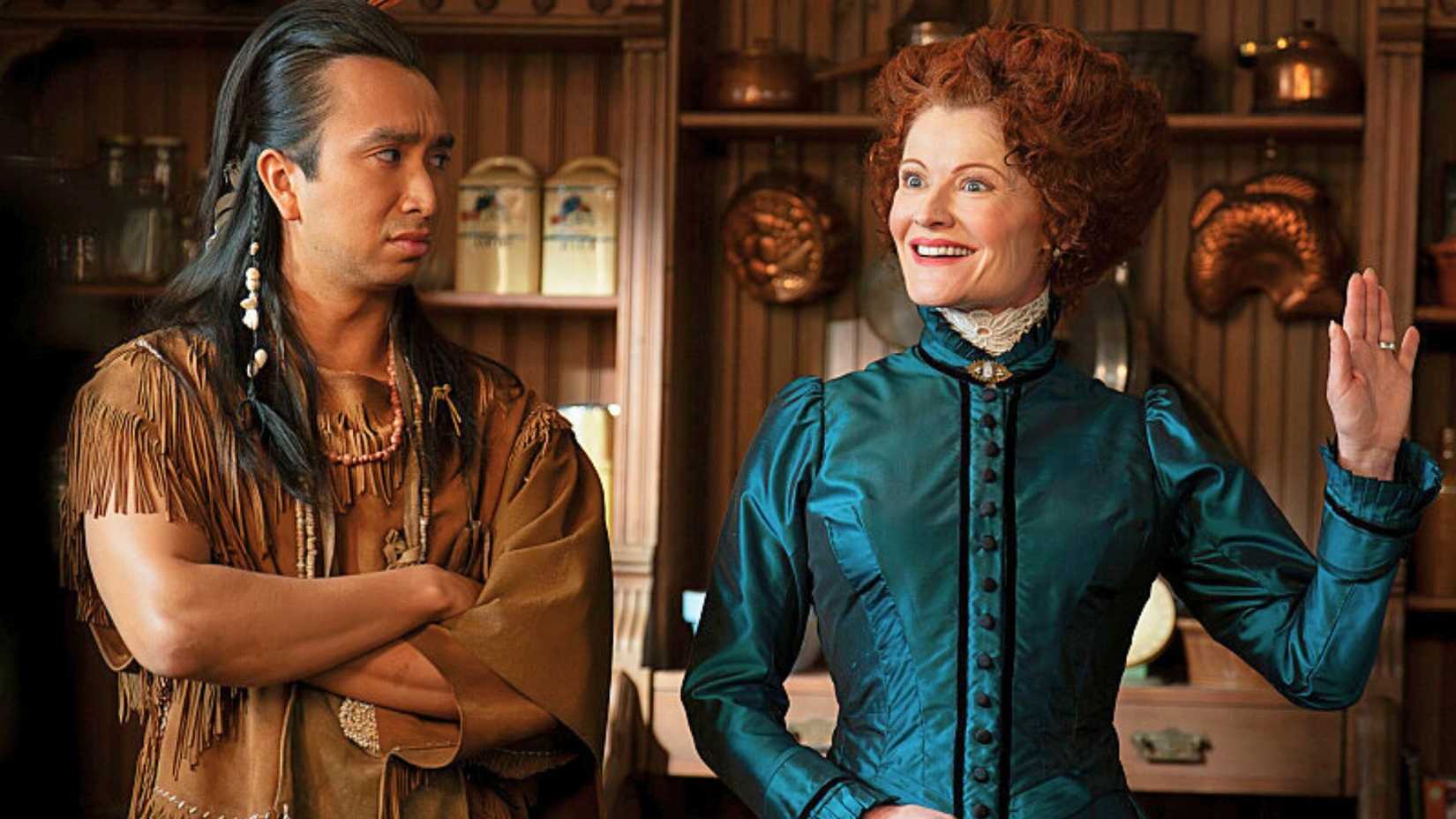
By refusing to lose sight of these essential human themes, showrunners Joe Port and Joe Wiseman have elevated the adaptation from a potentially lackluster attempt at a remake into an extraordinary television event. It stands as a testament to the idea that successful adaptation is not about replicating the surface-level details of a hit show, but about understanding the emotional engine that drives it and allowing that engine to run on a new track. For viewers looking for a show that is as funny as it is heartfelt, Ghosts is a rare triumph in the crowded world of modern television.