Design platform giant Figma has officially unveiled a suite of new capabilities aimed at bridging the gap between design documentation and technical implementation. Announced during the company’s inaugural Config event held in India, these updates introduce a new Markdown-based editor and enhanced integrations with the Payload headless content management system. By providing a centralized space for design rules, libraries, and code, Figma is positioning its platform as the definitive "source of truth" for software teams, specifically designed to help both human designers and AI agents adhere to complex brand guidelines with greater precision.
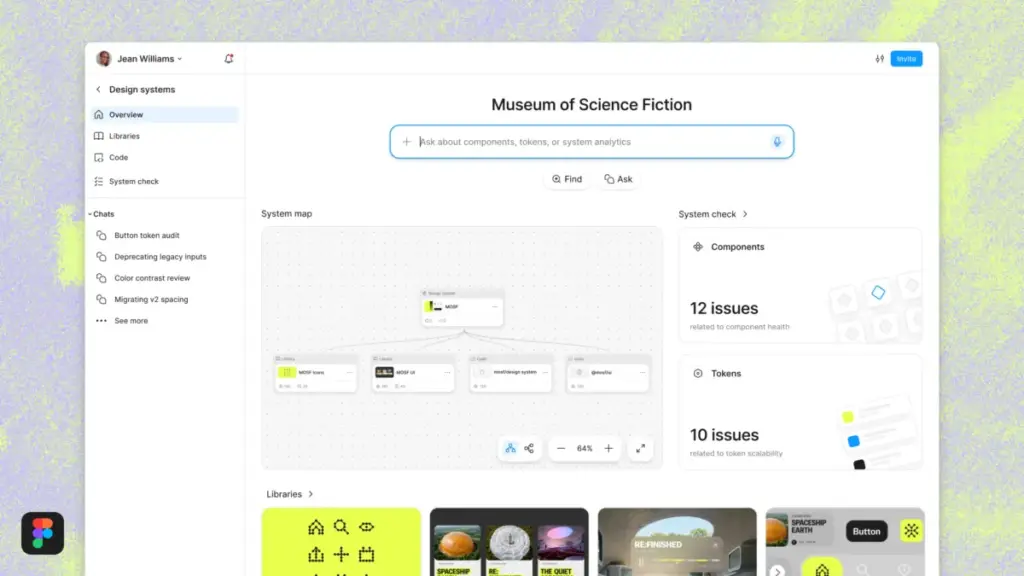
The centerpiece of this announcement is a new feature dubbed "Figma Specs." This tool introduces a robust Markdown editor directly into the Figma environment, allowing teams to codify their design language in a clear, accessible, and structured format. By enabling teams to define their brand rules within a document that serves as a living reference, Figma is tackling one of the most persistent challenges in digital product development: ensuring that design intent remains consistent across large-scale projects and throughout the iterative process.
Figma Specs is designed for flexibility, capable of existing as a standalone file within the platform or co-existing directly on the canvas alongside active design work. This dual functionality ensures that documentation is never far from the design itself. Beyond standard text editing, the feature allows users to create rich, interconnected documents by referencing Figma elements, embedding FigJam diagrams, integrating code layers, and linking to specific design assets. This creates a centralized hub where design systems, code libraries, and established guidelines live together, making it easier for human designers to stay aligned and for AI agents to retrieve the specific context they need to produce compliant, high-quality work.

Steering AI Toward Predictable Outcomes
The introduction of Figma Specs arrives at a critical juncture for the design industry. With the company recently expanding access to its "agent on canvas" feature to a broader user base, the challenge of maintaining brand integrity while leveraging generative AI has become more pressing than ever. AI models are inherently non-deterministic, often introducing variability that, while creative, can deviate from strict design systems or corporate visual identities.
Figma is positioning these new tools as a steering mechanism to mitigate that unpredictability. By grounding the AI in a well-defined, centralized repository of design rules—the Specs document—the platform aims to ensure that when a designer prompts an agent to create or iterate on a feature, the output is not merely a hallucination, but a response that respects the established design language.

This focus on bridging the gap between design and development was further underscored by the public beta launch of Figma’s "code layers" feature. Originally announced in a private beta earlier this summer, code layers bring the ability to incorporate actual code into designs directly on the canvas, fostering more interactive and functional prototyping. During the India event, the company emphasized that this tool is not just for viewing; it is a collaborative workspace where users can ask an AI agent to transform a visual design into functional code or modify existing code to iterate on a prototype. This fluidity between visual design and technical execution represents a significant shift in how Figma envisions the design-to-development pipeline.
Rethinking the Role of Code in Design
During her keynote address, Figma’s chief design officer, Loredana Crisan, highlighted the evolving nature of the software development lifecycle in the age of AI. "We see Figma as the place where software teams come to decide what they build and ship," Crisan noted, reflecting on the transformative impact of AI on the productivity of engineering teams.
Crisan pointed to a curious discrepancy in modern software production: while the volume of code being generated has surged—with teams producing approximately 17 times more lines of code than in previous years—the actual number of product releases has only increased by a factor of 1.3. This gap suggests that much of the modern output is not necessarily intended for final production, but rather functions as a tool for exploration and discovery. "A lot of that code actually is not necessarily built to ship, but really built to discover what the product is. It’s built to design," she explained. By aligning the design platform more closely with the code, Figma aims to capture this exploratory phase, allowing teams to move from conceptual design to shippable code with less friction.
The company is also leaning heavily into the Model Context Protocol (MCP) to broaden the utility of its platform. Figma announced that it is currently supporting over 20 new tools via MCP, including Open Code, Dia, Grok Bot, and the prominent Indian AI startup Sarvam. These integrations are designed to ensure that Figma’s ecosystem remains open and capable of communicating with a diverse range of third-party intelligence sources, further cementing its position as a central node in the modern software development stack.
Strategic Expansion into the Indian Market
The choice of India for the company’s first Config event outside of its traditional strongholds is a reflection of the country’s growing importance to Figma’s global strategy. Late last year, the company established its first physical office in India, focusing on sales, partnership development, go-to-market strategies, and product support. The region has since become the platform’s largest market in terms of user base outside of the United States.

Figma’s footprint in the Indian tech ecosystem is substantial, with the company reporting that its platform is currently utilized by 40% of the top 100 companies listed on the Bombay Stock Exchange. This high level of adoption underscores the platform’s necessity for the rapidly digitizing enterprise landscape in India.
Additionally, the company is doubling down on its commitment to the backend of the product development process through the integration of Payload, an open-source headless CMS that Figma acquired last year. By integrating Payload with "Figma Make"—the company’s product for generating dynamic websites—Figma is streamlining the process of content management, allowing designers to create prototypes that are not just visually accurate but also dynamically linked to content backends. This integration has seen significant traction, with Figma noting that downloads of the Payload CMS have increased sixfold over the past 12 months, signaling a strong demand from users for a more unified design-to-content workflow.
As the industry continues to grapple with the integration of AI into professional workflows, Figma’s strategy appears focused on providing the structural guardrails necessary for high-stakes creative work. By building a more cohesive environment where documentation, code, and design coexist, the platform is attempting to turn the promise of AI-assisted development into a reliable, enterprise-ready reality. With its growing focus on the Indian market and its deepening technical integrations, Figma is positioning itself to remain at the center of how the next generation of software is conceptualized, prototyped, and brought to market.