The Call of Duty franchise occupies a unique space in the cultural landscape of gaming. For over two decades, it has served as the industry’s reliable blockbuster—a juggernaut that, regardless of the year’s specific quality or setting, signaled the arrival of the holiday season. While the series has experienced its fair share of peaks and valleys, there was an era when the launch of a new Call of Duty was a genuine, cross-generational event. While it may not have commanded the same decade-long, breathless anticipation reserved for a title like Grand Theft Auto 6, the series reliably mattered in a way that few other franchises could replicate.
When Microsoft finalized its massive acquisition of Activision Blizzard, the gaming community’s expectations shifted overnight. A central tenet of the excitement surrounding this merger was the potential for the vast, storied library of Activision titles to find a new, permanent home on Xbox Game Pass. It seemed like a logical, almost inevitable conclusion: why would Microsoft invest such an unprecedented sum of money if not to leverage the immense back catalog of the Call of Duty series to bolster its subscription service? Yet, as we approach the October 23 launch of Call of Duty: Modern Warfare 4, that promise remains largely unfulfilled. The presence of the franchise on Game Pass has been remarkably thin, leaving many of its most defining and beloved entries trapped behind the barrier of individual purchase.

This oversight feels particularly glaring given the historical significance of the games that remain excluded. These titles did more than just sell units; they defined the evolution of the first-person shooter, introduced revolutionary multiplayer mechanics, and cemented the franchise’s reputation for cinematic excellence. As the community looks forward to the next installment, we take a look at eight essential Call of Duty games that are still conspicuously absent from the Game Pass library.
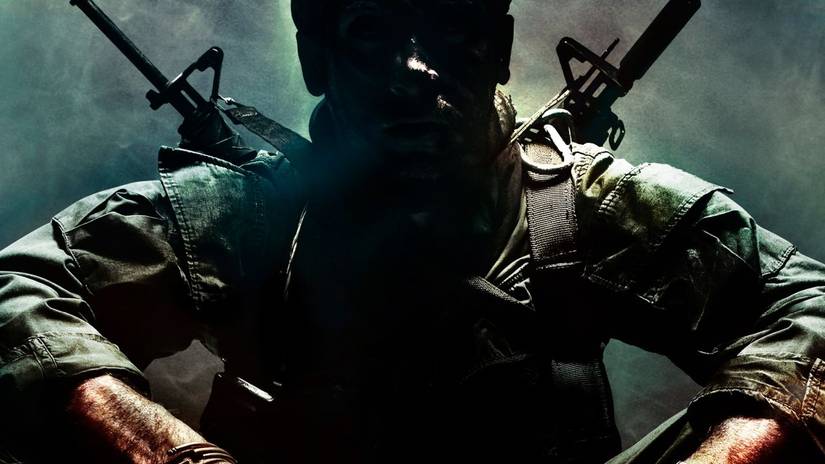
Call of Duty: Black Ops
Released on November 9, 2010, Call of Duty: Black Ops stands as a watershed moment for the franchise. Coming off the heels of the massive success of Modern Warfare 2, the pressure on developer Treyarch was immense. The studio responded by delivering a campaign that was as audacious as it was memorable. Black Ops pushed the boundaries of the series’ storytelling, featuring an energetic, globe-trotting narrative that included the infamous and surreal attempted assassination of Fidel Castro. It introduced players to a roster of characters that would eventually become synonymous with the franchise’s identity. Furthermore, it solidified the importance of multiplayer, giving the world the Nuketown map—a confined, chaotic arena that has since become an iconic fixture of the series. Its absence from the subscription service is not just an inconvenience; it is an injustice to one of the most vibrant entries in the studio’s history.
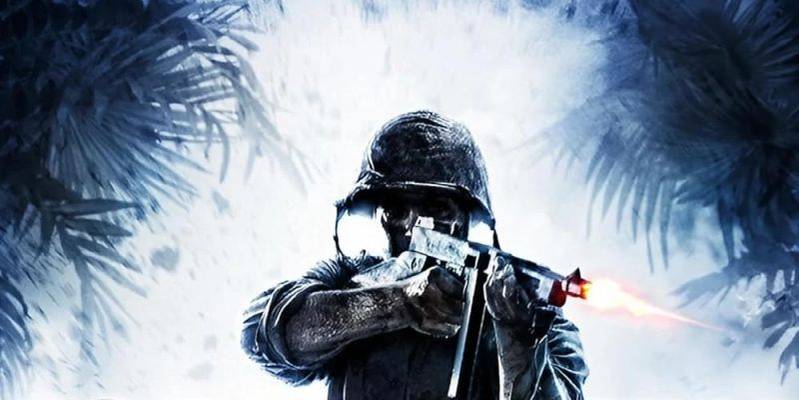
Call of Duty: World at War
For many long-time fans, Call of Duty: World at War (2008) is the title that truly established the modern identity of the franchise. While it masterfully returned to the gritty, visceral roots of World War II, its true legacy lies in the introduction of the Zombies mode. Treyarch’s gamble on a cooperative, wave-based survival mode was an immediate hit, so much so that it became a standard, expected component for virtually every subsequent title. Watching the mode evolve from a hidden easter egg into a pillar of the Call of Duty experience began here, with players frantically barricading windows and managing resources against endless, encroaching hordes. While 2017’s Call of Duty: WWII offers a more modern take on the conflict, the original, raw intensity of World at War remains unmatched and sorely missed on Game Pass.
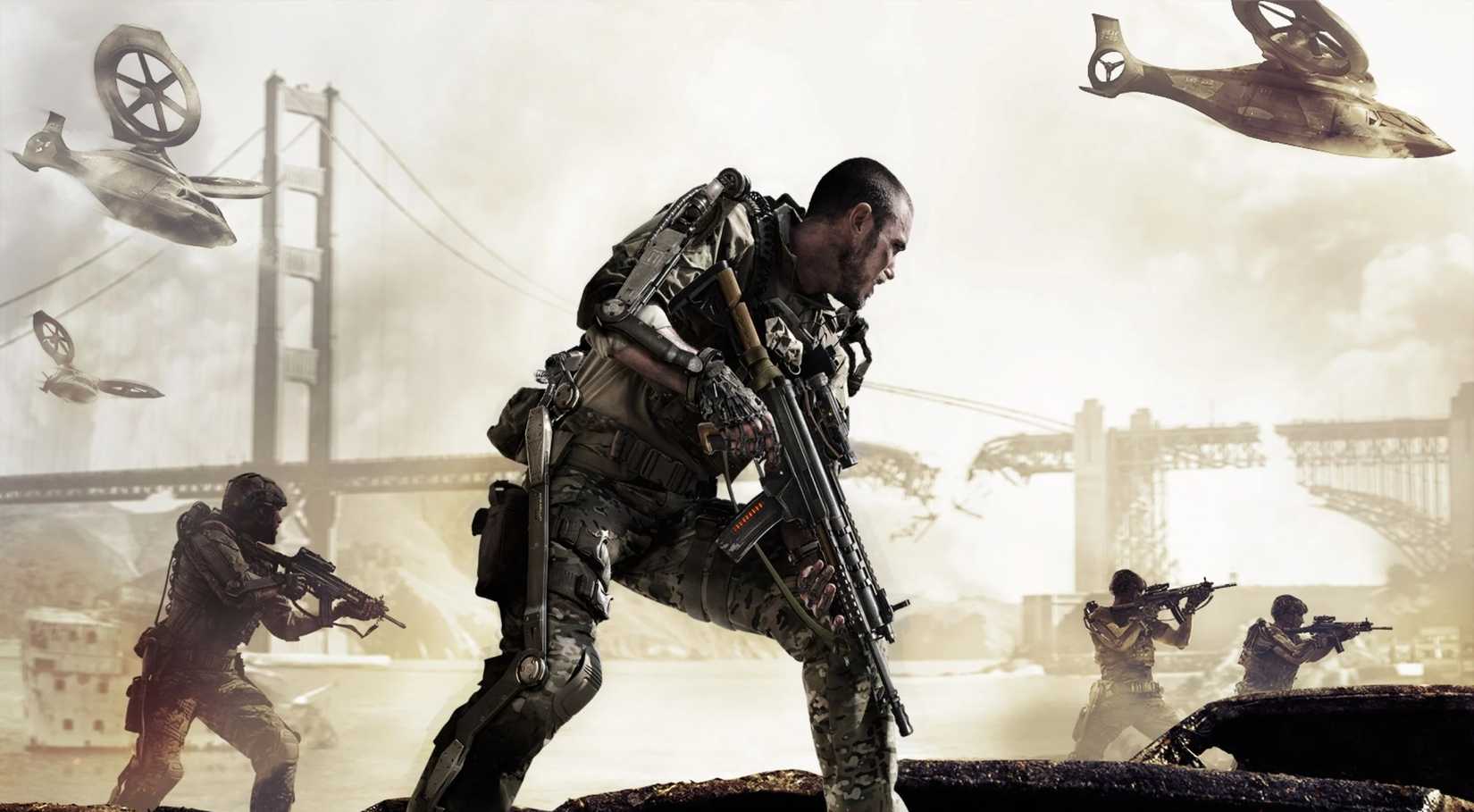
Call of Duty: Advanced Warfare
The 2014 release of Call of Duty: Advanced Warfare remains a cultural touchstone, if only for the proliferation of the "Press F to pay respects" meme. However, beneath the internet shorthand lies a campaign that dared to experiment with the series’ formula. Set in a future where private military corporations hold more sway than sovereign nations, the game featured a compelling, albeit over-the-top, narrative anchored by a performance from Kevin Spacey. It explored the dangerous intersection of private enterprise and global warfare, providing a level of cinematic intensity that pushed the franchise into new, futuristic territory. Modern players who have only experienced the more grounded entries of recent years are missing out on this high-octane experiment.
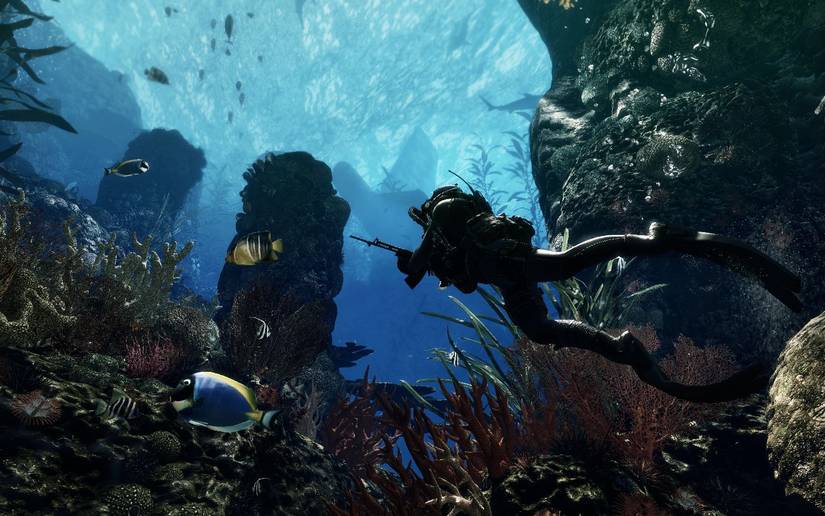
Call of Duty: Ghosts
Following the high-profile departure of studio heads Vince Zampella and Jason West, Call of Duty: Ghosts (2013) carried the heavy burden of proving that Infinity Ward still possessed the creative spark that had defined the series’ earlier successes. Developed alongside Neversoft and Raven Software, the game was a departure in tone, focusing on a more somber, desperate conflict. While it faced criticism for its pacing and map design, Ghosts provided a unique, gritty atmosphere that differentiated it from its predecessors. It serves as a reminder of a transition period for the studio, and while it may not be remembered as the franchise’s finest hour, it offered a distinct experience that deserves to be accessible to a new generation of players.
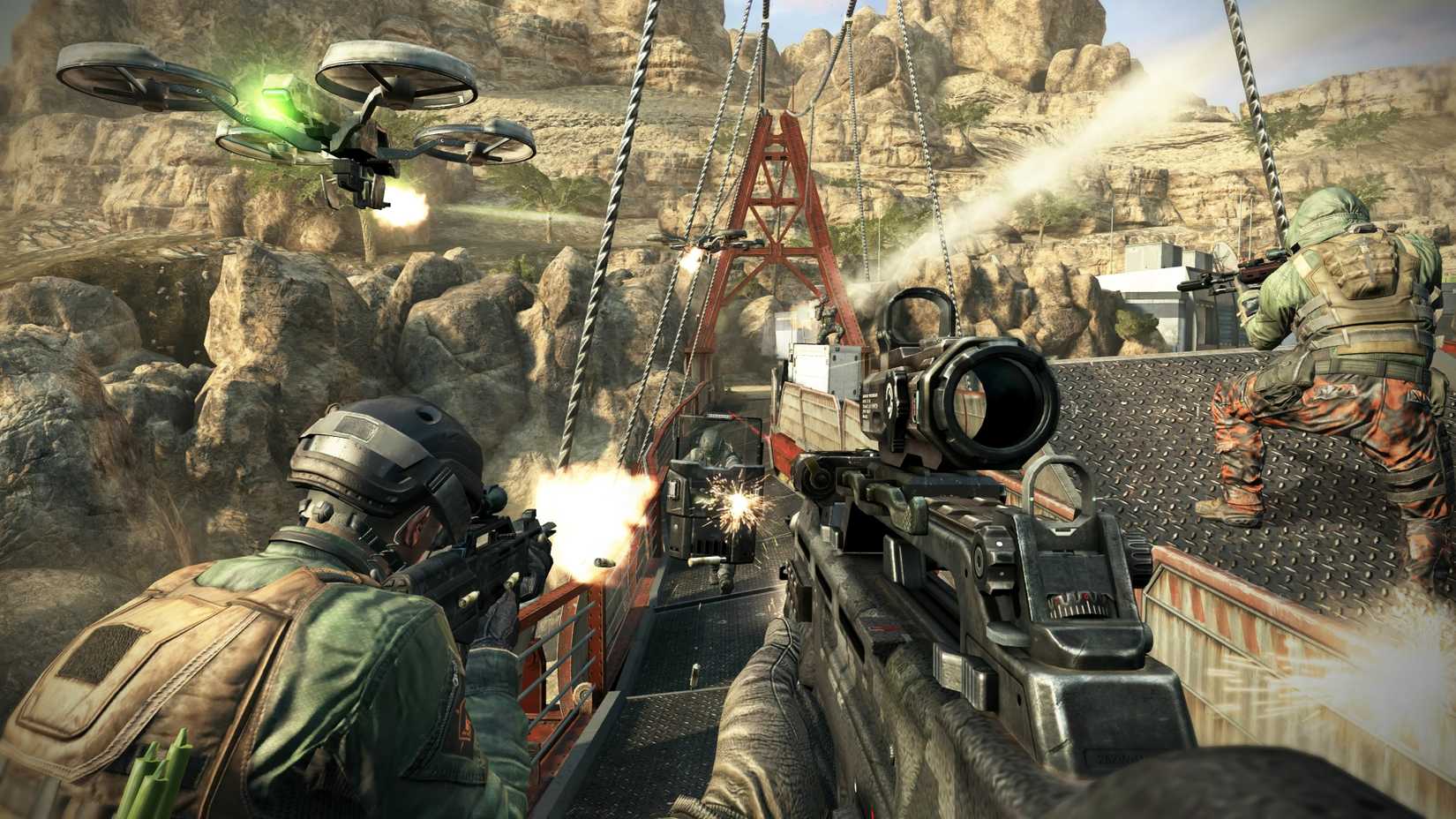
Call of Duty: Black Ops 2
Few games in the series are as ambitious or as fondly remembered as Call of Duty: Black Ops 2 (2012). It was a title that felt like a genuine leap forward, offering deep customization in multiplayer loadouts and a campaign that featured a branching narrative with multiple endings. The story, which spanned across time to explore the rise of the antagonist Raul Menendez, remains one of the most grounded and believable narratives the franchise has ever produced. Beyond the campaign, the game’s map pool—featuring classics like Raid, Hijacked, and Slums—remains a gold standard for multiplayer design. With its inclusion of the expansive "Mob of the Dead" and "Origins" DLC, Black Ops 2 represents a high-water mark that modern players deserve to experience in full.
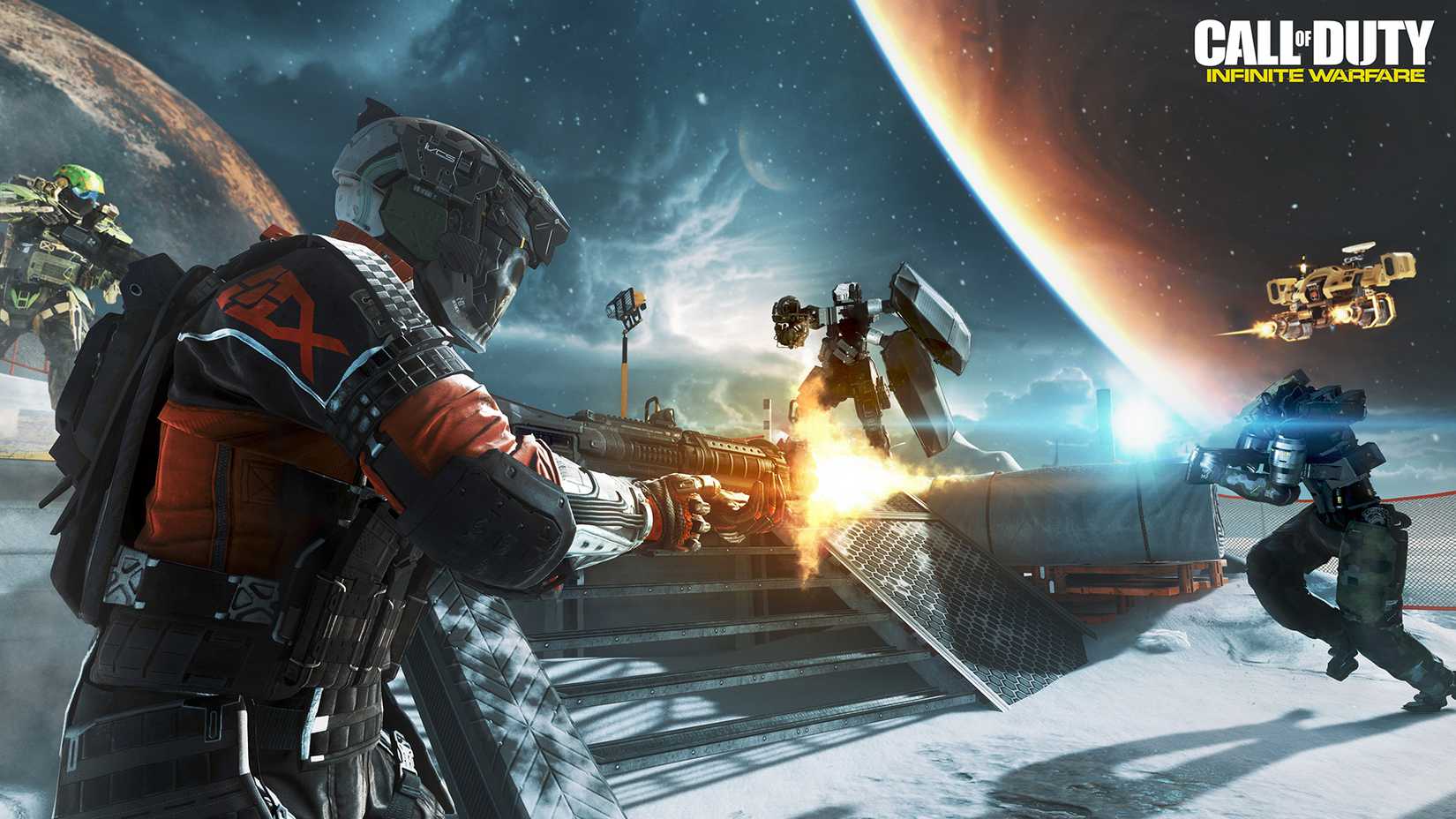
Call of Duty: Infinite Warfare
Released in 2016, Call of Duty: Infinite Warfare took the franchise to the literal stars. By shifting the conflict to outer space, Infinity Ward was able to introduce zero-gravity mechanics and massive, spectacle-driven battles that were fundamentally different from anything else in the genre at the time. The campaign was surprisingly intimate, featuring strong performances from Brian Bloom and Kit Harington that grounded the space-faring stakes in a relatable, human drama. Furthermore, the inclusion of Call of Duty: Modern Warfare Remastered in certain editions added immense value. For many, this was the last time a Call of Duty release felt like an absolute "must-play" event, and its continued omission from Game Pass is a significant disappointment.
Call of Duty: Modern Warfare 2 Campaign Remastered
If one were to ask a veteran player what the most iconic moment in the series was, many would point to the "No Russian" mission from the original Modern Warfare 2. The 2020 release of Call of Duty: Modern Warfare 2 Campaign Remastered was a welcome opportunity to revisit that dark, gut-wrenching narrative with updated, high-fidelity visuals. Beyond the controversy and the drama, the original game was a masterpiece of pacing, featuring the introduction of the Special Ops cooperative mode and an unforgettable, sweeping musical score composed by Hans Zimmer. To have such a classic, polished experience locked away when it could so easily be added to the Game Pass library is a missed opportunity to showcase the history of the series to a wider audience.
Call of Duty: Modern Warfare Remastered
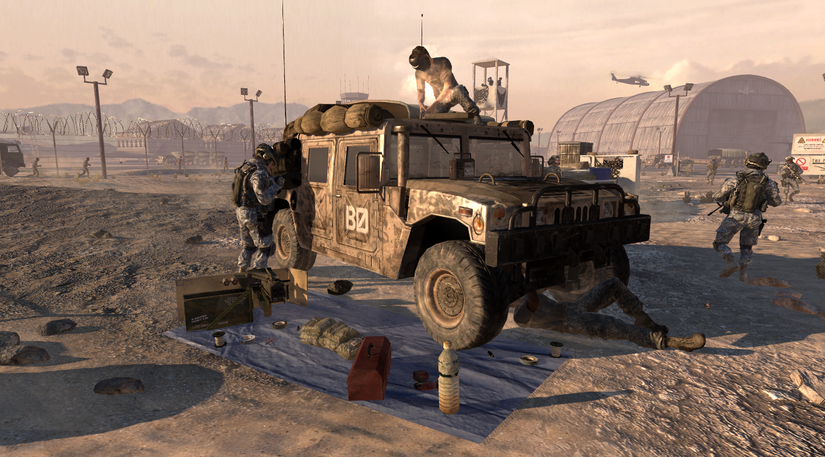
Finally, we arrive at the game that changed everything. The 2007 release of Call of Duty 4: Modern Warfare proved that the series could thrive outside of the constraints of World War II, moving the action into a modern, geopolitical theater that felt terrifyingly relevant. It was a masterclass in tension, surprise, and character-driven storytelling. The multiplayer was equally revolutionary, providing tight, focused maps that rewarded map knowledge and tactical positioning. When Modern Warfare Remastered launched in 2017, it brought that perfect experience into the modern era, preserving the heart of the original while stripping away the visual age. It remains, for many, the finest Call of Duty game ever produced. Its absence from Game Pass feels like the most significant gap in the service’s library, representing a piece of gaming history that continues to be essential for any fan of the first-person shooter genre.