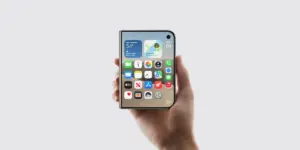











With the iPhone Duo officially available for preorder—and currently facing significant backorders stretching well into January—the tech world’s attention is already pivoting toward what lies ahead. The iPhone 18 Pro has been on store shelves for roughly a month, giving early adopters time to put the latest hardware through its paces. However, for those who missed the initial preorder window or are holding out for the next major leap in mobile technology, the 2027 release calendar is shaping up to be one of the most significant periods in recent Apple history.
Apple is poised to move forward with a dual-phase release strategy in 2027. This approach, which began to take shape with the shift in the iPhone 18 launch schedule, will see the company balance mid-cycle refreshes in the spring with a monumental flagship launch in the fall, specifically timed to coincide with the 20th anniversary of the original iPhone. As we look at the horizon, the strategy reveals a clear picture of how Apple intends to maintain its market momentum.

The Spring 2027 Wave
The spring of 2027 will mark a departure from traditional norms as Apple solidifies its new, split-release schedule. By introducing base-level models during the spring months, the company is effectively smoothing out its manufacturing and demand curves while ensuring that hardware cycles remain fresh throughout the year.

The standard iPhone 18, which is expected to arrive during this spring window, remains a subject of intense speculation. While details regarding the specific feature set are still being finalized by industry analysts, the most consistent reports point toward a significant boost in internal memory. Increasing the RAM capacity would allow the base model to better handle the intensive machine learning tasks that have become central to the user experience. Beyond the memory upgrades, thermal management is expected to be a primary area of focus. With modern mobile processors pushing higher performance envelopes, improved heat dissipation is essential for maintaining sustained speeds. Additionally, the device is slated to integrate the new Apple C2 modem, which should provide enhanced connectivity and power efficiency compared to its predecessors.
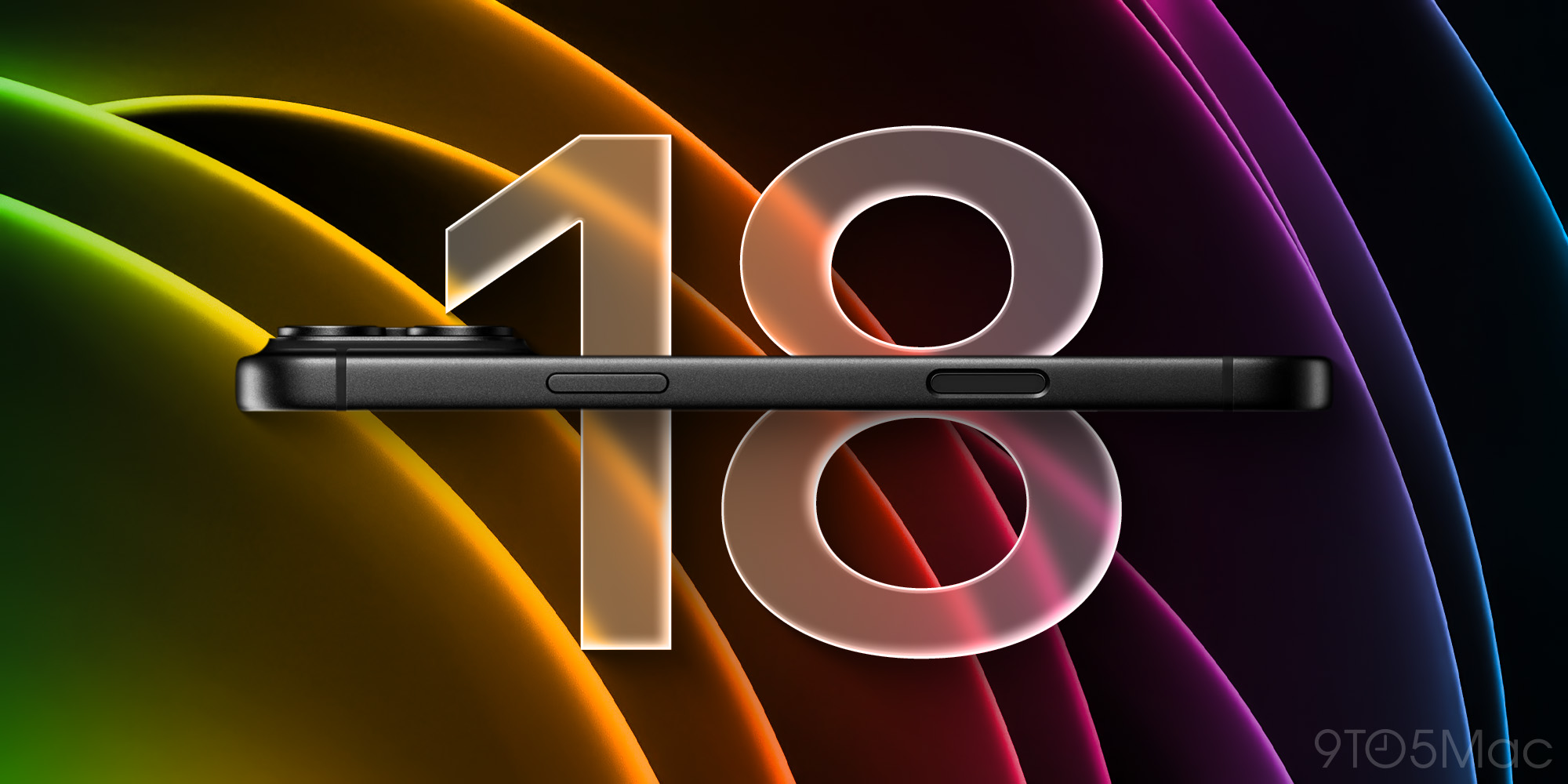
Design-wise, there is a strong possibility that the base iPhone 18 will undergo a aesthetic shift to align more closely with the visual identity of the iPhone 17 Pro and 18 Pro. While the exact contours are unknown, Apple has shown a consistent desire to unify its design language across the entire product stack. Under the hood, the device will be powered by the A20 chip. Given the recent price adjustments—with the base model climbing to $899 just last month—market watchers expect this price point to remain stable as Apple continues to position its standard offerings in the premium tier.
Alongside the primary iPhone 18, the company is expected to debut the iPhone 18e. Industry reports suggest that this model will function as a performance-oriented chip bump, moving from the A19 to the A20 architecture. Much of the discourse surrounding the 18e focuses on its internal component sharing with the standard iPhone 18. By utilizing a shared internal architecture, Apple is likely seeking to streamline production costs and supply chain logistics, though the specific implications for the user experience—such as potential battery or display differences—remain a mystery.
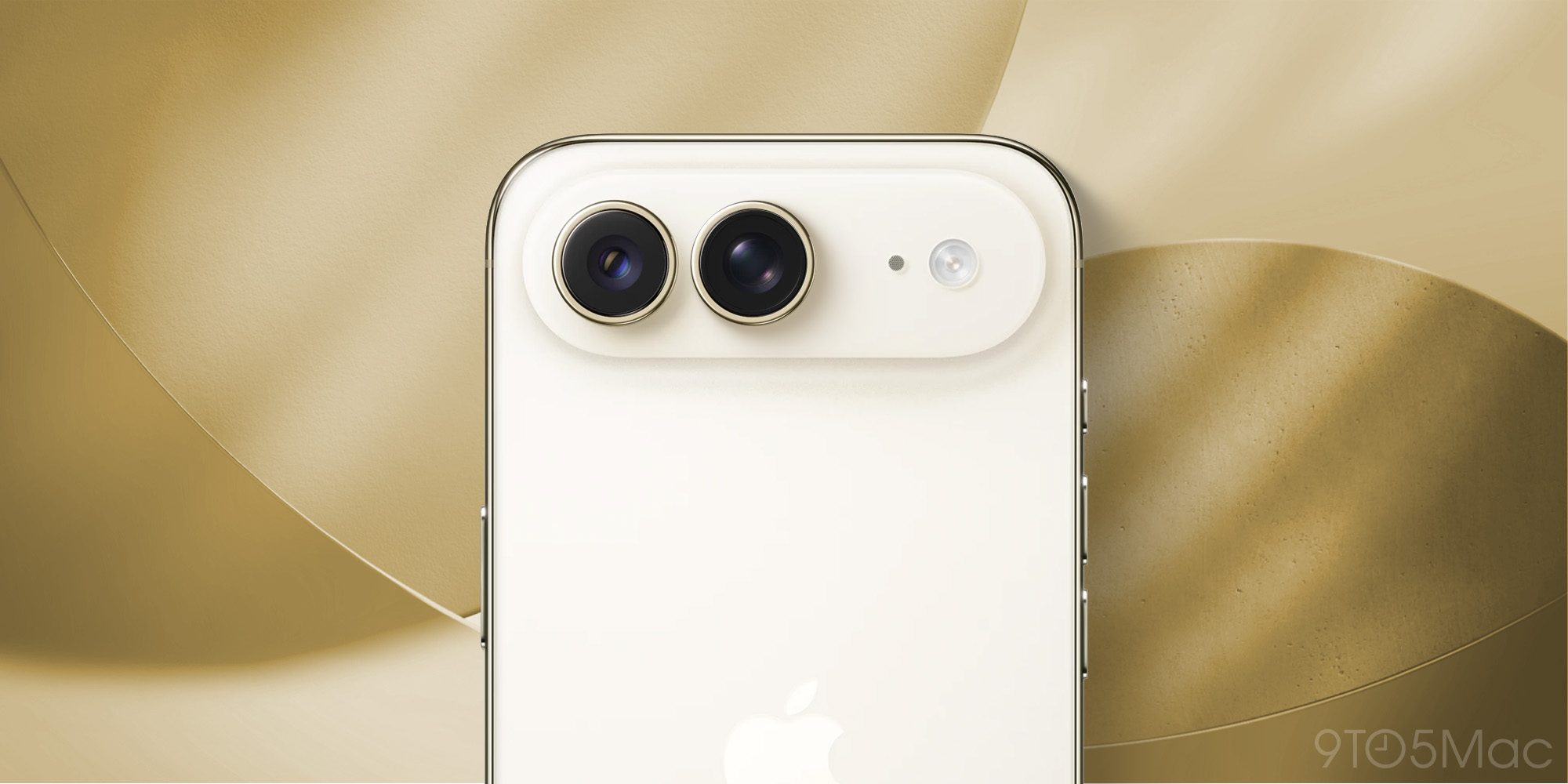
Perhaps the most intriguing device arriving in the spring is the iPhone Air 2. The initial iteration of the iPhone Air met with a lukewarm reception, largely due to concerns that it compromised too much on the feature set to achieve its slim form factor. Apple has clearly taken this feedback to heart, returning to the drawing board to refine the device’s capabilities. A significant part of this redesign involves accommodating an ultrawide camera, a feature that necessitated a delay from its originally intended launch window. While the utility of an ultrawide lens is subjective, its absence in the first model was seen by many consumers as a sign that the device was less "premium" than its counterparts. Including this hardware should help the Air 2 better align with consumer expectations for a modern flagship.
Beyond the optics, the iPhone Air 2 is expected to adopt a smaller Dynamic Island, mirroring the design language seen on the iPhone 18 Pro. Connectivity is also receiving an upgrade, with the transition from the C1X to the C2 modem. Furthermore, battery life—a common pain point in ultra-thin devices—is set to see a boost, with reports indicating a capacity of roughly 3,500mAh. This represents a roughly 10% improvement over the original Air, providing a more reliable daily experience for power users.
The 20th Anniversary Fall Debut
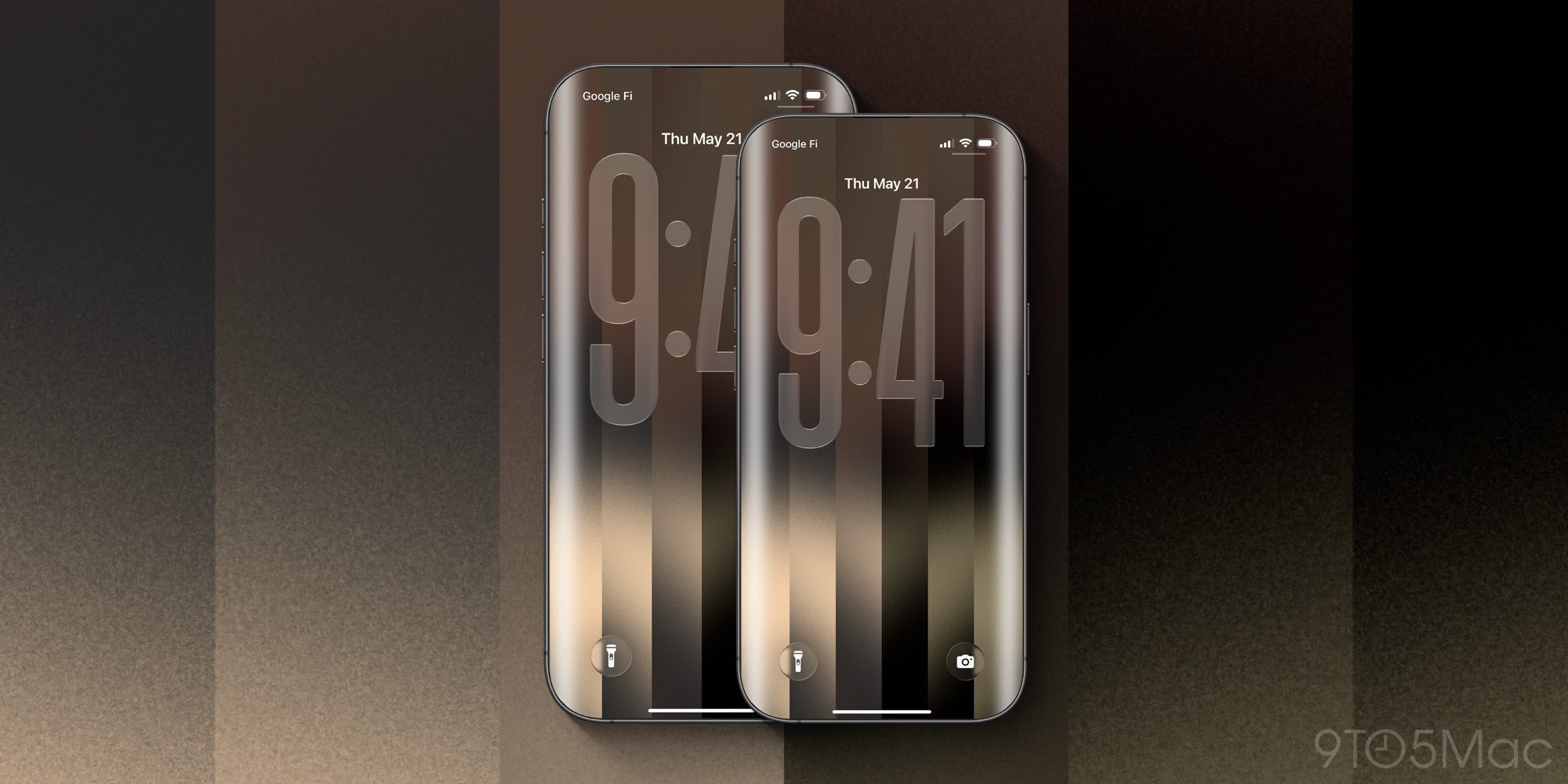
As the calendar turns to the fall of 2027, the focus shifts to the celebration of two decades of the iPhone. This milestone is widely expected to be commemorated with a substantial hardware redesign, likely manifesting in the iPhone 20 Pro.
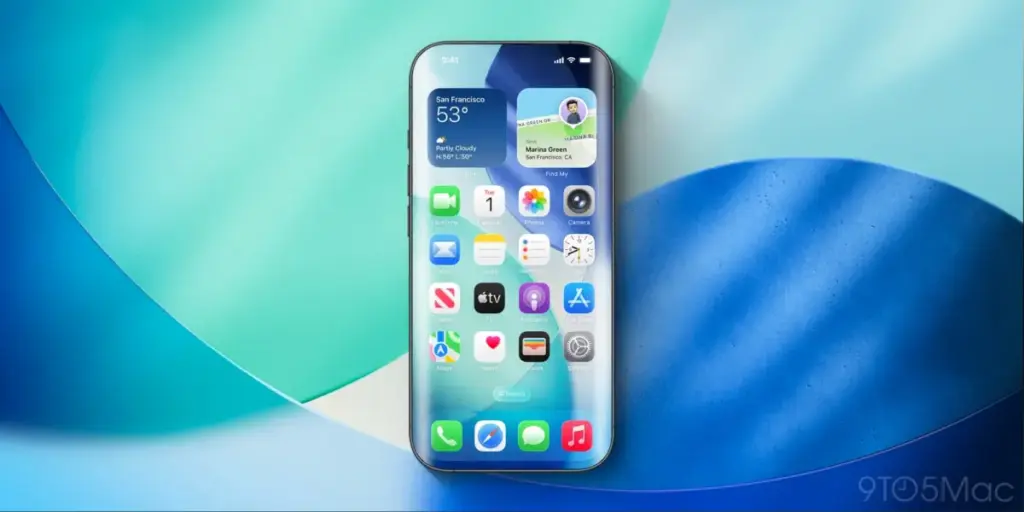
The rumors surrounding the iPhone 20 Pro describe a device that leans heavily into premium materials, with a design that is expected to be "more glassy" than previous iterations. This move away from the flat-edge design language that has defined the iPhone since the iPhone 12 suggests a return to more ergonomic, curved aesthetics. The device is also expected to feature significantly slimmer bezels and a further refined Dynamic Island. The industry consensus is that Apple is working toward a hole-punch camera system paired with under-display Face ID technology, which would provide a more immersive, uninterrupted screen experience.
While there is some healthy skepticism regarding whether this "iPhone 20" will truly replace the standard Pro model—particularly given the thermal challenges associated with highly glass-centric designs—the current success of the iPhone Duo suggests that Apple has made significant strides in internal cooling technology. If the company can maintain high performance without relying on a traditional aluminum unibody, the iPhone 20 Pro could set a new benchmark for smartphone design. For those who are currently hesitant to pull the trigger on the iPhone 18 Pro, the upcoming 20th-anniversary model appears to be the logical point of entry for the next generation of Apple devices.
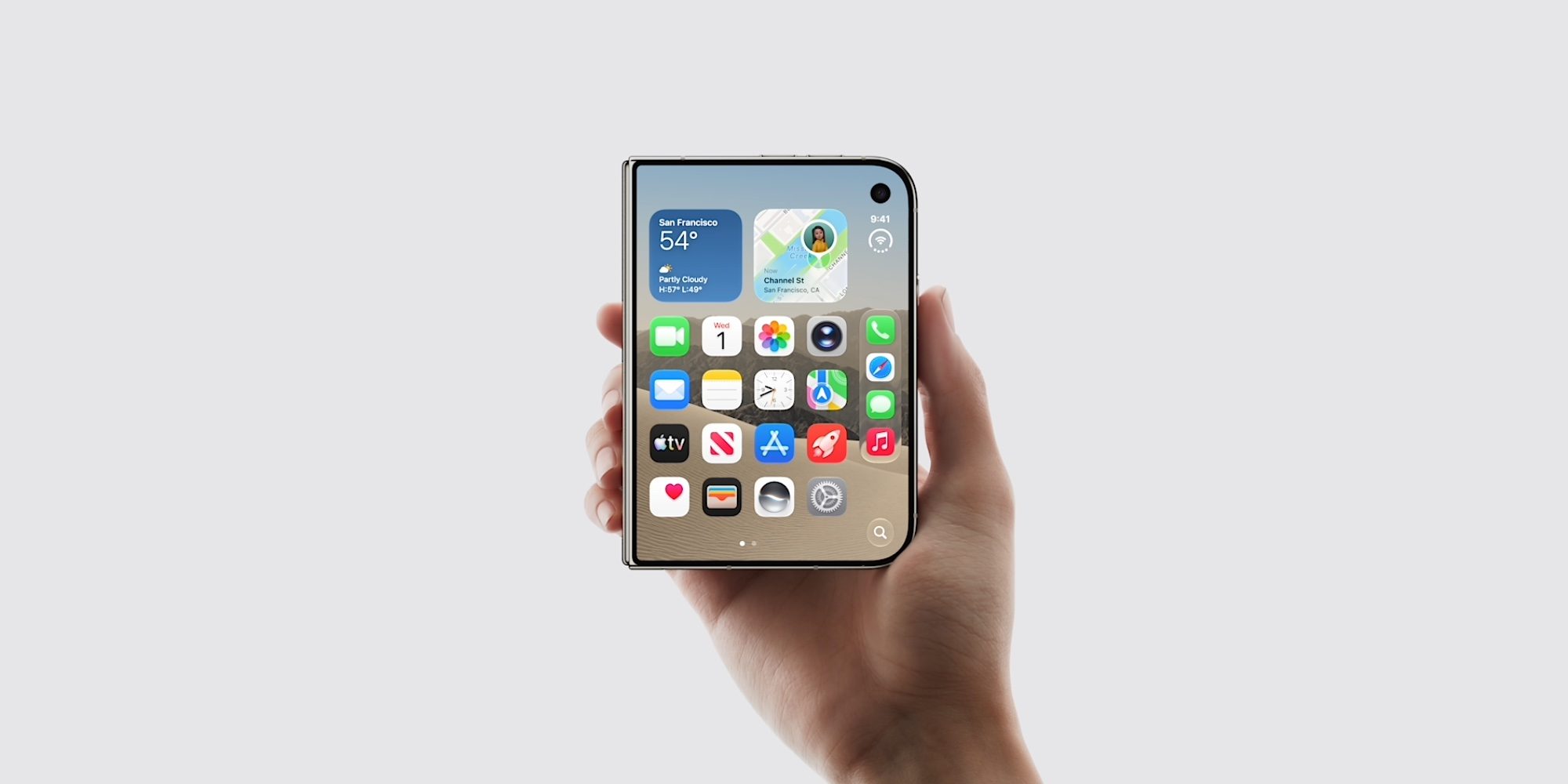
Finally, the fall will see the introduction of the successor to the newly released iPhone Duo. As the first of its kind, the original Duo is still being evaluated by the market, and there is a lack of concrete leaks regarding its successor. However, industry expectations are high for improvements to the biometric Face ID system and the optical sensor arrays. With the release of the A21 Pro chip also expected to accompany this launch, the second-generation Duo will likely be positioned as a massive leap in processing power and multitasking capabilities.

As Apple moves through this complex, multi-stage release cycle, the company is clearly betting on a combination of iterative improvements and bold, anniversary-driven innovation. Whether the focus is on the refinement of the slim iPhone Air 2 in the spring or the highly anticipated, glass-forward design of the iPhone 20 Pro in the fall, 2027 is shaping up to be a year where Apple attempts to reconcile its past legacy with its vision for the future of mobile computing. For the average consumer, the choice will ultimately come down to whether they prefer the stability and established design of the spring lineup or the experimental, commemorative nature of the devices launching later in the year.