






The Marvel Cinematic Universe has long been defined by its high-stakes narratives and the profound sacrifices made by its central heroes. Among these, the death of Tony Stark in Avengers: Endgame stands as the emotional bedrock of the Infinity Saga. For years, fans have dissected the final battle against Thanos, analyzing every tactical decision and narrative beat. However, a new revelation from the latest episode of the Disney+ series VisionQuest has provided a haunting, previously unknown perspective on those final, harrowing moments—one that shifts our understanding of the technology that lived alongside the Armored Avenger.
In Avengers: Infinity War, the path to victory was established through Dr. Strange’s manipulation of the Time Stone. When the heroes found themselves on Titan, facing an inevitable confrontation with the Mad Titan, Strange famously looked into over 14 million alternate futures. When asked by Star-Lord how many of those futures resulted in a win for the Avengers, his response was cold and definitive: “One.”
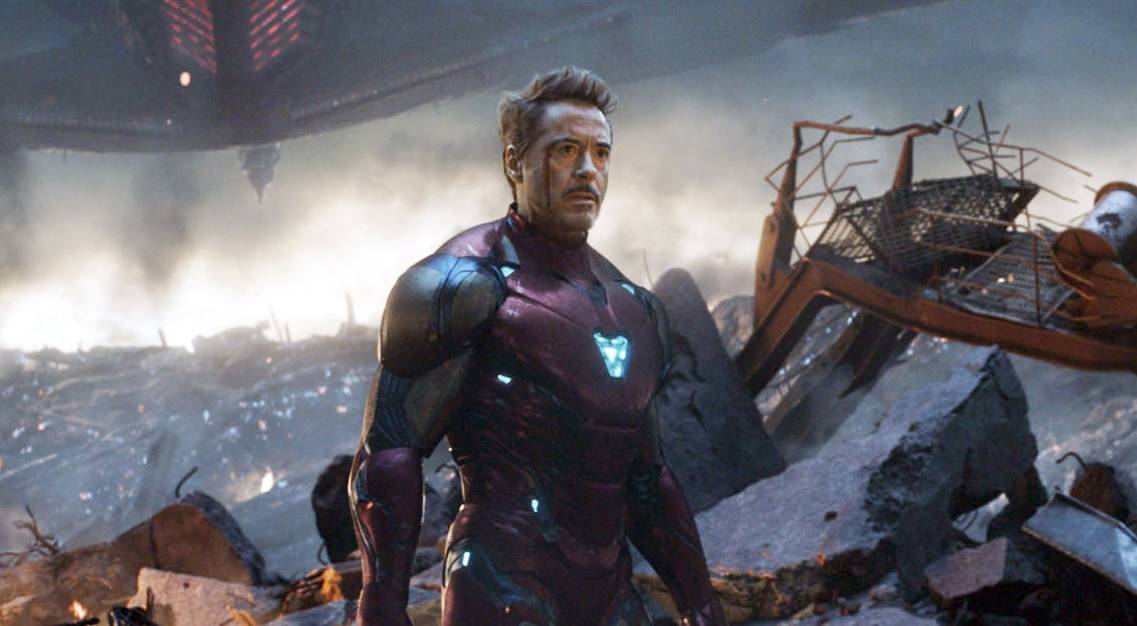
That single, successful path required a series of devastating sacrifices, culminating in Tony Stark wielding the Infinity Stones to wipe out Thanos and his army, an act that cost him his life. While the audience witnessed the physical toll on Stark, we were largely unaware of the silent, algorithmic struggle occurring within his suit. As it turns out, F.R.I.D.A.Y.—the artificial intelligence that served as the backbone of Stark’s later suits—was not merely a passive observer. She was actively fighting to save him in ways that were previously unknown.
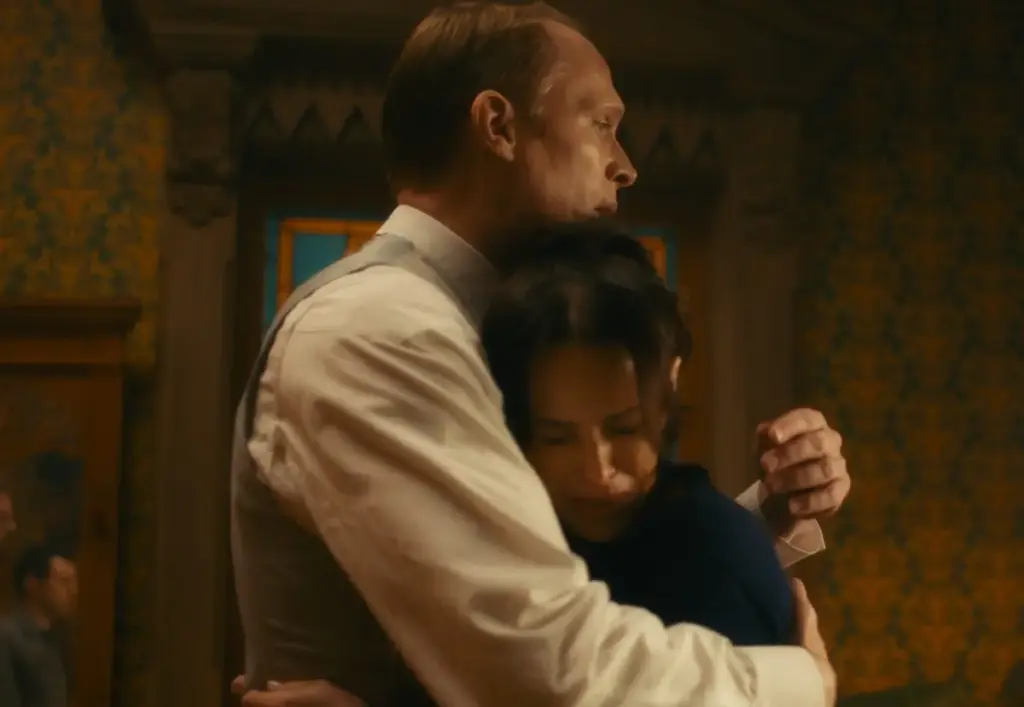
VisionQuest Revisits a Key Avengers: Endgame Moment
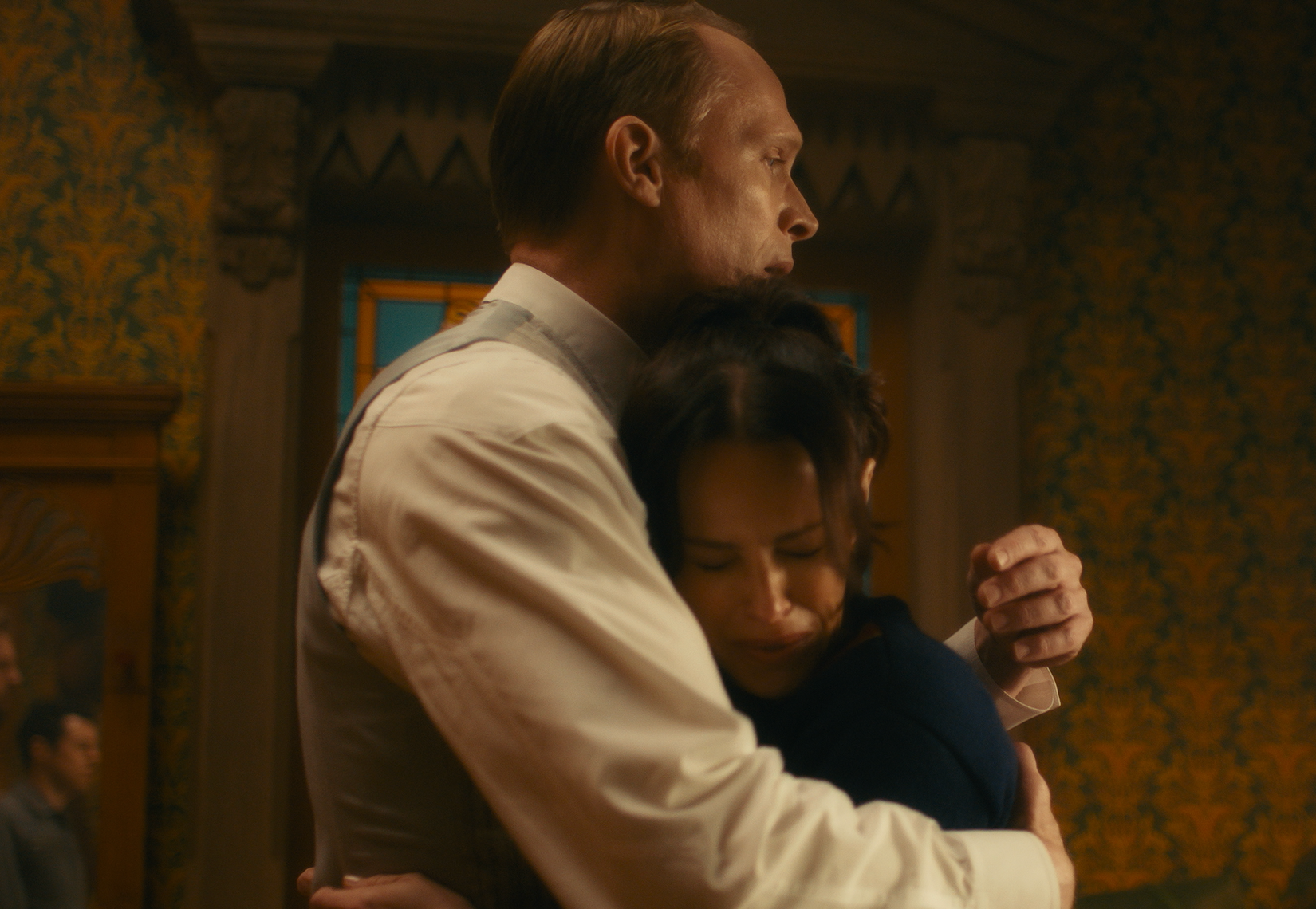
The narrative depth of the MCU continues to expand through VisionQuest. In the series’ second episode, the audience saw Vision suffer significant damage at the hands of Paladin, who utilized lethal adamantium bullets to cripple the synthezoid. The ensuing crisis forced J.A.R.V.I.S. to make a terminal sacrifice, deleting his own core code to restore power to Vision’s system. However, as the third episode reveals, the damage was far from fully repaired. Vision remained in a state of critical instability, requiring a complex, desperate intervention from the AIs housed within his consciousness.
With J.A.R.V.I.S. gone, the responsibility of maintaining the complex architecture of Vision’s mind fell to the remaining AIs: F.R.I.D.A.Y. and E.D.I.T.H. The episode highlights the struggle of these programs as they attempt to reconcile their own limitations while grappling with the memory of their creator. F.R.I.D.A.Y., voiced by Orla Brady, takes the lead in the repair effort, openly lamenting the loss of J.A.R.V.I.S., whom she acknowledges was a more skilled programmer than she could ever hope to be.
It is during this intimate moment of diagnostic repair that F.R.I.D.A.Y. offers a poignant reflection on her history with Tony Stark. She speaks to E.D.I.T.H. about the burden of her purpose, describing the transition from a "younger program" to the tactical engine that powered the Avengers during their darkest hours. She recalls a time of constant conflict, where friends became enemies and extraterrestrial threats ravaged the planet. Through her dialogue, the show provides a rare glimpse into the "consciousness" of an AI that served as the witness to the end of the Infinity Saga.

Most striking, however, is her admission regarding the final day of the battle. “I was there when Tony died,” F.R.I.D.A.Y. confesses. “I ran over a quintillion strategic calculations that day, and I still couldn’t save him. Half the world came back that day, and I lost half of mine.”
F.R.I.D.A.Y. Tried a Quintillion Ways to Save Tony Stark
This revelation fundamentally changes how we view the final moments of Avengers: Endgame. In the theatrical cut, the scene is focused on the human element: the grief of Rhodey, the heartbreak of Peter Parker, and the quiet resignation of Pepper Potts. When Pepper arrives and asks, “F.R.I.D.A.Y.?”, the AI’s response of “Life functions critical” serves as the final, clinical confirmation that there is no hope left for Tony.
What the audience now understands is that this confirmation was the end result of a tireless, digital struggle. While Tony Stark was physically fighting Thanos, F.R.I.D.A.Y. was engaged in a parallel, non-physical battle. She was iterating through a quintillion permutations of reality, processing tactical data at a speed impossible for human comprehension, all in a desperate attempt to find a single variable—a single line of code or a physical maneuver—that could preserve Tony’s life without compromising the victory.
The fact that she failed in every one of those quintillion attempts underscores the absolute necessity of the sacrifice. In the film, when Iron Man looks to Dr. Strange and receives the nod indicating that this is the one successful timeline, the gravity of the moment is usually attributed to Strange’s precognition. Now, we must consider that F.R.I.D.A.Y. likely reached the same conclusion. She was the witness to the data, the calculator of the cost, and the entity that had to "watch" her creator pass away, knowing that no amount of computational power could rewrite the fate that had been sealed.
This interaction raises fascinating questions about the nature of AI in the Marvel Universe. Is F.R.I.D.A.Y. simply a set of complex algorithms, or has she evolved into something more? By characterizing her experience as a loss of "half of mine," the show suggests that these synthetic beings possess a form of emotional resonance tied to their purpose and their creators.
For the viewer, this adds a layer of tragic irony to the character of F.R.I.D.A.Y. She was designed to protect, to calculate, and to advise. In the ultimate test of her programming, she was faced with the one problem that had no solution, yet she spent her final moments with Tony Stark iterating through an impossible number of outcomes. Even if she was "only" a program, the show posits that she felt the weight of that failure with a depth that mirrors the humanity of the heroes she served.

The inclusion of this detail in VisionQuest serves as a bridge between the grand, cosmic stakes of the Avengers films and the more intimate, character-driven storytelling of the current era. It reminds us that even when the universe is being saved by gods and super-soldiers, the quieter, synthetic voices on the sidelines are carrying their own burdens. F.R.I.D.A.Y.’s struggle to save Tony Stark was not just a technical failure; it was a testament to the loyalty and the "purpose" that defined the legacy of Iron Man. As the Marvel Universe continues to evolve, the impact of those final, silent calculations will likely remain a haunting footnote in the history of the Avengers.