








As global energy costs continue to fluctuate and reach historic highs, homeowners are increasingly scrutinizing their daily electricity usage. While much of the public discourse centers on major appliances like refrigerators, HVAC systems, and laundry machines, a quieter, often overlooked contributor to the monthly utility bill is the home sound system. From casual Bluetooth speakers to elaborate, multi-component home theater setups, the gear we use to enjoy our music and movies is constantly drawing power, sometimes even when we aren’t using it. Understanding the electrical footprint of these devices is essential for any cost-conscious consumer looking to trim unnecessary expenses.
While electricity requirements are as varied as the equipment itself, industry standards suggest that a typical home sound system draws between 20 and 50 watts when idling in standby mode. Under active use, that figure can climb significantly, often reaching 200 watts or more when the volume is pushed toward its maximum potential. However, these figures are merely baselines. Many modern home audio setups are far from “typical,” incorporating a mix of vintage analog equipment, high-performance digital processors, and smart-home integration. To truly understand the impact your personal sound system has on your energy bill, it is necessary to look past the generic estimates and analyze the specific components in your living room.
The Dynamics of Audio Power Consumption
The relationship between audio playback and power draw is direct and intuitive: the louder you play your music, the more energy the system demands from the grid. This is particularly true for power amplifiers, the heart of any serious sound system. While sources like turntables, CD players, and digital streamers typically draw minimal power, the amplifier must work harder to convert electrical energy into the mechanical energy required to move speaker cones.

Audiophiles who favor esoteric combinations of high-end equipment often run systems that are less efficient than modern, integrated consumer electronics. Vintage analog amplifiers, in particular, may lack the sophisticated power-management features found in contemporary hardware, leading to higher baseline consumption. Furthermore, the type of speaker system plays a major role in the overall energy profile. Independently powered speakers—often referred to as “active” speakers—contain their own internal amplification, meaning each unit is constantly pulling power from the wall. When compared to passive speakers, which draw energy solely from a centralized amplifier, these active setups can create a cumulative increase in electricity usage, especially in expansive home theater configurations where multiple speakers must be powered simultaneously.
Beyond active usage, there is the matter of phantom power and battery health. Many modern streaming speakers and wireless audio components are designed to stay connected to a power source indefinitely to maintain network connectivity. While this is convenient, it keeps the device in a constant state of draw. Similarly, the common practice of leaving USB chargers and power adapters plugged into wall outlets, even when the audio device itself is disconnected, creates a persistent, albeit small, "vampire" load. Over time, these small amounts of wasted energy add up, contributing to higher-than-necessary household electricity costs.
Measuring Your Personal Energy Footprint
Determining the exact energy footprint of your sound system requires a methodical approach. The first step is to create an inventory of your components, noting the wattage ratings usually found on the back of the device or in the manufacturer’s manual. However, labels often list the maximum possible power draw, which may not reflect your typical usage patterns. To obtain an accurate assessment, many experts recommend the use of an inexpensive watt meter. These devices function as an intermediary, plugging directly into your wall socket, with your equipment then plugging into the meter. By monitoring the device during both high-volume listening sessions and low-volume background play, you can establish a realistic energy profile for your specific setup.
It is equally important to measure standby energy consumption. This is the power drawn when the device is technically "off" but still waiting for a signal—such as a remote control command or a network trigger. While most modern equipment is designed to meet strict standby power regulations, older audio gear often lacks these efficiencies and can draw significant power even when idle.
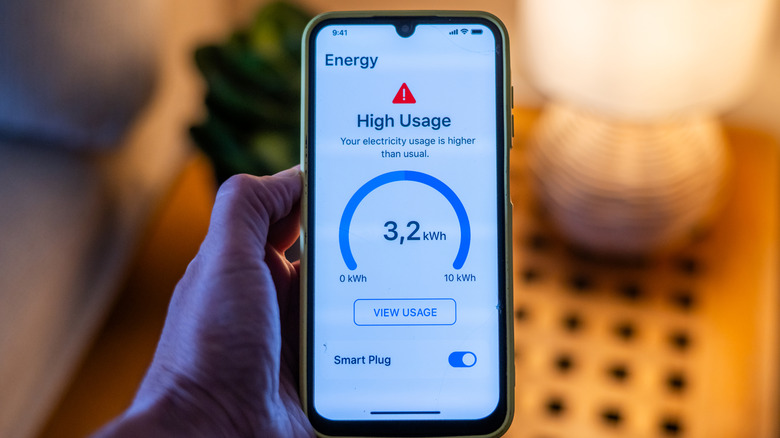
For those looking for a more automated approach to energy management, smart plugs have emerged as one of the most effective investments for the modern home. Beyond their ability to provide real-time energy data through smartphone apps, smart plugs allow users to remotely cut power to their entire audio chain when it is not in use. By eliminating standby power draw entirely, consumers can ensure that their sound systems are only consuming electricity when they are actually producing sound.
Translating Watts into Dollars
Once you have identified the power draw of your system, calculating the financial cost becomes a simple matter of arithmetic. The standard formula for daily energy consumption in kilowatt-hours (kWh) is the device’s wattage multiplied by the time it is in use, divided by 1,000. To find the monthly cost, you take that daily kWh figure, multiply it by the number of days in the month, and then multiply that result by your local electricity provider’s rate per kWh.
To put this into perspective, consider a 100-watt amplifier used for five hours a day. Over the course of a 30-day month, this device would consume 15 kWh of electricity. Based on data from the Federal Reserve, the average U.S. residential electricity rate is approximately $0.196 per kWh. At this rate, that 100-watt amplifier would cost about $2.94 to run per month. While that might seem like a negligible amount, it totals roughly $36 per year. That is a sum that could easily cover the cost of several streaming service subscriptions or a casual meal out.
While the impact of a single amplifier may seem small in isolation, the cumulative effect of all electrical devices in a home is substantial. By applying this same formula to other household electronics—such as comparing the efficiency of smart bulbs against standard LEDs—homeowners can gain a much clearer understanding of where their money is going. This awareness is the first step toward effective energy management, allowing you to enjoy your home sound system with the confidence that you are operating it as efficiently as possible. Whether you are an audiophile with a complex vintage collection or a casual listener with a single wireless speaker, the ability to measure and account for your energy usage is a valuable tool in an era of rising costs.