Routing in modern web applications has evolved far beyond simply rendering a component based on a URL path. Developers today want end-to-end type safety, automated code splitting, seamless URL search parameter management, and streamlined data fetching without drowning in boilerplate useEffect hooks. As single-page applications grow in complexity, managing navigation and state synchronization has become a critical architecture decision. Traditional routing solutions often leave developers writing manual type definitions or dealing with runtime errors that could be caught during development.
TanStack Router has emerged as a powerful routing framework designed to solve these exact developer experience challenges. It delivers 100% inferred TypeScript type safety and a development environment aimed at catching broken links and invalid parameters before code ever reaches production. By leveraging modern build tools and sophisticated TypeScript features, the library ensures that route parameters, search queries, and loader data are fully typed throughout the entire application lifecycle.
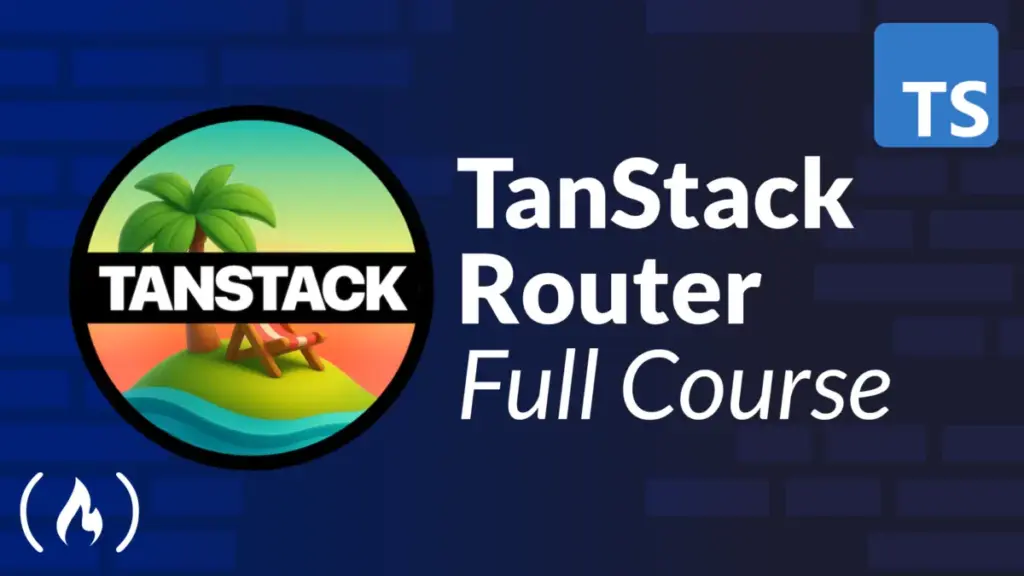
To help developers master these capabilities, the new crash course on the freeCodeCamp.org YouTube channel provides a practical walkthrough of the framework in action. Taught by educator Tapas Adhikary, the video resource is structured around the construction of a fully functional Meetup Tracker application. Throughout the session, viewers are shown how to set up their project environment using Vite and the TanStack CLI, establishing a modern development workflow from the ground up.
The curriculum covers a wide array of advanced routing concepts essential for modern React development. Viewers learn how to implement robust authentication flows, configure type-safe routes, and utilize data loaders to fetch information before components render. This approach minimizes layout shifts and loading flickers commonly associated with client-side data fetching, resulting in a smoother user experience. The course also dives into managing complex URL search parameters and organizing file-based routing structures, which help keep large codebases maintainable and scalable over time.
By focusing on real-world scenarios rather than abstract examples, the crash course provides developers with actionable patterns they can immediately integrate into their professional projects. The inclusion of comprehensive data loading and authentication mechanisms reflects the demands of enterprise-grade applications, where security and performance are paramount.
The complete two-hour crash course is currently available for streaming on the official freeCodeCamp.org YouTube channel, offering free access to developers worldwide who want to upgrade their frontend engineering toolkit. Alongside this specific release, freeCodeCamp continues to maintain its extensive open-source curriculum, which has historically helped thousands of individuals transition into professional software development roles through accessible learning materials and project-based instruction.