









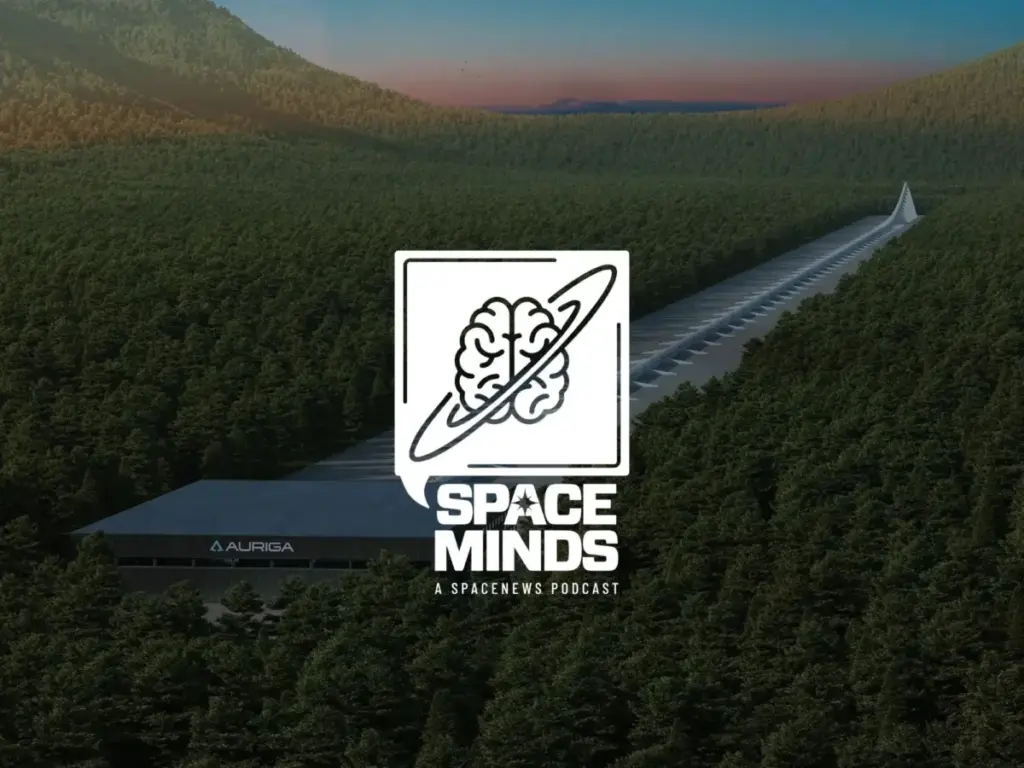
The global aerospace sector stands at a critical technological precipice, driven by an urgent need to dramatically lower the financial barriers associated with orbital and deep-space transportation. In the latest episode of Space Minds, the flagship audio and video podcast from SpaceNews, host Mike Gruss sits down with Winnie Lai, the Chief Executive Officer of Auriga Space. Their in-depth conversation explores a revolutionary approach to overcoming the industry’s most persistent economic hurdles: utilizing advanced electromagnetic launch technology to essentially "catapult" small launch vehicles into the upper atmosphere, thereby sidestepping traditional fuel constraints and redefining how humanity accesses the cosmos.
As commercial and government space agencies alike search for ways to scale up mission frequencies without incurring astronomical operational expenses, innovative propulsion and launch concepts are drawing intense scrutiny from industry leaders, defense planners, and aerospace engineers. During their discussion, Gruss and Lai unpack the mechanics behind Auriga Space’s proprietary concepts, examining how high-velocity electromagnetic systems could fundamentally reshape the economics of modern rocketry. By replacing a significant portion of the initial first-stage propellant burn with ground-based electromagnetic acceleration, companies hope to streamline launch architectures, lighten vehicle payload capacities, and drastically reduce the cost-per-pound metrics that have historically governed space exploration.
Redefining Access to Space Through Electromagnetic Innovation
At the heart of Winnie Lai’s vision for Auriga Space is a radical departure from conventional multi-stage chemical rockets. Traditional launch vehicles dedicate the vast majority of their massive liftoff weight strictly to propellants—liquid oxygen, refined kerosene, or cryogenic hydrogen—necessary to punch through the dense layers of Earth’s atmosphere. This chemical dependence creates severe limitations regarding turnaround times, operational safety margins, and overall mission economics.
By leveraging cutting-edge electromagnetic launch technology, Auriga Space aims to introduce what Lai describes during the podcast as a true "paradigm shift" for the aerospace industry. Instead of relying solely on onboard chemical combustion from the moment of ignition, an electromagnetic launch system uses powerful magnetic fields to accelerate small launch vehicles along a designated track to high velocities before they ever leave the ground or ignite their primary engines. This ground-assisted boost significantly reduces the amount of fuel a vehicle must carry internally, allowing engineers to design smaller, more efficient rockets that can carry disproportionately larger payloads into orbit.
Throughout the episode, Lai elaborates on the broader operational implications of this technological leap. Lowering fuel costs does not merely translate to higher profit margins for commercial satellite operators; it fundamentally democratizes access to space. Targeted, low-cost missions that were previously deemed economically unviable due to expensive dedicated launch contracts could soon become routine. This flexibility opens up entirely new operational paradigms for Earth observation, scientific research, telecommunications constellations, and rapid-response national security architectures.
Strategic Implications for Defense and Interceptor Technology
The conversation between Gruss and Lai also ventures into the intersection of commercial aerospace innovation and national security applications, specifically addressing the evolving landscape of missile defense. As near-peer geopolitical competitors continue to advance their strategic capabilities, defense agencies are increasingly forced to rethink their defensive posture, particularly regarding space-based assets and interceptor systems.
The episode touches upon what these emerging launch technologies mean for advanced defense frameworks, including concepts associated with Golden Dome missile defense interceptors. In modern defense logistics, the ability to rapidly deploy, replace, or reconstitute orbital assets and defensive interceptors is paramount. Traditional launch processing timelines—which often require months of meticulous vehicle integration, fueling procedures, and range safety clearances—pose a significant bottleneck during high-stakes strategic scenarios.
Electromagnetic launch systems, by virtue of their ground-based, reusable infrastructure and streamlined vehicle designs, offer a potential pathway toward responsive space capabilities. If small interceptors or tactical satellites can be launched rapidly and repeatedly with minimal logistical friction, military planners gain a powerful tool for maintaining space domain awareness and layered defensive coverage. Lai and Gruss analyze how the convergence of cost-cutting commercial technologies and demanding national security requirements could accelerate the adoption of novel launch infrastructure over the coming decade.
About Space Minds: Exploring the Frontiers of Aerospace Leadership
The compelling interview with Winnie Lai is part of Space Minds, a dynamic audio and video podcast series produced by SpaceNews. Designed to spotlight the visionary leaders, groundbreaking technologies, and commercial opportunities defining the modern space economy, the weekly program provides listeners with an insider’s view of the rapidly expanding aerospace sector.
Each weekly episode of Space Minds features in-depth conversations with industry pioneers, including aerospace scientists, innovative startup founders, policy experts, and seasoned engineers who are actively building the future of space exploration. Hosted by Mike Gruss alongside reporters and editors from the SpaceNews newsroom, the podcast dives deep into the complex engineering challenges, business strategies, and policy debates that capture the imagination of space enthusiasts around the globe.
New episodes of Space Minds premiere every Thursday, offering audiences comprehensive coverage of the trends and breakthroughs shaping our trajectory in orbit and beyond. Listeners and viewers can catch every new installment directly on SpaceNews.com, as well as across major digital distribution platforms including YouTube, Spotify, and Apple Podcasts.
Space enthusiasts and industry professionals looking to stay ahead of the curve can subscribe to the SpaceNews newsletter ecosystem to receive exclusive notifications and early access to upcoming podcast releases as soon as they go live.