






Not every great science-fiction television series finds its footing with an immediate explosion of action. Some of the most enduring genre entries prefer a slow-burn approach, while others utilize a startling, visceral moment to command the viewer’s undivided attention before the opening credits even finish rolling. Whether it is an alien organism mutating a host in a matter of seconds, the harrowing reality of a public execution amidst a cultural revolution, or the sight of a child stumbling into a smoke-filled battleground littered with the remnants of conflict, the most compelling sci-fi shows understand the narrative weight of a strong first impression. These series offer something tangible, mysterious, or deeply unsettling, ensuring that audiences are glued to their seats from the very first minute.
Netflix has, over the past decade, curated a robust library of science fiction that spans a vast spectrum of sub-genres. From mind-bending, reality-fracturing mysteries and dystopian anthologies to sprawling, high-concept futuristic epics and some of the most visually ambitious animation produced for television, the streaming giant has become a primary home for speculative fiction. However, with an ever-expanding catalog of content, identifying the series that are truly worth the time commitment can be a daunting task. The most successful shows in this genre—those that earn a place in the cultural conversation—are those that pair an unforgettable premise with scientific or metaphysical enigmas that demand to be solved.
The following list explores ten near-perfect science-fiction series available on Netflix. These selections, ranging from genre-defining standouts to true artistic masterpieces, are ranked by their ability to pull viewers into the unknown from the very first scene, leaving an impression that lingers long after the final episode concludes.
1899 (2022)
From the creative minds behind the international sensation Dark, Jantje Friese and Baran bo Odar’s 1899 immediately drops the audience aboard the Kerberos, a massive steamliner tasked with transporting a multinational group of hopeful passengers from England to the promise of a new life in New York. While the journey begins as a standard transatlantic crossing, it is abruptly diverted when the ship’s crew picks up a cryptic signal from the Prometheus, a sister ship that vanished under mysterious circumstances four months prior.

What starts as a routine voyage quickly devolves into a claustrophobic psychological nightmare. The pilot episode is a masterclass in establishing a pervasive sense of dread, utilizing the vast, indifferent isolation of the open ocean and the tight, labyrinthine corridors of the steamship to heighten the tension. The discovery of the abandoned Prometheus introduces a sinister, unexplainable element that only compounds as the series progresses. Despite its abrupt cancellation after a single season—leaving many of its grander, reality-bending puzzles unresolved—the premiere of 1899 remains an incredibly effective exercise in atmosphere, perfect for viewers who appreciate the eerie, nautical mystery of films like Ghost Ship or Triangle.
3 Body Problem (2024)
Adapted from Liu Cixin’s internationally acclaimed trilogy, 3 Body Problem presents a sweeping narrative that tracks humanity’s first contact with an alien civilization across several decades. The series begins in the turbulent, violent atmosphere of China’s Cultural Revolution, where a young, disillusioned astrophysicist makes a decision that inadvertently alters the trajectory of human history.
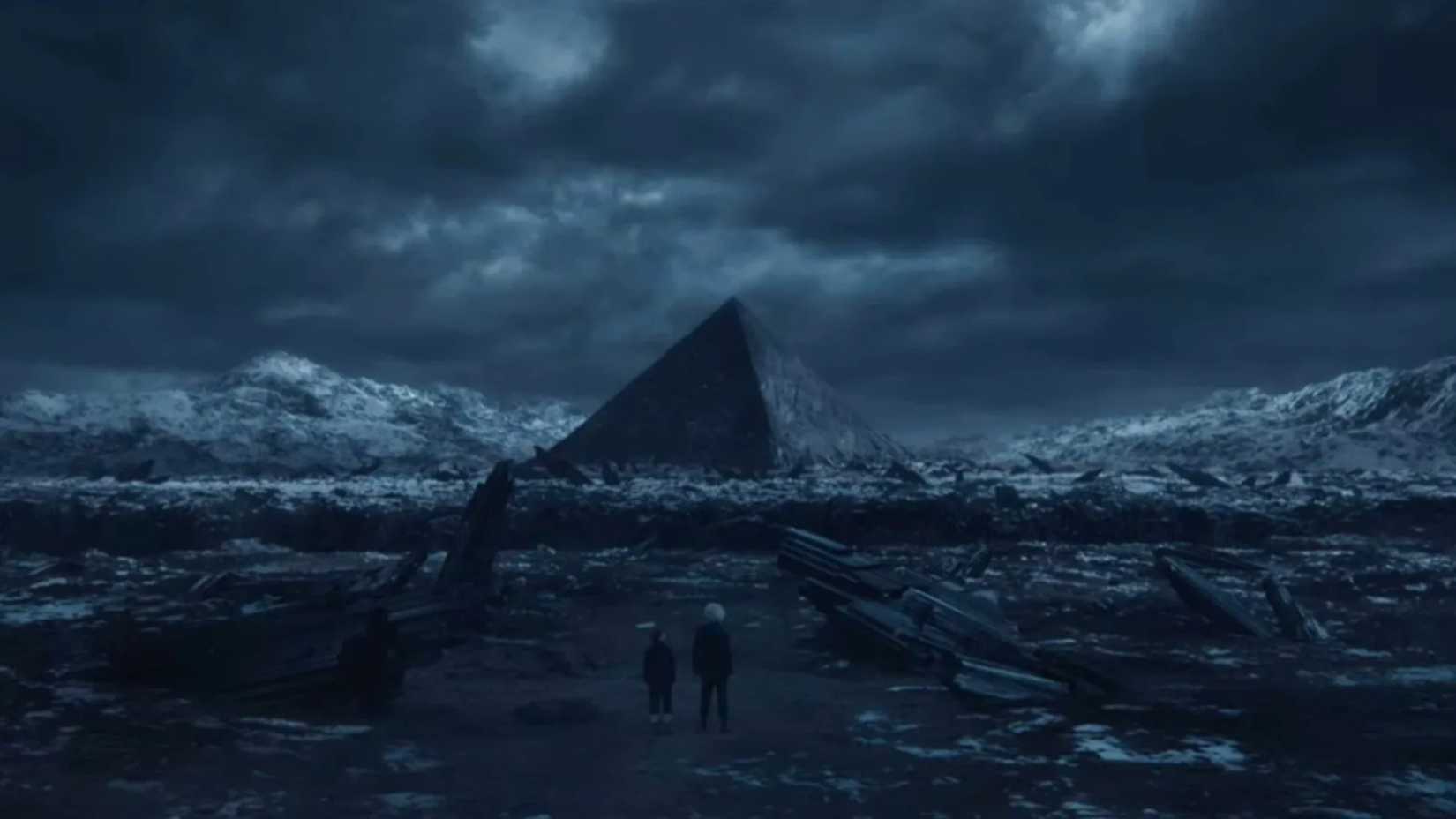
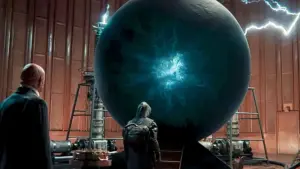
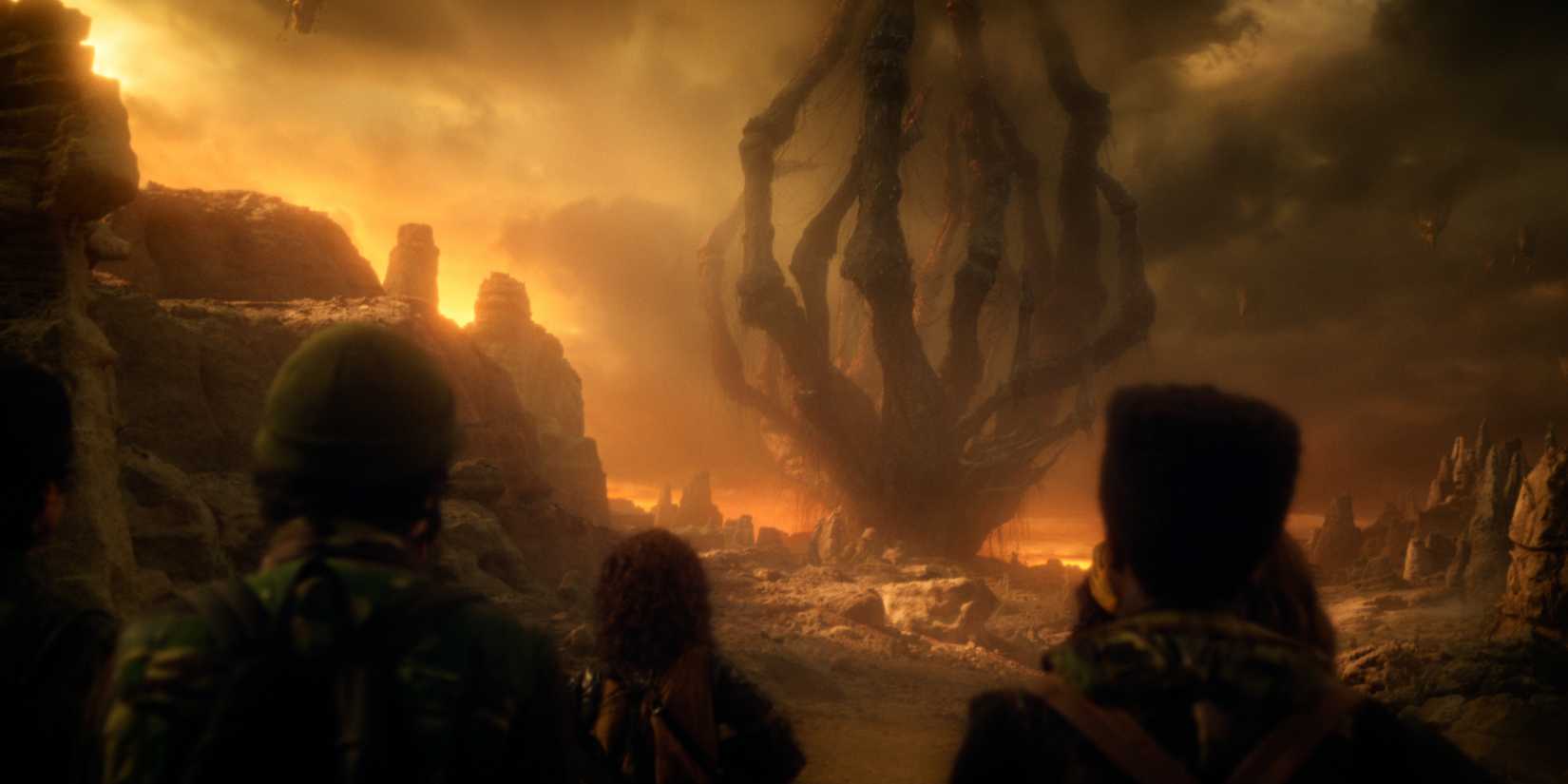
The narrative then leaps to the present day, where a group of Oxford-educated scientists is forced to grapple with a series of impossible phenomena. As a mysterious countdown appears in the vision of various individuals and particle accelerators begin producing nonsensical data, it becomes clear that a hyper-advanced alien fleet is actively working to dismantle human scientific progress. The opening sequence is particularly brutal; it depicts the public denunciation and execution of physicist Ye Zhetai during the 1960s. This introduction serves as a grim foundation for the show’s central themes, effectively linking historical trauma to the cosmic threats that arrive decades later.
Love, Death & Robots (2019)
As an anthology series, Love, Death & Robots offers a unique experience compared to the serialized dramas on this list. Conceived by Tim Miller and David Fincher, the show functions as a spiritual successor to classic speculative sci-fi and adult-oriented graphic novels, bringing together diverse animation studios from around the globe to explore themes of cybernetics, artificial intelligence, and cosmic horror.
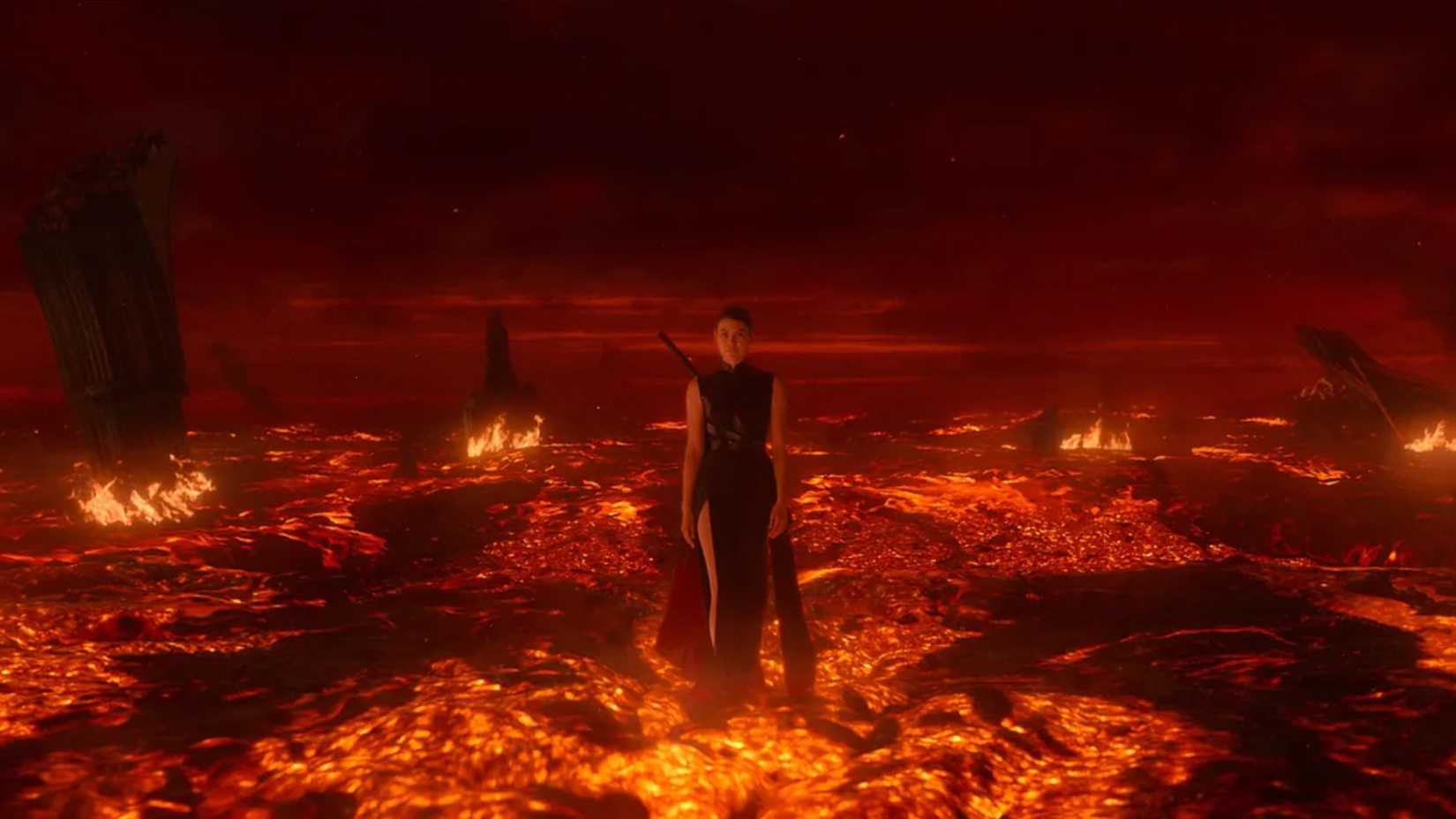
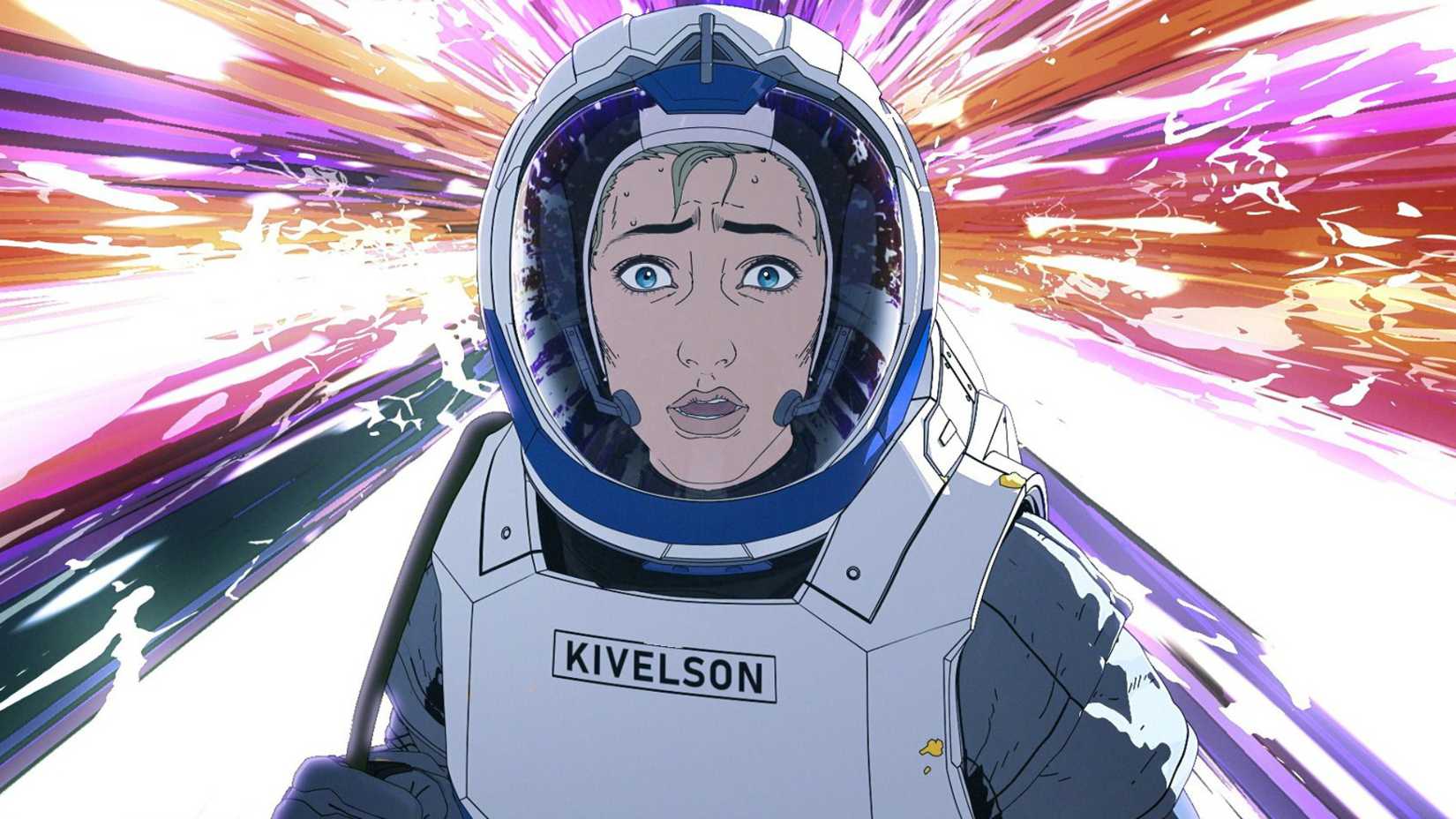
The series allows viewers to jump between narratives, but the premiere episode, "Three Robots," is an excellent entry point. It follows three robotic tourists exploring the decaying ruins of human civilization, balancing biting dark comedy with a haunting, bleak vision of our future. Beyond its humor, the anthology frequently dives into intense, high-concept drama, such as the fan-favorite episode "Beyond the Aquila Rift," which showcases the show’s ability to pair high-end spectacle with deeply unsettling philosophical questions.
Black Mirror (2011)
Black Mirror has long served as the gold standard for modern dystopian television. Charlie Brooker’s seminal anthology series examines the darker, more exploitative implications of rapid technological advancement. Much like Love, Death & Robots, its format allows it to pivot between near-future dystopias, digital nightmares, and biting social satire, creating a modern-day successor to The Twilight Zone.
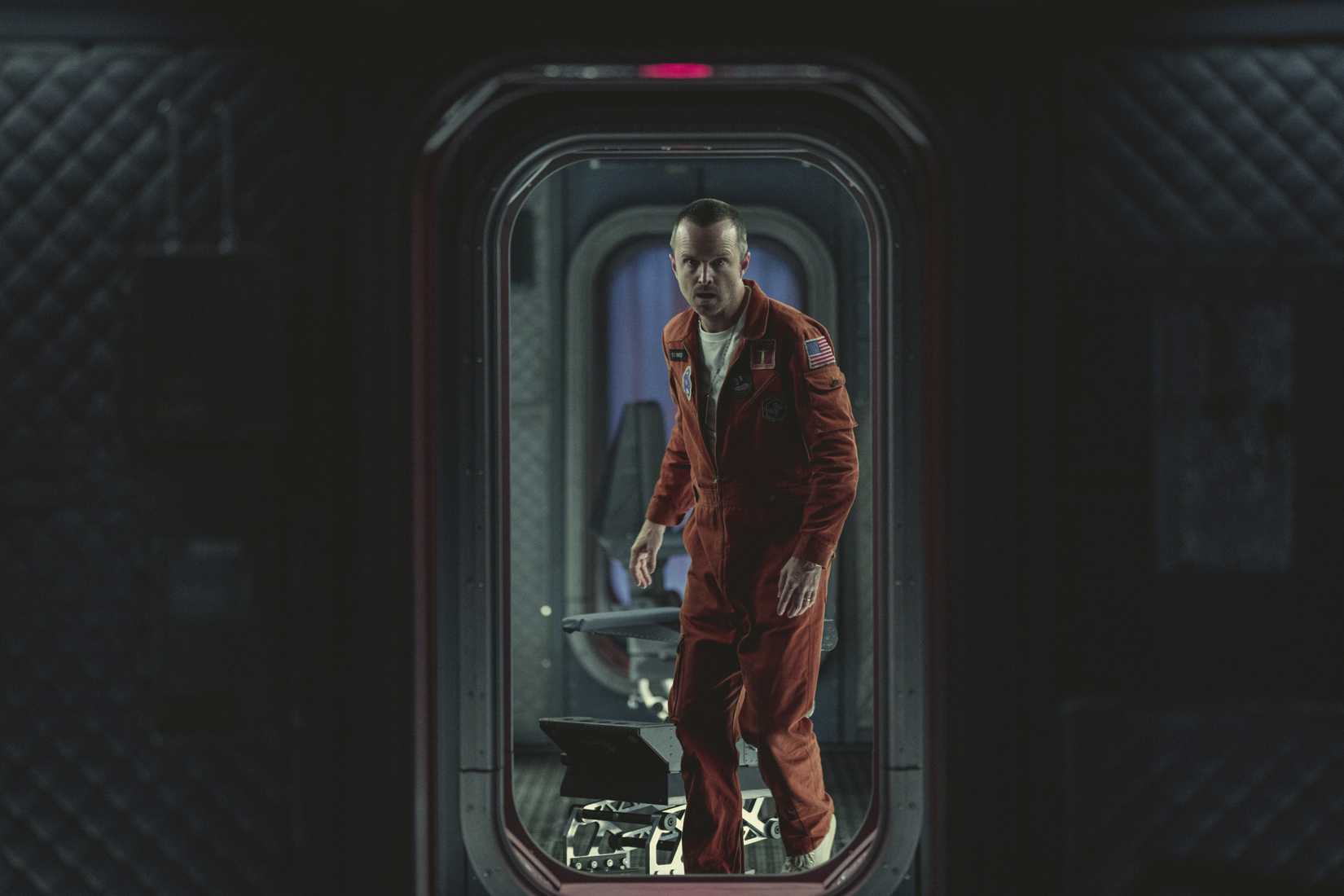
Whether it is exploring the terrifying potential of digital memory storage in "The Entire History of You" or the voyeuristic exploitation of true-crime culture in "Loch Henry," Black Mirror consistently interrogates human cruelty and obsession. The show’s strength lies in its ability to show that the "black mirror"—the dark screen of our devices—is not merely an addiction to technology, but a reflection of the dark impulses held by those who wield it.
Pluto (2023)
Based on the manga by Naoki Urasawa and Takashi Nagasaki—which itself is a sophisticated reimagining of Osamu Tezuka’s iconic Astro Boy—Pluto transforms a classic robot adventure into a deeply contemplative science-fiction murder mystery. Set in a future where humans and advanced androids exist in a fragile state of coexistence, the story follows Europol inspector Gesicht as he investigates a string of ritualistic killings.
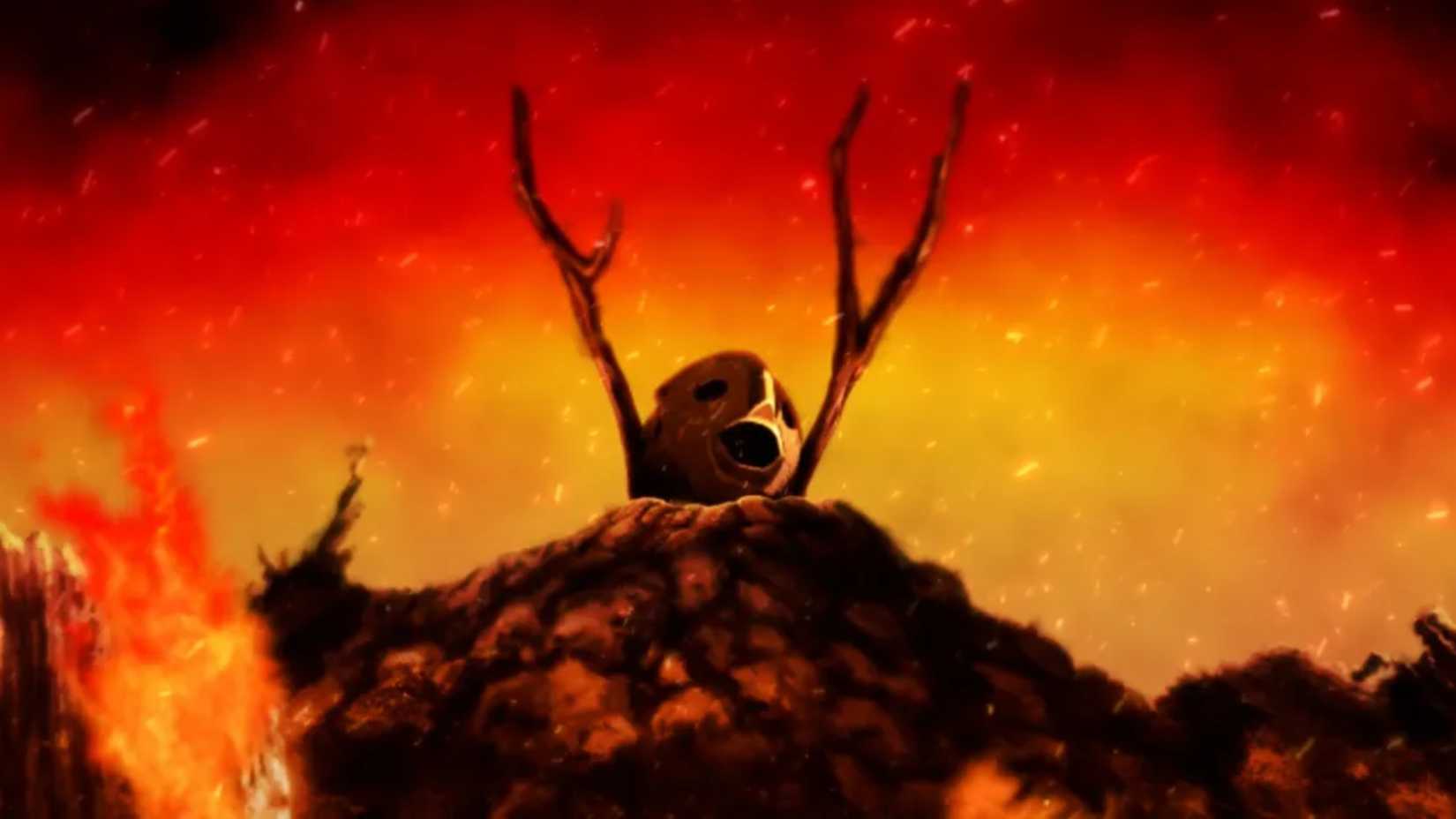
The premiere episode opens with the destruction of Mont Blanc, a beloved Swiss robot known for his benevolence. The discovery of strange, hornlike debris at the crime scene lends the murder a ritualistic quality that evokes the tone of a dark police procedural. However, the series is less concerned with the shock of the crime than with the existential questions it raises: Can a machine experience grief? Can a society that claims to have moved beyond prejudice truly escape the historical hatred that shaped it?
Stranger Things (2016)
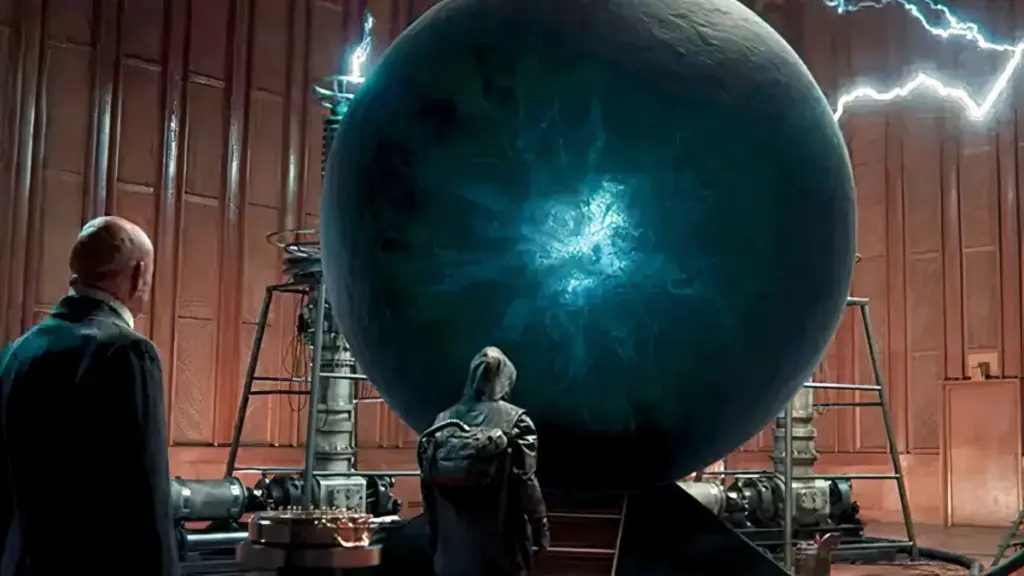
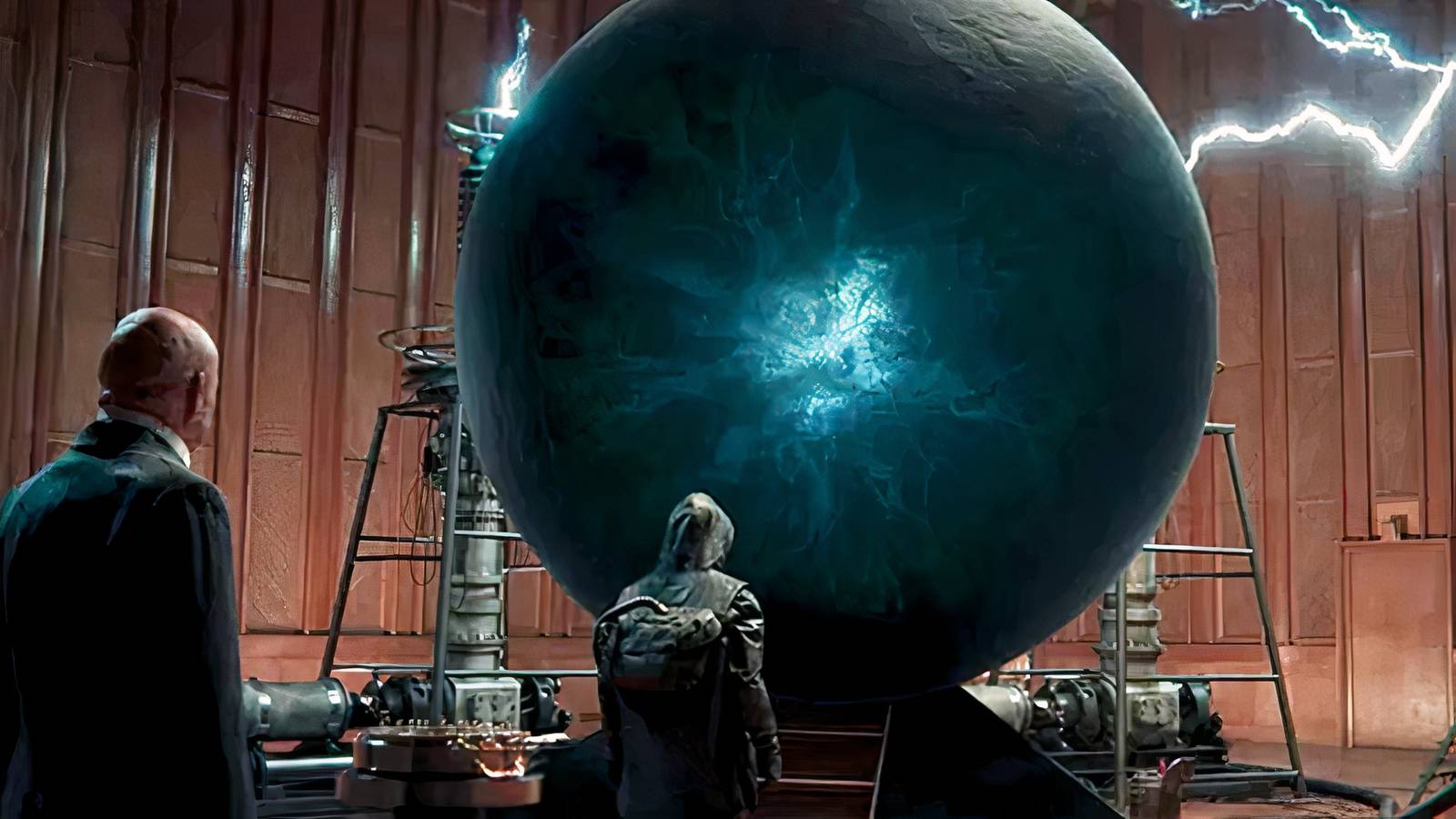
The Duffer Brothers’ Stranger Things is a love letter to the suburban adventures, supernatural horror, and coming-of-age films that defined the 1980s. Set in the quiet, unremarkable town of Hawkins, Indiana, the series begins with the disappearance of young Will Byers, an event that eventually reveals the presence of a terrifying alternate dimension known as the Upside Down.
The premiere is perhaps one of the most effective examples of building tension in television history. It opens with a scientist fleeing through the flickering, alarm-filled corridors of a government laboratory, only to be dragged into the darkness by an unseen force. By the time the scene shifts to a group of children playing Dungeons & Dragons, the audience is already fully invested in the looming, supernatural threat that hangs over Hawkins.
Cyberpunk: Edgerunners (2022)
Set in the dystopian, neon-soaked universe of Cyberpunk 2077, Edgerunners brings the excesses of Night City to life through explosive animation and a tragic coming-of-age story. The series follows David Martinez, a teenager who, in an attempt to survive in a society defined by extreme inequality, joins a group of cybernetically enhanced mercenaries.
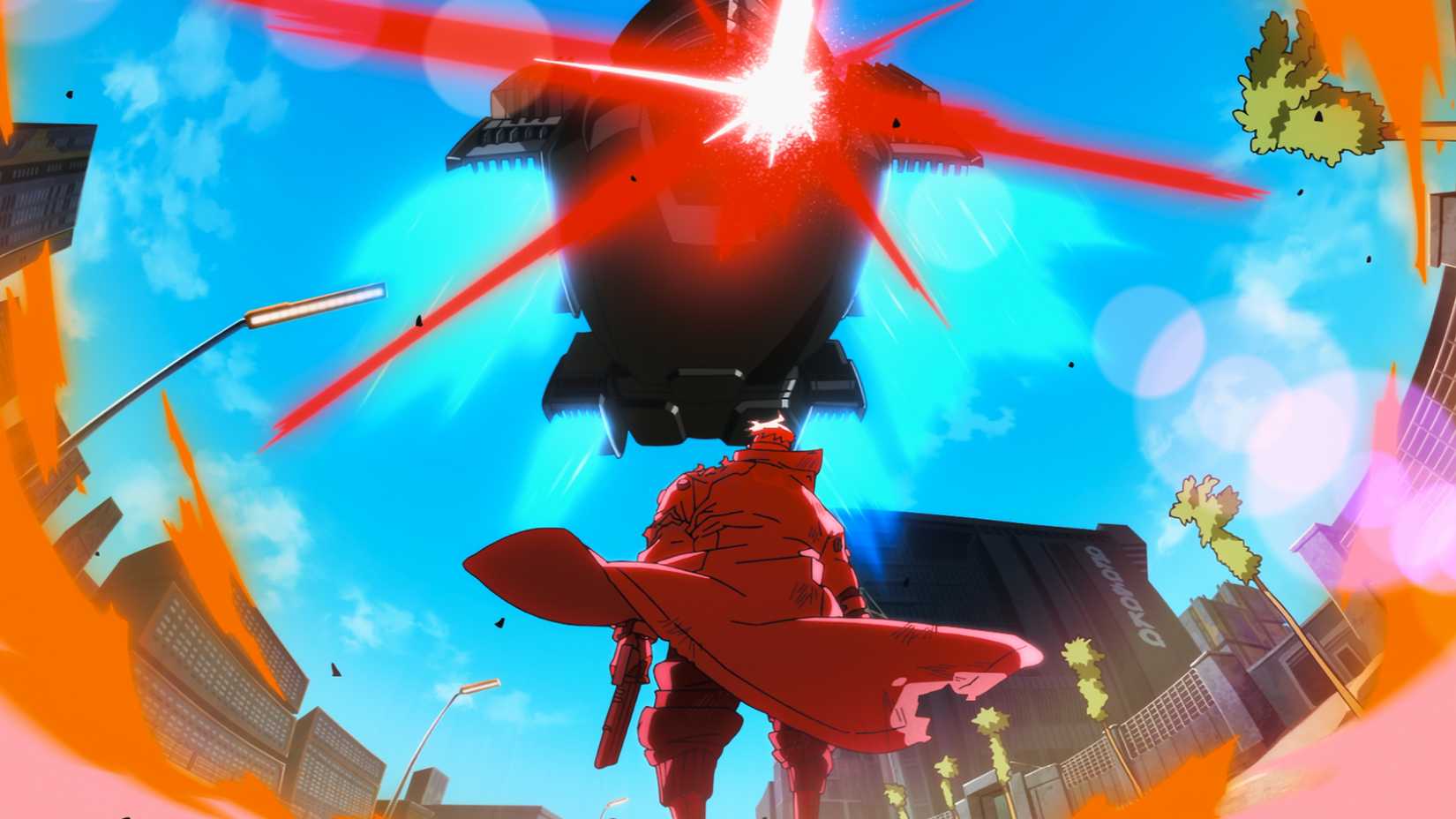
The premiere begins not with the protagonist, but with a horrifying, high-octane demonstration of what happens when human biology is pushed to its limits by cyberware. By introducing the world through a "braindance"—an immersive digital recording of a violent rampage—the series immediately establishes the commodification of violence in its world. It is a stylish, brutal, and emotionally resonant look at the human cost of technological progress.
The OA (2016)
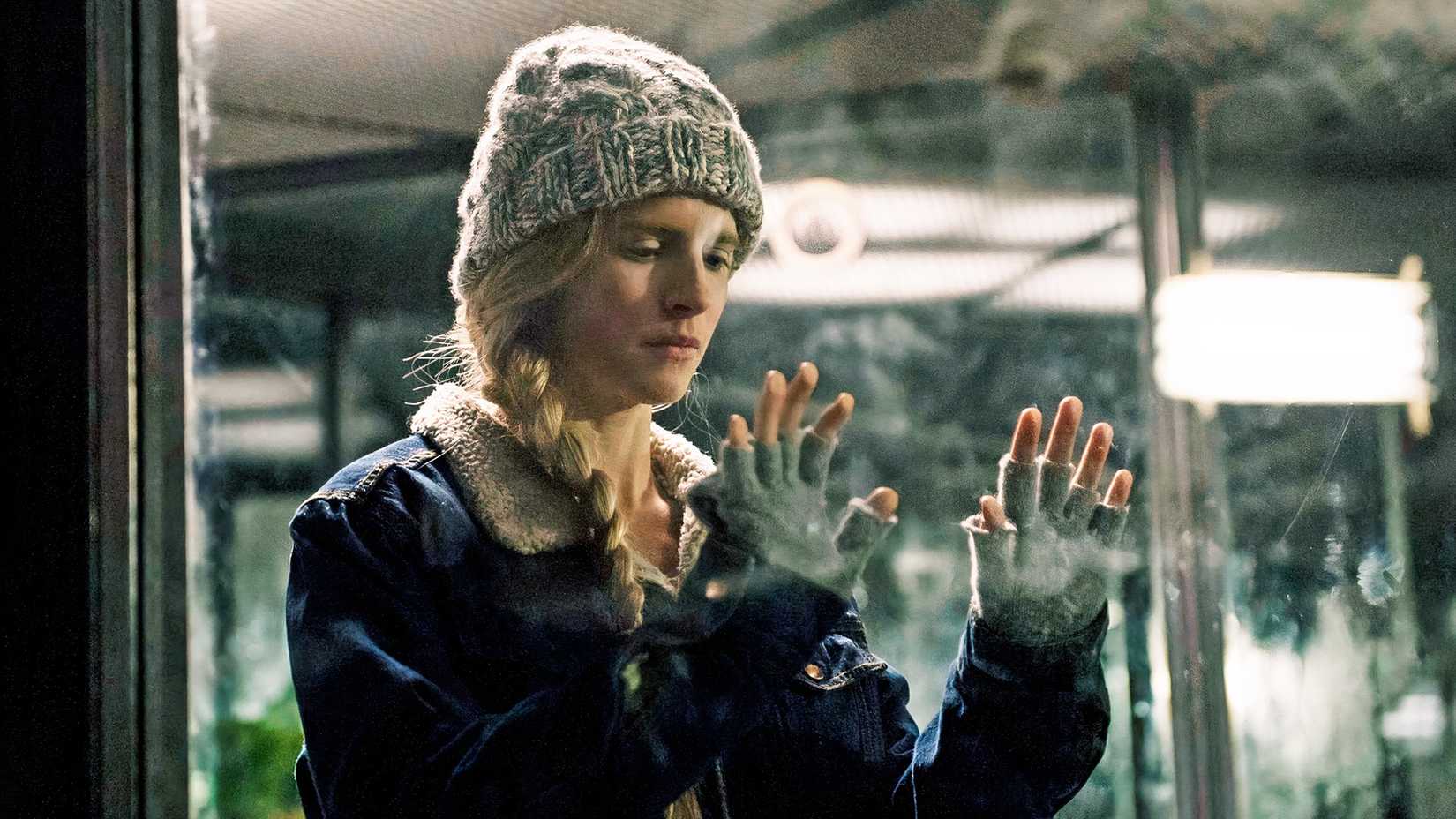
The OA is a show that thrives on mystery and the subversion of audience expectations. The story centers on Prairie Johnson, a blind woman who mysteriously returns home after disappearing for seven years—only to find that she can now see.
The series opens with grainy, shaky-cam footage of Prairie leaping from a bridge, a jarring sequence that provides zero context but immediate intrigue. Her subsequent refusal to explain where she has been, or how she recovered her sight, creates a central mystery that expands beyond the boundaries of reality. It is a show that makes the act of questioning as essential as the plot itself.
Arcane (2021)
Developed by Riot Games and animated by the French studio Fortiche, Arcane stands as a masterclass in modern animation. While it is set within the world of League of Legends, its narrative focus is on the grounded, heart-wrenching conflict between two sisters, Vi and Powder, and the divide between the prosperous city of Piltover and the neglected undercity of Zaun.
The premiere is haunting, beginning with the two sisters walking across a bridge littered with bodies in the aftermath of an uprising. The mournful music and the sight of the children navigating the devastation serve as a poignant introduction to the series’ themes of class warfare and fractured family bonds. The painterly animation style makes the brutality feel both beautiful and deeply tragic.
Dark (2017)
Concluding the list is Dark, a series that effectively redefined the capabilities of international science fiction on Netflix. Beginning as a missing-child mystery in the small town of Winden, the story quickly spirals into an intricate, multi-generational web of temporal paradoxes.
The pilot episode is deliberate and somber, opening with a meditation on the nature of time before revealing the death of Michael Kahnwald. The imagery is heavy with the weight of the past, establishing a world where every secret is connected and every action has a ripple effect through time. Dark is not just a mystery; it is an invitation to inhabit a world where cause and effect are constantly in flux, making it perhaps the most intellectually demanding and rewarding experience on this list.