







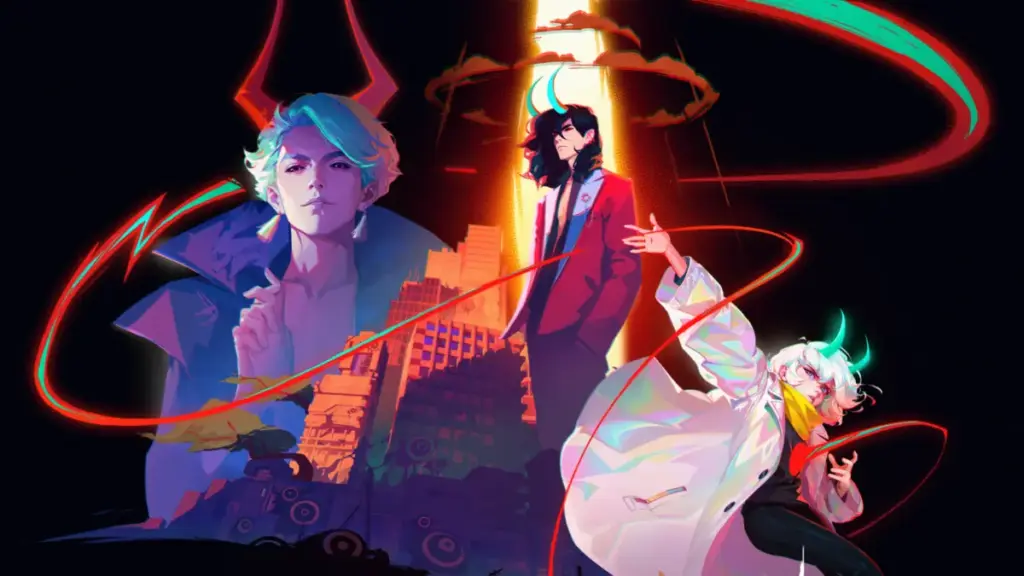
The landscape of independent game development has faced a turbulent few years, marked by shifting funding models, market saturation, and the increasingly fragile nature of studio sustainability. Heart Machine, the acclaimed developer behind the breakout hit Hyper Light Drifter, has become the latest high-profile studio to confront this reality. In a recent, candid discussion, founder Alx Preston revealed the immense pressure facing independent developers, noting that even studios with established reputations are finding it difficult to navigate an industry that seems to be in a constant state of flux.
The situation at Heart Machine reached a breaking point this past September. In a public statement shared on LinkedIn, Preston announced that the studio was forced to lay off "nearly everyone" following a decision by an unnamed publisher to abandon a project that had been in active development. This development, which effectively brought the studio’s operations to a near-total standstill, highlights the precarious nature of the "work-for-hire" and publisher-backed models that many indie developers rely on to keep their teams afloat.
A Struggle for Survival in an Uncertain Market
Speaking on a recent episode of the Point It Out podcast, Preston opened up about the emotional and professional toll of the past few months. When asked about the future of the studio, he admitted that he is still in the process of figuring out "how to survive." This uncertainty is not unique to Heart Machine; rather, it is a sentiment shared by many in the creative sector who are currently grappling with fundamental questions regarding the viability of their craft.
Preston noted that he and his peers across the industry are frequently forced to confront the same existential inquiries: "What types of games do we make? What does the industry look like? What is the audience that we’re serving? Where is the money coming from?" These questions, once perhaps secondary to the creative vision of a studio, have now moved to the forefront of every business meeting and strategic planning session.
The challenge of securing funding for smaller, experimental, or mid-sized projects has become significantly more difficult in recent years. While the narrative often focuses on the struggles of smaller independent teams, Preston emphasized that the instability is systemic. Even large-scale publishers—those he jokingly refers to as having the "infinite money glitch"—are not immune to the current economic headwinds. The industry has seen massive, sweeping layoffs across the board, with major players like Xbox cutting thousands of jobs and established, critically acclaimed teams like Sucker Punch Productions—the studio behind the hit Ghost of Yōtei—being forced to shed 10% of their staff.

"When you’re tiny, it puts pressure, in immense ways, on everyone," Preston said. For a studio the size of Heart Machine, the loss of a single publishing deal can mean the difference between existence and closure. He described the current process of seeking funding as "brutal," noting that the lack of clear pathways for financial stability is affecting the entire ecosystem of independent game development.
‘If Heart Machine Survives’
Heart Machine first rose to prominence in 2016 with the release of Hyper Light Drifter. The game was lauded for its striking 2D action, atmospheric storytelling, and a distinct retro-inspired art style that captured the imagination of the gaming community. It became a benchmark for what independent studios could achieve with a focused vision and a unique aesthetic. However, the years following that success have proven that initial acclaim does not necessarily provide immunity against the volatility of the industry.
Later projects from the studio failed to achieve the same commercial and critical momentum as their debut, leading to a difficult period of introspection. The studio’s recent, and perhaps most public, challenge involved the early access title Hyper Light Breaker. After undergoing significant layoffs in 2025, the studio was eventually forced to cancel the full release of the game. The cancellation marked a painful chapter for the team, underscoring the high cost of prolonged development cycles.
"If Heart Machine survives, I think the future is definitely different than the past," Preston reflected. He noted that the lessons learned from recent years have fundamentally altered his perspective on how to manage a studio. If the company is to continue, he envisions a model characterized by smaller, more manageable projects with significantly shorter development timelines.
The desire to pivot toward smaller-scale production is rooted in a concern for the wellbeing of his team. Long development cycles often result in burnout, as teams are stretched thin trying to meet milestones, satisfy publishers, and keep a project viable over several years. According to Preston, the pressure of maintaining a massive project for three or more years is not sustainable for the health or happiness of the staff.

"That’s not a great position to be in," Preston said, referring to the grind that often accompanies long-term game development. "Nobody’s having fun at that point."
Navigating the Future of Indie Development
The challenges outlined by Preston are symptomatic of a broader shift in how video games are financed and consumed. As the industry moves further into a cycle where discoverability is difficult and the cost of development continues to rise, smaller studios are finding that they must adapt or risk being left behind.
Preston’s recent appearances, including his discussion with Blumhouse Games head Amanda Kruse and Yacht Club Games co-founder Sean Velasco, serve as a broader forum for these concerns. The conversation is no longer just about making "good games"; it is about creating a structure where that creativity can persist without the constant threat of total collapse.
The industry is currently in a period of intense contraction, where the "growth at all costs" mentality of the previous decade is being replaced by a more cautious, perhaps more pragmatic, approach. For developers like Preston, the goal is to find a way to honor the creative passion that launched Heart Machine in the first place, while acknowledging that the business side of the medium has become a much more hostile environment.
As Heart Machine moves forward, the focus remains on the possibility of a different path—one that prioritizes sustainability and team longevity over the high-stakes, high-pressure cycles that have defined the studio’s recent past. Whether or not this shift in strategy will be enough to stabilize the studio remains to be seen, but Preston’s transparency serves as a sobering reminder of the realities facing many of the creators behind the games we play. The road ahead is undoubtedly difficult, but the conversation surrounding how to preserve the independent spirit in a changing market is perhaps more vital now than it has ever been.