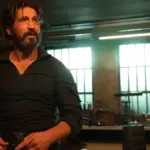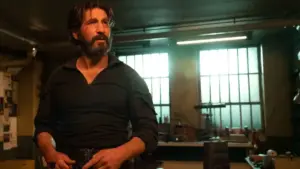









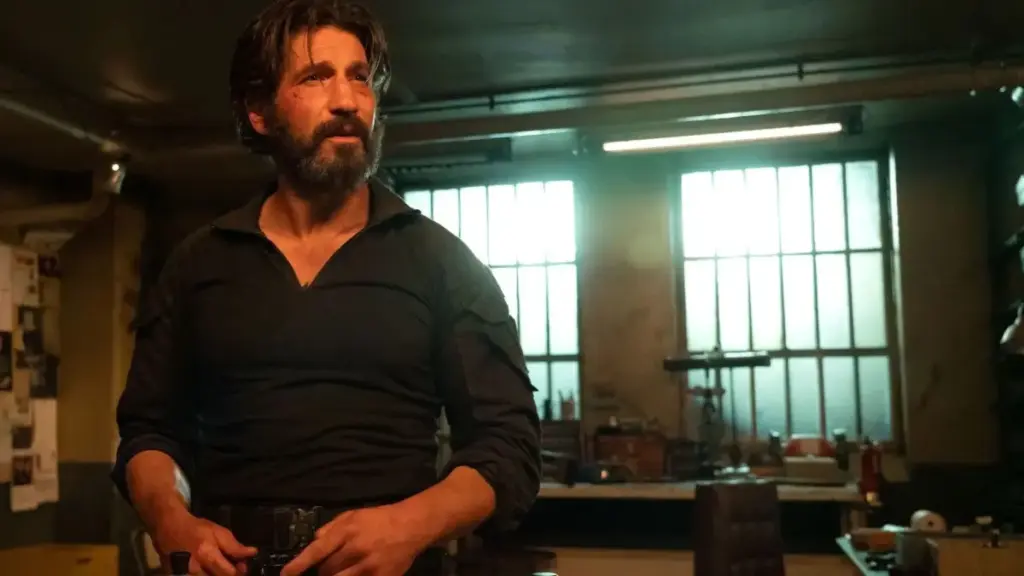
In the crowded landscape of modern superhero entertainment, the question of "perfect casting" often dominates fan discourse. As iconic roles like Superman and Spider-Man are passed between generations of actors, audiences frequently weigh the merits of different interpretations. However, every so often, a performance arrives that feels so definitive it seems to rewrite the character’s DNA. Nine years ago, that moment arrived when Jon Bernthal stepped into the boots of Frank Castle for Netflix’s The Punisher. By delivering a performance that was as physically imposing as it was emotionally hollowed out, Bernthal cemented his version of the character as one of the grittiest, most uncompromising figures in the history of comic book adaptations.
Bernthal’s journey as the anti-hero began in the halls of Daredevil, where his introduction served as a brutal foil to Matt Murdock’s moral absolutism. The groundwork laid during those early appearances—marked by a relentless, singular hunt for the men responsible for the murder of his family—provided the necessary emotional scaffolding for his transition to a solo series. When The Punisher debuted, it didn’t just capitalize on the momentum of the character’s popularity; it expanded the scope of the story, forcing Frank into an uneasy alliance with David "Micro" Liberman, a tech-savvy former analyst played by Ebon Moss-Bachrach, while navigating the treacherous betrayals of his past through Billy Russo (Ben Barnes) and the relentless pursuit of Homeland Security agent Dinah Madani (Amber Rose Revah).
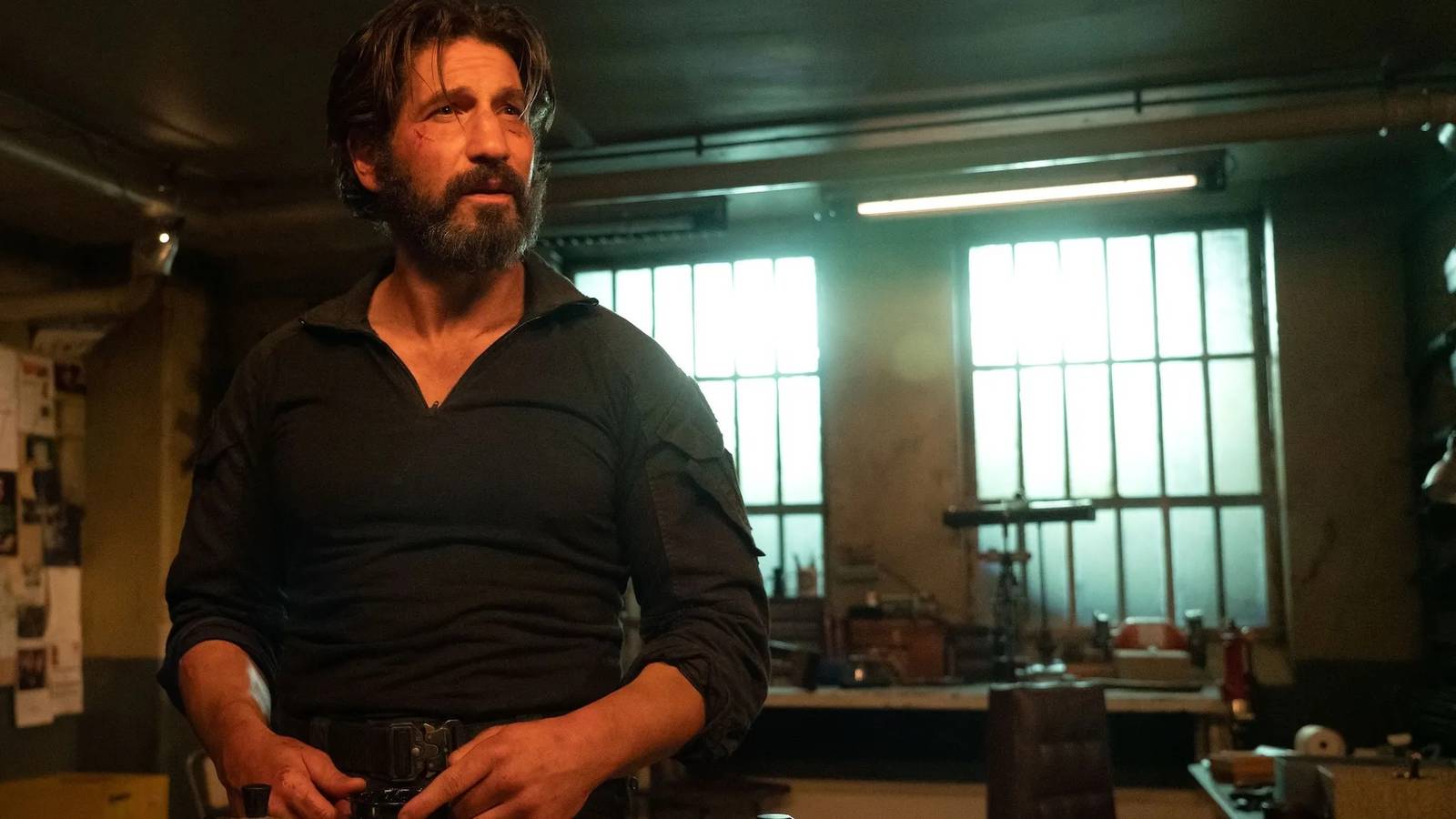
‘The Punisher’ Doesn’t Shy Away from Character Complexity
What sets The Punisher apart from its peers in the broader Marvel canon is its refusal to rely on the crutches of traditional superhero tropes. Frank Castle has no superpowers, no colorful cape, and no moral high ground to retreat to. His arsenal is composed of standard-issue firearms, and his methodology is rooted in the brutal realities of military combat. Yet, the series consistently highlights the futility of his mission. Frank is a man who recognizes, perhaps too late, that the body count he leaves in his wake is a hollow victory—a pile of dead criminals that does nothing to fill the cavernous void left by the loss of his wife and children.
This inherent tragedy was echoed by writer Jason Aaron in the afterword to Punisher: The King of Killers. Aaron frames Castle’s existence not as a heroic journey, but as a long, slow tragedy defined by a man who finds peace only in the act of slaughtering those he deems wicked. This perspective is central to the show’s tone, which never shies away from the realities of PTSD. The series posits that for Frank, the war never actually ended; it simply moved from the deserts of the Middle East to the concrete corridors of New York City.

Bernthal himself has been vocal about why this specific interpretation resonated so deeply with him. In various interviews, including a notable profile with GQ, the actor emphasized that the lack of "super" elements was the very thing that made the role compelling. "He ain’t got a fing cape," Bernthal famously remarked. "He ain’t got any superpowers. He’s a fing tortured, angry father and husband who’s living in this unbelievable world of darkness and loss and torment." This raw, human vulnerability is what separates Bernthal’s Punisher from the more stylized versions of the past; he isn’t playing an archetype, but a man drowning in grief.
The narrative of the series frequently tests the limits of this grief, giving Castle ample opportunities to vent his fury. A standout moment from the first season remains the harrowing confrontation with Billy Russo. After discovering that his former friend was complicit in the ambush that killed his family, Castle does not simply execute him. In a sequence that became emblematic of the show’s visceral style, he grinds Russo’s face into a jagged mirror, effectively ending the life of the man he once called a brother and birthing the heavily scarred antagonist known as Jigsaw. It is a scene defined by its ugliness—blood-soaked, desperate, and devoid of the polished choreography typically found in the genre. Whether through high-stakes firefights or close-quarters combat, the show maintained a relentless pace, ensuring that the audience felt the heavy cost of every bullet fired.

Jon Bernthal Recently Returned to Play the Punisher
For a time, the cancellation of the Netflix-Marvel series in 2019 felt like the final chapter for Bernthal’s tenure. The industry seemed to be moving in a different direction, and the gritty, street-level realism of the Defenders era appeared to be an artifact of the past. However, the changing tides of the streaming landscape and the integration of these characters into the broader Disney+ ecosystem led to an unexpected resurrection.
The revival of the character within Daredevil: Born Again was not a simple port-over of the old series, but rather a creative evolution. Following extensive discussions with Bernthal and the involvement of writer Dario Scardapane—whose work on the original Punisher series provided a crucial touchstone—the character was brought back to the screen. The writers took care to acknowledge the contemporary context surrounding the character, specifically the misappropriation of the Punisher skull logo by real-world law enforcement groups. In a pivotal moment that served as a powerful statement on the character’s true nature, Frank Castle denounced a group of corrupt officers who had adopted his symbol to justify their own brutal violence. In a scene that felt like a definitive reclamation of the character, he dismantled them in a cold-blooded display of lethal force, effectively distancing his personal crusade from the ideologies of those who would pervert it.
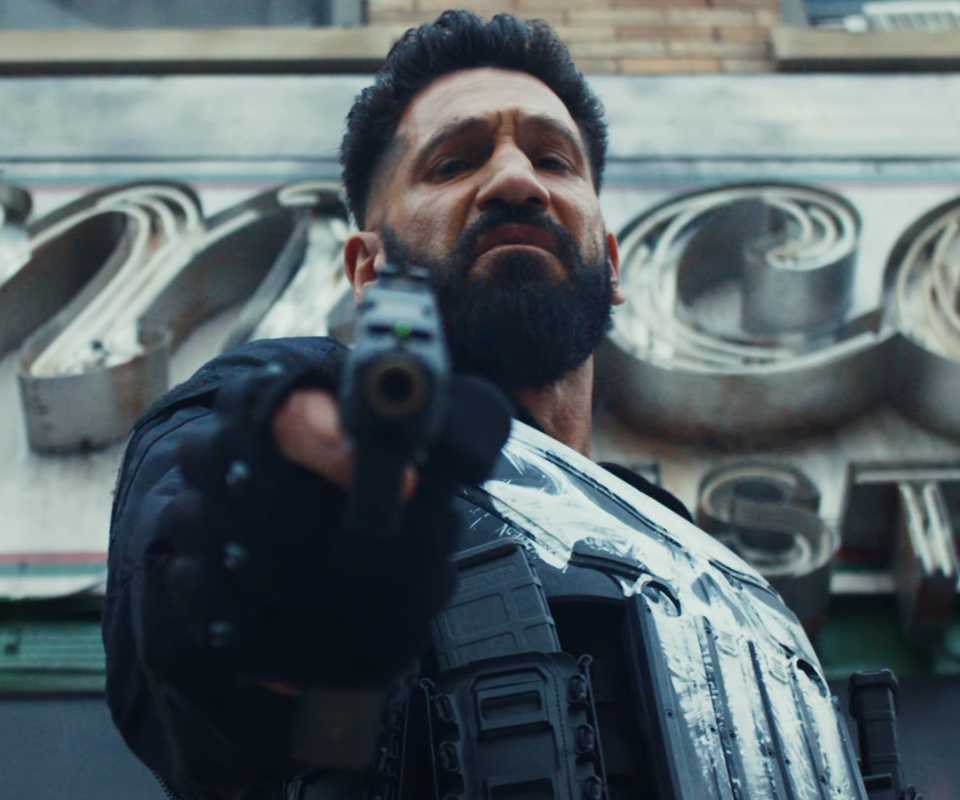
Bernthal’s commitment to the role has only deepened in the years since that return. He notably co-wrote and starred in the Marvel Special Presentation The Punisher: One Last Kill, a project that allowed him to explore the character’s psyche with even greater creative autonomy. His participation in Spider-Man: Brand New Day further solidified his status as a cornerstone of this interconnected world, proving that despite the passage of time and the shift in tone across various projects, the character of Frank Castle remains a vital, if volatile, force.
For those who missed the original run or are looking to revisit the series, The Punisher remains a towering achievement in character-driven action. It is, at its core, a show about the limits of human endurance and the high cost of a vengeance that can never truly be satisfied. Its refusal to offer easy answers or moral comfort is exactly what makes it so enduring. In the hands of Jon Bernthal, Frank Castle is more than just a vigilante; he is a cautionary tale, a brutal mirror held up to a society that often prefers its heroes to be clean, righteous, and hopeful. Bernthal’s Punisher is none of those things, and that is precisely why he remains one of the most compelling figures in modern entertainment. As the character continues to navigate his place in the expanded Marvel universe, one thing remains clear: the legacy of the Punisher is far from settled, and it is as uncompromising as the man behind the skull.