




In an era where major media conglomerates and streaming platforms are constantly scouring their libraries for intellectual property to reboot, reimagine, or expand, the horror genre has become a primary target. From the suburban psychological tensions of Bates Motel—a prequel to Alfred Hitchcock’s Psycho—to the expansive, terrifying world of Derry in the IT franchise, the industry has discovered that there is a reliable, built-in audience waiting to revisit the origins of iconic cinematic nightmares. By peeling back the layers of established villains and legendary settings, studios have found a consistent formula for success, banking on the audience’s pre-existing emotional connection to these storied franchises.
The Friday the 13th series is the latest to succumb to this industry-wide trend of historical excavation. The recent debut of Crystal Lake, a high-profile series produced by A24 for Peacock, has brought the focus back to the genesis of one of the most famous killers in film history. The show centers on the character of Pamela Voorhees, played by the legendary Betsy Palmer in the original 1980 film, exploring the psychological breakdown of Jason Voorhees’ mother. While the series has garnered critical attention and a generally positive reception, it raises a question often posed when dealing with such foundational horror lore: was a prequel truly necessary?
Many horror purists would argue that the origin of the Voorhees legacy was already perfectly captured in Sean S. Cunningham’s 1980 classic, Friday the 13th. For those looking to revisit the source material, or for new fans curious about where the slasher phenomenon truly found its footing, the original film is currently available to watch for free on YouTube, offering a masterclass in tension and practical effects that still holds up nearly half a century later.
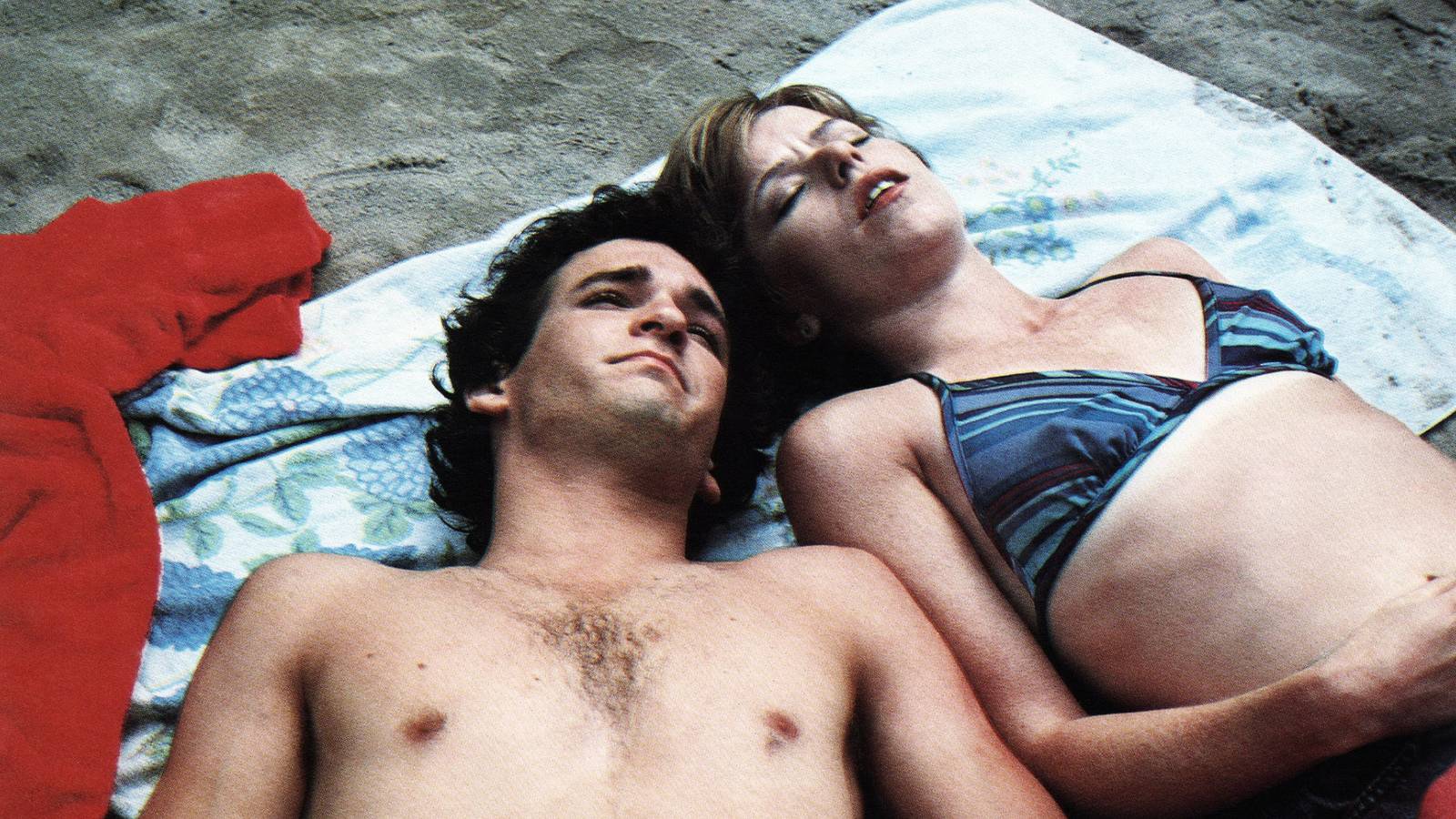
How Friday the 13th Redefined the Slasher Genre
To understand the impact of the original Friday the 13th, one must consider the landscape of horror in the late 1970s. Following the massive, genre-defining success of John Carpenter’s Halloween in 1978, the slasher subgenre was suddenly flooded with imitators. Filmmakers and studios were desperate to capitalize on the public’s newfound appetite for suspense, isolation, and masked killers. Films like Black Christmas and The Texas Chain Saw Massacre had already laid the groundwork, but the market was becoming saturated. Sean S. Cunningham and screenwriter Victor Miller faced the daunting challenge of creating a film that was not merely a copycat, but a distinct, memorable entry that could elevate the tropes established by their predecessors.
On the surface, Friday the 13th appears to check all the standard boxes: a group of young, hormone-driven camp counselors, a secluded setting in the woods, a pervasive sense of dread, and a series of grisly, systematic murders. Yet, the film possesses a distinct sharpness that set it apart from its contemporaries. It moved beyond the simple "killer in a mask" archetype by asking two fundamental, daring questions that would change the trajectory of the slasher subgenre forever.
The first of these questions concerned the nature of the killer. By centering the film’s terror on a grieving, vengeful mother rather than a standard masked slasher, the filmmakers tapped into a different kind of horror—one rooted in grief, societal rejection, and a desperate, fractured love. The second question was purely technical: how could they make the violence more visceral than anything seen on screen before? To answer this, Cunningham and Paramount turned to the legendary makeup and effects artist Tom Savini, fresh off his groundbreaking work on George A. Romero’s Dawn of the Dead.

Savini’s involvement was the catalyst that transformed Friday the 13th into one of the bloodiest and most influential films of the decade. While other slashers relied on off-screen violence or quick, suggestive cuts to build terror, Savini opted for a different approach. He elevated the death scenes to a form of practical-effects art. The kills were not just plot points; they were spectacles of gore that shocked audiences and pushed the boundaries of what the Motion Picture Association of America would allow in a mainstream theatrical release.
A prime example of this technical mastery is the death of Jack, one of the camp counselors. In a scene that remains a hallmark of 1980s horror, the character is stabbed through the neck while lying in bed. Working with a prosthetic neck piece and a sophisticated pump system, Savini and his team created a blood-spurt effect that, at the time, felt terrifyingly realistic. It was a visceral reminder that the filmmakers were not holding back, and it cemented the film’s reputation as a pioneer in the realm of realistic, practical gore.
The Legacy of Pamela Voorhees
Perhaps the most significant departure from the standard slasher template was the revelation of the killer’s identity. In a genre that was, and remains, heavily dominated by masculine rage and male antagonists, the reveal that Pamela Voorhees was the force behind the slaughter was a profound subversion of audience expectations. She was not a supernatural entity or a faceless boogeyman, but a woman driven to madness by the tragic loss of her disabled son and the perceived negligence of the society around her.
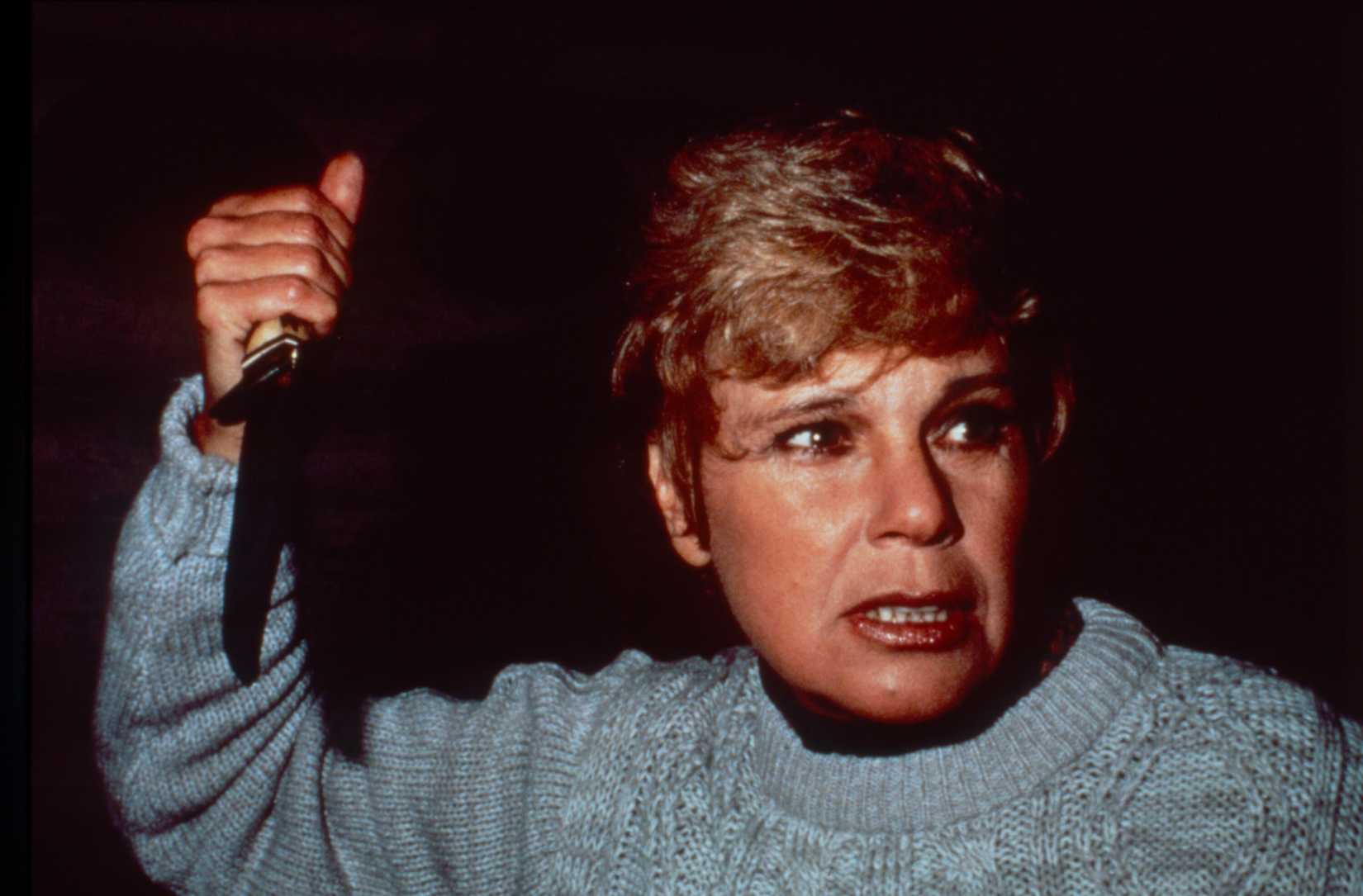
This human element provided a complex, albeit dark, layer of empathy that is rarely afforded to horror antagonists. Even as the audience watched her carry out brutal, calculated murders against the unsuspecting camp staff, there was a tragic dimension to her character. She was a mother who had lost everything, and her descent into violence was portrayed as a direct consequence of that grief. This complexity stood in stark contrast to the depiction of figures like Michael Myers, who was frequently framed as "the Shape"—evil incarnate, devoid of history or human motivation. Pamela Voorhees was a character with a history, a motive, and a disturbing, relatable humanity.
For 46 years, the shadow of the original film has loomed over the entire franchise. Even as the series evolved into the iconic Friday the 13th sequels—eventually shifting the focus to her son, Jason, and his signature hockey mask—the core emotional foundation remained rooted in that first summer at Camp Crystal Lake. The franchise moved through various iterations, from supernatural slasher to space-faring horror, yet the original film remains the purest distillation of the mythos.
Now, as the narrative returns to the beginning with the Crystal Lake television series, the industry is once again reminded of the enduring power of the source material. While it is not yet clear whether the new series will secure a second season, its existence serves as a testament to the fact that the story of the Voorhees family remains a cornerstone of the horror genre. For fans of the franchise, the arrival of a new series is an exciting development, but it also serves as a perfect excuse to revisit the roots of the legend. Regardless of how the new show unfolds, the original 1980 film remains an essential viewing experience, a testament to a time when horror was redefined by practical effects, a chilling atmosphere, and the singular, tragic rage of a mother.
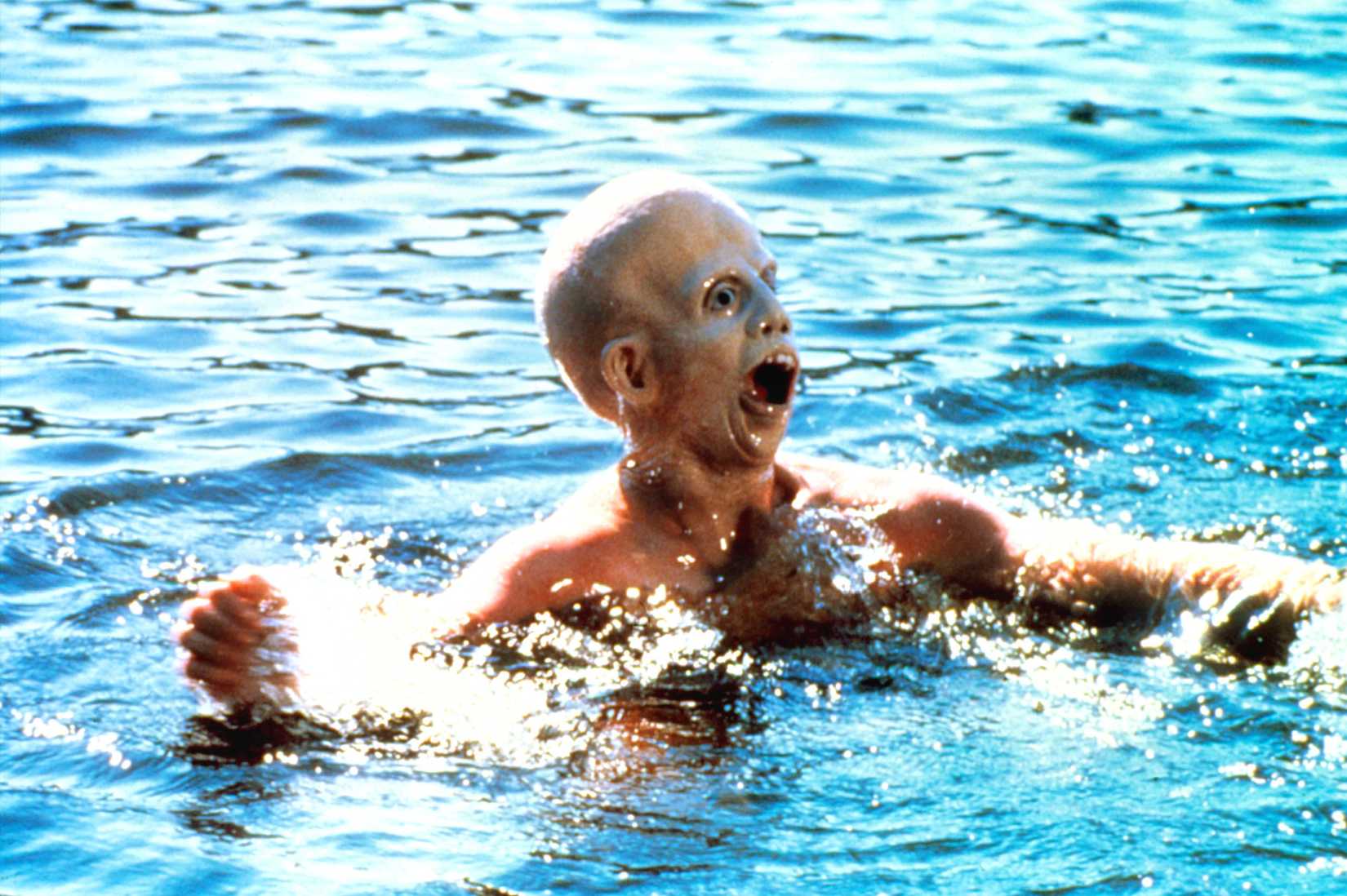
Friday the 13th is currently available to stream for free on YouTube, providing an accessible way to experience the foundation of a horror legacy that continues to resonate decades later. Whether viewed for the first time or the fiftieth, the film stands as a reminder that even when new stories are told, there is simply no substitute for the original.