









The 2020s have been an exhausting six-year span, defined by a fracturing social contract and a reality that feels increasingly untethered from logic. It is a period marked by a relentless "meat-grinder" of global quarantines, the numbing cycle of algorithmic doomscrolling, and an unchecked acceleration in artificial intelligence that has pushed the boundaries of human experience into territory once reserved for the most dystopian science fiction. As our physical and digital worlds have grown smaller, meaner, and infinitely more unhinged, the sprawling, optimistic epics that characterized the 2010s no longer resonate with the collective psyche.
In response, contemporary literature has pivoted. The books that now capture the zeitgeist are those that grapple with the disorientation of our current moment. Selecting the ten most essential books released since 2020 was a task of intense distillation, requiring the exclusion of many exceptional works to spotlight those that take the biggest risks and linger long after the final page is turned. From the metaphysical horrors of the First World War to sharp, uncomfortable reimaginings of American mythology and investigative journalism that moves with the pacing of a high-stakes thriller, these are the ten works that demand to be reckoned with.
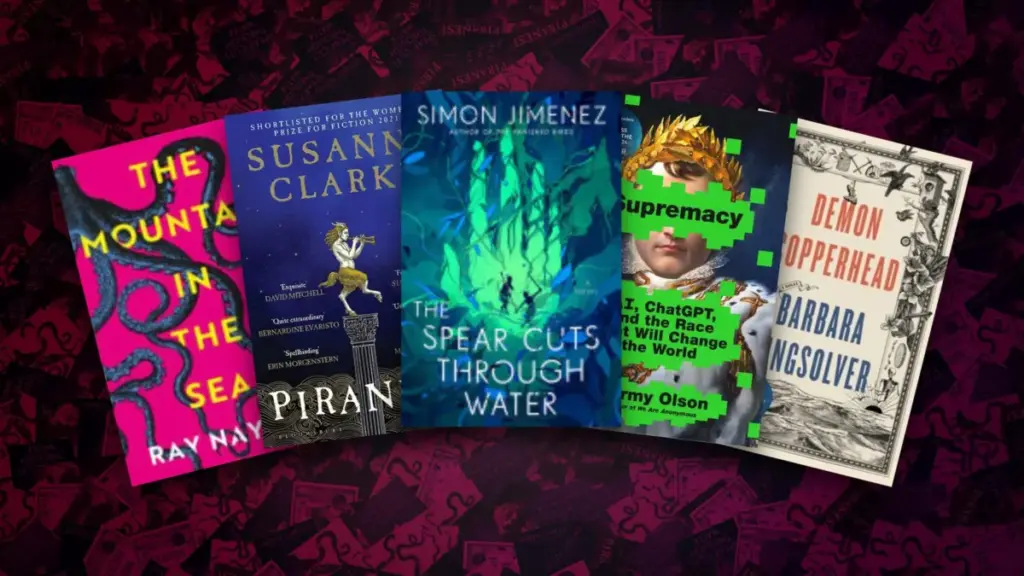
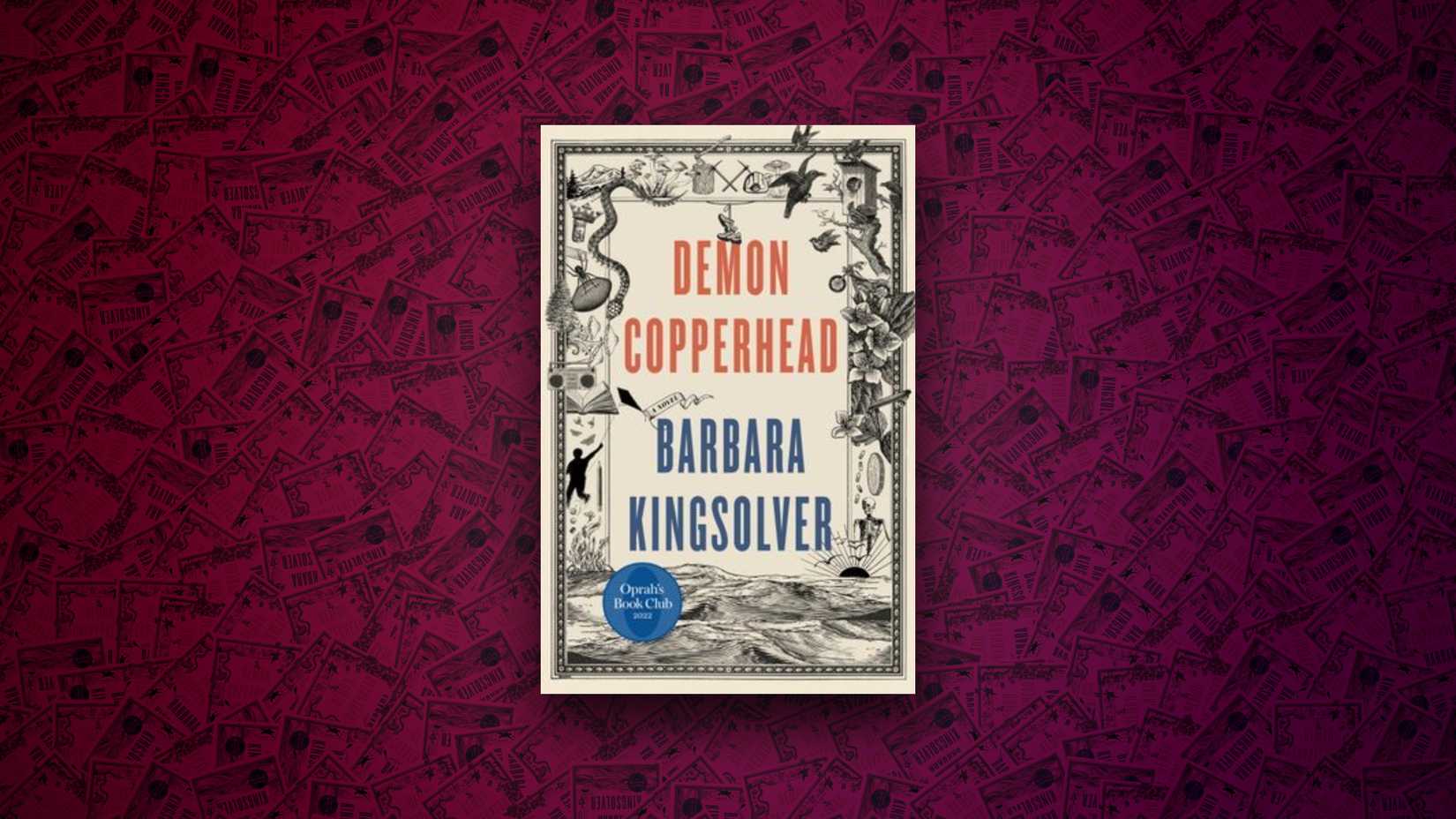
Demon Copperhead by Barbara Kingsolver (2022)
Updating a classic such as Charles Dickens’ David Copperfield is a precarious endeavor that frequently results in hollow gimmickry. However, Barbara Kingsolver’s transposition of the narrative to modern-day Appalachia stands as a staggering achievement in contemporary fiction. Demon Copperhead thrusts its protagonist into a brutal cycle of foster care, systemic rural poverty, and the epicenter of the American opioid epidemic. The novel’s success hinges entirely on the authenticity of Demon’s voice—a sharp, observational wit that cuts through the debris of his environment.

Kingsolver successfully avoids the trap of "poverty porn." Instead, she provides a harrowing, bruising look at a life shaped by institutional failures. The novel serves as a narrative companion to Patrick Radden Keefe’s nonfiction exploration of the opioid crisis, Empire of Pain, illustrating the human fallout of unchecked corporate greed. Despite the grim nature of its subject matter, the narrative momentum remains relentless, confirming Demon Copperhead as a sweeping epic that fully justifies its own ambition and offers one of the most resilient protagonists in recent memory.
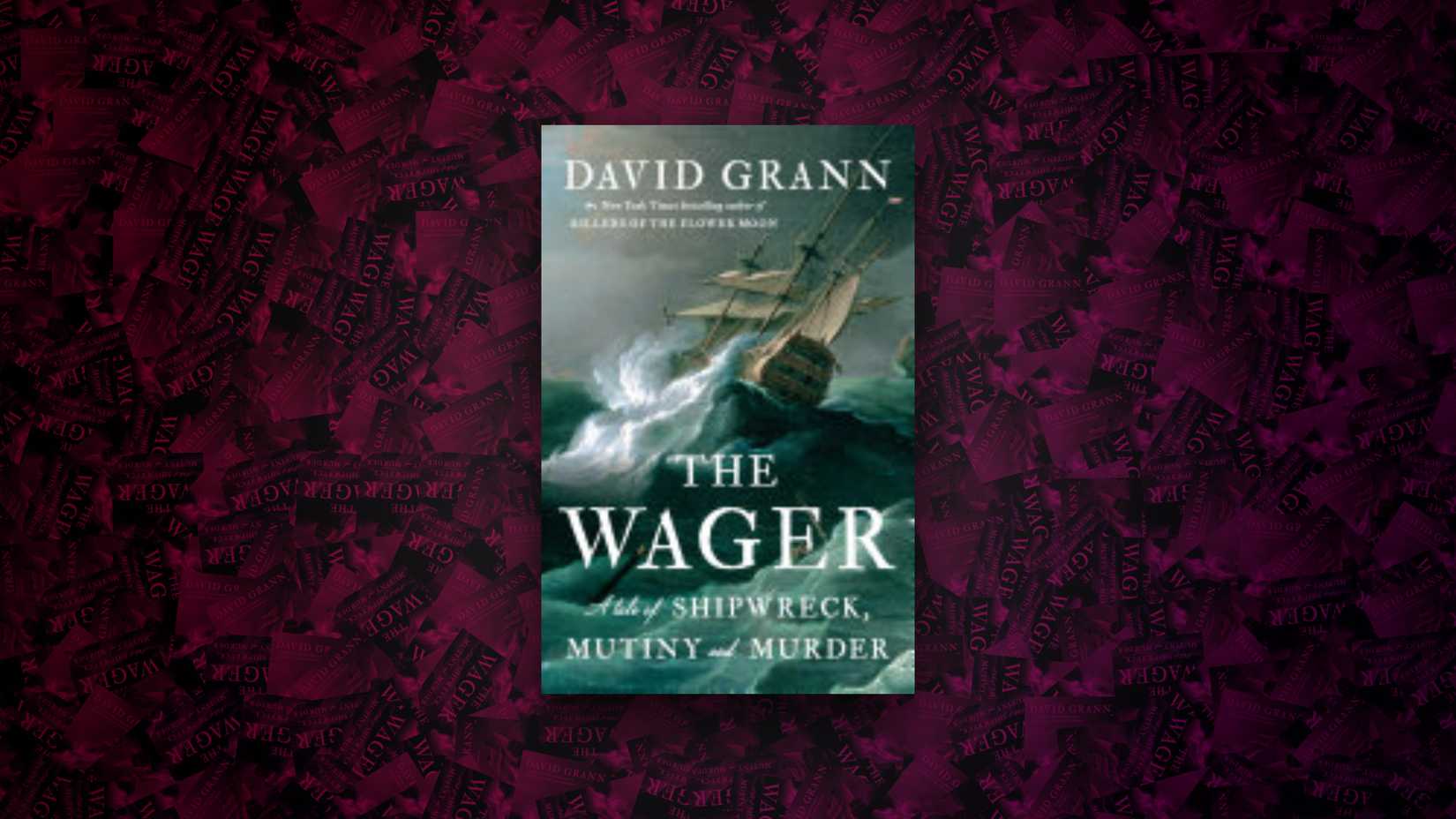
The Wager by David Grann (2023)
David Grann has solidified his reputation as the premier chronicler of historical archives, possessing a unique ability to transform dusty records into gripping, high-stakes narratives. The Wager follows the catastrophic 1741 voyage of a British naval vessel tasked with chasing a Spanish galleon, a mission that descends into chaos when the ship wrecks off the desolate, unforgiving coast of Patagonia. What begins as a classic maritime survival tale, filled with the horrors of scurvy and starvation, eventually mutates into a tense psychological thriller regarding mutiny and the fragility of authority.
The true brilliance of the book emerges in its latter half, as the survivors return to England, each providing conflicting, self-serving accounts of their time on the island to avoid the gallows. It is a masterful study of how history is constructed, manipulated, and weaponized by those in power. Grann’s pacing remains relentless throughout, making the reading experience feel like an intense survival game where the environment is as dangerous as the shifting alliances of the crew.
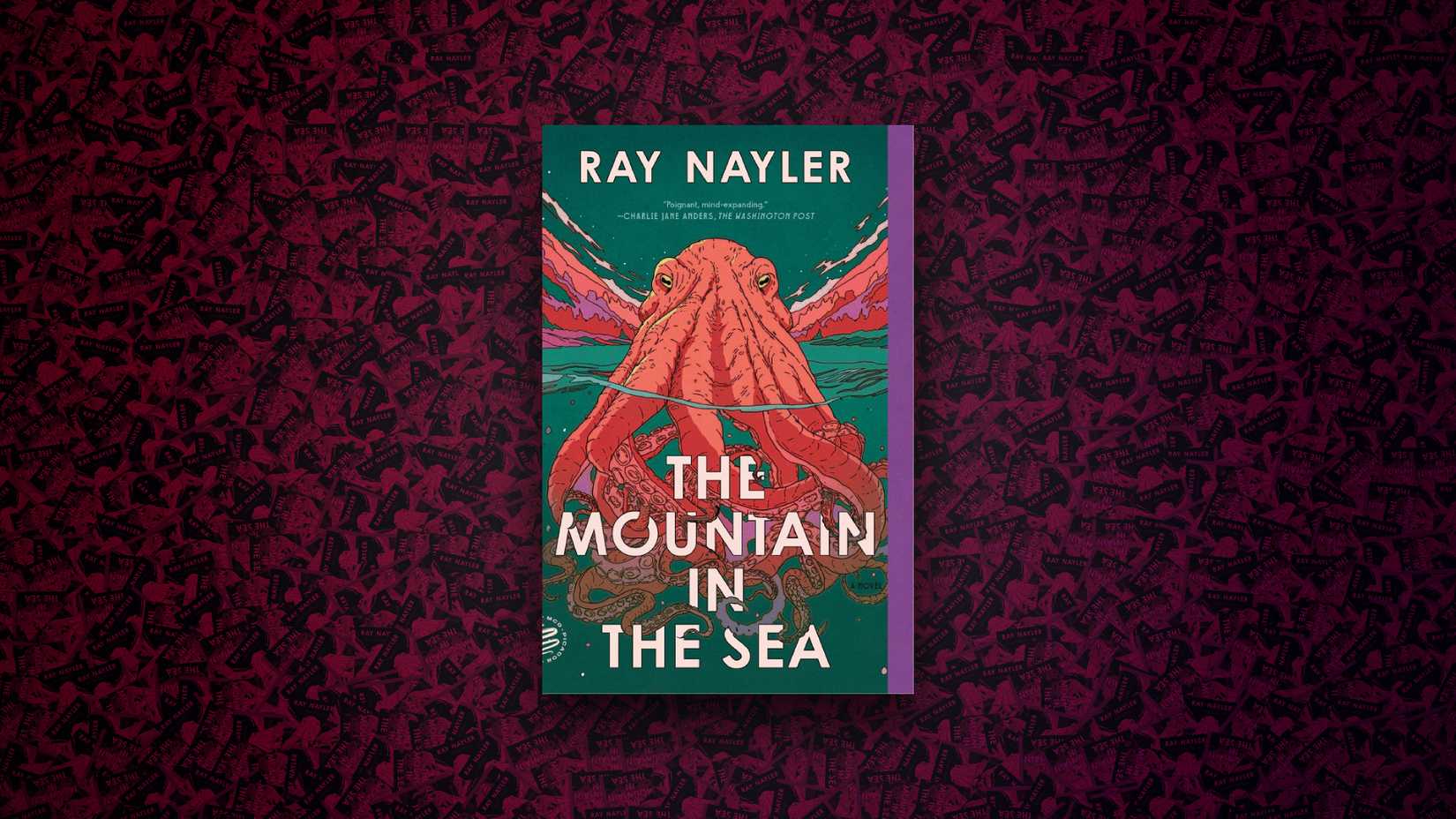
The Mountain in the Sea by Ray Nayler (2022)
While it is a common trope to suggest we know more about the depths of space than the depths of our own oceans, Ray Nayler’s first-contact thriller leans into this mystery by focusing entirely on the sea. When a remote archipelago off the coast of Vietnam is placed under the control of a shadowy tech conglomerate, a marine biologist is recruited to study a hyper-intelligent species of octopus that has developed its own distinct culture and language.
Nayler utilizes this setup to construct a tense narrative that interrogates the fundamental nature of consciousness. He deftly balances the biological research with subplot threads involving a hacker navigating the dark realities of neural-interface slavery and the development of the world’s first truly autonomous artificial intelligence. It is hard science fiction that refuses to sacrifice intellectual depth for speed, exploring the inevitability of corporate power seeking to monetize any intelligence it cannot control. For those who appreciate system-driven storytelling and the analytical precision of classic cyberpunk, this novel remains a definitive look at bio-ethics and the dangers of tech monopolies.
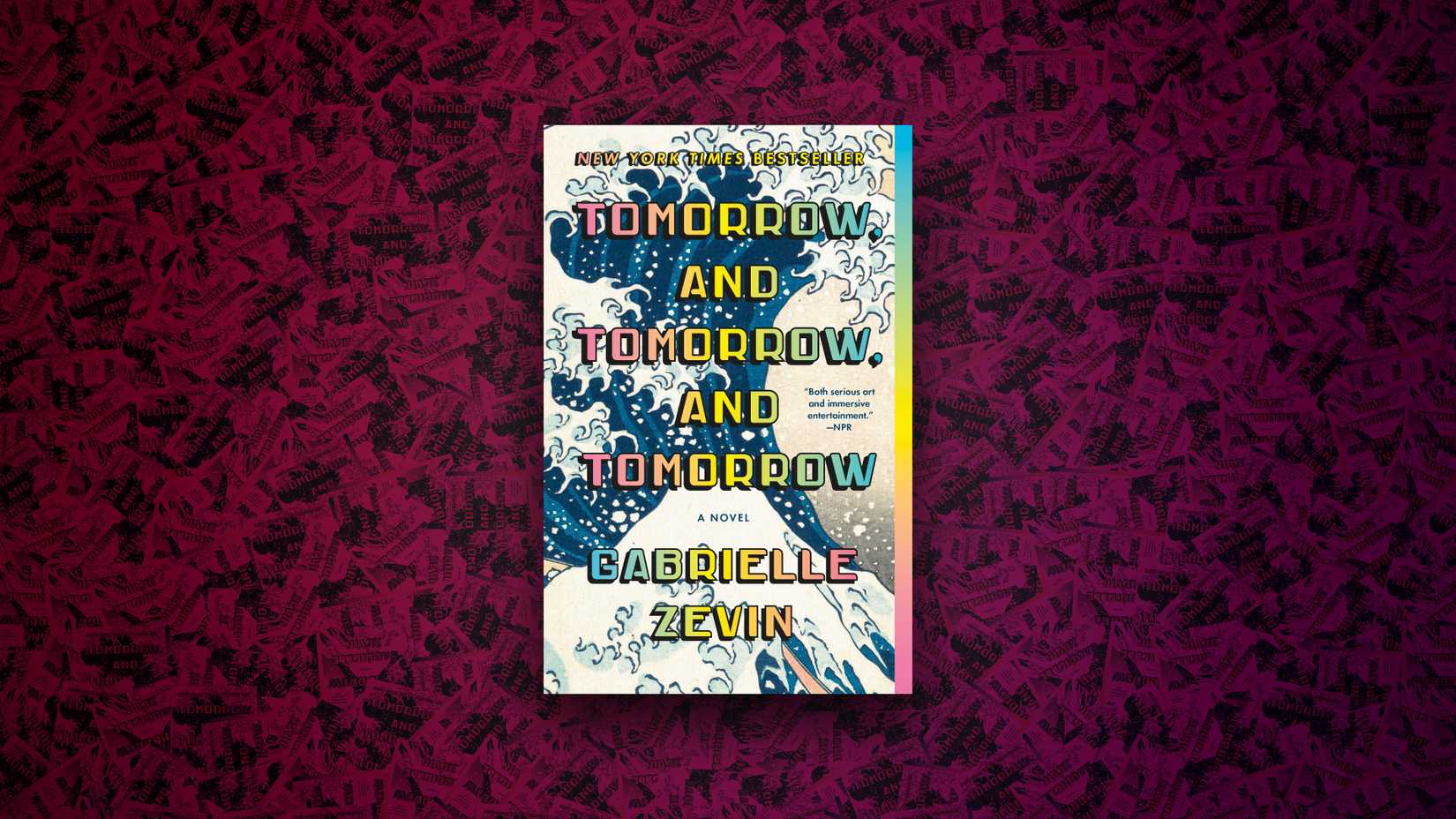
Tomorrow, and Tomorrow, and Tomorrow by Gabrielle Zevin (2022)
The development cycle of a video game is often viewed as a cold, technical process, yet Gabrielle Zevin captures the raw, human romance of that collaborative journey with remarkable detail. Following two childhood friends who create a massive indie hit in the late 1990s, the novel spans decades of their fraught, codependent creative partnership.
Zevin treats game design as a profound artistic medium, accurately depicting the constraints of engine limitations, the toxicity of crunch culture, and the intimacy of communicating through code and world-building. It is a poignant story about ambition and grief, demonstrating how digital spaces can function as sanctuaries when the physical world feels unsustainable. One does not need to be a gamer to be moved by this narrative, though those familiar with the industry will find the emotional stakes amplified by the authenticity of Zevin’s world.
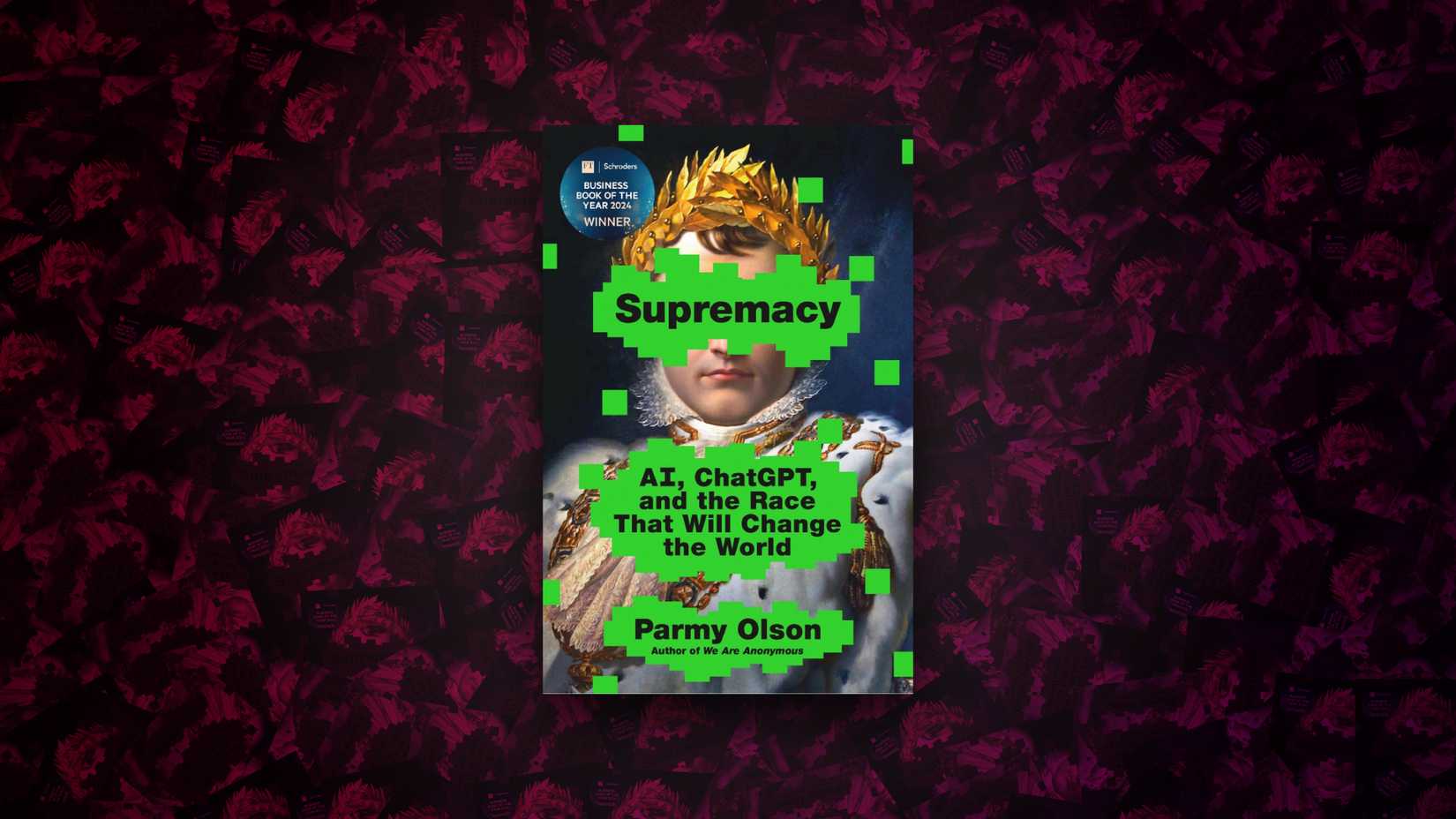
Supremacy by Parmy Olson (2024)
We are currently witnessing one of the most significant technological land grabs in human history, and Parmy Olson’s Supremacy captures the timeline of this rise with the urgency of breaking news. The book frames the race for Artificial General Intelligence between OpenAI and Google’s DeepMind as a cutthroat corporate thriller. Olson strips away the messianic PR often associated with Silicon Valley to focus on the boardroom maneuvers, the scramble for computing power, and the ethical compromises made in the pursuit of dominance.
The existential stakes of AI, often explored in animation and speculative fiction, are here rendered in the cold, hard reality of venture capital and ego. It is a vital piece of technology journalism that focuses on the flawed architects of our future. Much like other significant works in the field, Supremacy is essential reading for anyone attempting to understand the structural forces currently reshaping the digital landscape.
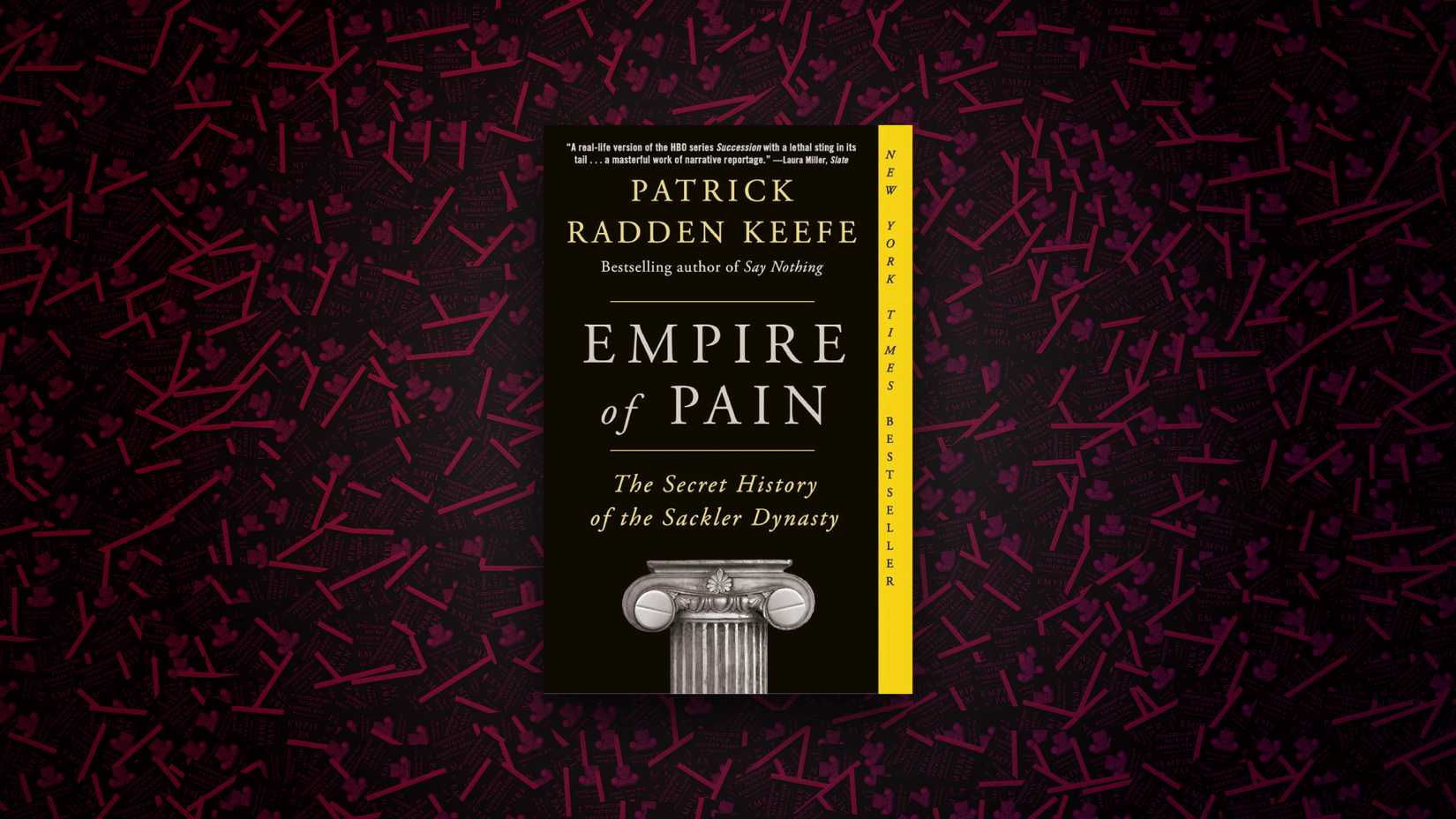
Empire of Pain by Patrick Radden Keefe (2021)
Empire of Pain offers a meticulous dissection of the Sackler family dynasty, tracing the path from their origins to their role in engineering the OxyContin crisis. Patrick Radden Keefe illustrates how the family shielded their reputation through strategic philanthropy and the acquisition of institutional prestige, all while profiting from a public health catastrophe.
Keefe approaches his subject with the structure and tension of a prestige crime drama. The book reads with the momentum of a thriller, revealing how elite wealth can purchase immunity and influence public perception. By breaking down the procedural failures of regulatory bodies and the marketing tactics of the pharmaceutical industry, Keefe delivers a devastating indictment of modern American capitalism.
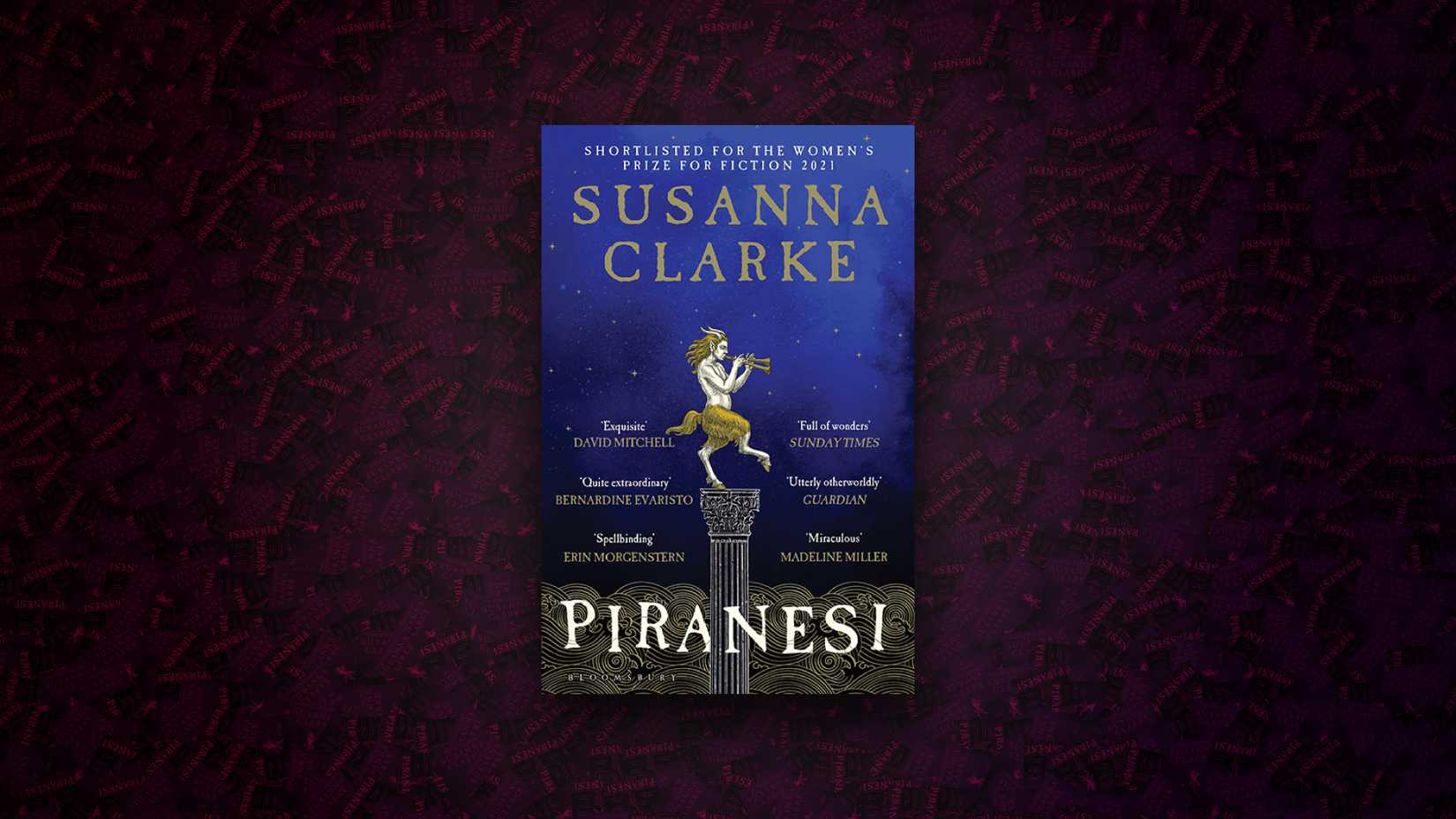
Piranesi by Susanna Clarke (2020)
Piranesi possesses a quiet, meditative melancholy that is rare in contemporary literature. Susanna Clarke strands her titular character in an infinite, labyrinthine "House," a structure containing thousands of marble statues and halls flooded by tides. While the character is initially content in his isolation, the narrative shifts into a gripping thriller as the outside world begins to intrude upon his reality.
The true draw of the book is its atmospheric mastery of negative space and silence. It is a study in world-building through limitation, where the reader is forced to learn the architecture of an impossible environment alongside the protagonist. For those drawn to themes of liminality and the psychological weight of isolation, Piranesi serves as a profound, must-read experience.
The Spear Cuts Through Water by Simon Jimenez (2022)
In a genre often dominated by rigid forms and predictable tropes, Simon Jimenez’s The Spear Cuts Through Water represents a radical departure. The story follows two warriors escorting an escaped moon goddess across a dying empire, but it is the structure of the narrative that truly stands out. Jimenez shifts between first, second, and third-person perspectives, often accompanied by a Greek chorus of ancestral ghosts.
The prose possesses a kinetic energy that makes the action sequences feel like high-end, fluid animation. By reinventing the structure of mythic fantasy, Jimenez has produced one of the most formally inventive works of the decade, rewarding the reader’s attention with a challenging and deeply immersive experience.
James by Percival Everett (2024)
Percival Everett’s James is an audacious re-centering of Mark Twain’s Adventures of Huckleberry Finn. By shifting the perspective to Jim, Everett strips away the caricature of the 1884 original to reveal a character of immense agency and intellectual depth. Jim is portrayed as a strategist who weaponizes his own dialect to survive, effectively code-switching to navigate a dangerous and hostile environment.
The novel is at once hilarious, brutal, and profoundly smart. It functions as a masterclass in literary revisionism, taking a foundational text and exposing its hidden margins. Everett obliterates the limitations placed upon Jim in the original, resulting in a monumental character study that casts a new, critical light on the American literary canon.
Angel Down by Daniel Kraus (2025)
Daniel Kraus’s Angel Down is a work of singular vision—a metaphysical horror story set against the backdrop of the Meuse-Argonne offensive in the First World War. Written in a rhythmic, cadence-heavy prose that mirrors a trench chant, the story follows five soldiers who discover a celestial entity fallen into the mud of no-man’s-land.
The horrors of industrial warfare provide the foundation for a meditation on divine grace, as the soldiers realize their mission is far more complicated than simple survival. The novel maintains a sense of suffocating dread and atmospheric pressure from its first page to its last, grounding the supernatural in the visceral, gritty reality of combat. It is a harrowing, deeply effective exploration of the intersection between human suffering and the divine.