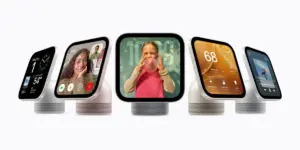









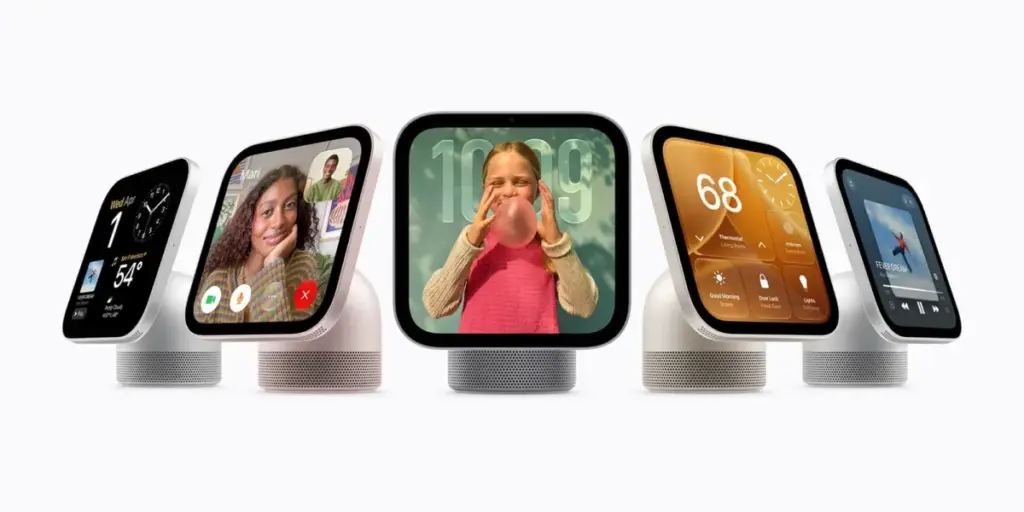
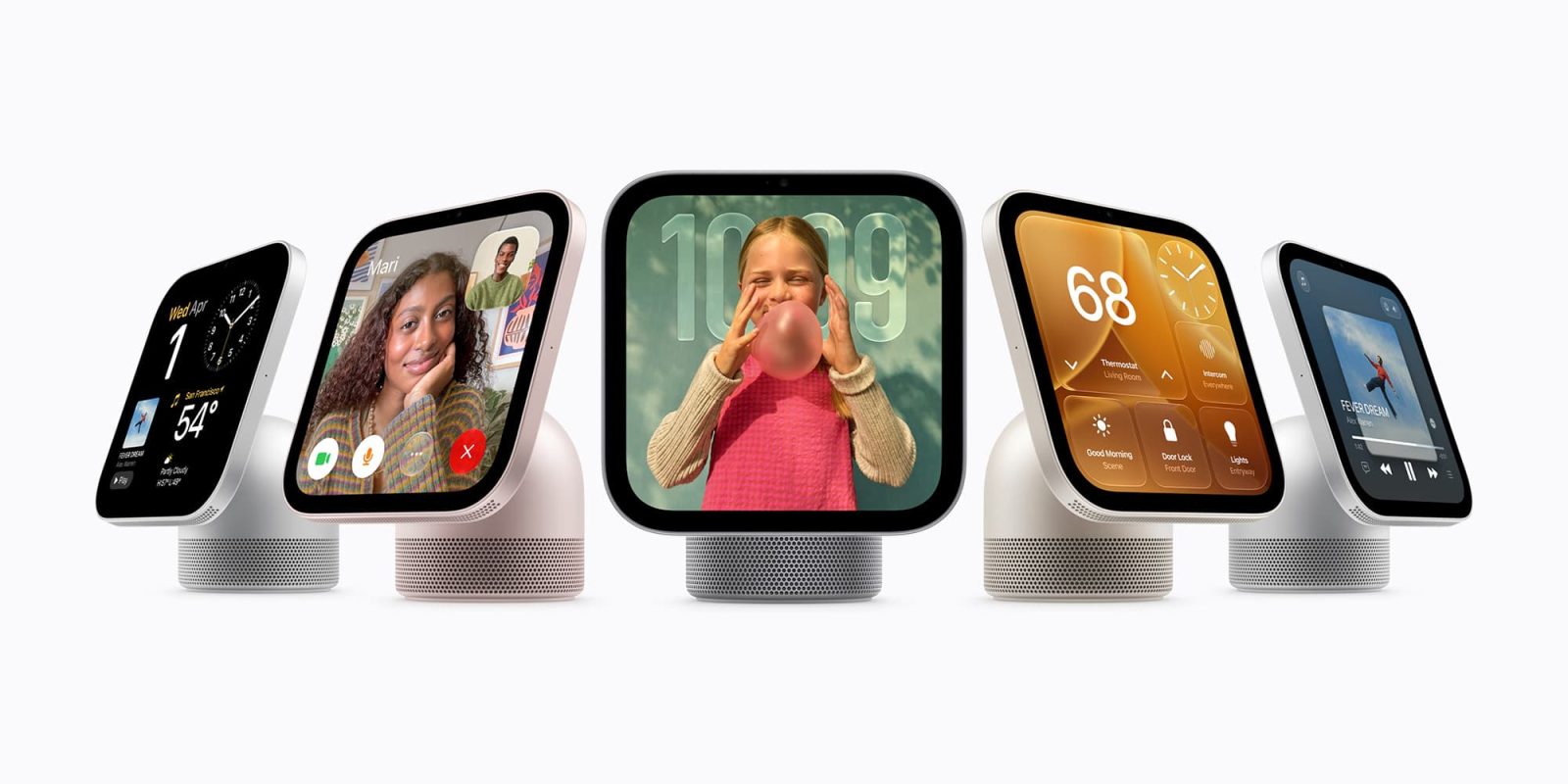
In an unexpected development for the smart home community, Apple has officially released the HomeView 27.2 system update. This software, identified by build number 24V514, is arriving just weeks ahead of the highly anticipated launch of the company’s latest smart home hub, which is scheduled to hit the market on November 13. While the device remains in the pre-order phase, the early availability of the operating system has provided enthusiasts and analysts alike with an exclusive look at the aesthetic direction Apple is taking for its newest hardware.
The update, while primarily intended to prepare the upcoming hardware for its debut, has garnered significant attention for its inclusion of a suite of new wallpapers. These visual assets offer a glimpse into the design language of the new platform, showcasing a diverse range of styles that cater to both minimalist and expressive preferences. By releasing these files ahead of the hardware’s physical arrival, Apple has allowed users to get a head start on customizing their digital environment, effectively building anticipation for the November 13 launch date.

HomeView Wallpapers Revealed
The HomeView 27.2 update includes a total of 20 distinct wallpapers, each designed to complement the unique display capabilities of the new smart home hub. Apple has clearly prioritized versatility with this collection, providing both light and dark mode variations for every design. This ensures that the device’s interface can maintain a consistent visual theme regardless of the ambient lighting in the user’s home or the specific time of day.


The collection is categorized into three distinct visual styles: environmental imagery, gradient-based designs, and abstract material textures. The environmental selection leans into natural, organic themes, suggesting that the smart home hub is intended to serve as a calming, unobtrusive presence in a living space. The gradients, on the other hand, utilize vibrant, fluid color transitions that highlight the high-resolution nature of the display. Finally, the material-focused wallpapers provide a sophisticated, textured look that feels grounded and premium, mirroring the design aesthetics found across the broader Apple ecosystem.

By providing these files now, Apple is giving a nod to the dedicated community of enthusiasts who enjoy personalizing their devices before they even have them in hand. While the images arrive in a native 1:1 aspect ratio to fit the specific hardware constraints of the new hub, they are high-quality enough to be repurposed across other devices. Users who are familiar with Apple’s existing ecosystem—including the iPhone, iPad, and Mac—will find that these images are easily adaptable, thanks to the robust display and wallpaper management tools built into the company’s operating systems.

Customization and Interface Design
Beyond the aesthetic appeal of the wallpapers, the release of the HomeView 27.2 update has offered a functional look at the device’s interface. Industry observers and software developers have been quick to dig into the system files, revealing early details regarding how users will interact with the device. Notably, insights shared by developer Guilherme Rambo have highlighted the sophisticated face customization interface that will be available to users.

This interface appears to be designed with accessibility and ease of use in mind, allowing for granular control over how information and visual elements are presented on the screen. The ability to toggle between different layouts and customize widgets suggests that Apple is positioning the HomeView hub as a highly personalizable dashboard rather than a static piece of hardware. This level of depth in the software confirms that Apple is aiming to provide a bespoke experience, where the device can adapt to the specific needs of a household, whether that involves displaying climate controls, calendar events, or smart lighting status.

The emphasis on a refined, intuitive interface is a hallmark of Apple’s recent design philosophy. By prioritizing the "face" of the device, Apple is acknowledging that a smart home hub is not just a utility, but a centerpiece of a room. The fluidity of the customization options, as evidenced by the early software glimpses, suggests that the user experience will be seamless and visually cohesive, mirroring the high standards set by the Apple Watch and the iPad.

Evidence of a Delayed Roadmap
Perhaps the most intriguing discovery from the HomeView 27.2 update is not what is currently visible to the average user, but what remains hidden within the code. Sharp-eyed observers, including prominent tech commentator Aaron Perris, have identified a graphic reference to "HomeView Software 26" hidden deep within the system files. This discovery has fueled speculation regarding the development timeline of the device.

The existence of a "26" version in the current "27.2" build strongly supports long-standing rumors that Apple had originally intended to bring this hardware to market much earlier. It is a common occurrence in tech development for products to be delayed due to hardware supply chain issues, software refinement, or shifting strategic priorities. The presence of these legacy files serves as a silent testament to the extended development cycle of the HomeView hub. It suggests that the team behind the device has been iterating on the platform for quite some time, potentially refining the user interface and the underlying OS architecture to ensure a polished debut.

For the consumer, this historical artifact is less about the delay itself and more about the maturity of the software. A device that has been in development for over a year, with multiple iterations of its underlying operating system, is likely to launch with a high degree of stability. The fact that Apple is shipping the device with version 27.2 implies that the initial "26" build was a precursor, and the current software represents a significantly more evolved and feature-rich iteration.

Looking Toward the November 13 Launch
As the calendar approaches November 13, the release of the HomeView 27.2 update serves as a final, high-level preview of what is to come. The excitement surrounding this device is palpable, as it represents a significant step forward for Apple’s home automation strategy. By moving to a dedicated smart hub interface, the company is effectively decoupling the control of the smart home from the limitations of a smartphone or tablet screen, instead offering a dedicated, always-on display that can act as the nerve center for the modern household.

The decision to make these wallpapers and interface elements available early is a clever marketing maneuver. It keeps the device in the conversation during the crucial pre-order period, allowing users to feel a sense of ownership even before the shipping notifications arrive. Furthermore, it reinforces the narrative that Apple’s focus remains on the marriage of hardware and software, where the visual experience is just as important as the functional capabilities of the device.

For those who have already placed their orders, the wait is now measured in days. The availability of the 27.2 build ensures that when the devices arrive on November 13, the software will be ready to go, likely accompanied by a day-one update to refine any remaining edges. The community remains eager to see how these wallpapers look on the physical display of the hub, and how the interface, which has been teased through these early software files, performs in real-world scenarios.

As the tech world turns its attention toward the official release, the focus will undoubtedly shift from the files found in the update to the actual performance of the device in the home. Whether the HomeView hub becomes the indispensable tool that Apple envisions depends on the seamless integration of these software features with the actual hardware experience. For now, the release of the 27.2 update provides a sophisticated, polished, and highly anticipated look at the next chapter in Apple’s home technology journey.