










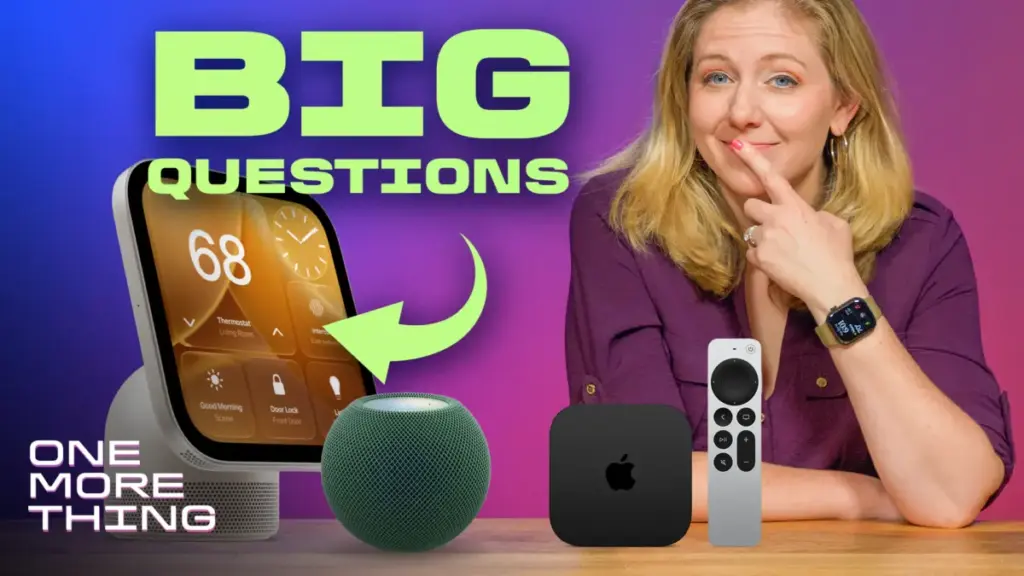
Apple has once again captured the attention of the consumer technology world with a fresh wave of hardware announcements, highlighted by a major push into smart home integration. Leading the charge is the company’s ambitious new smart home ecosystem initiative, anchored by the introduction of HomeView. While Apple’s promotional material for HomeView succeeded in painting a picture of a seamless domestic experience during the company’s recent event, technology analysts and reviewers note that the ultimate test for the new hardware will come down to real-world usage, particularly when families and children put the devices through their daily paces.
In a comprehensive breakdown of the event, CNET Editor at Large Bridget Carey explored the major announcements, offering insights into how Apple is reshaping its product lineup for the living room and beyond. Alongside the headline-grabbing HomeView reveals, the update includes notable hardware refreshes to the HomePod Mini line and the fourth-generation Apple TV 4K streaming box, signaling a broader, more cohesive strategy for the company’s smart home and entertainment divisions.
The Evolution of the Apple TV 4K
A significant portion of the recent Apple showcase focused on the living room experience, specifically through the introduction of the fourth-generation Apple TV 4K streaming box. For consumers weighing whether to upgrade their current home entertainment setups, the new iteration brings several targeted hardware updates designed to boost performance, improve usability, and deepen integration with other Apple devices.
Among the hardware updates is a redesigned Siri Remote, which refines the navigation experience for users streaming movies, television shows, and music. Pricing and availability details for the new Apple TV 4K were also a focal point, as Apple continues to position the device as a premium yet accessible hub for home entertainment.
One of the more intriguing audio capabilities highlighted during the event involves the advanced audio synchronization features of the new Apple TV 4K. Users have the option to configure immersive surround sound by pairing the streaming box with up to four HomePod speakers, creating a robust acoustic environment that rivals traditional standalone home theater audio systems. This capability underscores Apple’s ongoing effort to bridge the gap between its streaming hardware and dedicated audio ecosystem.
Expanding Audio and AI with the HomePod Mini 2
Audio enhancements extended beyond home theater setups with the introduction of the HomePod Mini 2. The successor to Apple’s popular compact smart speaker brings updated internal components while retaining the small, unobtrusive footprint that made the original generation a staple on desks, nightstands, and kitchen counters throughout the home.

Crucially, the HomePod Mini 2 is set to benefit from upcoming software integrations, specifically the integration of advanced Siri artificial intelligence capabilities coming to HomePods. By infusing its smart speakers with more sophisticated AI processing, Apple aims to address longstanding user criticisms regarding the responsiveness and contextual understanding of its voice assistant, making voice commands more reliable for managing smart home appliances, checking schedules, and playing media.
The HomeView Reveal and Smart Home Integration
The centerpiece of Apple’s smart home strategy presentation was the official reveal of HomeView, a product concept designed to tear down the traditional barriers that consumers often face when trying to establish a connected household. According to hands-on assessments from the event, Apple invested heavily in convincing reviewers that HomeView can deliver a frictionless smart home experience, successfully shifting perspectives on how centralized control panels can function in domestic spaces.
The HomeView ecosystem is designed with versatility in mind, accommodating various living arrangements and interior layouts. Demonstrations at the event showcased how a countertop HomeView device can naturally fit into daily household routines, serving as an interactive hub for multiple users within a home. For households requiring alternative placement, options for a wall-mounted HomeView setup were also detailed, ensuring that the device can adapt to different spatial constraints.
Interface design and functionality are central to the HomeView experience. Running on a dedicated operating system equipped with a suite of tailored HomeView apps, the hardware incorporates several engaging and practical features. Among them is a dedicated FaceTime camera, enabling seamless video communication directly from the smart display. Adding a touch of character and familiar charm, classic animated elements such as Snoopy integrations are built into the interface, blending utility with entertainment.
Furthermore, HomeView is engineered to serve multiple users efficiently, allowing different members of a household to access personalized controls, calendar entries, and notifications without interfering with one another’s profiles. This multi-user capability is considered a vital component in ensuring that a shared smart home display remains practical for families. As reviewers and consumers begin to live with the hardware, observing how HomeView interacts with a broader array of third-party smart home devices will provide a clearer picture of its long-term viability in the competitive connected home market.
Looking Ahead to October
While the smart home announcements and hardware updates for the Apple TV 4K and HomePod Mini 2 dominated the recent showcase, Apple’s product calendar for the autumn season is far from complete. Technology observers are already looking ahead to the next wave of releases scheduled for October. Among the anticipated items on the horizon is the upcoming iPhone Duo, which is slated to hit retail store shelves on October 23, rounding out an exceptionally busy hardware season for the company.