










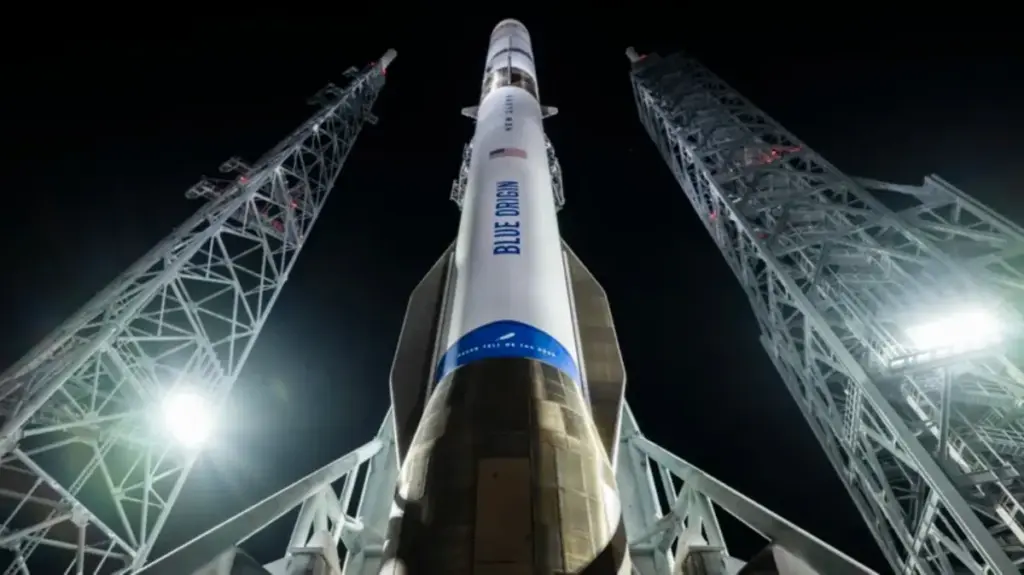
Blue Origin, the aerospace company founded by Jeff Bezos, has officially pushed back the inaugural launch of its massive New Glenn rocket into the beginning of 2027. This latest delay follows a challenging period for the company, marked by a significant explosion at its Cape Canaveral, Florida, launch facility earlier this year that necessitated extensive infrastructure repairs. While initial projections from leadership suggested a swift recovery and a potential launch before the end of 2026, those goals have proven overly optimistic in the face of complex engineering requirements and adverse weather conditions.
The setback, first reported by the Financial Times, was confirmed via an internal memo authored by Blue Origin CEO Dave Limp. The document acknowledges that while the company has made substantial progress in restoring its launch capabilities, the timeline for the highly anticipated flight has been adjusted to January 2027. This shift in schedule serves as a reminder of the inherent volatility of the aerospace industry, where even well-funded organizations must contend with the physical realities of rocket development and the meticulous safety protocols required for orbital flight.
A Costly Setback at the Launchpad
The origins of the current delay can be traced back to a dramatic incident in May 2026, when a New Glenn rocket suffered a catastrophic explosion during a routine hot-fire test on its launchpad. The event was a significant blow to the company, resulting in visible damage to critical ground infrastructure. Hot-fire tests, which involve igniting a rocket’s engines while it remains secured to the launch mount, are a standard but high-risk procedure designed to verify the integrity of propulsion systems and ground support hardware. When the test resulted in an explosion, the immediate priority shifted from mission readiness to damage assessment and safety remediation.

In the immediate aftermath of the May incident, leadership at Blue Origin sought to reassure stakeholders and the public that the impact would be contained. CEO Dave Limp was vocal about the company’s intent to recover quickly, suggesting that the path to a first flight remained open before the close of 2026. This aggressive timeline reflected the company’s internal culture and the pressure to compete in a rapidly evolving launch market. However, as the months progressed, the logistical reality of repairing the specialized infrastructure at the Florida launch site—which includes complex fueling systems, launch mounts, and the massive Vehicle Access Tower—proved more demanding than originally anticipated.
Infrastructure Recovery and Operational Challenges
According to the internal memo shared by Limp, the physical state of the launch site has seen significant improvement. The Vehicle Access Tower, a critical component for integrating and servicing the rocket, has been successfully repaired and restacked. Furthermore, the launch bridge, which facilitates the connection between the rocket and the pad’s ground systems, has been restored to functional status. These milestones are no small feat, requiring precision engineering and heavy-duty construction in a marine environment that is naturally hostile to sensitive aerospace hardware.
Limp explicitly identified weather conditions as a primary factor in the slower-than-expected progress of the repairs. Florida’s volatile climate, characterized by intense summer heat, frequent thunderstorms, and the occasional threat of hurricanes, often complicates outdoor industrial operations. These environmental variables forced delays that, while frustrating for project managers, were deemed necessary to ensure that the site met the rigorous safety standards required for a vehicle of New Glenn’s scale.
Despite the frustration of the delay, the tone of the CEO’s memo to the staff was one of pride and encouragement. Limp praised the "collective work" of the team, emphasizing that the recovery effort has been "nothing short of remarkable." He noted that in the six months since the explosion, the team has managed to accomplish a volume of work that many external observers believed would take several years to complete. By framing the six-month recovery as a success of speed and efficiency, the leadership is attempting to maintain internal morale and emphasize the resilience of the organization in the face of what could have been a program-ending disaster.
The Strategic Importance of New Glenn
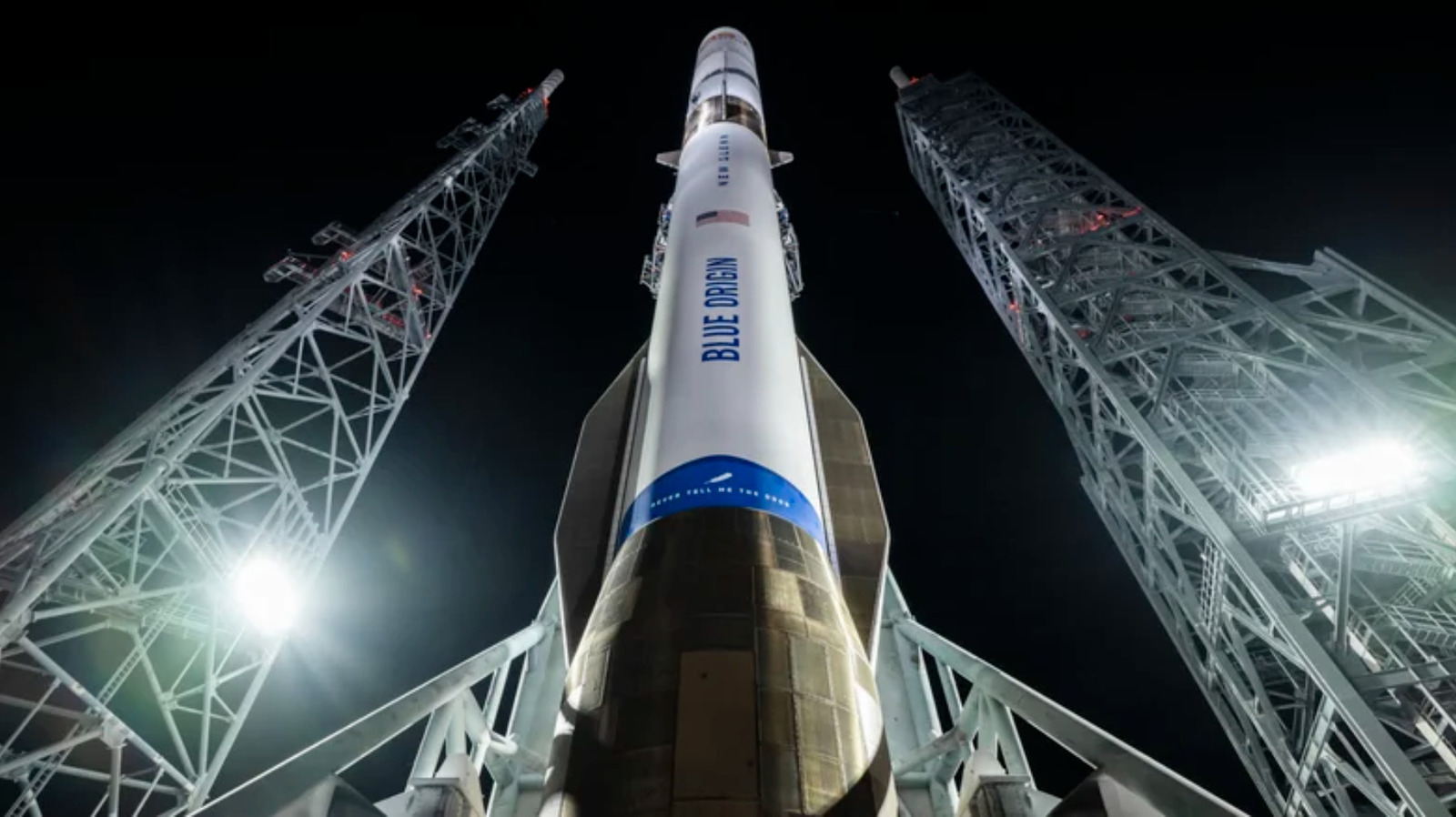
The delay of the New Glenn launch is particularly significant because of the high stakes involved in the program. As a heavy-lift launch vehicle designed to be partially reusable, New Glenn is central to Jeff Bezos’s long-term vision for Blue Origin and its role in the global space economy. The rocket is designed to compete directly with other heavy-lift systems, offering a massive payload capacity that opens the door to a wide range of commercial, scientific, and government missions.
The company is on the precipice of expanding its footprint in space, and the successful debut of New Glenn is the necessary catalyst for those plans. In September, Blue Origin secured a major contract from NASA to develop and deploy a telecommunications network specifically for Mars. This mission highlights the company’s aspirations to move beyond low-Earth orbit and contribute to the broader infrastructure of interplanetary exploration. Winning such a contract is a testament to the confidence NASA places in Blue Origin’s engineering capabilities, yet that confidence is predicated on the company’s ability to actually get its hardware into orbit.
Beyond NASA, New Glenn is expected to play a vital role in supporting Amazon’s Leo satellite broadband service. This project, which aims to provide high-speed internet connectivity from orbit, requires a consistent and reliable launch cadence. As Amazon prepares to deploy a constellation of satellites, the availability of a heavy-lift rocket capable of carrying large batches of hardware into space is essential. Any delay in the New Glenn timeline effectively pushes back the logistical support needed to scale these satellite operations, underscoring the interconnected nature of the various ventures within the Bezos portfolio.
Looking Ahead to 2027
As the industry looks toward the new target date in January 2027, the focus for Blue Origin will be on ensuring that the post-explosion modifications are robust and that the vehicle itself is ready for the rigors of flight. The months leading up to the new launch date will likely involve further testing, comprehensive safety reviews, and a renewed emphasis on the lessons learned from the May 2026 incident.
The shift to 2027 represents a pragmatic adjustment rather than a change in mission. For Blue Origin, the priority remains the same: to transition from a developer of space technologies to a consistent, reliable provider of launch services. While the road to the launchpad has been obstructed by unexpected challenges and environmental hurdles, the company appears determined to move forward with the same sense of urgency that defined its initial response to the explosion.
The upcoming months will be a test of the company’s ability to maintain its engineering momentum while navigating the scrutiny that inevitably follows a high-profile failure. For the aerospace community and the stakeholders invested in the success of the New Glenn program, January 2027 has now become the pivotal milestone. It will mark not just the first flight of a new rocket, but the culmination of an extensive recovery effort that has challenged the team to define what they are truly capable of achieving under pressure. With the launchpad restored and the vision for the future of the program firmly in place, Blue Origin enters the final stretch of its preparation, with the eyes of the space industry watching to see if the new year will finally bring the long-awaited ascent of the New Glenn.