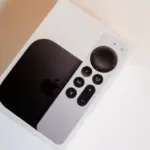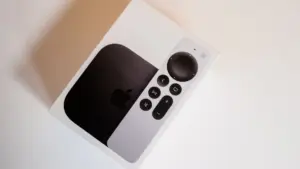







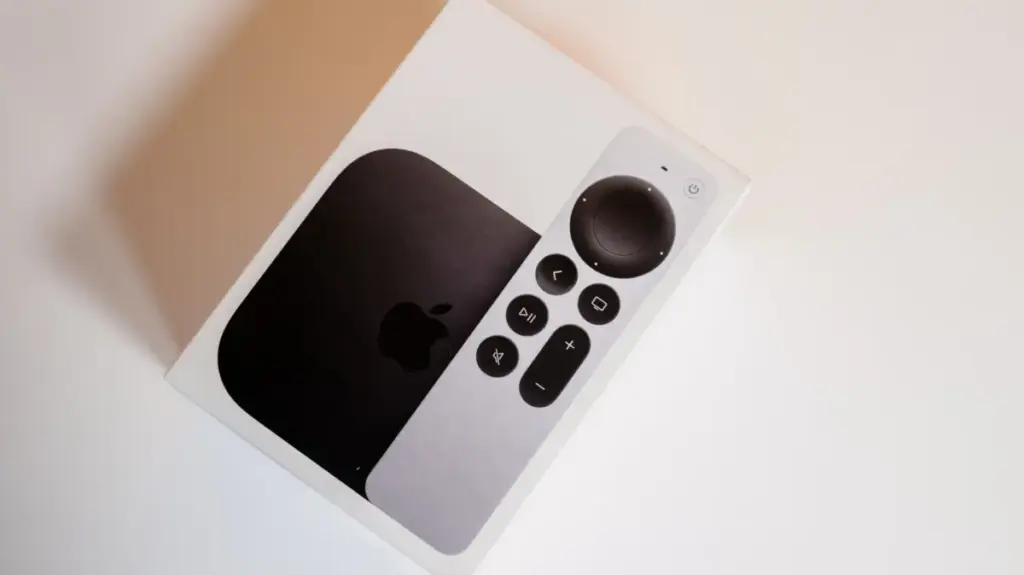
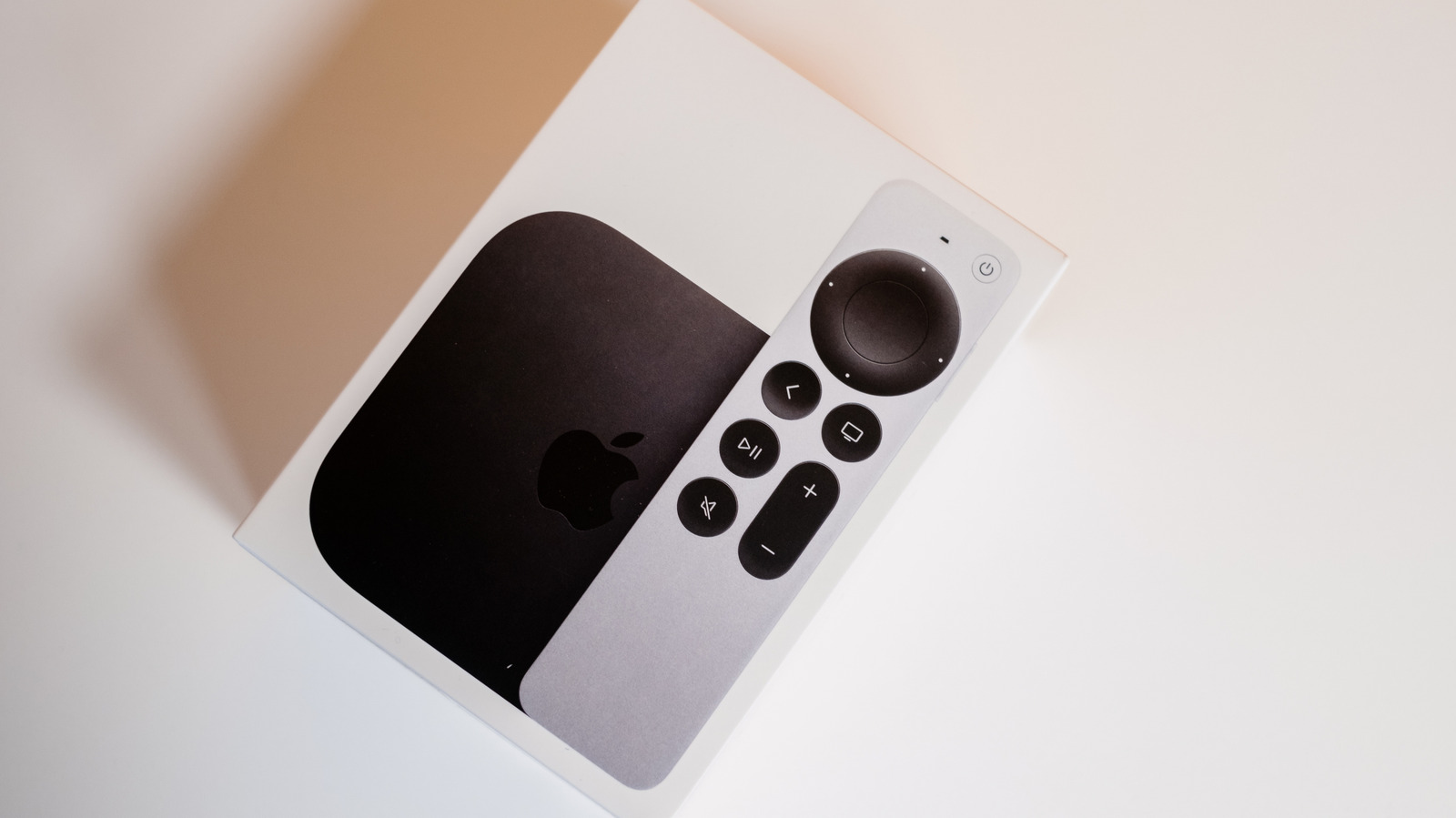
The release of the latest Apple TV 4K, priced at $299, arrives with a mix of anticipation and sticker shock. As a high-end streaming device designed to sit quietly under your television, the hardware serves as the gateway to a digital ecosystem of entertainment. With the fourth-generation model slated for an November 13 release—featuring the powerful A19 chip, an overhauled Siri Remote, and the much-touted introduction of hands-free Siri controls—consumers are once again faced with the perennial question of hardware longevity. When you invest nearly $300 into a streaming box, you are essentially purchasing a promise of performance that needs to hold up for several years. However, unlike some competitors in the market, Apple provides no formal, written guarantee regarding the exact number of years it will support the Apple TV with major operating system updates or security patches.
For many potential buyers, this lack of a published "end-of-life" date creates uncertainty. Yet, Apple’s track record provides a reliable, if unofficial, roadmap for what users can expect. Historically, Apple has maintained a remarkably long support cycle for its streaming hardware, often keeping devices relevant through major software updates for eight to ten years. While the hardware itself might technically function long after it ceases to receive the latest version of tvOS, the reality of the modern streaming landscape is that software compatibility often becomes the deciding factor in when a device is relegated to a drawer or an secondary room.
The Reality of Software Support Lifecycles
To understand how long a new Apple TV is likely to last, one must examine the precedent set by previous iterations. The Apple TV HD, which debuted in 2015, and the first-generation Apple TV 4K, released in 2017, both enjoyed an exceptionally long run. Remarkably, both models were still receiving major software updates as recently as 2025 with the arrival of tvOS 26. Even as the hardware began to show its age, Apple continued to provide security patches, with the final updates for these devices arriving via tvOS 26.6 in July 2026. This equates to a ten-year lifespan for the HD model and an eight-year lifespan for the initial 4K version—a duration that is virtually unmatched in the consumer electronics space.
However, this extended support cycle reached a definitive conclusion in September 2026 with the rollout of tvOS 27. Apple’s latest compatibility list for the new operating system now begins with the second-generation Apple TV 4K, which was released in 2021. Consequently, the 2015 and 2017 models have officially been dropped from the list of devices capable of running the latest software. This transition highlights the critical nature of these OS updates: once a device falls off the compatibility list, it stops receiving new features and, more importantly, may eventually stop receiving the critical security patches that keep it safe in an increasingly connected smart home environment.
This lack of transparency contrasts sharply with the approach taken by companies like Amazon. For its Fire TV line, Amazon has explicitly promised at least four years of security updates for devices purchased directly from the company or through authorized channels, measured from the time the device was last available for purchase as a new item. While this is not the same as a guarantee for major OS feature upgrades, it provides consumers with a clear, published deadline for security support—a level of clarity that Apple has yet to mirror for its tvOS lineup. Prospective Apple TV buyers, therefore, must rely on the company’s historical performance rather than a contractual commitment to long-term software viability.
Evaluating When to Upgrade Your Hardware
The transition to a new operating system version is not a signal that your existing device has instantly become an "expensive brick." In practice, an Apple TV remains a highly capable streaming device long after it stops receiving the newest version of tvOS. Major streaming platforms like Netflix, Disney+, and others typically maintain app support for older hardware long after the underlying operating system has reached its sunset. However, this is not a permanent state. As app developers increasingly lean into newer software frameworks and libraries, the minimum requirements for these apps will inevitably rise. Eventually, this leads to a scenario where older devices can no longer install or update essential applications, effectively narrowing the utility of the hardware.
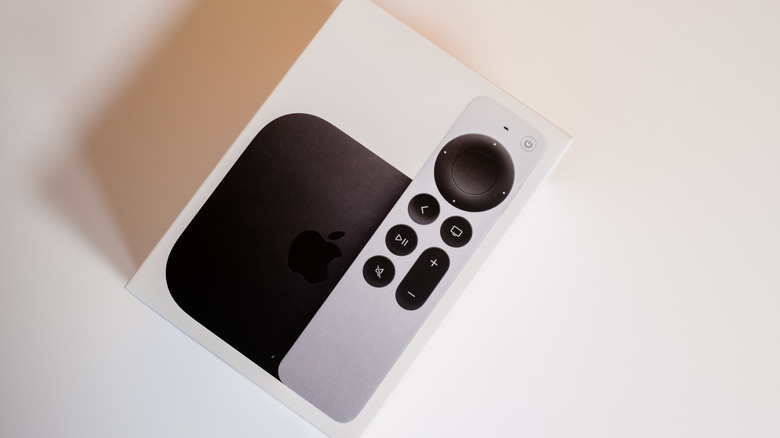
Rather than looking at the calendar, users should evaluate the necessity of an upgrade based on actual performance and daily user experience. A device is arguably due for replacement when the interface becomes sluggish, menus stutter, or applications begin to crash frequently during operation. Furthermore, the role of the Apple TV as a smart home hub adds a layer of complexity to the decision. If your device acts as the central controller for your home’s security, lighting, and automation, the lack of ongoing security patches becomes a more pressing concern than it would be for a simple media player. Using an unsupported device in this capacity poses a risk that most users should consider carefully as their hardware ages.
The financial barrier to upgrading is significant, especially with the $299 price point of the latest model. It is important to note that many of the features marketed as "new" are not strictly exclusive to the latest hardware. For example, the upcoming Siri AI beta functionality will be compatible with the second-generation Apple TV 4K and newer, provided that the household’s administrator has access to an Apple Intelligence-enabled iPhone or iPad. This means that users who have invested in the 2021 or 2022 models do not necessarily need to purchase the 2026 iteration simply to access the latest software-driven AI features.
The 2026 Apple TV 4K does, of course, offer tangible improvements, such as the faster A19 processor and the integration of built-in microphones for hands-free Siri commands. These are meaningful upgrades for users who prioritize speed and convenience, but they are incremental rather than revolutionary for someone who is already satisfied with the performance of their current unit. The value proposition of the new box rests heavily on whether those specific hardware enhancements are worth the premium.
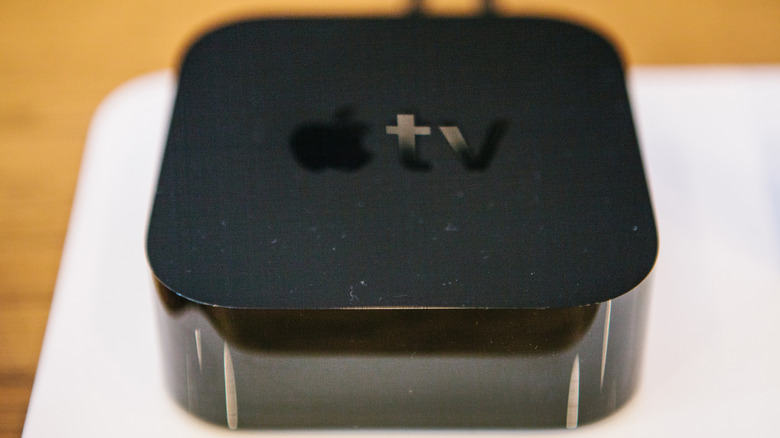
Finally, users should avoid the common pitfall of replacing an entire system due to a minor hardware failure, specifically regarding the remote control. The Siri Remote is notorious for disappearing into the depths of sofa cushions or sustaining accidental damage. Instead of treating this as a reason to upgrade the entire streaming setup, users should remember that the iPhone can function as a fully featured TV remote via the Control Center. If a physical remote is preferred, Apple offers the latest generation Siri Remote as a standalone purchase for $59. This remote is backward compatible with all Apple TV 4K models and even the original 2015 Apple TV HD. In a market where modularity is often sacrificed for sleek design, the ability to simply replace a remote while keeping the core hardware intact remains one of the most effective ways to extend the lifespan of an Apple TV investment. As the technology landscape continues to evolve, the decision to upgrade should remain a calculated choice based on genuine needs rather than a reactive move to the pressures of a new product release.