










In the complex ecosystem of modern product development, fostering a harmonious relationship between product teams and end users is often treated as the gold standard. Designers frequently spend countless hours conducting user research, mapping out customer journeys, and refining interfaces to ensure the final product meets human needs. Yet, right inside the organization, another critical relationship often remains strained, distant, or underdeveloped: the working dynamic between designers and developers.
This historic divide between design and engineering teams continues to create friction across the tech industry. When communication breaks down or remains siloed, solving complex problems, iterating on features, and improving overall product quality becomes an uphill battle. According to industry professionals who navigate these cross-functional environments daily, the traditional walls separating creative design from technical implementation are actively hurting product outcomes.
However, a growing number of teams are discovering that solutions already exist in unexpected places. Specifically, principles derived from the open source movement—most notably the Open Decision Framework—are proving capable of tearing down these operational silos and transforming how software and digital services are built.

The Open Decision Framework, widely utilized in open source communities, asserts that open decision-making processes are inherently transparent, inclusive, and customer-centric. At its core, the framework relies on clearly sharing emerging problems, technical requirements, and unavoidable constraints with every affected party. By doing so, it opens the door to genuine collaboration with a diverse array of stakeholders, ensuring that teams can secure varied opinions and comprehensive feedback before decisions are permanently set in stone. Crucially, the framework provides a structured method for managing relationships and aligning expectations when competing needs, tight deadlines, and conflicting priorities inevitably arise.
For anyone involved in the myriad decisions that shape a digital product, feature, or service, these principles strike a familiar and resonant chord. For a product designer, developers are arguably the most vital stakeholders when it comes to translating abstract concepts into functional realities. If designers want to make the best possible decisions, they must embrace the opportunity to seek out technical opinions early and often, rather than tossing completed designs over a virtual wall and hoping for the best.
The backend and the user experience
To understand why this cross-functional collaboration is so essential, one must look beyond the immediate visual layer of a product. A user’s actual experience of a digital service is far more expansive than the polished pixels on a screen or the smoothness of a visual workflow design. True user experience encompasses the service’s underlying performance, the speed and reliability of application programming interfaces, the security and treatment of sensitive user data, and even the structural design of databases to ensure long-term scalability.
When developers are brought into the design process as full stakeholders rather than late-stage executors, they can contribute vital expertise regarding backend systems and service architecture. This technical foresight can fundamentally improve, and sometimes even rescue, the overall design of the user experience.
Conversely, a user experience designer is equally a stakeholder in the technical domains managed by the development team. A hidden performance deficit, an unexpected latency issue, or the downstream effects of a restrictive data architecture can severely hinder what a user is able to accomplish on the frontend. Building an open, highly collaborative relationship between development and design creates an environment where mutual trust and transparency can thrive across every operational area.
Make space for collaboration
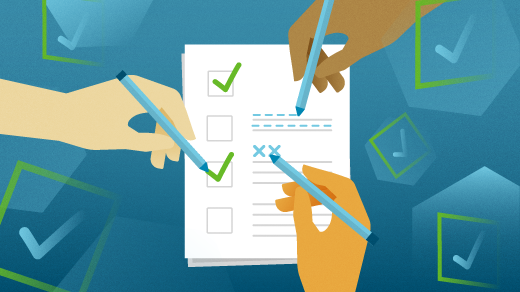
Despite the clear benefits of breaking down these silos, maintaining an open and transparent relationship between developers and design teams is far less common than industry standards demand. For many organizations, this transparent way of working represents a radical shift in culture, making it unfamiliar territory for both sides of the aisle. Cultivating this kind of environment requires intentional effort, patience, and a willingness to rethink traditional workflows where design happens in isolation before being handed off to engineering.
An example of open collaboration
The practical power of this collaborative approach becomes apparent when teams invite technical scrutiny into early creative phases. In one notable instance during an early design review, a designer presented a specific, highly stylized interaction designed for displaying detailed data about an object to a developer on their team. The designer carefully communicated the underlying user need and demonstrated how the interaction would function in practice.
Rather than simply accepting the specification or pushing back with a flat refusal, the developer asked a crucial question: "Does it need to be done in exactly this way?"
The developer went on to explain that by implementing a few minor, subtle design modifications, the engineering effort required to build the feature would drop significantly. Upon further discussion, both professionals agreed that the proposed changes would not negatively affect the end user’s experience. The user would still be able to achieve their goals smoothly and efficiently, but the technical debt and implementation complexity would plummet.
This kind of proactive, early feedback saved the development team substantial time, which in turn left more operational room to aggressively address bugs, build additional user-requested features, and preserve a healthy work-life balance for team members who might otherwise have faced crunch time. The user experience remained robust and uncompromising, while the cross-functional team emerged stronger and more cohesive. Crucially, this positive outcome would never have been possible without early, candid feedback from a developer with whom the designer shared a strong, trusting working relationship.
Your next steps
Ultimately, crafting a seamless digital experience is never the result of a single person’s vision; it is the culmination of a continuous series of decisions made by a deeply collaborative team. Product managers, designers, and developers must learn to operate simultaneously as experts in their respective domains and active stakeholders in the fields of their colleagues.
As organizations continue to face mounting pressure to deliver high-quality digital products efficiently, the imperative to bridge the gap between design and engineering grows ever stronger. Industry advocates encourage all product professionals to actively engage developers and designers alike for continuous, collaborative feedback, working hand-in-hand to build the best possible products with the most rewarding user experiences.