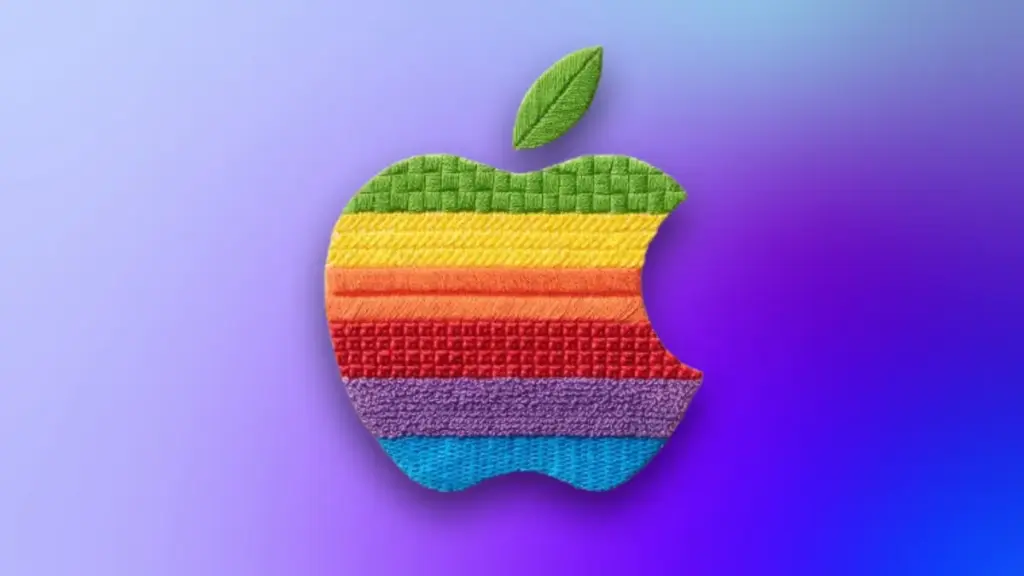
Apple has officially confirmed its upcoming "Welcome Home" special event, scheduled for Tuesday, sending out media invitations featuring a distinctive rainbow-colored Apple logo. The announcement signals a major push by the Cupertino-based tech giant into the home technology space, introducing entirely new ways for users to interact with Apple devices and Siri. As Apple prepares to take the stage, its forthcoming smart home ecosystem will face formidable competition from entrenched market leaders such as Amazon, Google, and other major hardware manufacturers.
Industry insiders, supply chain reports, and persistent leaks over the past few weeks point toward a substantial shake-up across multiple categories, including home security, dedicated smart home hardware, and the broader integration of Siri AI capabilities. While Apple has declined to comment on the speculation ahead of the event, expectations are running high as observers try to piece together what the company has prepared.
A Siri Smart Display at Last
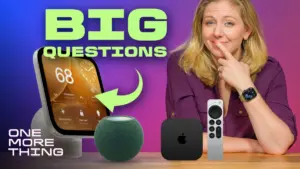
For more than a year, rumors have circulated that Apple is developing a Siri-focused smart display hub for the home, sometimes colloquially referred to as a HomePad. This upcoming display is expected to lean heavily on advanced Siri AI features to compete directly with established products like Amazon’s Echo Show line and the Google Nest Hub series, all while functioning as a robust HomeKit hub.

Smart displays typically add a significant layer of visual and interactive utility to traditional smart speakers. According to recent reports, Apple’s version could feature a design that allows the screen to swivel, mount to a wall, or sit on a surface attached to a HomePod-like speaker base. Measuring around 6 inches across, the device is rumored to draw power from standard AC electrical outlets rather than a USB-C cable and may feature advanced voice recognition capable of distinguishing between different individuals in a conversation.
Because touchscreens excel at displaying visual information, media playback, and interactive to-do lists, the interface is expected to incorporate elements drawn from Apple TV and Safari. While current Apple TV 4K boxes, iPads, and standard HomePod models can already serve as HomeKit hubs, industry watchers anticipate a dedicated user interface and user experience specifically tailored for a smart display format, making it a compelling standalone addition to a household.
Updates to the HomePod Line
Alongside rumors of a smart display, industry chatter suggests Apple is preparing to issue the first major update to its HomePod smart speaker lineup in years. The timing aligns naturally with a home-focused hardware event, though some analysts believe earlier reports may have occasionally conflated plans for a standalone smart speaker with the rumored smart display, as both products ultimately fall under the broader HomePod product family.
Should a new standalone speaker materialize, reports indicate it will take the form of an updated HomePod Mini. The original full-sized HomePod faced criticism for its high price point exceeding $300, leading Apple to pivot its focus toward the more accessible Mini model. Among the most anticipated details for a potential HomePod Mini 2 are fresh color options, including pink and green variations, alongside a faster internal S-series processor.

A New Apple TV
The same wave of reports pointing toward a smart display and updated speakers also suggests that Apple is readying a refreshed Apple TV model. This upcoming streaming box is rumored to feature upgraded internal specifications, including a faster N1 processor, 8GB of RAM, Wi-Fi 7 connectivity, and an updated Siri remote control.
While set-top streaming boxes occupy a slightly different niche than dedicated smart home sensors, the Apple TV remains closely tied to the home ecosystem, particularly as a centralized hub for automation and media. Apple has not released a new version of its streaming box since 2022, making a hardware refresh overdue. An updated processor would also provide the necessary overhead to support advanced Siri AI features, while speculation persists regarding enhanced audio compatibility with multiple HomePods to create a cohesive home cinema surround sound experience.
Little Apple Security Cams — With No Recording
Recent reports indicate that Apple is poised to enter the home security sector with its own proprietary hardware. While details remain scarce, industry commentary from sources such as Bloomberg’s Mark Gurman suggests these devices will take the form of compact indoor cameras that, uniquely, will not record permanent video footage. By bypassing continuous video recording, Apple could sidestep the complexities of cloud storage infrastructure and potentially avoid charging recurring monthly subscription fees for the service.
Despite the lack of persistent recording, the cameras are rumored to incorporate advanced presence-sensing and human-recognition technologies, alongside AI-generated video descriptions. This indicates that the Apple Home ecosystem will perform real-time analysis of video feeds locally or in the cloud without storing the underlying footage long-term. Mentions of facial recognition have also surfaced in rumors, though analysts consider that feature less probable for these specific indoor units, potentially confusing them with separate reports regarding an upcoming doorbell camera equipped with Face ID capabilities for unlocking doors.

An LG Collab for a New Thermostat
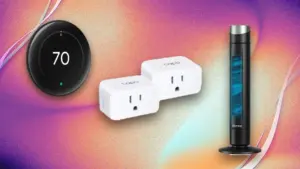
Persistent rumors point to a broader hardware partnership between Apple and LG, with leaked concept photos circulating online suggesting a coordinated rollout of connected home devices. Among the most prominent rumored products is an Apple-friendly smart thermostat. Leaked images depict a round, dial-based design reminiscent of competing thermostats, featuring far-sight presence sensing, integrated humidity monitoring, and multiple temperature calibration settings.
In tandem with the thermostat, the reported Apple and LG collaboration is expected to include remote temperature sensors designed to measure climate conditions in specific rooms and relay data back to the central hub. Such satellite sensors are standard offerings from brands like Nest and Ecobee, though Apple’s version reportedly utilizes adhesive strips for flexible wall mounting. Apple previously collaborated with LG years ago to support compatible security cameras, though those product lines were updated infrequently and eventually phased out, suggesting a potential renewed attempt with a more integrated strategy.
Further LG Collabs for Smart Locks and More
Additional rumors stemming from the reported LG partnership point toward the development of an Apple-branded smart lock. While numerous third-party smart locks currently integrate with Apple Home and support Apple Home Keys, Apple has historically avoided direct involvement in manufacturing smart lock hardware.
Reported product imagery depicts a round, illuminated outdoor keypad featuring a twist-to-unlock mechanism distinct from traditional deadbolt designs. It is expected to support automatic unlocking and convenient phone-tap entry methods. If released, Apple would enter a competitive market alongside established competitors like Ring, which recently announced its own smart lock featuring Alexa compatibility and a self-charging mechanical thumbturn.

Additional leaks suggest the partnership could eventually expand to include video doorbells, floodlight cameras, and outdoor cameras carrying LG branding, though analysts remain skeptical about whether these designs align with Apple’s typical hardware aesthetic. While smart locks and thermostats represent logical extensions of Apple’s ecosystem, the sheer volume of rumored products suggests some lines may be held back for separate announcements.
What Role Will Apple Intelligence Play in All This?
Apple Intelligence is expected to serve as the foundational engine powering advanced Siri capabilities within the Apple Home application. This integration is particularly evident in the planned AI video descriptions slated for supported security devices, a feature currently rolling out to select compatible hardware like Aqara camera hubs. Any proprietary security cameras released by Apple will likely rely heavily on these same artificial intelligence features to parse video feeds and streamline user alerts.
While industry rumors also point to a potential new iPad Mini arriving later this month, observers note that such a release is likely independent of the smart home-focused hardware event, which remains strictly centered on expanding Apple’s footprint within the living room and household ecosystem.