









For years, the Call of Duty franchise has walked a fine line between its roots as a gritty, hyper-realistic military simulation and its modern evolution as a vibrant, pop-culture-infused live service platform. As the series expanded its monetization models and collaborative efforts, the battlefield of Warzone—the franchise’s premier battle royale mode—has become a melting pot of aesthetic styles. Players who once expected to blend into the shadows with tactical camouflage have frequently found themselves engaged in firefights against neon-clad avatars, licensed television characters, and bizarre, anthropomorphic creatures. However, Activision has finally acknowledged the growing friction between these contrasting visual identities, announcing a significant quality-of-life update that will allow players to reclaim a sense of visual immersion.
With the arrival of Season 1 for Call of Duty: Modern Warfare 4, the developers are introducing a highly requested feature: a toggle that allows players to effectively filter out the most outlandish Operator skins in Warzone matches. This new setting, outlined in recent communications from the development team, aims to provide a more standardized visual experience for those who prefer the traditional, grounded aesthetic that defined the earlier entries in the franchise. By enabling this option, players can ensure that the chaotic, often jarring visual variety of modern live-service cosmetics does not infringe upon their personal gaming experience.
The implementation of this feature is notably nuanced, prioritizing player choice without forcing a universal change on the entire lobby. When a player activates the toggle, the game will automatically replace any operator skins acquired from external sources—such as licensed crossover bundles, seasonal event rewards, or non-traditional creative collaborations—with a default, lore-appropriate military appearance. This ensures that when the player looks across the map or engages an enemy in close-quarters combat, they are greeted by standard-issue tactical gear rather than the more fantastical designs that have become increasingly common in the game’s shop.

Crucially, this setting is designed to be a local preference, meaning it will have no impact on the experiences of other players within the same match. If a user chooses to enable the filter, their game client will render the change on their end only. Other participants will continue to see the skins as they were intended, regardless of the filter settings held by their opponents or teammates. Furthermore, the toggle does not affect the player’s own chosen skin; if a player wishes to continue sporting a flashy, licensed, or "goofy" cosmetic while forcing their opponents to appear in standard military attire, they are entirely free to do so. This approach balances the need for individual self-expression, which is a major pillar of the Call of Duty economy, with the desire for a more consistent visual environment.
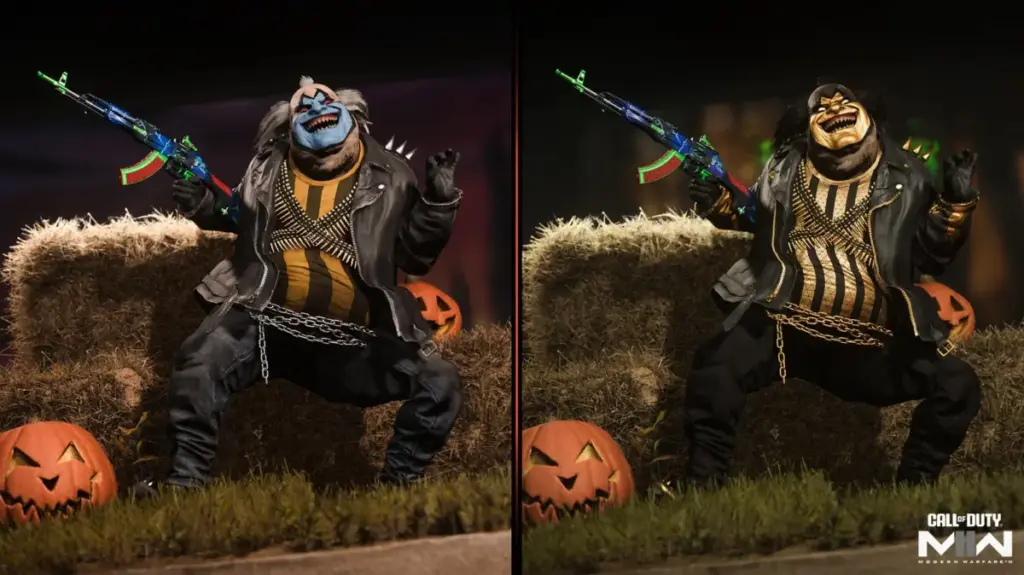
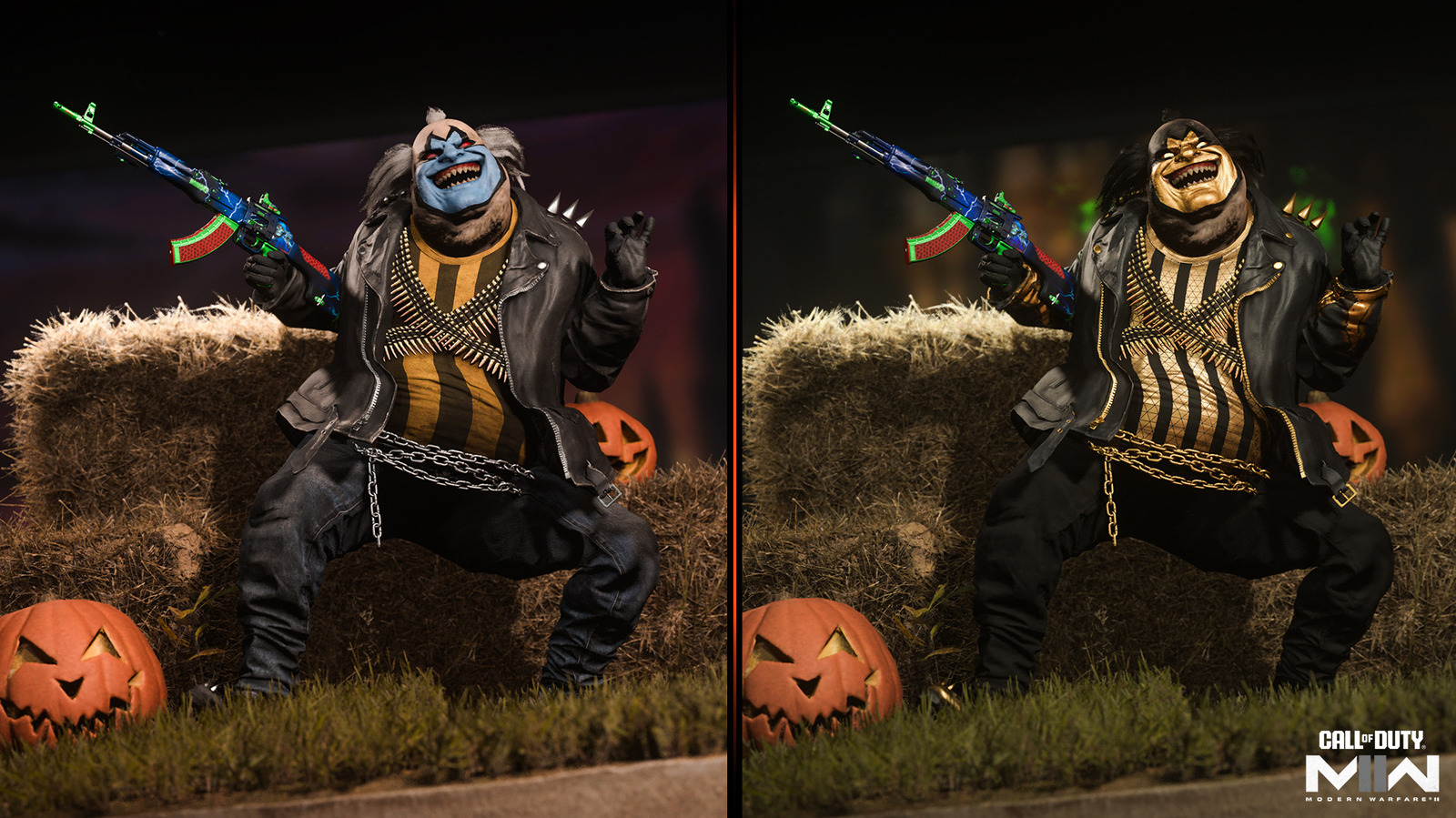
The move comes as a direct response to a vocal segment of the Call of Duty community that has grown increasingly weary of the franchise’s departure from its "boots on the ground" aesthetic. Over the past few years, the storefront has featured an eclectic array of characters that often feel detached from the high-stakes military drama typically associated with the series. From the inclusion of 1980s action icons like Rambo and John McClane to the more recent, surreal integration of characters like Beavis and Butt-Head, the visual landscape of Warzone has shifted dramatically. While many players enjoy these crossovers as fun, lighthearted additions to the game, others have argued that they undermine the tension and atmosphere that the developers spent years cultivating.
The issue is perhaps best exemplified by some of the more abstract additions to the game, such as "Wubz," a character design that features a creepy, fuzzy creature. For many long-time fans, being eliminated by a character that seems better suited to an animated children’s show than a tactical shooter is a source of frustration. The term "goofy" has become a shorthand in the community for any cosmetic that breaks the suspension of disbelief required to feel like a soldier in a war zone. By providing a technical solution to this aesthetic dissonance, Activision is signaling that they are listening to the feedback of the "hardcore" demographic that still values the franchise’s military heritage.
This feature also serves as a strategic acknowledgment of how the modern gaming industry functions. Call of Duty has evolved from a yearly retail product into a massive, multi-platform ecosystem that relies on constant engagement. Cosmetic sales are a primary revenue driver for the live-service model, incentivizing the creation of eye-catching, unique, and often bizarre skins that stand out in a crowd. Balancing the profitability of these skins with the desires of the core fanbase is a difficult tightrope to walk. By allowing players to filter out these cosmetics, Activision can continue to monetize them for those who love them, while simultaneously offering a "clean" experience for those who do not.
The integration of this toggle also raises questions about how the franchise will handle visual identity moving forward. As the number of available skins grows, the task of maintaining a unified visual language becomes increasingly complex. If players can simply "turn off" the designs that the art team has spent months creating, it could potentially change how developers approach future collaborations. However, the current consensus appears to be that this compromise is the best path forward. It keeps the revenue stream intact while preventing the "visual noise" that many feel has cluttered the Warzone experience.
For the developers, the challenge will be ensuring that the "default" replacements for these skins are high-quality and varied enough to prevent the game from looking overly repetitive. If every player who uses the filter ends up looking like a generic clone of a base-level soldier, the game could feel visually stagnant. However, given the massive catalog of existing assets within the Modern Warfare and Warzone engine, it is likely that the system will draw from a diverse pool of standard-issue models to keep the battlefield looking authentic but varied.
As the launch of Season 1 approaches, anticipation is high to see how the community reacts to this new layer of customization. The ability to control one’s visual experience is a significant step forward in player agency, and it highlights a shift in how major publishers are approaching the "live service" problem. Rather than imposing a single, unified vision on a diverse player base, the trend is moving toward modular experiences where players can tailor the game to fit their personal preferences.
The decision to keep the toggle off by default is also a calculated one. It ensures that the majority of players, who may not even be aware of the controversy surrounding "goofy" skins or who may simply enjoy the current variety, are not forced into a change they did not ask for. The onus is placed on the player to seek out the option, making it a "pro-user" feature that caters to those most invested in the aesthetic integrity of the game.
Ultimately, the introduction of this feature is an admission that the Call of Duty brand is now so expansive that it can no longer be defined by a single tone. It is a game that contains both the tactical realism of a special forces operation and the whimsical chaos of a Saturday morning cartoon. By providing the tools to filter the latter, Activision is giving players the best of both worlds: the freedom to exist in a world of their own choosing, while maintaining the commercial success that keeps the servers running and the content flowing. As the Warzone landscape continues to evolve, this toggle may prove to be one of the most important quality-of-life improvements the franchise has seen in years, marking a turning point in the ongoing debate over immersion in live-service shooters.