









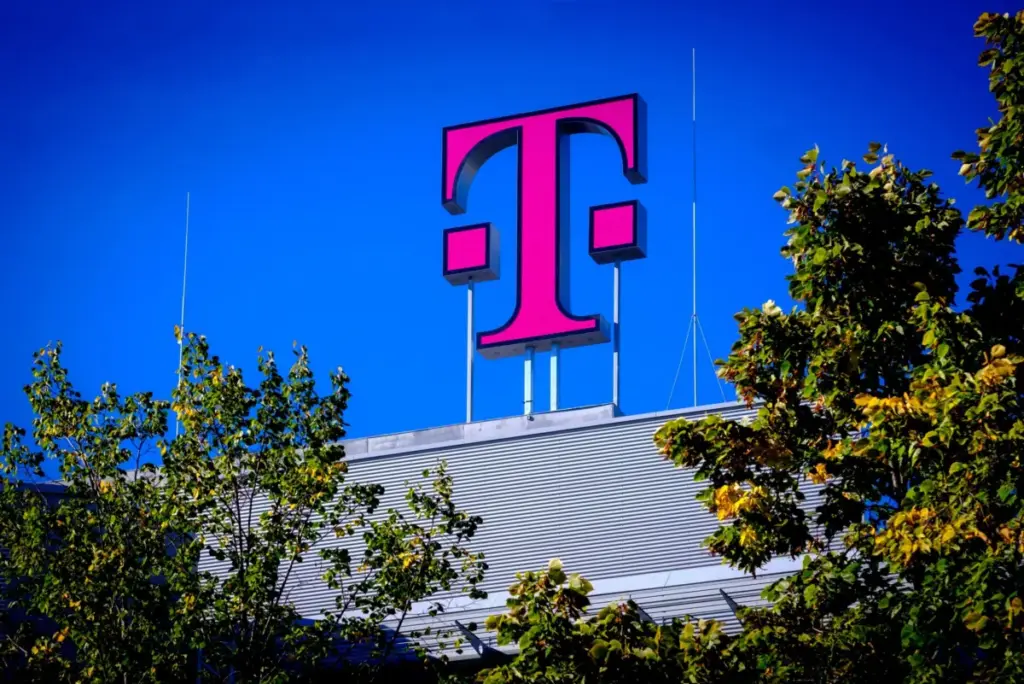
Deutsche Telekom (DT) is aggressively expanding its artificial intelligence infrastructure in Germany, announcing a €250 million ($280 million) investment to scale up its AI factory in Munich’s Tucherpark district. The move is designed to address surging commercial demand for high-performance enterprise AI capabilities, even as company leadership issues sharp warnings regarding Europe’s sluggish pace of digital infrastructure development compared to global competitors.
Speaking at a press conference on Monday, November 9, 2026, Deutsche Telekom CEO Timotheus Höttges detailed the company’s next phase of AI expansion. The initial facility, Tucherpark 1, launched in February 2026 as the result of a pioneering collaboration between DT and Nvidia, quickly establishing itself as a commercial success. Building on that momentum, the newly announced Tucherpark 2 project will exhaust the remaining capacity of the Munich site, bringing total facility power capacity up to 20 megawatts.
As part of the upgrade, Deutsche Telekom is integrating advanced Nvidia B300 graphics processing units alongside its existing Blackwell B200 systems. This technological refresh effectively doubles the density of chips in this high-performance class within DT’s infrastructure portfolio. The facility will also continue utilizing Nvidia RTX Pro 6000 Blackwell Server Edition GPUs to support heavy enterprise workloads.
However, a rather unexpected practical limitation shaped the hardware rollout. Ferri Abolhassan, CEO of DT’s enterprise customer services unit T-Systems, revealed that the company ultimately opted to install the Blackwell B200 and B300 systems rather than Nvidia’s bleeding-edge Vera Rubin GPUs for a remarkably mundane reason: the elevator shafts in the Tucherpark building are simply too small to transport the next-generation architecture.
Looking beyond the current Munich expansion, Höttges disclosed that planning for a third phase, Tucherpark 3, is already underway. He further noted that the company is actively exploring the construction of a dedicated AI "Gigafactory." Yet, despite these ambitious domestic plans, Höttges emphasized that Deutsche Telekom has not yet reached a definitive decision regarding its potential participation in the European Union’s sweeping AI gigafactories initiative.
Under the European Union scheme, regulators aim to catalyze the continent’s digital transformation by establishing up to seven hyperscaler data centers strategically distributed across Europe. The formal call for tenders was launched in July 2026, with winning bids scheduled for announcement in early 2027.
Höttges indicated that Deutsche Telekom will finalize its stance on the EU initiative in December, though he stressed that several critical hurdles must be cleared first. According to DT’s internal assessments, the current EU procurement framework could result in an effective capacity utilization rate of only 10% to 15%. Furthermore, a regulatory requirement to reserve 60% of facility capacity for public-sector use on short notice creates severe financing and risk management challenges for commercial investors. Höttges argued that more committed long-term customers and considerably more workable tender terms are prerequisites for private sector participation.
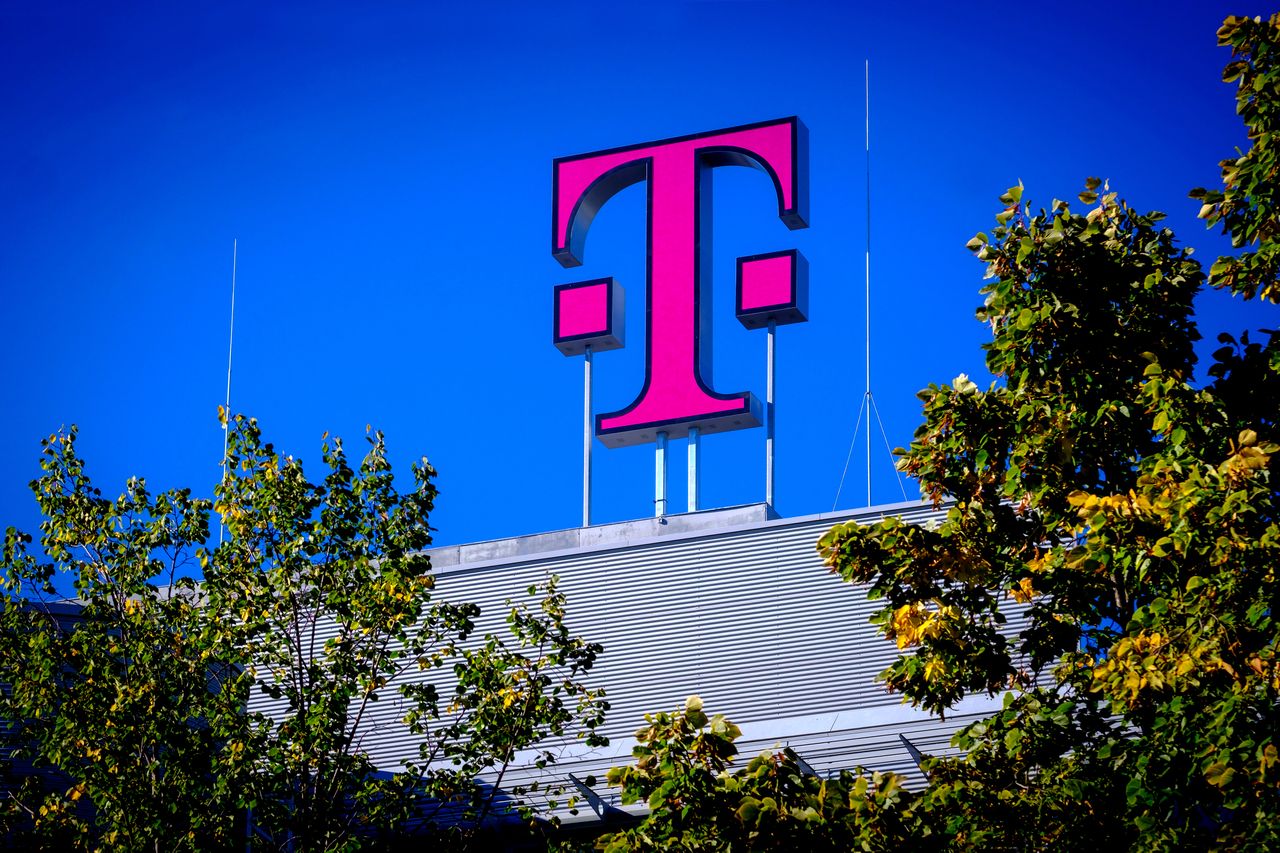
While Höttges noted that Deutsche Telekom does not inherently require a gigafactory for its own internal operations, he views such massive infrastructure as a strategic imperative for Germany’s industrial base—provided that the project can generate a viable financial return. If Deutsche Telekom ultimately decides to move forward with constructing a gigafactory, Höttges made it clear where the facility would land. "If we build it, we’ll build it where we most want to build it—in Bavaria," he stated.
Underpinning this urgency is a broader concern regarding Europe’s competitive standing on the global stage. Höttges warned that Europe is falling dangerously behind Asian markets in the race to deploy foundational digital infrastructure. Pointing to South Korea as a stark benchmark, he noted that the country’s current rate of artificial intelligence investment dwarfs that of the entire European Union combined, outpacing European spending by a factor of five in 2026 alone.
Building lessons
Reflecting on the operational realities of the past year, T-Systems CEO Ferri Abolhassan shared insights from the deployment of DT’s first Munich AI facility. Built in just three months—comfortably beating the initial six-month timeline—the factory is now completely sold out. Abolhassan stressed that the facility’s appeal lies in its turnkey nature rather than raw computing power alone. Rather than operating as a conventional, bare-metal data center, the site provides a complete operational stack encompassing secure network connectivity, advanced computing hardware, foundation models, specialized applications, and expert consulting services.
The primary lesson learned from the facility’s first year of commercial operation, according to Abolhassan, was not merely the technical engineering required to construct an advanced data center, but rather how to effectively lock down enterprise customers and ensure rapid return on investment.
This commercial infrastructure rollout mirrors Deutsche Telekom’s broader internal strategy to embed artificial intelligence across every layer of its own corporate operations. The telecommunications giant reported significant productivity gains from its internal AI integration in 2026. AI systems successfully managed 2.6 million customer service calls across Germany over the course of the year. Simultaneously, AI-assisted software development tools boosted internal IT productivity by roughly 35%, while approximately 83% of DT employees now incorporate AI applications into their daily workflows.
Artificial intelligence has also become vital to network operations. DT highlighted practical telecommunications applications such as RAN Guardian, an intelligent system that continuously analyzes complex network events and automatically adjusts underlying infrastructure components in real time as environmental and traffic conditions fluctuate.
To maximize the economic impact of these technologies, Abolhassan emphasized that Deutsche Telekom is doubling down on cross-industry collaboration within Germany, championing a cooperative "Deutschland AG" model. As prime examples of this collaborative ecosystem, he pointed to ongoing joint initiatives with German industrial heavyweights Siemens and Daimler, aimed at accelerating digital transformation across the country’s manufacturing and corporate sectors.