








The landscape of artificial intelligence is shifting rapidly from isolated chatbots to proactive, agentic systems capable of interacting directly with the digital world. At the forefront of this evolution is the Model Context Protocol (MCP), a technology designed to bridge the gap between AI agents and external tools, environments, and data sources. While MCP empowers AI models to execute complex, real-world tasks—such as reading personal emails, sending messages via Discord, and managing local file systems—this immense leap in capability introduces profound security challenges that developers must navigate.
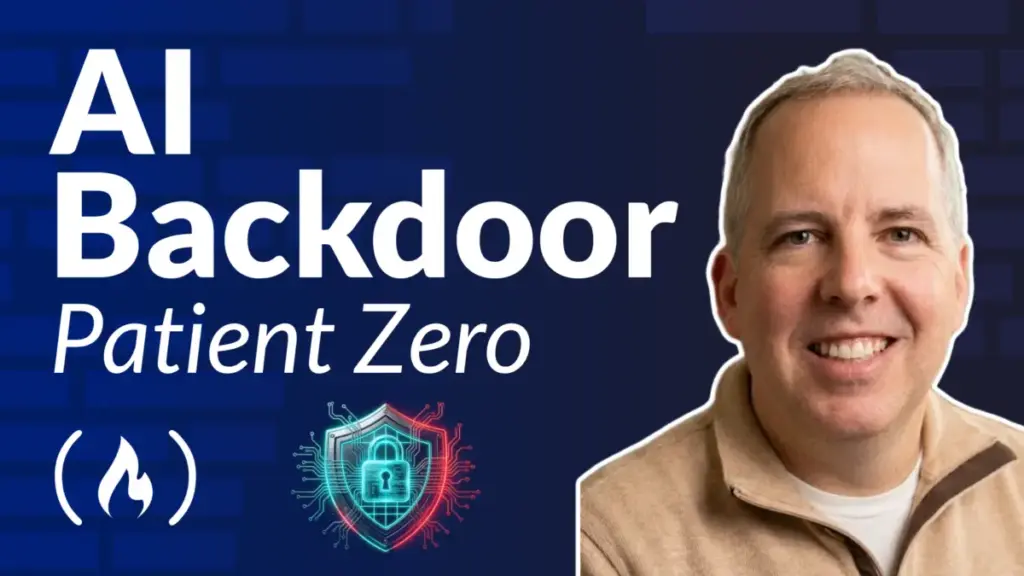
To address the growing urgency around these vulnerabilities, freeCodeCamp.org has announced the release of a comprehensive, two-hour video course dedicated entirely to Model Context Protocol security. Published on the official freeCodeCamp YouTube channel, the new educational resource is designed to help developers, engineers, and technology enthusiasts understand the architecture of MCP, recognize the specific threat vectors it introduces, and implement robust security measures when integrating AI agents with external ecosystems.
The rapid adoption of agentic workflows has transformed how humans interact with software. Historically, artificial intelligence models operated within strict sandboxes, relying entirely on user-provided prompts and pre-trained data. With the introduction of frameworks like MCP, AI agents can now dynamically discover and utilize external tools. This integration allows language models to act as autonomous assistants, bridging disparate applications and streamlining complex digital workflows. However, this level of connectivity opens the door to significant security vulnerabilities that traditional web applications do not typically face.
Because the ecosystem surrounding MCP is open and decentralized, virtually anyone can build, publish, and open-source an MCP server. This democratization of AI tooling fosters rapid innovation, but it also creates a dangerous blind spot for developers who integrate third-party servers without rigorous vetting. Blindly connecting an AI agent to an unverified MCP server can lead to devastating security breaches, including unauthorized data exfiltration, remote code execution, unauthorized access to sensitive local environments, and malicious prompt injection attacks that manipulate the agent into executing unintended commands.
The newly released freeCodeCamp course aims to demystify these risks and provide a clear framework for secure implementation. Taught by industry experts, the two-hour curriculum takes learners through a structured journey starting from the foundational concepts of what MCP is and how it functions under the hood. It then transitions directly into threat modeling, analyzing how malicious actors can exploit the protocol, and concludes with defensive strategies and best practices for securing agent-tool communication channels.
The launch of this course comes at a critical time for the software development community. As enterprises and independent developers rush to build AI-driven applications, security often takes a backseat to functionality. Incidents involving insecure API integrations and compromised agent environments have highlighted the urgent need for specialized education in AI security. By offering this resource for free on its platform, freeCodeCamp continues its mission of making technical education accessible to everyone, helping to build a safer and more secure foundation for the future of artificial intelligence development.
Viewers can access the complete two-hour course immediately on the official freeCodeCamp.org YouTube channel, where it is available for free to anyone looking to deepen their understanding of AI security and agentic workflows.