










Setting up a backyard bird feeder is a popular and rewarding way to bring local wildlife closer to home, offering hours of entertainment and a front-row seat to nature. However, for anyone new to the hobby, welcoming feathered visitors usually comes with an inevitable initiation rite: a relentless backyard squirrel invasion.
While squirrels are undeniably clever and often charming creatures, their notorious appetite for birdseed can quickly turn them from harmless backyard visitors into persistent pests. When a gluttonous squirrel discovers a bountiful bird feeder, your expensive seed supply can vanish in a single afternoon. Beyond the frustration of empty feeders and rapidly escalating birdseed bills, there are compelling structural reasons to discourage squirrels from gathering in large numbers right outside your back door. If a bird feeder is positioned close to a home’s exterior walls or roofline, these agile rodents may eventually find their way indoors, frequently nesting in vulnerable spaces like attics where they can cause significant property damage.
To prevent squirrels from commandeering your backyard wildlife viewing setup and potentially invading your living space, understanding how to deter them effectively is essential for any modern homeowner. Based on extensive hands-on testing of the latest smart home bird feeding technology, experts have identified several straightforward strategies to reclaim your yard and protect your investment.


Move Your Feeder
For backyard enthusiasts who have already found themselves locked in a losing battle with overzealous squirrels, adjusting the physical location of the feeder serves as an important first step. A common mistake made by beginners is placing a feeder too close to mature trees or dense overhead branches. Squirrels possess remarkable leaping abilities and can easily launch themselves from nearby foliage directly onto a hanging or mounted feeder, treating the structure as an effortless personal buffet.
Through rigorous testing of various smart bird feeders, industry reviewers have also learned to avoid mounting equipment directly onto fences, particularly wooden ones. Experienced testers have frequently observed squirrels effortlessly tight-rope walking along fence lines with absolute balance and precision before making a clean leap straight into a bird feeder. Even though many contemporary smart bird feeders come packaged with versatile mounting hardware designed for both trees and wooden fences alike, relying on these attachment points almost guarantees a visit from local wildlife. Instead, investing in a dedicated, freestanding bird feeder pole offers a much higher chance of success, provided it is placed far enough away from launch pads like fences, sheds, and low-hanging tree limbs.
Consider a Squirrel Shield

When moving a bird feeder away from trees and onto a dedicated pole still fails to stop determined wildlife, adding a physical deterrent like a squirrel shield becomes the logical next phase of defense. These protective accessories, often referred to as baffles, are typically designed as smooth, oversized domes or cylinders attached directly to the mounting pole. When a squirrel attempts to climb the vertical metal shaft, the shield blocks its path, making it physically impossible for the animal to scale the pole and reach the food source hanging above.
For homeowners looking for an economical alternative to commercial hardware accessories, budget-friendly DIY solutions have circulated widely among backyard hobbyists for years. One popular trick involves sliding a flexible plastic slinky down the mounting pole so that it dangles loosely beneath the feeder. While this creative method does not always offer foolproof protection against exceptionally athletic animals, it frequently provides a secondary benefit by delivering moments of unintended physical comedy and solid backyard entertainment as the wildlife attempts to navigate the shifting metal coils.
Try Spicy Food
Another effective strategy involves altering the contents of the feeder itself through dietary adjustments that favor birds over mammals. Recent insights into wildlife behavior indicate that squirrels generally dislike spicy flavors, making the addition of hot spices to your seed mix a clever deterrent. By dusting birdseed with cayenne pepper, homeowners can create an environment that discourages squirrels from returning after a few unpleasant culinary experiences.

Crucially, backyard birds are entirely unaffected by the heat. Avian species handle spicy foods remarkably well, with certain types of birds even known to naturally snack on wild peppers without any adverse effects. When utilizing this method, caution should be exercised regarding the quantity of spice added to ensure that strong winds do not pick up fine particles and irritate the eyes or respiratory systems of either the local wildlife or anyone relaxing nearby in the yard. Relying on a combination of these preventative measures, rather than testing each solution in isolation, provides the most reliable defense against early squirrel infiltration.
The Smart Bird Feeder CNET Recommends
The market for backyard wildlife technology has evolved significantly, offering high-definition cameras, solar power integration, and artificial intelligence-driven species identification. Following comprehensive evaluations of five distinct smart bird feeders alongside a smart bird bath, tech reviewers have crowned their top selection for the current year.
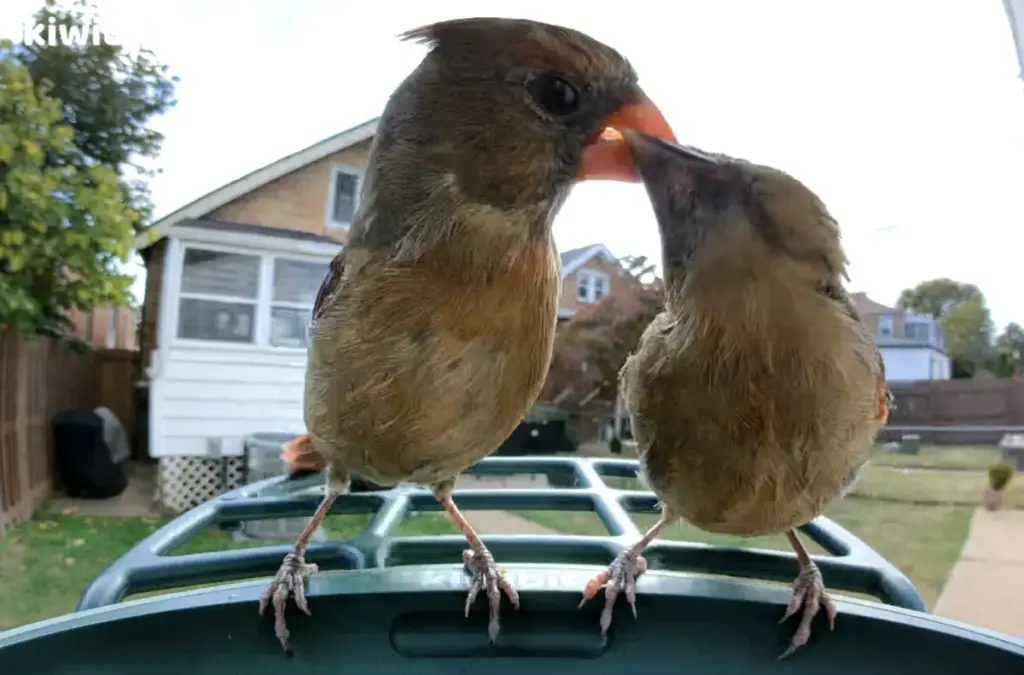
The premier recommendation is the Kiwibit Bird Feeder 2 Pro, which represents a refined iteration of earlier hardware like the Kiwibit Bird Feeder Pro. This upgraded smart feeder features enhanced camera resolution, a robust physical construction designed to withstand the elements, integrated solar panels for continuous power, and a comfortable perch platform where local birds can rest while enjoying their meals. Once homeowners successfully manage local squirrel populations using strategic placement, physical guards, and deterrents, modern smart feeders deliver an unobstructed, high-tech window into backyard wildlife behavior that transforms routine bird watching into an engaging daily experience.