










As the mobile industry looks toward the early 2027 release cycle, anticipation is mounting regarding Apple’s next major hardware refresh. Recent reports suggest that the tech giant is preparing to introduce three distinct models to its smartphone portfolio: the flagship iPhone 18, the budget-conscious iPhone 18e, and the successor to the ultra-thin variant, the iPhone Air 2. While the company has yet to confirm these details, a series of emerging leaks—most notably from verified sources on social media—has begun to paint a clearer picture of how Apple intends to navigate a complex manufacturing landscape while balancing performance expectations with cost-efficiency.
The backdrop for this upcoming release is significantly influenced by the broader market conditions of the past year. Following what analysts have described as an AI-driven memory crisis—a period marked by supply chain constraints and the rising costs of the high-bandwidth memory required to power advanced artificial intelligence features—Apple has been forced to rethink its hardware strategy. Reports from early 2026 indicated that the company was exploring aggressive cost-cutting measures, specifically by streamlining the manufacturing processes used for its entry-level and mid-range devices. By standardizing the production lines for these models, Apple aims to mitigate the inflationary pressures that have impacted the entire consumer electronics sector.
Recent information surfaced via a post on the Chinese social media platform Weibo, where the leaker known as Fixed Focus Digital shared specific technical insights into the iPhone 18 and the iPhone 18e. According to the report, which the leaker claims has been verified by multiple industry sources, Apple is prioritizing internal component consistency between these two devices. This move is largely viewed as a strategic decision to maximize economies of scale, allowing Apple to maintain a competitive price point for the "e" series while ensuring that the standard iPhone 18 remains a profitable anchor for the lineup.

One of the most notable revelations from these leaked specifications concerns the battery technology. The reports suggest that Apple is planning to equip both the iPhone 18 and the iPhone 18e with the same high-capacity battery units. For the average consumer, this is a significant development. While the shared hardware is undeniably a move designed to reduce the complexity and cost of the supply chain, it represents a substantial upgrade for the user experience. By deploying a larger, more uniform battery across these models and pairing it with the expected power-efficiency gains of the next-generation A20 chipset, Apple appears to be aiming for a substantial leap in battery longevity. If these leaks hold true, users of the more budget-friendly iPhone 18e will benefit from the same endurance improvements typically reserved for the standard or Pro-tier devices.
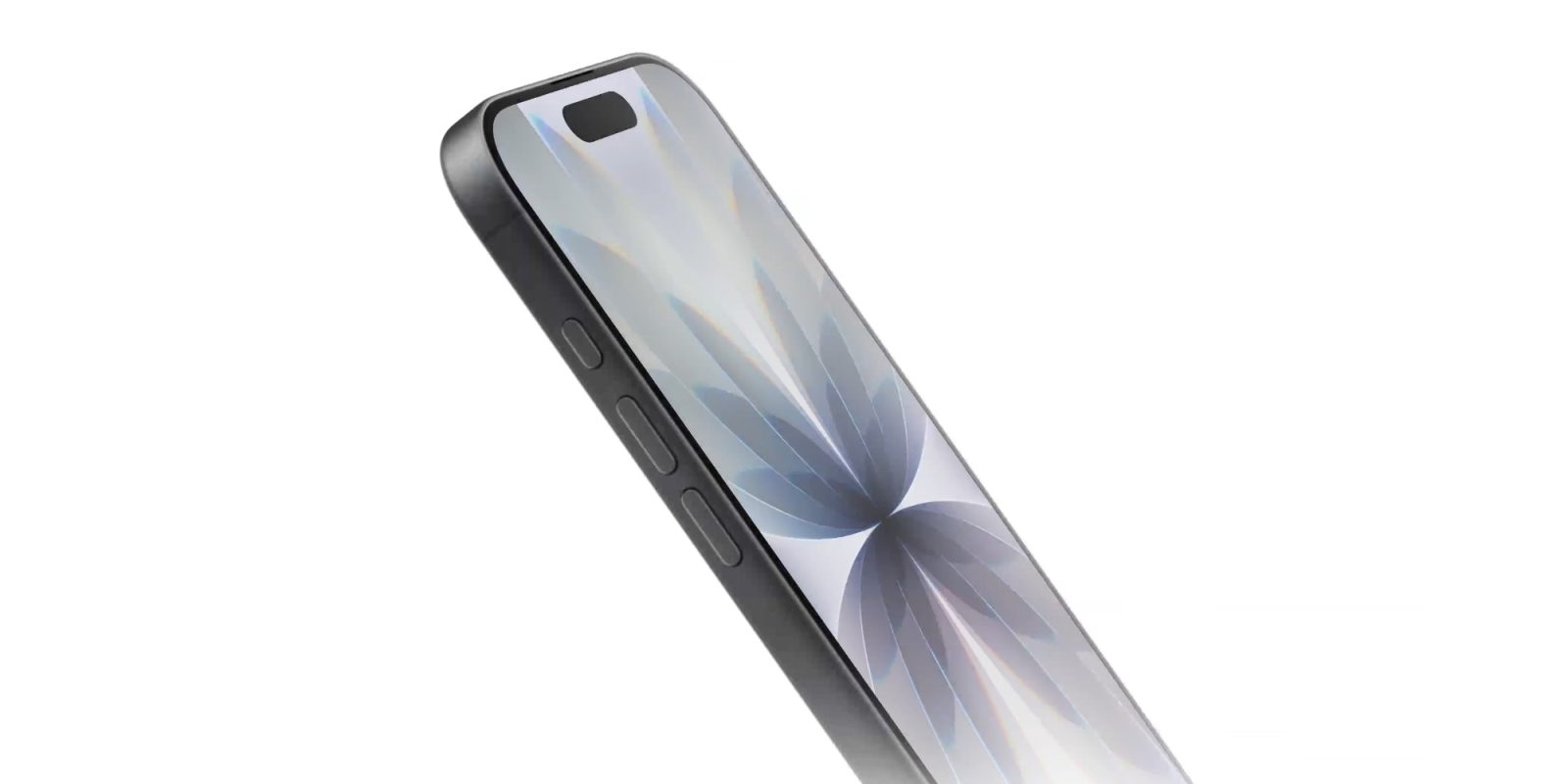
The design of the iPhone 18e is also expected to undergo a meaningful evolution. Current leaks point to the device adopting a 6.3-inch display, a shift that carries significant implications for the phone’s front-facing architecture. Historically, Apple has used screen size and display technology to differentiate its product tiers, but a move to a 6.3-inch panel for the entry-level model strongly suggests that the aging "notch" design will finally be phased out in favor of the Dynamic Island. Since Apple has never implemented a 6.3-inch display with the traditional notch, the industry is largely operating under the assumption that the Dynamic Island—which currently serves as a hub for real-time notifications and system alerts—will become the new standard across the entire 2027 lineup. This transition would not only unify the aesthetic of the phones but also simplify the manufacturing process for display assemblies, further supporting Apple’s cost-containment objectives.
The decision to harmonize these components is a departure from Apple’s historical habit of creating wider gaps between its base and "e" or "mini" tier offerings. In previous years, the entry-level models often utilized older silicon or repurposed display hardware to distinguish them from the flagship counterparts. However, the constraints imposed by the ongoing memory and component cost environment have seemingly forced a change in philosophy. By aligning the specs of the iPhone 18 and 18e more closely, Apple is effectively creating a more compelling value proposition for consumers who might otherwise be priced out of the flagship experience.

This strategy also highlights the importance of the A20 chip. As the engine of the 2027 lineup, the A20 is expected to be built on an advanced node that prioritizes thermal efficiency and performance-per-watt. Because the iPhone 18 and 18e are expected to share so much internal DNA, the efficiency of this chip becomes the linchpin of the product’s success. If the A20 performs as anticipated, the similarity in internal components will likely feel like an intentional, premium-focused decision rather than a compromise.
As the industry moves closer to the 2027 launch, the focus will undoubtedly shift toward how these devices handle the increasingly demanding AI tasks that have become central to Apple’s software ecosystem. With the integration of advanced on-device processing, the memory requirements for mobile devices have skyrocketed. By focusing on manufacturing efficiency, Apple is likely attempting to ensure that even its more affordable handsets possess the necessary overhead to run these AI-driven features without stuttering or excessive battery drain.
The inclusion of the iPhone Air 2 in the rumored lineup adds another layer of intrigue. While the iPhone 18 and 18e are being positioned as the workhorses of the 2027 collection, the Air 2 is expected to occupy a niche for users who prioritize industrial design, extreme thinness, and a unique form factor over the raw performance or battery size of the core models. By keeping the main line focused on consistent performance and value, Apple seems to be creating space for the Air 2 to push the boundaries of what is possible in terms of hardware engineering.

Despite the wealth of leaked information, it is important to maintain a measured perspective. The smartphone market is notoriously volatile, and supply chain adjustments can happen at the last minute. The manufacturing processes that seem set today could change as Apple finalizes its component orders and yields from its fabrication partners. Furthermore, while the technical specifications provided by leakers like Fixed Focus Digital offer a glimpse into the company’s internal planning, the final consumer experience will be defined by the synergy between the A20 hardware and the next version of iOS, which is expected to be announced alongside the new devices.
As consumers look ahead, the conversation around the iPhone 18 is quickly moving away from simple year-over-year spec bumps toward a broader discussion about how Apple is adapting its business model. The transition toward shared components and standard display architectures reflects a mature market where the cost of innovation is rising, yet the demand for high-end features remains constant. Whether this move towards standardization will pay off in the form of increased sales for the iPhone 18e or if it will blur the lines too much between the entry-level and standard models remains to be seen.
For now, the expectation is clear: Apple is positioning its 2027 lineup to be its most cohesive to date. By leveraging a shared manufacturing process, the company hopes to deliver a consistent, high-performance experience across its core models, all while navigating the complexities of a challenging global economic climate. As more details emerge in the coming months, the focus will remain on whether these hardware choices provide the necessary foundation for the next generation of software, or if the cost-cutting measures will reveal themselves in other, less visible ways. For those currently waiting to upgrade their devices, the potential for a unified, high-performing lineup suggests that 2027 could be a pivotal year for the iPhone brand.