











Meta has once again taken center stage during the tech industry’s most critical hardware window, unveiling an ambitious slate of products at Meta Connect 2026. This year’s announcements signal a clear shift in strategy, moving away from purely standalone, bulky headsets toward a more integrated ecosystem of lightweight wearables, AI-driven audio devices, and sophisticated virtual reality experiences. With new VR glasses, a camera-free smart audio device, and major updates to the third-generation Ray-Ban Meta line, the company is attempting to define the next decade of personal computing.
The Arrival of Meta VR Glasses
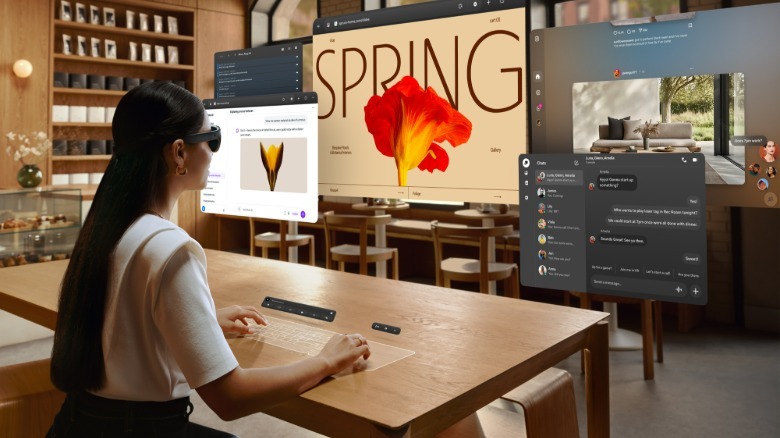
The headline of this year’s event was undoubtedly the reveal of the Meta VR Glasses, a product that had been the subject of industry speculation since 2023. Staying true to the roadmap hinted at years ago, Meta confirmed that these glasses will hit the market next spring, with a premium price tag of $1,300.
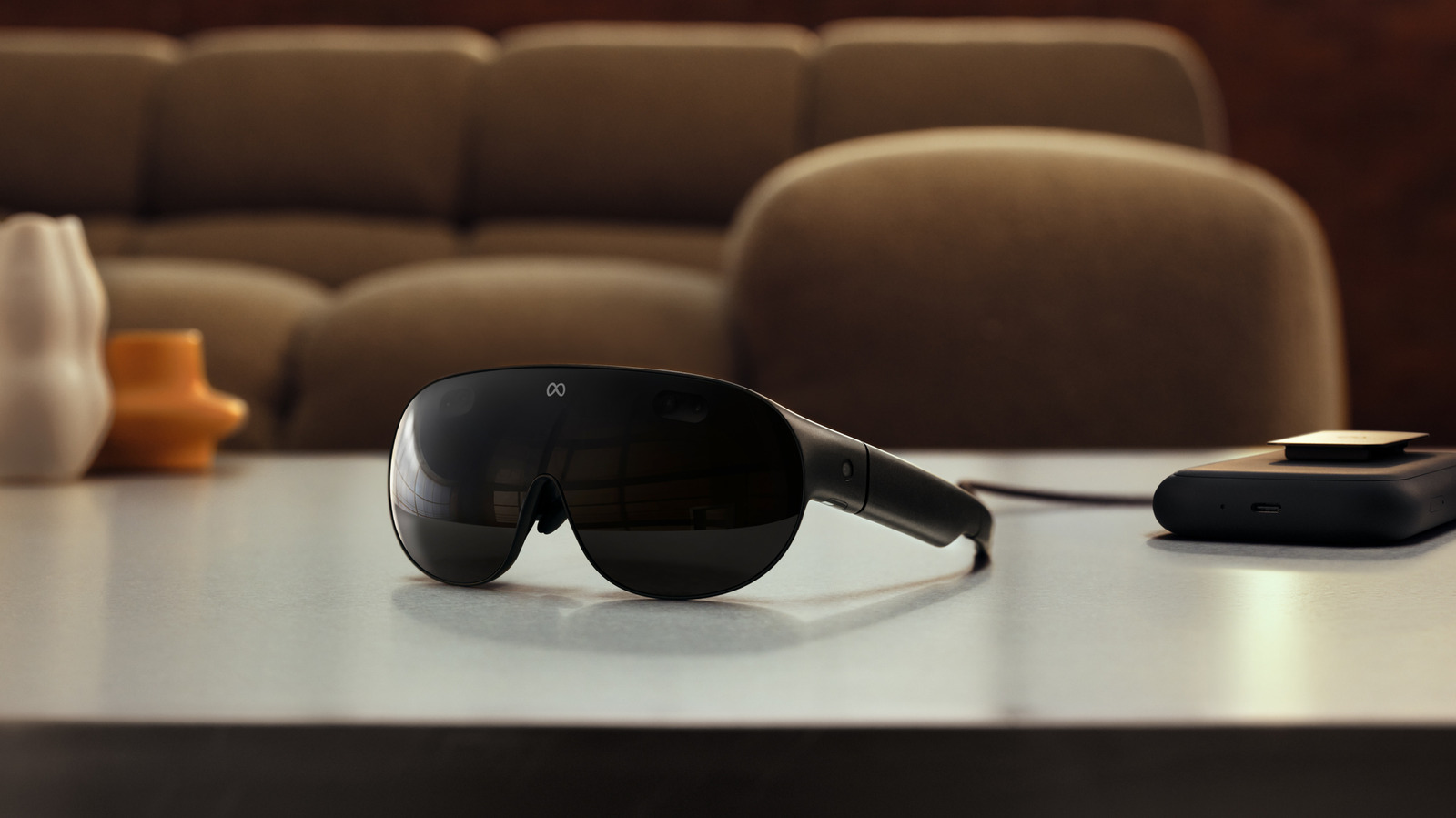
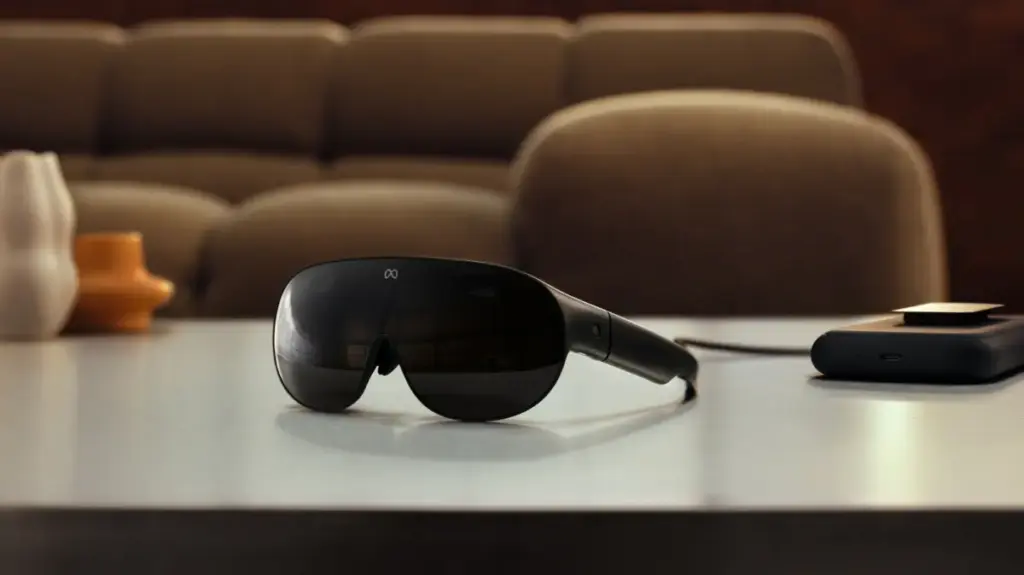
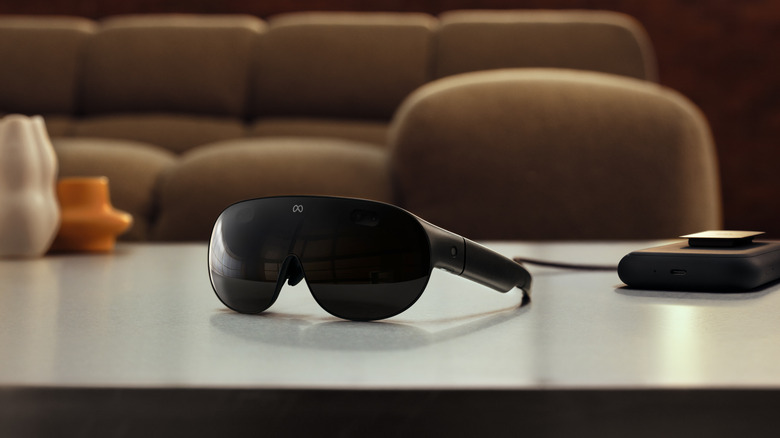
Designed to address the ergonomics issues associated with traditional head-mounted displays, the Meta VR Glasses weigh in at approximately 100 grams—a staggering five times lighter than the current Meta Quest 3 headset. Built with a sleek magnesium alloy frame and equipped with high-fidelity pancake lenses, the device is positioned as a lightweight alternative for high-end media consumption and productivity. The glasses boast a 5K display and support for both Dolby Vision and Dolby Atmos spatial audio. Notably, this is the first VR device to achieve IMAX Enhanced certification, underscoring Meta’s commitment to providing a "cinema-grade" experience in a compact form factor.

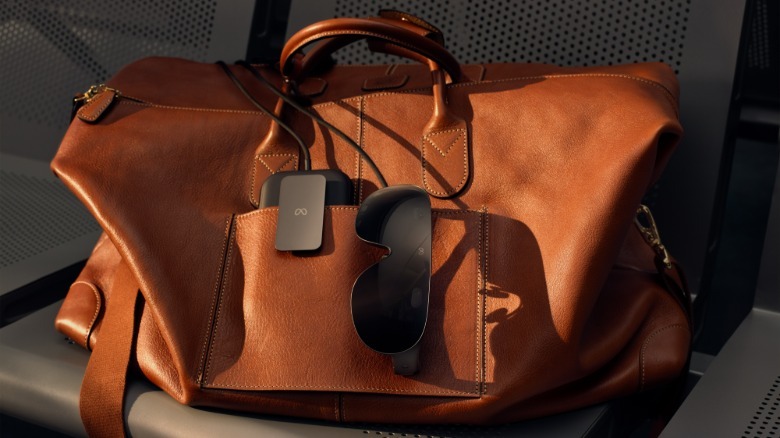
Technical heavy lifting for the glasses is offloaded to a tethered puck, which contains the battery, storage, and Qualcomm’s Snapdragon Reality Elite chipset. This configuration allows for up to three hours of continuous high-resolution media playback, with the puck supporting 45W fast charging to minimize downtime.
The software ecosystem at launch is robust, featuring 75 games compatible with hand gestures. Furthermore, the glasses are backwards compatible with the existing Quest library via Touch Plus controllers. Users looking for a more traditional gaming experience can also stream titles through Xbox Cloud Gaming. Beyond entertainment, Meta is positioning these glasses as a viable productivity tool. By connecting the device to a Windows PC or Mac, users can operate a virtual desktop, using either a physical mouse and keyboard or a virtual interface. To enhance social presence, Meta has introduced holographic avatars for video calls on platforms like WhatsApp and Zoom, allowing users to interact with others in a more immersive, spatial-aware manner.
Expanding the Ray-Ban Meta Lineup
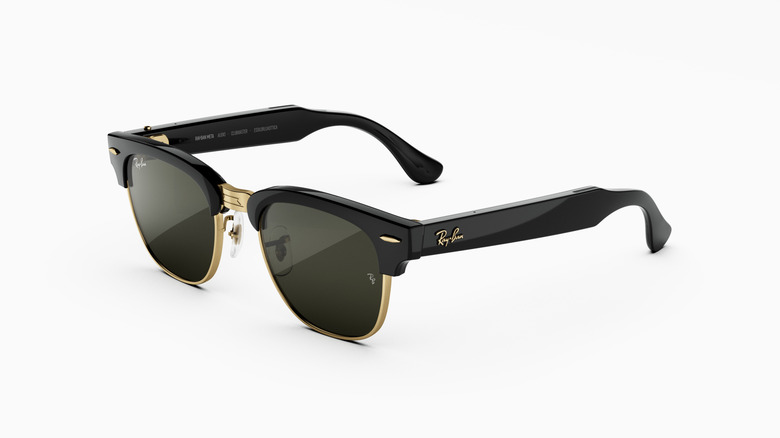
Meta is also diversifying its smart glasses portfolio, likely in response to public discourse surrounding the privacy implications of camera-equipped wearables. The company has introduced the Ray-Ban Meta Audio glasses, a camera-free model that focuses entirely on audio and AI-integrated utility. Starting at $349, these glasses are designed for all-day comfort, weighing only 43 grams and featuring adjustable temple tips and nose pads. With a battery life of up to 12 hours—extensible to 48 hours via the charging case—Meta is pitching these as an everyday companion for podcasts, music, and voice-assisted tasks.

Simultaneously, Meta has refreshed its flagship camera-enabled smart glasses with the third-generation Ray-Ban Meta line. These models feature a slimmer profile, improved battery life (now reaching nine hours), and a dedicated physical button to trigger Meta AI. The updated hardware includes a 12MP camera capable of 3K video capture, with future software updates promising Dolby Atmos spatial audio for recorded clips. Meta has also expanded the aesthetic options for these glasses, introducing the classic Aviator style and the Zena cat-eye frame, while continuing to offer the popular Wayfarer look. Pricing for the Gen 3 models starts at $449, with limited-edition collaborations, including models designed with Kylie Jenner and Blackpink’s Lisa, priced at $399.
Hearing Enhancement and Accessibility
One of the most significant technological additions across the Meta wearables ecosystem is the introduction of a new hearing enhancement feature. While the company is careful to distinguish this from medical-grade hearing aids, the feature is designed to assist users in noisy environments by tuning audio frequencies to the individual’s hearing profile.
The setup process, which mirrors the intuitive calibration found in Apple’s AirPods Pro, requires users to listen to a series of tones in a quiet room to generate a personalized audio map. Once configured, the feature can be toggled on or off via voice command. Meta plans to roll this out to the Meta Glasses range, followed by the third-gen Ray-Ban Meta and Ray-Ban Meta Audio models. While a 30-day free trial is available, the service will eventually cost a one-off fee of $149, or it can be accessed through a Meta One subscription. Importantly, Meta has confirmed the feature is eligible for FSA and HSA reimbursement, making it a more accessible health-focused tool.
Gaming and Entertainment Content
The software side of the Meta ecosystem is receiving a major overhaul, particularly regarding the flagship VR title, Beat Saber. Developer Beat Games, a Meta subsidiary, is launching its most comprehensive update yet, featuring native hand-tracking support and a new single-player mode called "Flux." This mode introduces a power-based mechanic that allows players to channel energy between their palms to interact with the game environment. The update also brings a narrative-driven campaign, a new menu system, and a progression-based reward system for customizing player assets.
Fitness enthusiasts will be pleased to see the return of Supernatural to the Meta Horizon Store. Following a series of organizational shifts within Meta’s VR division earlier this year, the platform has been taken over by an independent development team. All existing user data, including streaks and badges, will be preserved, and the team has promised a pipeline of new high-definition environments, music, and workout routines.
Other notable gaming announcements include the arrival of Payday: Aces High on Meta Quest 3 and 3S, featuring cross-platform co-op with PC VR users, and a mixed-reality version of Tetris Effect for the upcoming VR Glasses. In a nostalgic twist, the Phoenix Wright: Ace Attorney series will make its VR debut with Dual Destinies, allowing players to physically point at witnesses and use voice commands to shout "Objection!"
On the entertainment front, Meta is significantly expanding its 3D and immersive media library. Starting in November, Disney+ subscribers in select regions will gain access to 3D streams of major titles like The Avengers. Furthermore, the new Disney Immersive Cinema app for Meta VR Glasses will offer "VR Enhanced" versions of films, creating fully realized 3D environments that allow users to feel as if they are standing inside the movie. Sports fans also have much to look forward to, with 8K, 180-degree streaming coverage planned for college football, eventually expanding to NBA, MLB, and UFC events in 2027.
The "One More Thing"
Closing out the presentation, Mark Zuckerberg offered a fleeting glimpse of a new, experimental device dubbed the "Muse Charm." While details remain sparse, the device appears to be a compact, keychain-sized unit that houses a personal AI agent. It includes a small display, microphone, speaker, and a fingerprint sensor. Zuckerberg described it as a container for the company’s real-time voice and avatar stack, designed to keep the Muse AI experience available at all times. With the promise of more information to come later this year, the Muse Charm stands as a testament to Meta’s desire to move AI out of the screen and into the physical world as a constant, ambient assistant.