










The collapse of the Digital Asset Market Clarity Act in the U.S. Senate has left a significant vacuum in federal policy, forcing a pivotal shift in how the government oversees the burgeoning cryptocurrency sector. While the legislative defeat was widely viewed as a major setback for an industry desperate for clear, durable rules, the immediate aftermath has triggered a frantic, high-stakes response from federal regulators. Rather than waiting for a new congressional mandate, agencies like the Securities and Exchange Commission (SEC) and the Commodity Futures Trading Commission (CFTC) are racing to substitute their own administrative regulations for the comprehensive statutory framework that failed to materialize.
The Clarity Act was designed to be the foundational "bedrock" for crypto markets, intended to define once and for all which assets fall under the jurisdiction of specific regulators and how those markets should operate. For years, the U.S. crypto industry has been mired in a complex, often adversarial relationship with federal watchdogs. Companies like Coinbase and Kraken have frequently clashed with the SEC over the classification of tokens and the legality of their business models, leading to a series of expensive settlements, protracted litigation, and an overall environment of regulatory uncertainty. Many industry participants viewed the tenure of former SEC Chair Gary Gensler as a period of enforcement-heavy "regulation by litigation," a sentiment that left the sector craving the stability that only a clear, bipartisan act of Congress could provide.
The proposed legislation aimed to resolve these long-standing jurisdictional disputes by clarifying the distinct roles of the SEC and the CFTC. Crucially, it sought to grant the CFTC expanded supervisory authority over crypto commodity spot markets—the primary venues where assets like Bitcoin and Ethereum are traded. Because the U.S. regulatory system was historically built on a strict separation between securities and derivatives, the emergence of digital assets, which can possess characteristics of both, created a regulatory "minefield." The Clarity Act was intended to categorize these blockchain-native assets, impose strict anti-money laundering and illicit finance standards, and, in a highly debated provision, offer limited legal safe harbors for developers in the decentralized finance (DeFi) space.

Following the bill’s failure, the industry is now grappling with a new reality: the transition from a legislative approach to an administrative one. This shift is being led by a new guard at the top of the nation’s financial watchdogs.
A New Regulatory Strategy Under SEC Leadership
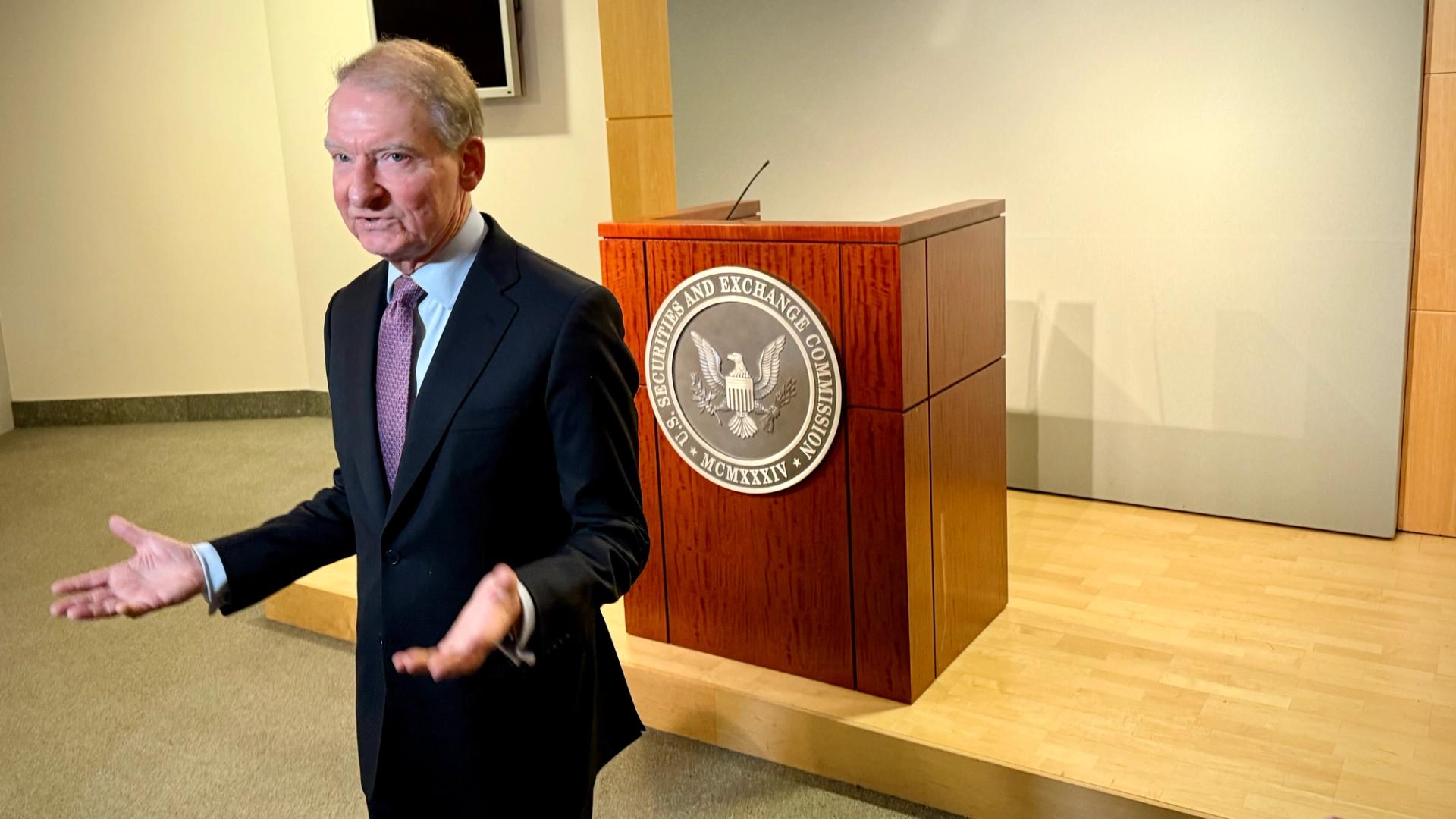
The SEC, now under the leadership of Chairman Paul Atkins—a figure hand-picked by President Donald Trump—has wasted no time in signaling a shift in its approach to digital assets. Atkins entered his tenure with a clear mandate to bring order to the crypto landscape, and the death of the Clarity Act appears to have accelerated his timeline. Rather than retreating, the commission has pivoted toward establishing a "legitimate space" for digital assets within existing regulatory frameworks.
Only days after the legislative defeat, the SEC launched a major policy initiative aimed at creating a regulatory pathway for the tokenization of securities. This effort represents a centerpiece of the SEC’s new, more pragmatic focus on digital innovation. However, the agency’s ambition extends far beyond a single policy project. In a collaborative effort with the CFTC, led by Chairman Mike Selig, the two agencies have begun implementing a "taxonomy" of digital assets. This project sets out preliminary standards for how different tokens will be classified and treated under existing federal law.
These efforts are essentially staff-level policy projects that provide temporary clarity for market participants. However, observers warn that these measures lack the permanence of law. Because they are products of current agency leadership, they remain vulnerable to being overturned or completely rewritten by future administrations. Despite this, the SEC, operating under an all-Republican commission with significant Democratic vacancies at the White House level, is currently in a position to push through aggressive, pro-industry proposals that would have been impossible under previous political configurations.
As policy analyst Ian Katz of Capital Alpha noted in a recent client briefing, the current regulatory environment allows the SEC and CFTC to "shift into overdrive." By bypassing Congress and moving through administrative rulemaking, the Republican-led commissions are essentially signaling to lawmakers that the status quo will be defined by agency policy if a legislative consensus cannot be reached. These formal regulations, while not as durable as a statute, are far more difficult to reverse than simple enforcement guidance, providing at least a baseline of structural stability for firms operating in the space.
The CFTC’s Expanding Role in Market Oversight
While the SEC focuses on the securities-like aspects of digital assets, the CFTC is moving with equal speed to assert its influence over crypto commodity markets. Chairman Mike Selig, acting as the sole commissioner of the CFTC, has gained significant unilateral power to set the agency’s agenda without the friction of a multi-member board. Following the collapse of the Clarity Act, Selig moved quickly to send a comprehensive proposal on crypto transactions and market structures to the White House for review.
The CFTC’s current focus includes the regulation of prediction markets and the broader oversight of crypto perpetual futures, or "perps," which have seen explosive growth in recent years. Selig has explicitly tasked his staff with developing a framework to label firms as "crypto asset markets," effectively creating a new category of regulated entity similar to the agency’s existing designated contract markets (DCMs).
This piecemeal approach to regulation is, by necessity, a substitute for the comprehensive reform that the Clarity Act would have provided. It creates a regulatory patchwork that, while arguably better than the previous state of total uncertainty, remains on inherently slippery footing. Market participants are left to wonder whether these new rules will hold up under the inevitable legal challenges that arise when agencies attempt to stretch existing statutory authority to cover novel technologies.
The Limits of Agency-Led Regulation
Despite his aggressive pursuit of a crypto-friendly regulatory agenda, Chairman Atkins has remained surprisingly vocal about the limitations of his own work. Throughout his tenure, he has repeatedly emphasized that the SEC’s current efforts are meant to complement, not replace, the essential work of Congress. In various public statements, including his remarks at the launch of "Project Crypto" last November, Atkins has insisted that legislation is "indispensable" for creating rules that are truly future-proof.
The core concern is durability. Administrative rules are, by definition, subject to the whims of the political cycle. A "future-proofed" regulatory environment, in Atkins’ view, requires the weight of law to protect current policy initiatives from being dismantled by a future "rogue" regulator or a shift in the executive branch’s priorities.
The industry now finds itself in a strange middle ground. It is receiving the clear guidance and proactive rule-making it has lobbied for, but it is receiving them through a channel that is inherently fragile. For now, the SEC and the CFTC are providing the roadmaps for digital asset compliance, but the long-term question remains whether these administrative "stand-ins" will provide the institutional confidence required to unlock the next phase of institutional investment in the crypto space. Without a legislative victory, the sector is effectively operating under a series of temporary mandates—a high-stakes experiment in governance that relies entirely on the political will of those currently holding the reins at the federal agencies.