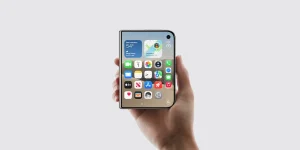












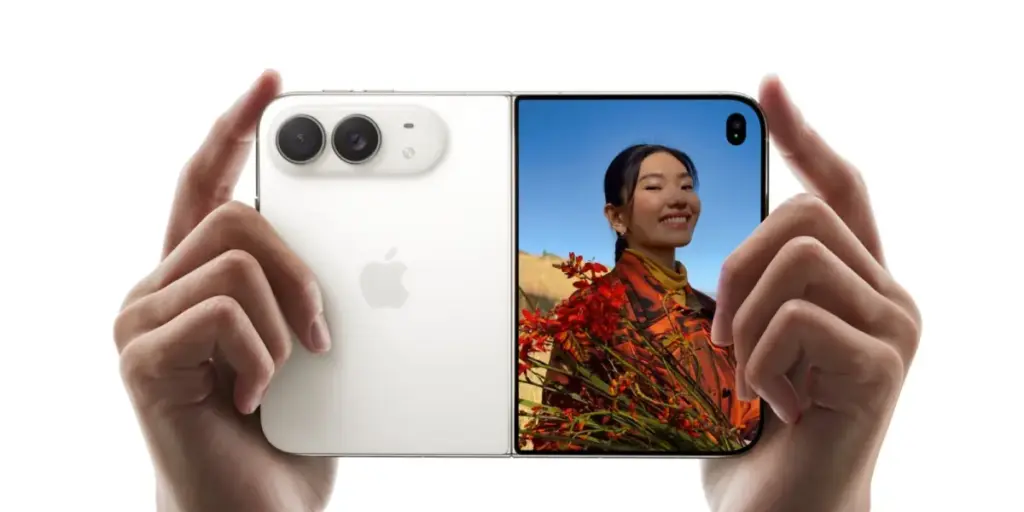
The launch of the iPhone Duo marks a monumental shift in Apple’s hardware trajectory, representing the company’s first foray into the foldable smartphone market. However, beyond the engineering marvel of the folding display lies a significant software strategy that could define the device’s success or failure in its early months. Apple has opted for a strict, developer-focused approach that demands a commitment to native optimization, setting the stage for a high-stakes transition period.
At the heart of this strategy is a requirement for developers to recompile their applications to support the unique dimensions of the iPhone Duo. To unlock the full potential of the device’s expansive inner display, developers must update their apps to support iOS 27.0 at a minimum. Furthermore, for those looking to integrate the Duo’s specialized interface elements—such as the new, device-specific tab bar and custom UI components—a move to the iOS 27.1 framework is mandatory. This requirement is not merely a suggestion; it is a fundamental shift in how the software interacts with the hardware, forcing a transition that will require considerable effort from the third-party developer community.
The immediate consequence of this mandate is clear: a large number of applications will initially lack full-screen optimization. For users, this means that until developers push these necessary updates, many apps will likely be "letterboxed" or contained within black bars on the inner display. Apple is effectively accepting a temporary aesthetic compromise in exchange for a long-term, high-quality user experience.
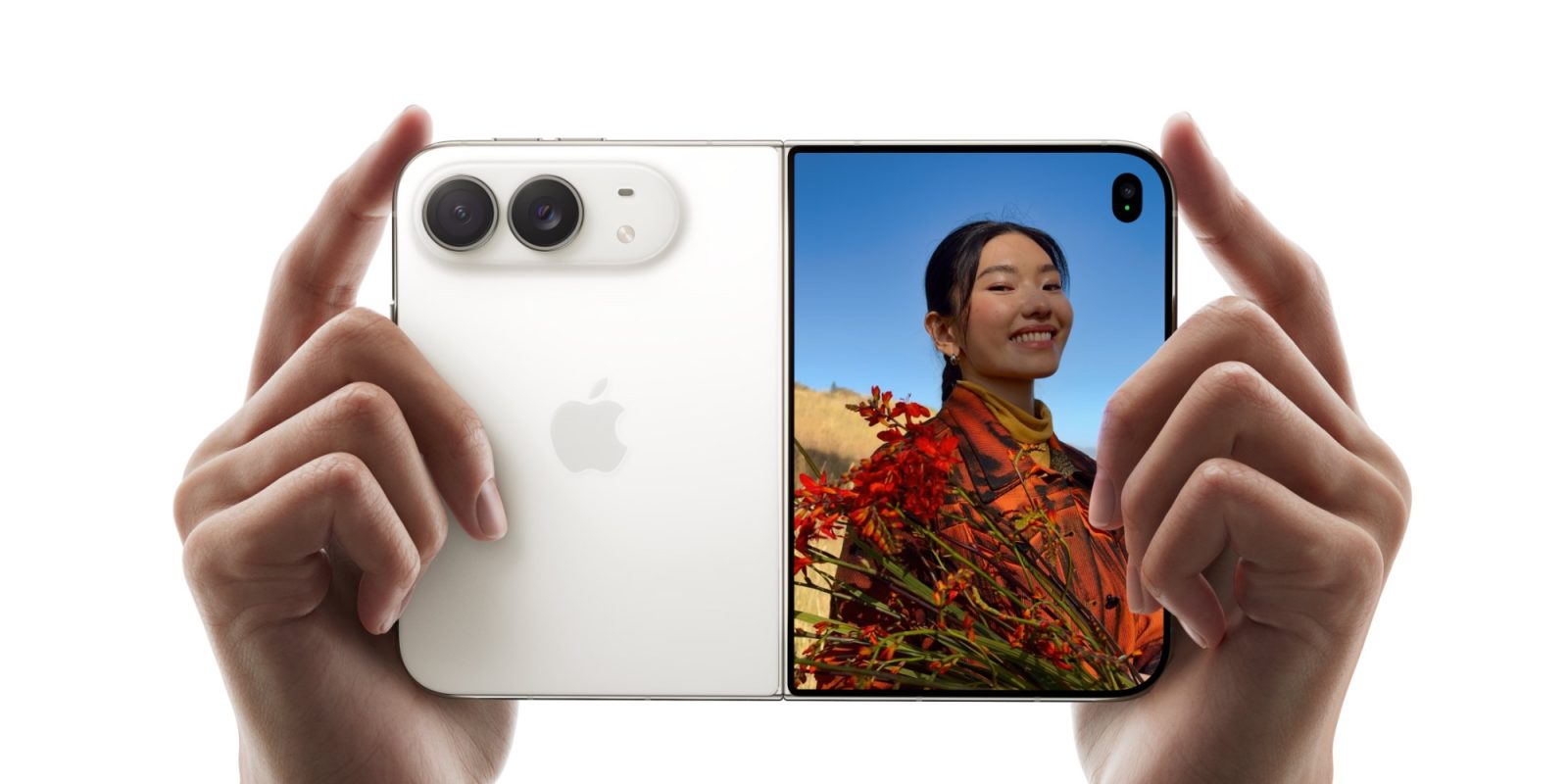
One might ask why Apple did not simply allow existing iPad binaries, which are already designed for larger screens and often include resizable layouts, to run on the iPhone Duo. Such a solution would have provided an immediate library of functional apps for the device, preventing the "black bar" phenomenon that many users will inevitably encounter in the coming weeks. However, such a path would likely have introduced a "janky" or unrefined user experience. By avoiding a broad compatibility layer for iPad apps, Apple is signaling that it wants the iPhone Duo to be treated as a premium, bespoke platform rather than a hybrid device running repurposed software.
This approach highlights a clear philosophical divide between Apple and many of its competitors in the foldable space. Had Apple opted for a generic compatibility layer, the iPhone Duo might have functioned similarly to many Android foldables, where apps often struggle with inconsistent scaling and awkward UI stretching. Instead, Apple has designed an interface that feels intentional and curated. Every element of the Duo’s software—from the way the multitasking handles behave to the placement of system buttons—suggests that an immense amount of care went into ensuring that the foldable form factor feels like a natural extension of the iPhone experience, rather than an afterthought.
However, the gamble is not without its risks. The transition to iOS 27 brings with it more than just support for the Duo. Compiling for iOS 27 also removes the ability for developers to opt out of supporting "Liquid Glass," Apple’s latest display rendering technology. For developers who are already struggling to keep pace with Apple’s rapid release cycles, this "double-up" requirement could lead to significant friction. Developers are not just being asked to support a new form factor; they are being forced to modernize their entire codebase to meet Apple’s latest display standards. For those who haven’t adequately prepared, this could lead to a period of inertia where updates for the iPhone Duo are deprioritized in favor of maintaining stability for older, existing hardware.

There is also the question of how the operating system handles multitasking. The iPhone Duo supports a split-screen view, which is arguably its most compelling feature for productivity. If Apple allows this split-screen functionality to extend to non-native apps, the annoyance of "black bars" might be mitigated. If an app doesn’t support the full inner display but can still run effectively within a smaller windowed portion of the screen, the user experience may remain functional enough to stave off frustration. If, however, the system restricts split-screen usage to only those apps that have been fully optimized, the initial library of usable applications for the Duo will be significantly smaller.
For the mobile gaming community, the stakes are arguably higher. The inner display of the iPhone Duo is, by design, the primary draw for gamers who want a more immersive experience. A game that does not properly scale to fill that screen—or worse, one that does not support the proper aspect ratio—will be a major deterrent for potential buyers. In an era where mobile gaming has become a cornerstone of the App Store economy, a fragmented gaming experience could hurt the Duo’s reputation as a flagship device.
Apple’s decision to mandate these updates is a classic example of the company’s "walled garden" philosophy. By refusing to compromise on quality, Apple is effectively strong-arming developers into creating a superior experience. While this may cause a rough patch during the first few months of the device’s lifecycle, the payoff is a cleaner, more consistent software ecosystem that aligns with Apple’s design standards. If the strategy works, the iPhone Duo will set a new benchmark for how foldable devices should behave, rendering the "janky" transitions of competitors obsolete.

If this bet fails to pay off in the short term, Apple has a clear escape hatch. It is entirely plausible that, should the lack of native app support prove to be a significant barrier to adoption, Apple could introduce an iPad app compatibility mode in a future software update, such as iOS 28. Such a move would solve the "black bar" problem overnight while providing the company with the time to continue nudging developers toward full, native support.
Ultimately, the iPhone Duo is an ambitious piece of hardware, and the software ecosystem accompanying it is equally ambitious. While the risk of a "rough experience" for early adopters is real, it is a risk that Apple seems willing to take to ensure the long-term integrity of its software. For now, the developer community is in the spotlight, and the speed at which they embrace the iOS 27 requirements will likely determine the perceived success of the iPhone Duo during its critical first quarter on the market. The hardware is ready; the question remains whether the software ecosystem can keep pace with the vision Apple has laid out. As the device reaches the hands of consumers, the real-world performance of these apps—and the patience of the user base—will be the true test of Apple’s latest, most daring gamble.