







If you were to transport a viewer from three decades ago into a modern living room to witness today’s smart television technology, the experience would be nothing short of transformative. The leap from the limited, broadcast-dependent channels of the past to the near-infinite, on-demand streaming landscape of the present is staggering. Yet, despite the hardware advancements and the high-resolution displays we now enjoy, many users inadvertently handicap their viewing experience by relying on default factory settings. A subtle, often overlooked configuration buried within the menus of your Roku TV holds the key to unlocking a more authentic, theatrical experience that aligns with the way filmmakers intended their work to be seen.
While modern televisions are marvels of engineering, they are designed to be general-purpose displays. Out of the box, most Roku TVs are set to a standard refresh rate of 60 frames per second (fps). For general television viewing, news programs, sports, or casual browsing through a user interface, this 60fps standard is perfectly adequate. It provides a fluid, responsive feel that has become the default expectation for digital displays. However, this setting is frequently at odds with the medium of cinema.
The disconnect stems from a fundamental difference between video production and film production. For over a century, the motion picture industry has coalesced around a specific standard: 24 frames per second. This 24fps cadence is the heartbeat of traditional cinema. It provides the specific motion blur and temporal rhythm that audiences subconsciously associate with "the movies." When you sit in a dark theater, you are consuming content projected at that classic 24fps rate. When you watch that same movie at home on a display locked to 60fps, your television is forced to perform a technical compromise known as "judder."

Because 60 does not divide evenly into 24, the television must employ complex algorithms—often referred to as 3:2 pulldown—to reconcile the difference in frame rates. This process can introduce subtle, unnatural motion artifacts, occasionally making high-budget films look uncomfortably like live television or soap operas. This phenomenon, often colloquially called the "soap opera effect," strips away the cinematic quality of a film, making the movement appear too clinical or overly smooth in a way that feels disjointed from the director’s creative intent. By understanding and adjusting your display settings, you can bridge this gap and restore the intended aesthetic of your favorite films.
Achieving the Cinematic Look through Advanced Refresh Rate Settings
The obsession with picture quality in the modern era is often misdirected toward color calibration, brightness, and contrast. While these factors are undeniably critical to a high-end viewing experience, the temporal aspect of the image—how the motion is rendered over time—is arguably just as important for maintaining the "film look." If a user is truly seeking to replicate the atmosphere of a cinema, adjusting the refresh rate is a vital, albeit frequently ignored, step.
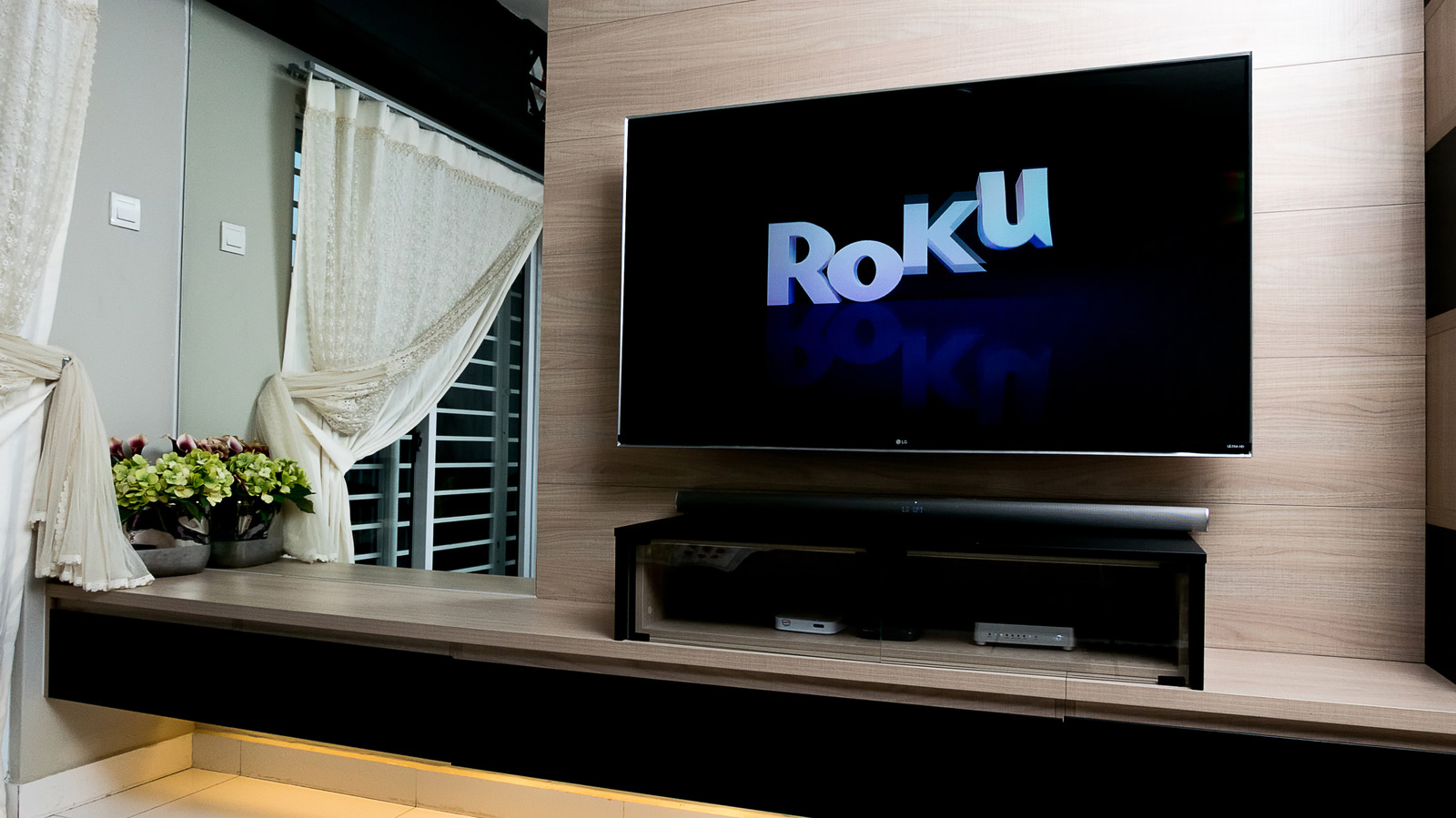
To access this functionality on a Roku TV, one must navigate away from the common picture settings and delve into the system architecture. The process is straightforward but requires the user to look beyond the standard "Picture Mode" adjustments. By navigating to the main menu and selecting the "Settings" tab, users can access the "System" submenu. Within this area lies the "Advanced System Settings" option, which serves as the gateway to the "Advanced Display Settings." It is here that you will find the toggle for "Auto-adjust display refresh rate."
Enabling this feature is a significant improvement over manual intervention. Once activated, the Roku TV gains the intelligence to communicate directly with the source material. When the system detects that a movie is encoded at the traditional 24fps, it automatically signals the display panel to switch its refresh rate to match. This eliminates the need for the television to perform the mathematical gymnastics required to force 24fps content into a 60fps container, thereby removing the artificial judder.
Crucially, this is a "set it and forget it" solution. Because the setting is dynamic, the television will continue to monitor the incoming signal. If you switch from a feature-length film to a broadcast TV show or a modern digital production—which are frequently filmed at 30 or 60fps—the Roku TV will adjust accordingly. This ensures that the display is always operating in the mode that best preserves the integrity of the original source, whether it is a classic movie requiring a 24fps cadence or a modern game show captured at a higher frame rate.
This adjustment is a testament to the sophistication of modern streaming hardware. While many users are content with the default settings provided by manufacturers, the ability to customize the refresh rate highlights how much control is actually at the consumer’s fingertips. By making this simple change, you are not just altering a technical parameter; you are aligning your living room setup with the professional standards of the film industry.
It is a minor configuration change that pays dividends in terms of visual fidelity. When the frame rate of the display perfectly mirrors the frame rate of the content, the result is a more cohesive, immersive, and authentic experience. The motion appears exactly as it was meant to appear on the screen, free from the electronic interference of frame-rate conversion. As streaming continues to replace traditional media formats, and as more high-quality, cinematic content finds its way onto our home displays, these nuances in settings become increasingly relevant. By taking control of these advanced system options, Roku TV users can ensure that their viewing habits are not just convenient, but also technically optimized for the best possible reproduction of the filmmaker’s vision. This level of granular control is what separates a casual viewer from a true home theater enthusiast, turning a standard smart TV into a more capable and accurate display device.