









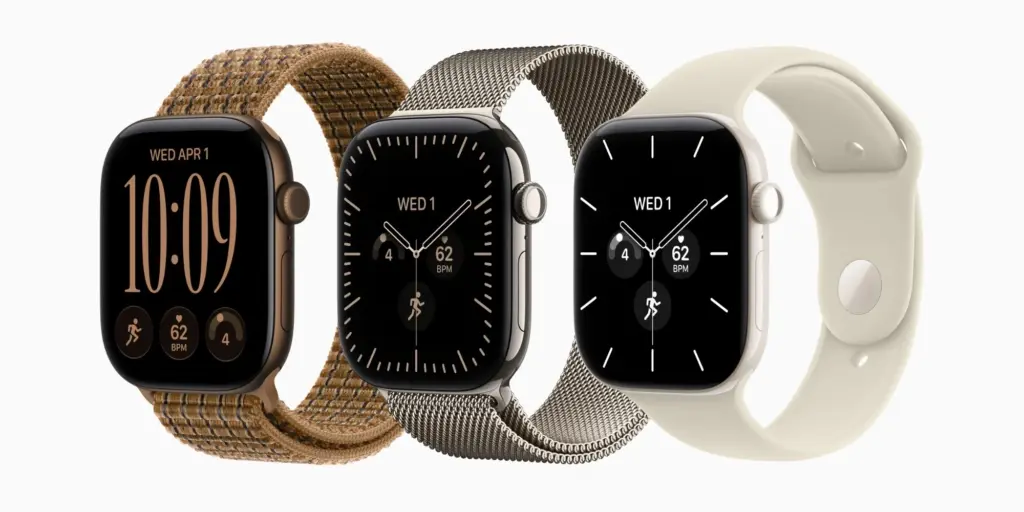
In a surprising turn of events for long-time Apple Watch users, the newly released Apple Watch Series 12 and Apple Watch Ultra 4 have arrived on the market with a notable omission: the automatic handwashing detection and timer feature. This capability, which has become a staple of the wearable experience for millions of users over the past several years, is conspicuously absent from Apple’s 2026 flagship lineup, leaving many to wonder if this represents a permanent shift in the company’s health-tracking strategy or an unexpected technical oversight.
The handwashing detection feature, first introduced as part of watchOS 7 back in 2020 during the height of the global pandemic, was designed to encourage better hygiene by automatically detecting the motion of handwashing and starting a 20-second countdown timer. It became a hallmark of Apple’s commitment to proactive, wellness-oriented technology. However, while the feature remains fully functional and supported on older hardware—including the Apple Watch Series 11 and the Ultra 3—it is noticeably missing from the latest hardware iterations.
Handwashing Detection and Timer Feature Not Currently Supported by Apple Watch Series 12 and Ultra 4
The situation is particularly curious because the underlying software environment, watchOS 27, still treats handwashing as a first-class citizen. The feature persists as a tracked category within the Apple Health app, and it continues to be integrated into the iOS 27.2 ecosystem. Furthermore, the official watchOS 27 user guide continues to reference the handwashing timer, implying that the software architecture is still built to support the function. Yet, when one cross-references the official supported hardware list provided by Apple, the Series 12 and Ultra 4 are pointedly omitted.

This discrepancy has fueled a flurry of speculation among tech enthusiasts and long-time users. In the professional world of consumer electronics, it is rare for a manufacturer to maintain a feature in the operating system while explicitly excluding their newest, most powerful hardware from the compatibility list. Under normal circumstances, if a feature is intended to be universal, the hardware compatibility list is updated to reflect the new devices as a matter of routine. The fact that Apple has taken the specific step of excluding these new models from the support documentation suggests that this was a deliberate decision rather than a simple clerical error.
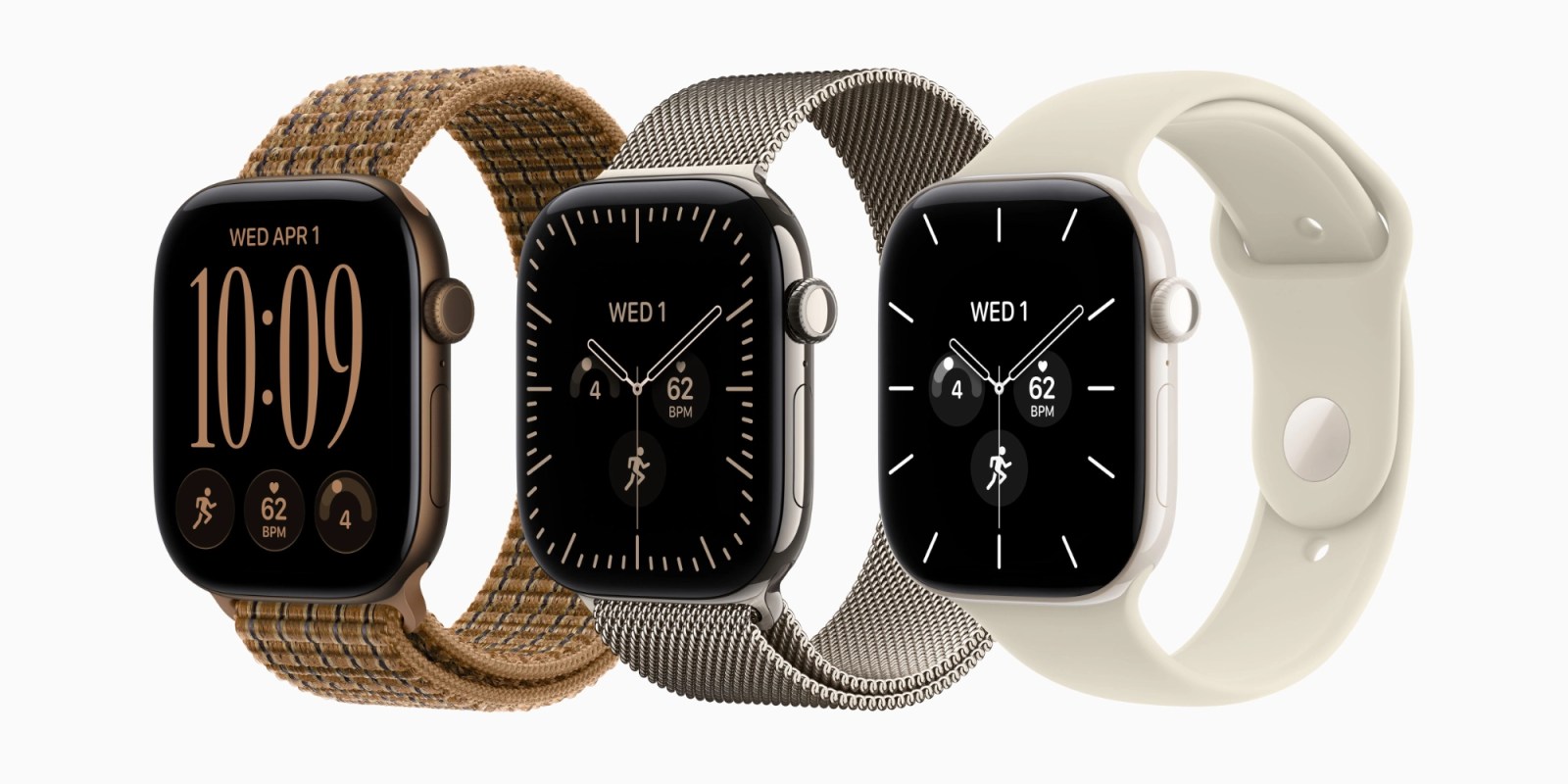
In theory, there would be little reason for Apple to maintain a distinction in their supported hardware documentation if there were plans to restore or enable the feature on the Series 12 and Ultra 4 via a future software update. The omission feels intentional, suggesting a potential divergence in how Apple views the role of its newest devices compared to its legacy offerings.
Hardware Evolution and the Future of Wearable Sensing
The primary differentiator for the 2026 hardware cycle is the introduction of a completely overhauled processor, the first significant silicon refresh for the Apple Watch in several years. This new chip is designed to power sophisticated "Audio Intelligence" features, including advanced Siri Recap capabilities and the new Live Rewind function. These features rely heavily on onboard machine learning and real-time processing of audio streams.
It is possible that the re-engineering of the watch’s internal architecture to accommodate these high-demand audio processing tasks has necessitated a change in how the device utilizes its sensors, including the accelerometer and microphone array. Handwashing detection, which relies on a combination of motion tracking and the acoustic signature of rushing water, may have been sacrificed to optimize power consumption or to prevent conflicts with the new, more aggressive audio processing routines required by the latest Siri enhancements.
If this is indeed the case, it signals a broader shift in Apple’s design philosophy for the wearable line. As the Apple Watch evolves from a general-purpose health tracker into a more powerful, AI-driven assistant, the company may be moving away from the "catch-all" approach to features that characterized the pandemic era. While handwashing detection was a vital tool during a global health crisis, its utility in the daily life of a user in 2026 may be viewed by Apple as less critical than the new, resource-intensive intelligence features that now define the user experience.

A Departure from Pandemic-Era Priorities
The handwashing timer was widely seen as a product of its time. Introduced in 2020, it was a practical, timely response to a world suddenly hyper-aware of hygiene practices. For years, the feature worked reliably in the background, providing users with a gentle nudge toward better health habits. By moving away from this feature, Apple may be signaling that it is comfortable sunsetting legacy tools that no longer fit the current vision of the Apple Watch as a high-performance, AI-centric companion.
Despite the loss of this feature, the Apple Watch Series 12 and Ultra 4 continue to offer a comprehensive suite of health and fitness tracking tools, maintaining the series’ reputation as the gold standard in the industry. The exclusion of the handwashing timer does not impact the core functionality of the device’s other health sensors, such as heart rate monitoring, blood oxygen tracking, or activity rings. Nevertheless, for users who relied on the haptic feedback and the automatic timer to ensure they were washing their hands for the recommended duration, the removal is a frustrating step backward in the user experience.
As of now, Apple has not provided a formal explanation regarding the technical limitations that might have led to this decision. The documentation remains static, and the feature remains absent. For the time being, owners of the Series 12 and Ultra 4 will have to rely on traditional methods for timing their hygiene routines. Whether this is a permanent state of affairs or a temporary limitation that will be addressed in a future watchOS patch remains to be seen.
Industry observers and Apple enthusiasts alike will be watching closely for future software updates to see if the company offers any clarity on the matter. In the fast-paced world of consumer technology, hardware iterations often involve difficult trade-offs. While the new processor brings a host of impressive capabilities to the wrist, the loss of a feature as ubiquitous as handwashing detection serves as a reminder that even the most established software tools are subject to the evolving priorities of the hardware they run on.

For those who have already upgraded to the latest models, the loss is palpable but perhaps offset by the performance gains in other areas, such as the responsiveness of Siri and the new audio-based productivity features. The 9to5Mac review of the Series 12 and Ultra 4, which details these performance shifts and the overall user experience, highlights that while the devices are the most advanced watches Apple has ever produced, they are not without their quirks. As the market digests these new devices, the mystery of the missing timer continues to be a point of discussion, underscoring how even minor software features can become deeply integrated into the habits of a user base.
We will continue to monitor the situation and provide updates should Apple choose to comment on the matter or if a future software release restores the feature. For now, the Apple Watch Series 12 and Ultra 4 stand as powerful testaments to the company’s focus on the future of wearable AI, even if that future currently comes at the expense of a long-standing, health-conscious convenience.