










The entry of the iPhone Duo into the foldable smartphone market has sparked significant conversation regarding the long-term viability of Apple’s hinge engineering and display technology. As consumers weigh the benefits of a dual-screen device against the potential risks of wear and tear, technical reviewers have sought to quantify just how much abuse these devices can withstand. While initial reviews provided a snapshot of performance, the most ambitious durability test to date is currently unfolding in real-time, offering a transparent look at how the iPhone Duo holds up under the strain of constant, repetitive movement.
CNET has taken a definitive approach to settling the debate surrounding the device’s structural integrity. By constructing a custom, automated apparatus dubbed the "Fold-a-Phone" machine, the publication is subjecting an iPhone Duo to a grueling 24/7 cycle of folding and unfolding. This relentless process, which mimics years of intensive user interaction in a compressed timeframe, is being broadcast to the public through a daily livestream, providing an unfiltered window into the machine’s performance.
The "Fold-a-Phone" Machine: A Brutal Benchmark for Modern Hardware
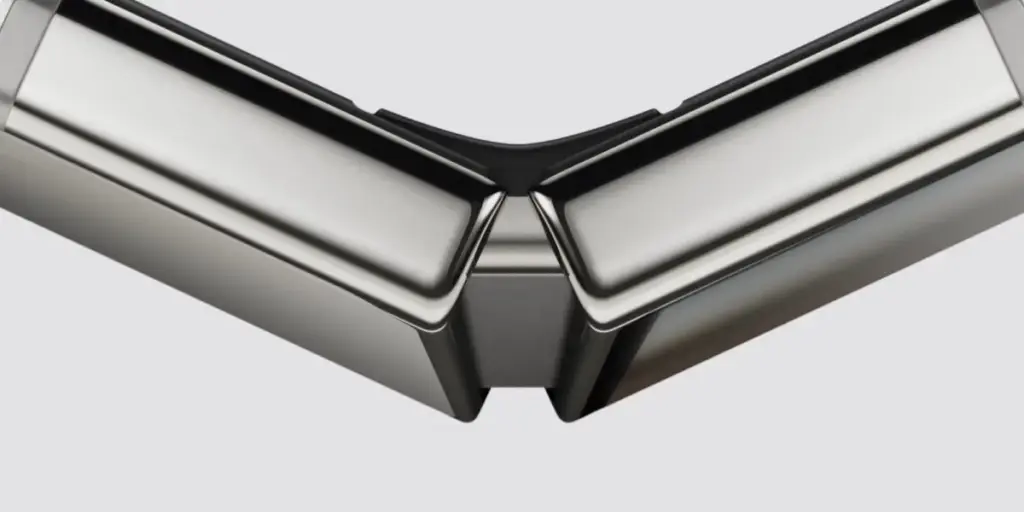
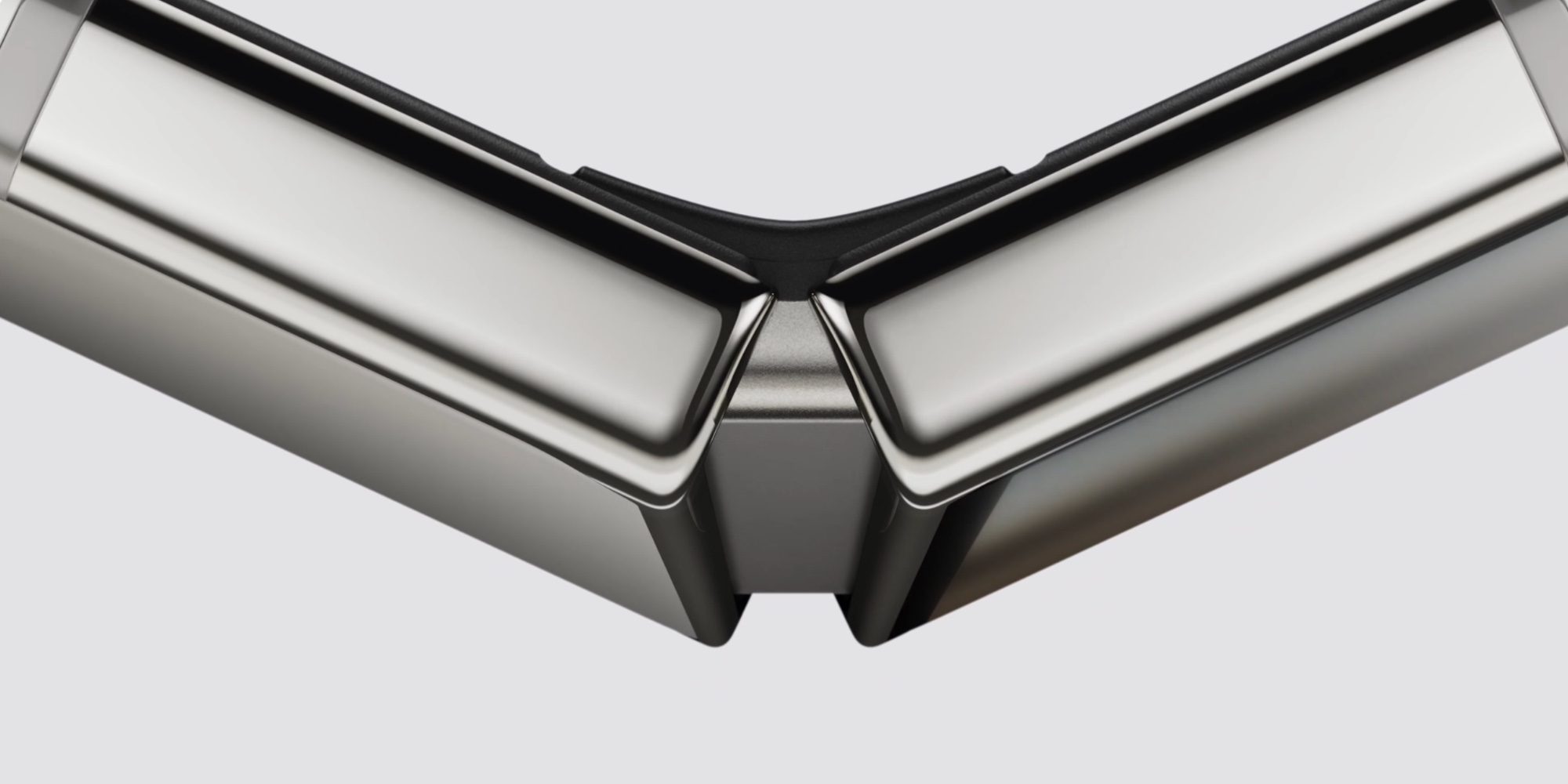
The complexity of foldable technology lies in the delicate balance between flexibility and structural rigidity. The hinge must be fluid enough to allow for a seamless transition between the "phone" and "tablet" form factors, yet sturdy enough to protect the internal components and the fragile display panel from stress fractures. When the iPhone Duo first arrived on the market, it drew praise for its refined design, but questions regarding the longevity of its crease and the mechanical stress on its internal cables remained at the forefront of consumer concerns.

CNET’s methodology serves as a modern stress-test benchmark. By utilizing a mechanical arm that adheres to a consistent folding cadence, the experiment removes the variables associated with human inconsistency. This allows for a measurable, scientific assessment of the hardware. The "Fold-a-Phone" machine, which has now been in operation for over a week, is not merely a test of the screen’s surface; it is a test of the entire chassis, the tension of the hinge, and the resilience of the software-hardware integration during thousands of state transitions.

The livestream, which runs every weekday from 1:00 p.m. to 5:00 p.m. ET, has become a focal point for tech enthusiasts curious about the durability of Apple’s latest foray into the foldable space. By keeping the process transparent and constant, the outlet is effectively crowd-sourcing the observation of the device’s aging process.
Reaching the 260,000-Fold Milestone
As of the most recent data released at the conclusion of the latest livestream session, the iPhone Duo has successfully completed over 260,000 folds. To put this number into perspective, a typical heavy user of a smartphone might fold their device dozens, or perhaps a few hundred times a day. At this rate, 260,000 folds represent several years of real-world use for the average consumer. Reaching this milestone without a catastrophic failure is a notable achievement for the hardware team at Apple, suggesting that the hinge architecture is significantly more robust than some of the early, skeptical projections might have indicated.
Throughout the duration of this testing period, the device has been under constant surveillance. Observers have been closely monitoring the crease—the most common point of failure for foldable displays—to see if the mechanical stress manifests as dead pixels, screen separation, or visible structural degradation. To date, the performance of the hinge remains remarkably consistent. The device continues to open and close with a fluidity that mirrors its state when it was brand new, and the display appears to be holding up with no significant signs of failure that would impede daily operation.
However, the experiment is far from over. CNET has committed to continuing this rigorous testing protocol until at least November 20. This extended timeline is crucial; mechanical fatigue often does not present as a sudden, dramatic failure but rather as a gradual degradation of material properties. By pushing the device well past the standard "consumer life cycle" expectations, the testers aim to discover the point of diminishing returns for the hardware’s durability.
The Significance of the Testing Environment
The attention surrounding the iPhone Duo’s durability is symptomatic of a broader shift in the smartphone industry. As devices move away from the static, slab-style glass designs that dominated the last decade, manufacturers are being forced to innovate in mechanical engineering. The stakes for Apple are high; the iPhone is the company’s flagship product, and the reputation of the "Duo" brand rests on its ability to offer a premium, reliable experience that does not compromise on build quality.
Early reviews of the iPhone Duo were largely positive, with many critics labeling it the most refined foldable currently on the market. However, those same reviews noted that the device is not entirely without its inherent compromises—such as the trade-offs in battery life or the presence of a crease that, while subtle, is still discernible to the touch. By subjecting the device to such a transparent and prolonged stress test, CNET is filling a critical information gap for potential buyers who are hesitant to invest in a premium, high-cost device without long-term assurances.
The ongoing nature of the test also invites the audience to participate in the conversation. Each day, as the counter ticks higher, viewers can see for themselves whether the hinge starts to loosen, whether the screen begins to show signs of delamination, or if the internal software manages to handle the rapid-fire transitions without stuttering. It transforms a technical review into an unfolding narrative, where the "hero" of the story is the engineering itself.
Looking Toward November 20 and Beyond
As the test approaches the mid-November conclusion date, the tech community will be watching closely to see if the iPhone Duo maintains its current level of performance. If the device reaches the end of the test with the same degree of integrity it shows today, it could serve as a powerful marketing validation for Apple’s engineering prowess. Conversely, any degradation in the final stages of the test will provide valuable data on exactly where the hardware’s limits lie.

The implications of this test extend beyond just one product. As foldable technology matures, standardized testing like this may become the industry norm, moving away from subjective "feel" and toward objective, quantifiable durability metrics. For now, the iPhone Duo remains the subject of this intense scrutiny, providing a fascinating glimpse into the intersection of consumer technology and mechanical reliability.
The public’s reaction to the test has been varied, with many users expressing relief at the device’s resilience, while others continue to debate whether the folding mechanism is a necessary innovation or a design hurdle. Regardless of one’s stance on the necessity of foldables, the data being generated by this experiment is undeniable. It provides a clear, documented record of performance that serves as a cornerstone for evaluating the next generation of smartphone hardware.
As the livestream continues, the focus will remain on the hinge’s endurance. For those interested in the outcome, the daily updates will continue to track the fold count and any visible changes in the device’s condition. Whether the iPhone Duo reaches its final milestone unscathed or begins to show the wear of its 24/7 ordeal, the results will undoubtedly shape the narrative surrounding Apple’s foldable future and influence the expectations of users worldwide. As the testing continues toward the November 20 deadline, the industry awaits the final verdict on whether the iPhone Duo truly represents the peak of foldable durability.