










When machine learning models achieve near-perfect predictive scores on real-world data, the outcome is typically celebrated as a breakthrough. However, a data science researcher has demonstrated how easily these exceptional metrics can mask a fundamental flaw known as target leakage, where the input variables supplied to a model already contain the answer in some form.

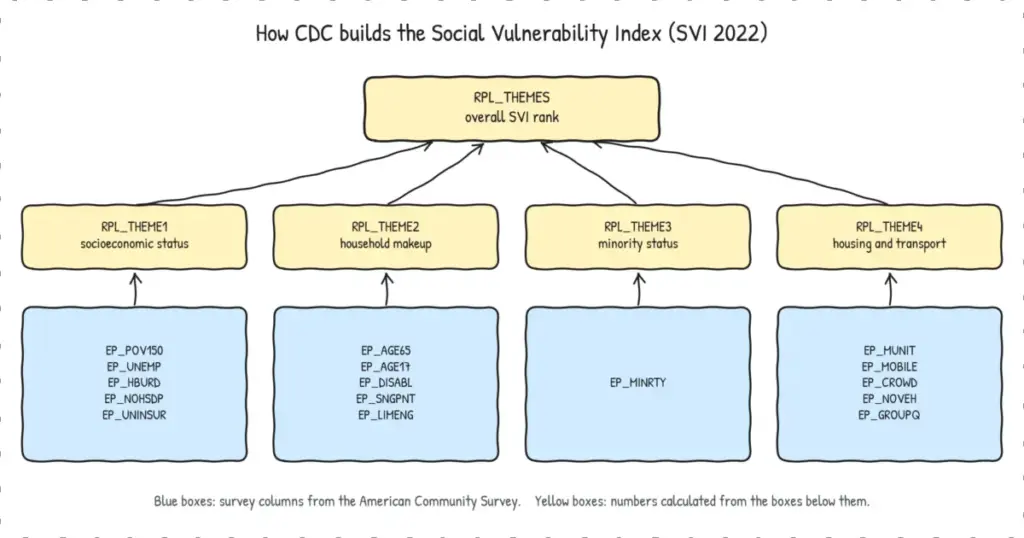
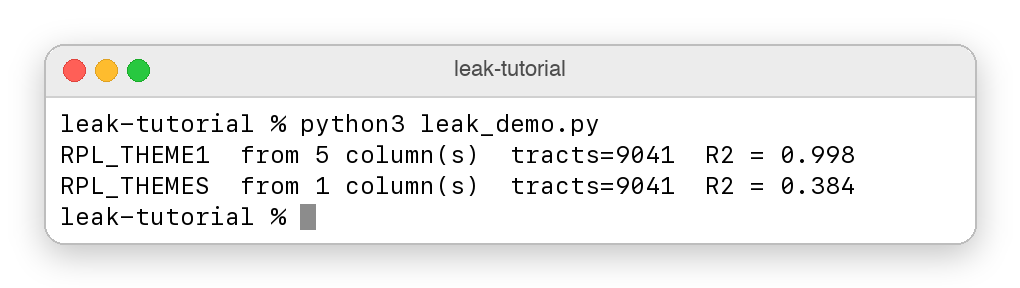
The issue came to light during an experiment involving a public dataset published by the US Centers for Disease Control and Prevention (CDC). When a regression model was provided with five specific input columns from the dataset to predict a sixth column derived from the exact same file, it achieved an R-squared score of 0.998—about as close to perfect as a real-world predictive model can get.
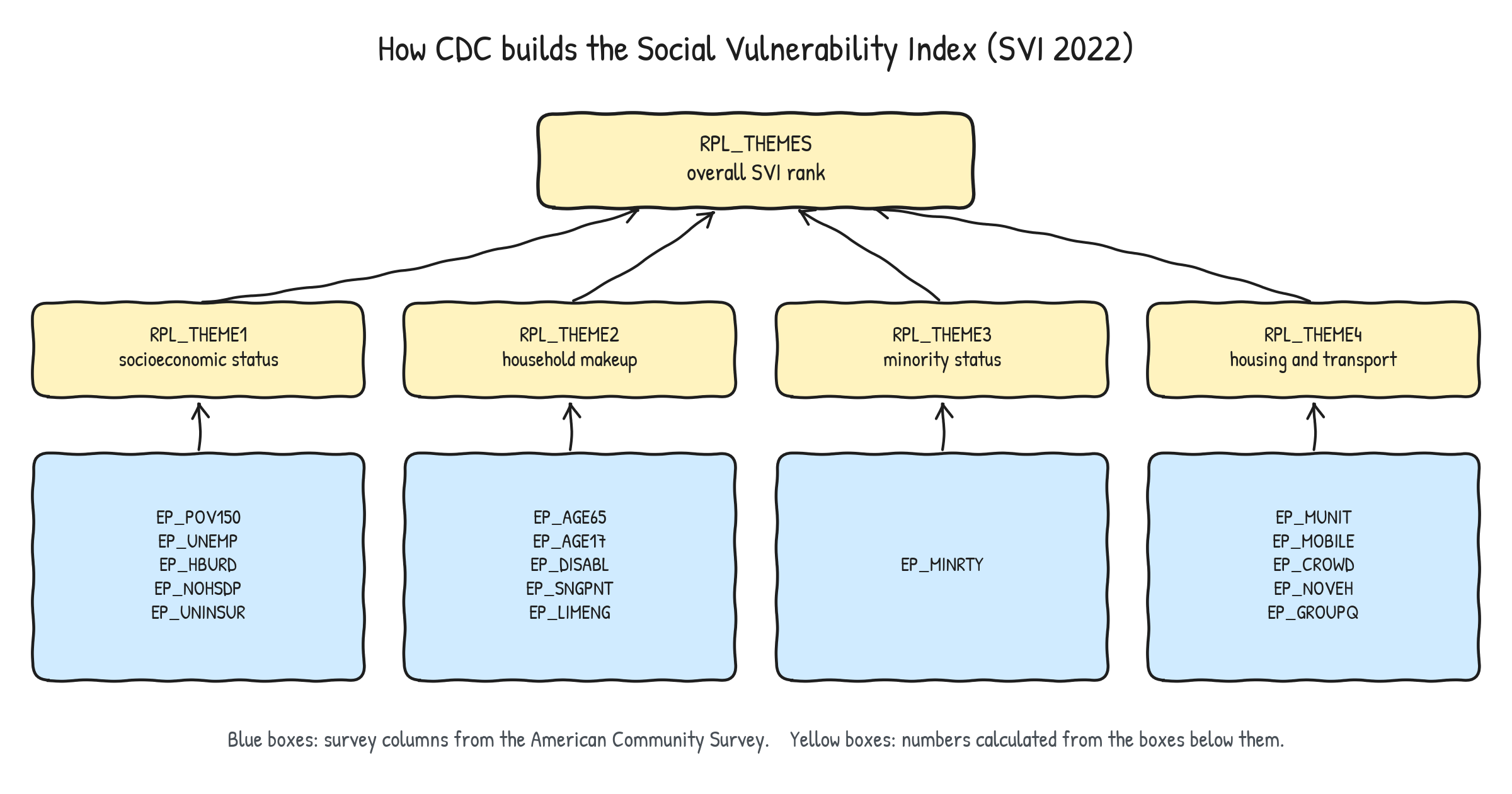
Despite the high score, the model had learned virtually nothing about the real world. The CDC had calculated the target column using a mathematical formula applied to the other five inputs, meaning the machine learning algorithm had simply reverse-engineered the agency’s formula rather than discovering a novel predictive pattern.
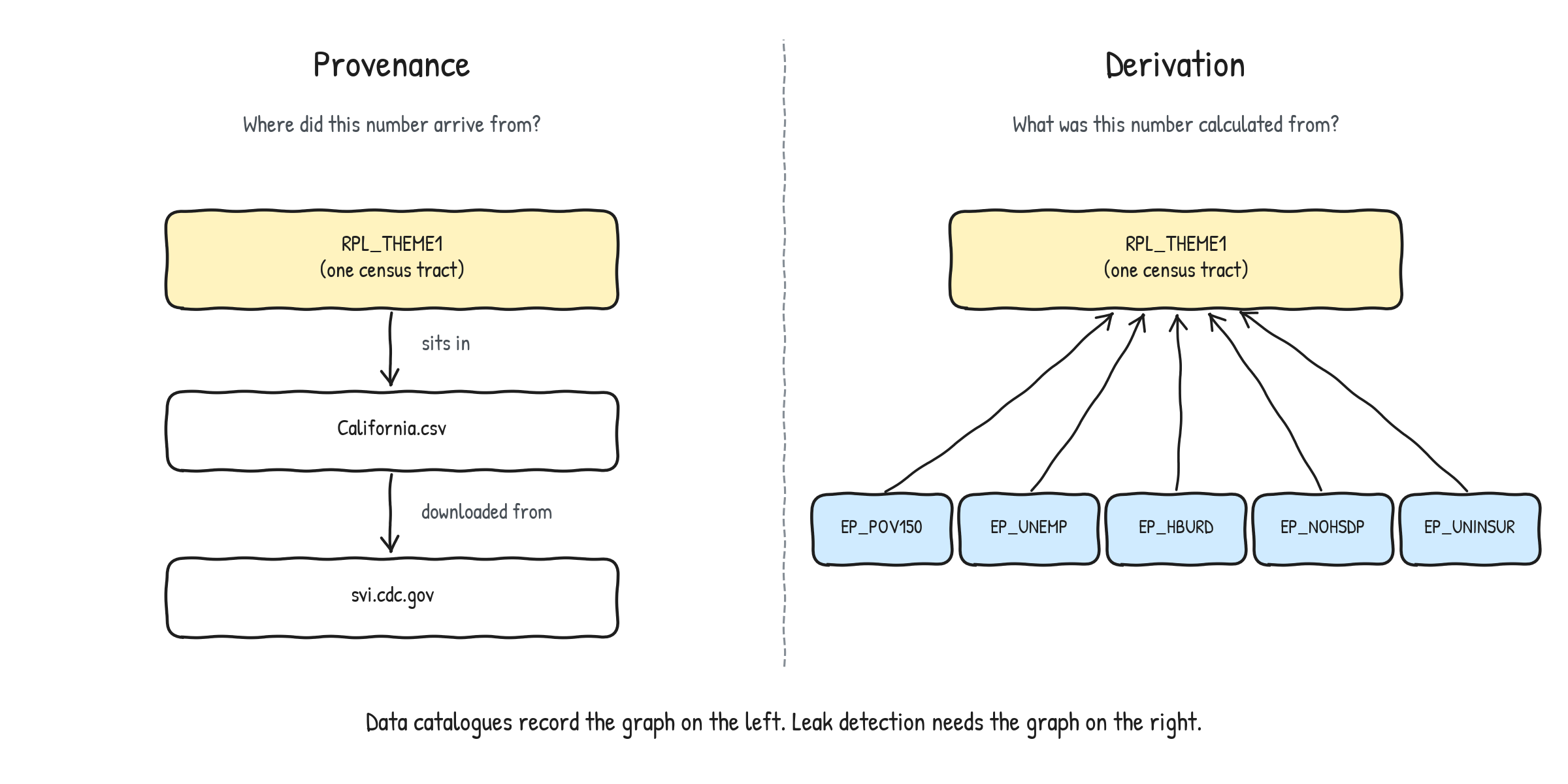
Target leakage presents a persistent challenge in data science, particularly when working with public repositories. A large share of public data is calculated from other public datasets. Government indexes are frequently built from underlying survey columns, and secondary indexes are routinely constructed from the primary ones. Although federal and state agencies meticulously document these recipes in methodology reports, data catalogues rarely store these derivation pathways in a machine-readable format that automated pipelines can check.
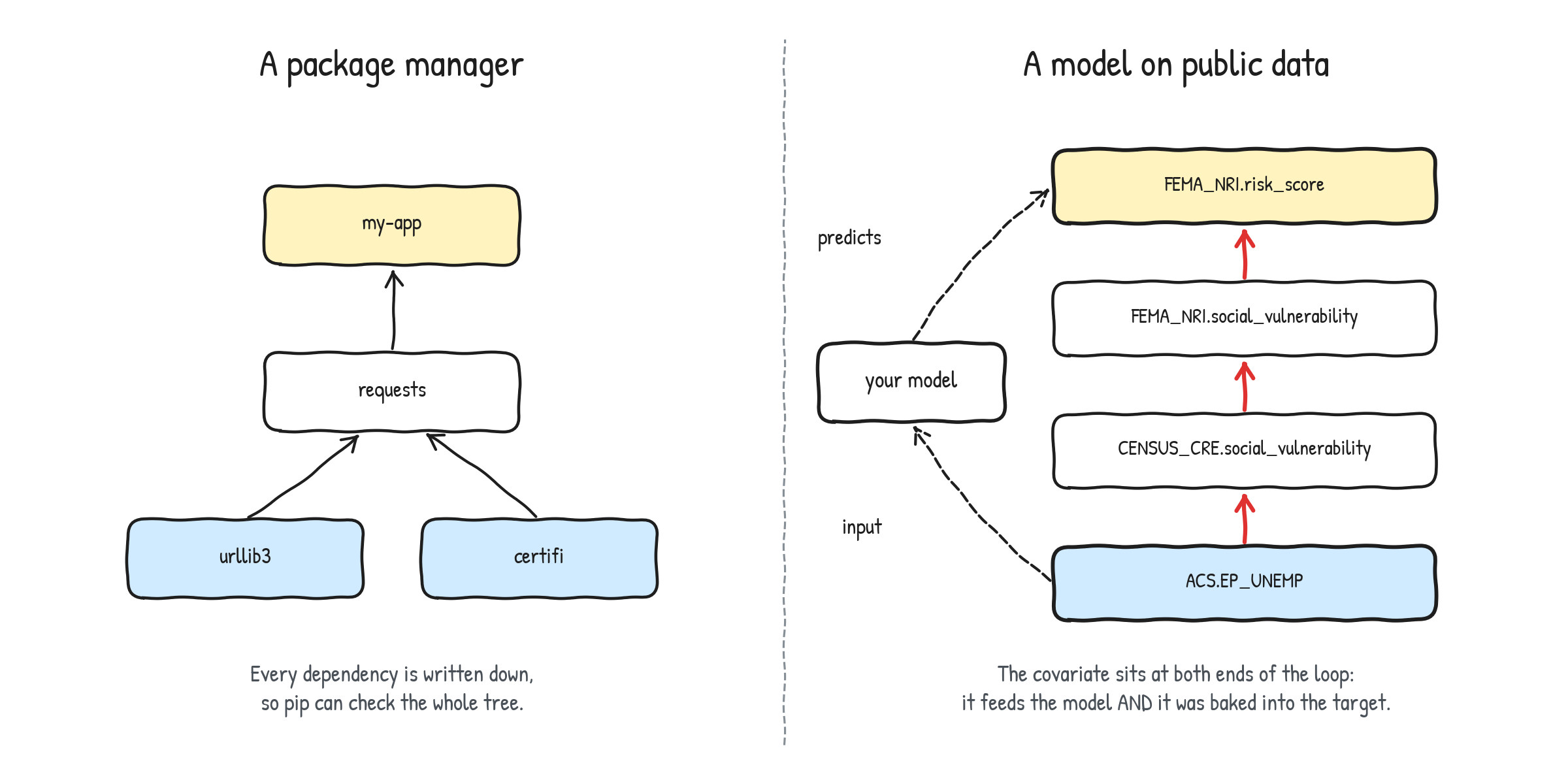
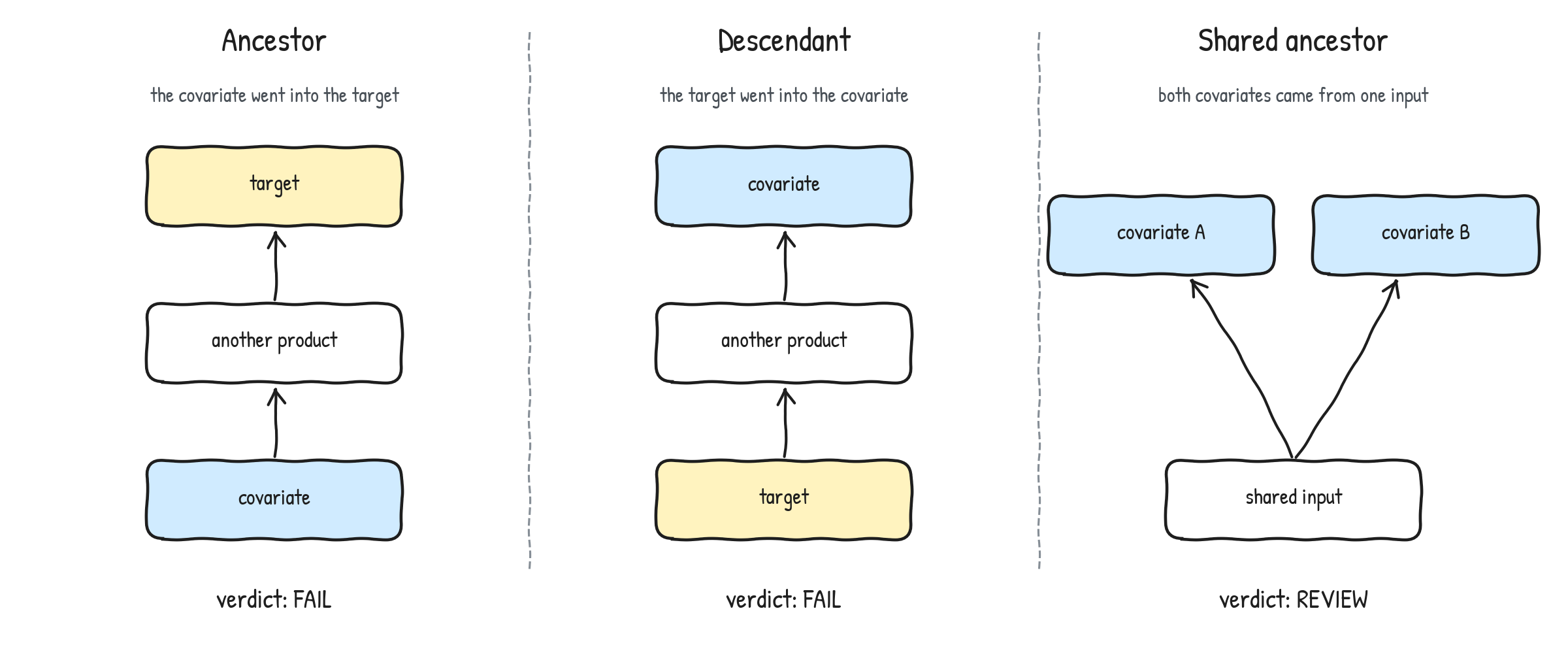
To address this oversight, researchers have developed specialized dependency-checking tools inspired by package managers in software development. Just as a package manager reads a dependency tree to spot potential conflicts before installing software, a data lineage tool can evaluate whether proposed model inputs sit on a derivation path to or from a target variable.
Understanding the Roots of Public Data Leakage
While simple dataset relationships are easy to spot when all variables reside in a single comma-separated values file, most real-world leakage scenarios are far more complex because data pipelines routinely cross multiple agencies.
For instance, the Federal Emergency Management Agency publishes a National Risk Index that incorporates a social vulnerability score. According to technical documentation, that score originates from the US Census Bureau’s Community Resilience Estimates, which in turn are built from American Community Survey survey data. As a result, a FEMA risk score and an ACS survey column can sit at opposite ends of a long analytical chain, despite originating from entirely different federal agencies and web portals.
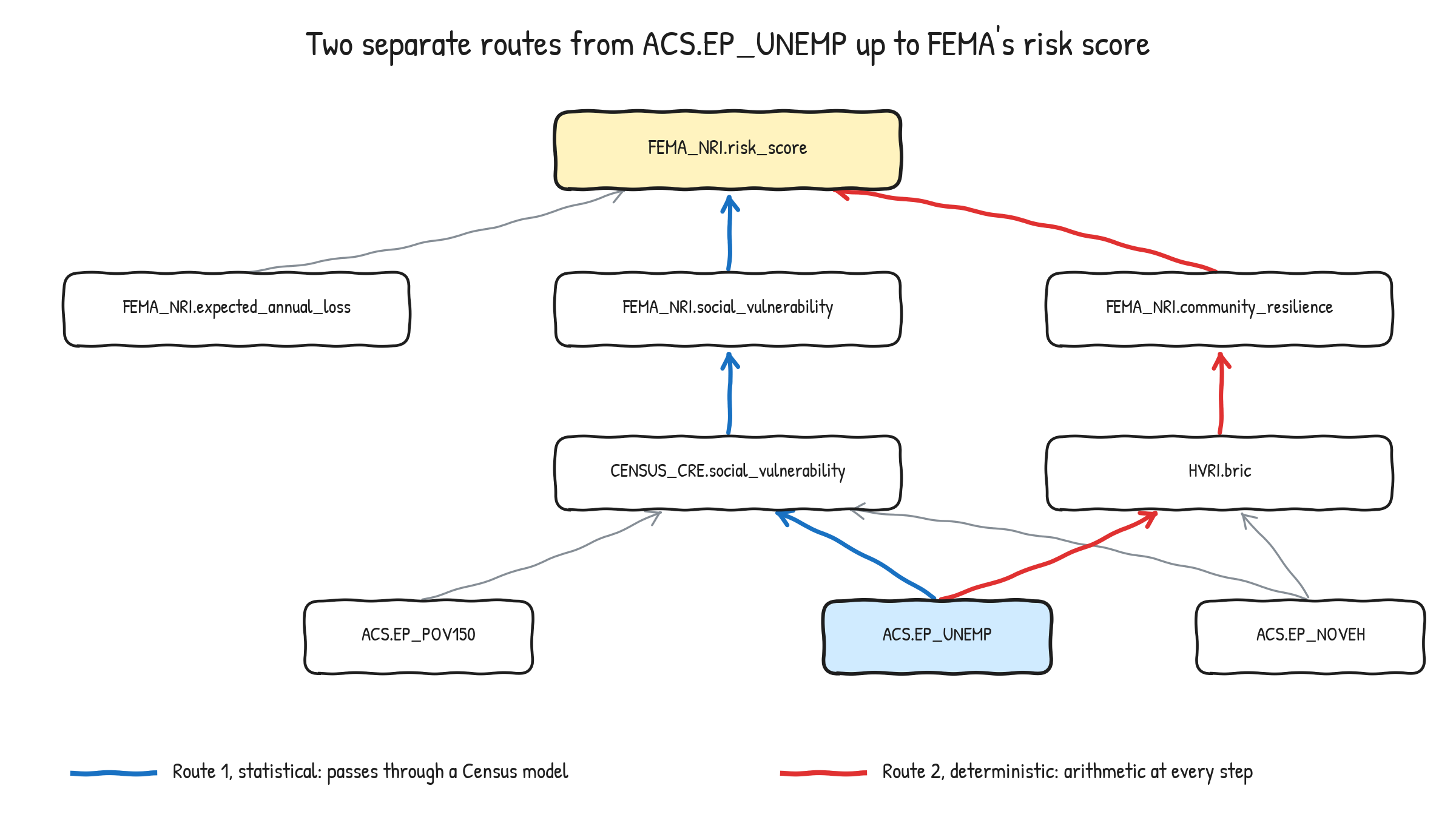
Automated data pipelines frequently miss these connections because they fail to distinguish between two distinct types of history a number can possess: provenance and derivation. Provenance records the physical origin of a value, such as the specific file and website from which a dataset was downloaded. Derivation, by contrast, tracks the mathematical or statistical lineage of how a value was calculated from other variables.
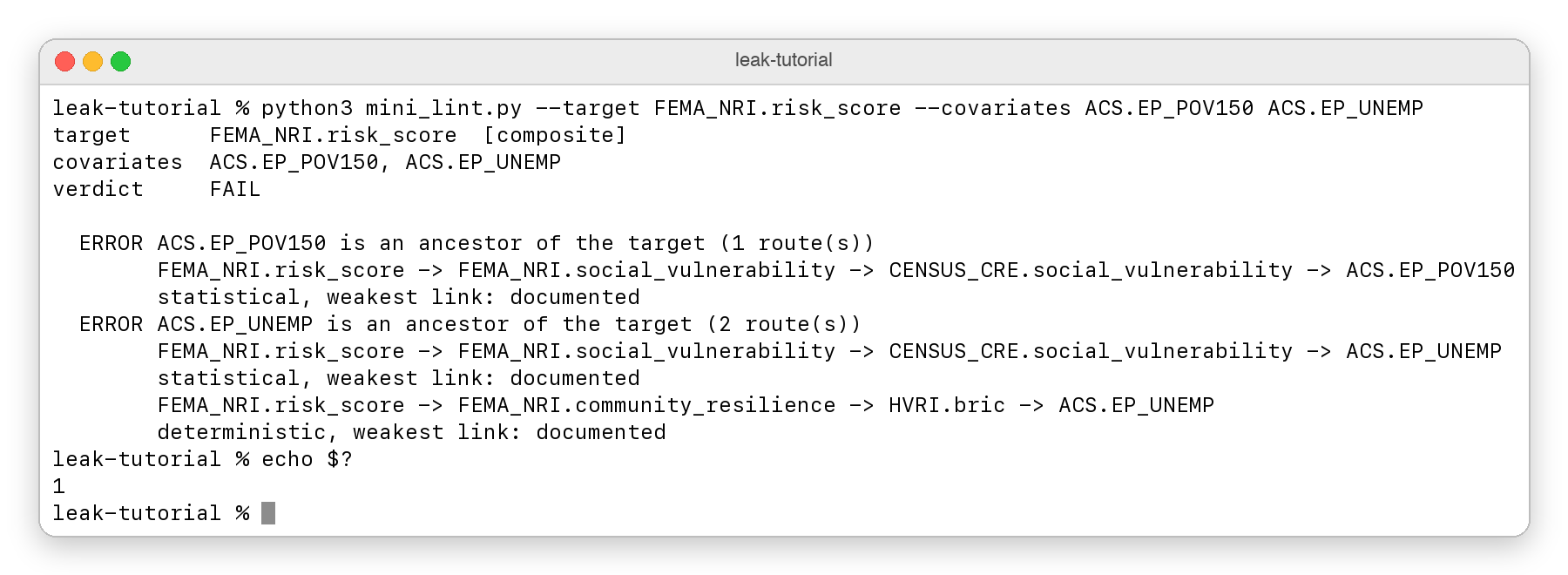
Most data repositories excel at tracking provenance. However, derivation data typically resides exclusively in human-readable Portable Document Format methodology files. Consequently, when an automated feature-selection pipeline searches for helpful covariates, it can inadvertently harvest columns that were used to construct the target variable in the first place, registering artificially inflated performance scores.
Implementing Lineage Manifests and Linters
To prevent these silent failures, data scientists are beginning to adopt dependency manifests—structured YAML files that explicitly define every product and its constituent ingredients. Each documented relationship in these manifests captures specific relational types, such as whether a parent variable acts as a mathematical component, an input to a statistical model, a direct identity republication, or a population denominator.
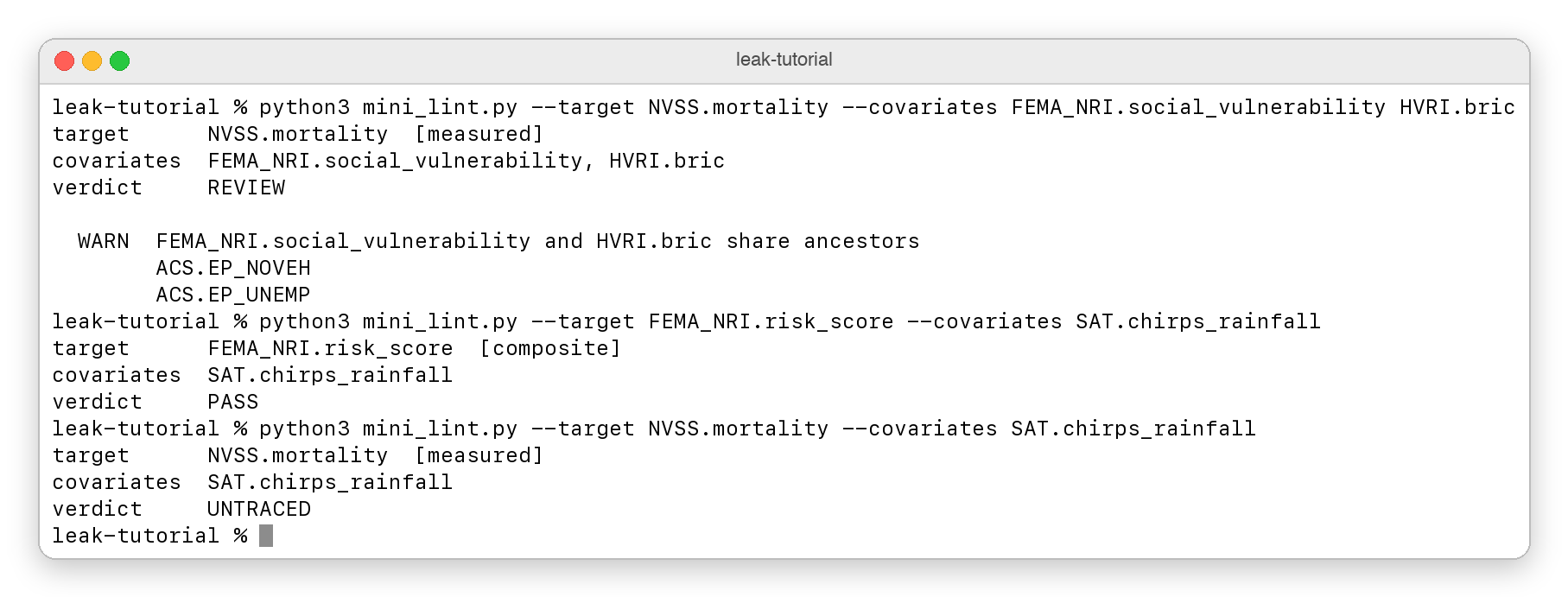
Furthermore, these relationships incorporate explicit confidence levels ranging from certain, where formulas are published and ship together, to documented and inferred. This contextual metadata ensures that lineage graphs are built on verified evidence rather than speculative assumptions.
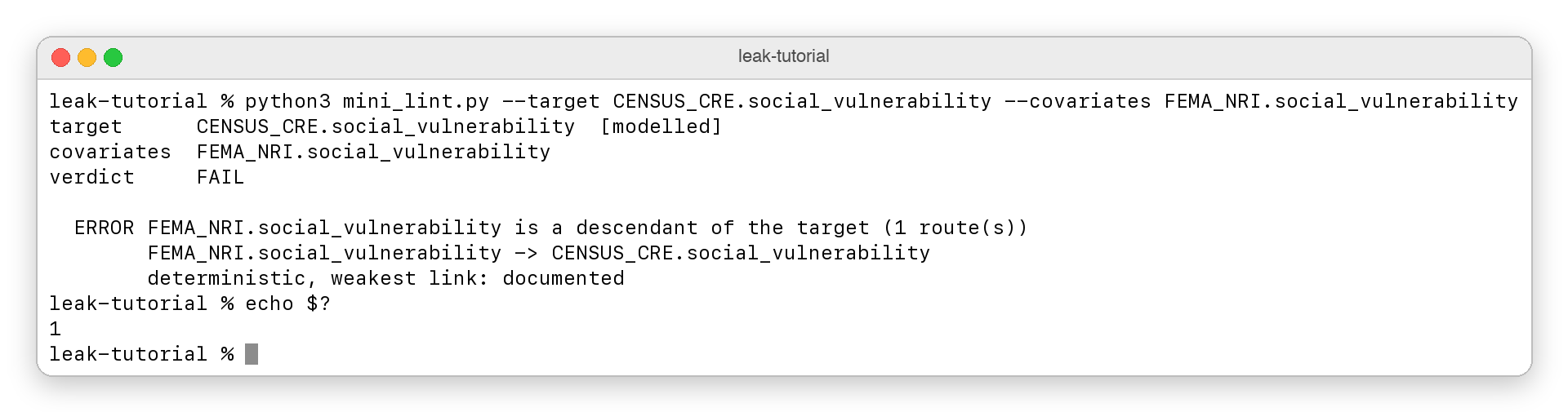
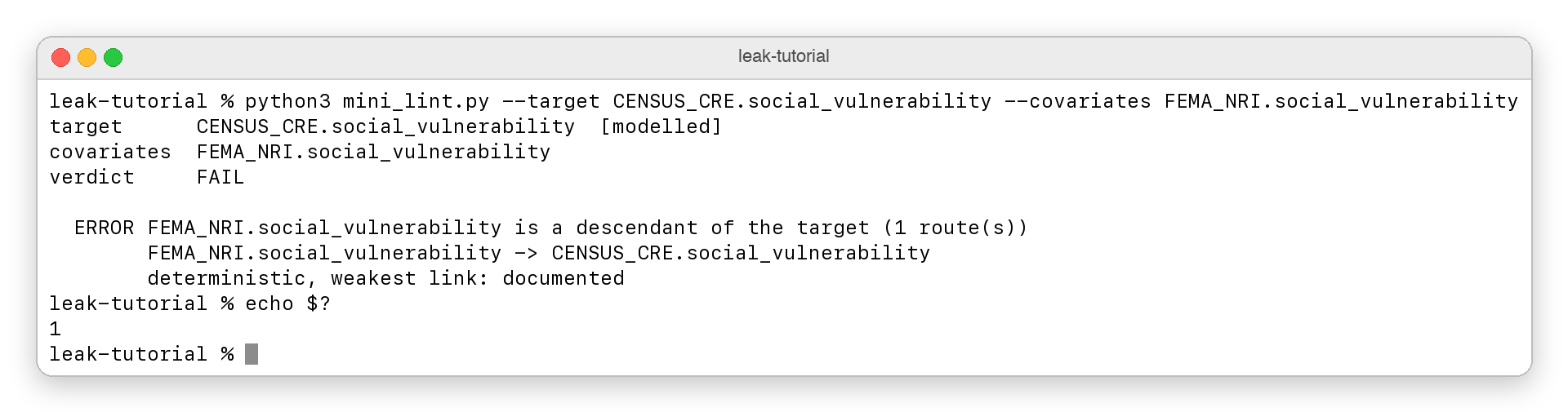
Alongside these manifests, validation tools function as linters for data pipelines. By analyzing directed acyclic graphs of dataset dependencies, these tools evaluate prospective covariate lists against target variables to identify upstream ancestors, downstream descendants, and shared inputs that could compromise model validity. When an invalid relationship or hidden data leak is detected, the linter halts the process and exits with an error code, preventing flawed models from advancing through continuous integration pipelines.

The broader adoption of machine-readable data lineage frameworks could significantly improve the reliability of predictive modeling across public research. As data infrastructure grows increasingly interconnected, providing standardized fields for measurement bases and derivation pathways offers a promising path toward eliminating hidden target leakage before it skews scientific and administrative insights.