








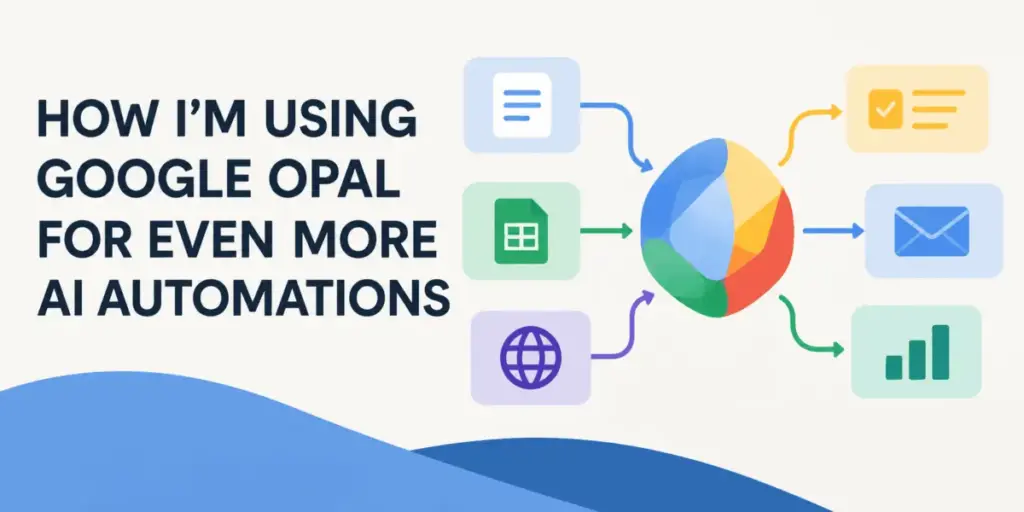
Google Labs has quietly introduced a significant upgrade to Opal, its no-code platform for turning natural language into functional AI applications. Built on top of an internal framework called Breadboard—originally created by Google engineer Dimitri Glazkov—Opal allows users to describe desired applications in plain English, transforming those descriptions into visual, editable workflows. While the platform initially relied on a fixed three-step structure of user input, manual model generation, and output, recent updates have introduced an agent-driven system capable of making autonomous choices regarding models and tools at runtime.

The most notable addition to the interface is the "Agent" option within the generation step. Previously, creators were required to select a specific, fixed model—such as Gemini for text processing or Imagen for image creation—and pair it with a rigid, pre-configured instruction set. Selecting the new agent option decouples the workflow step from a single model. Instead of following a strictly scripted path, the system evaluates a stated goal at runtime and dynamically determines which model or tool best serves the objective. This allows the workflow to harness Gemini’s reasoning capabilities, trigger web searches for current information when necessary, or deploy image and video models depending on the context of the task.

This evolution shifts the platform away from manually configured processes toward automated workflows that demand less upfront setup from developers and creators. For example, rather than pre-defining exact page counts and sequential prompts for a digital storybook, a creator can provide a broad goal, leaving the agent to establish plot points, determine necessary information, and adapt the direction of the output dynamically as the generation progresses.
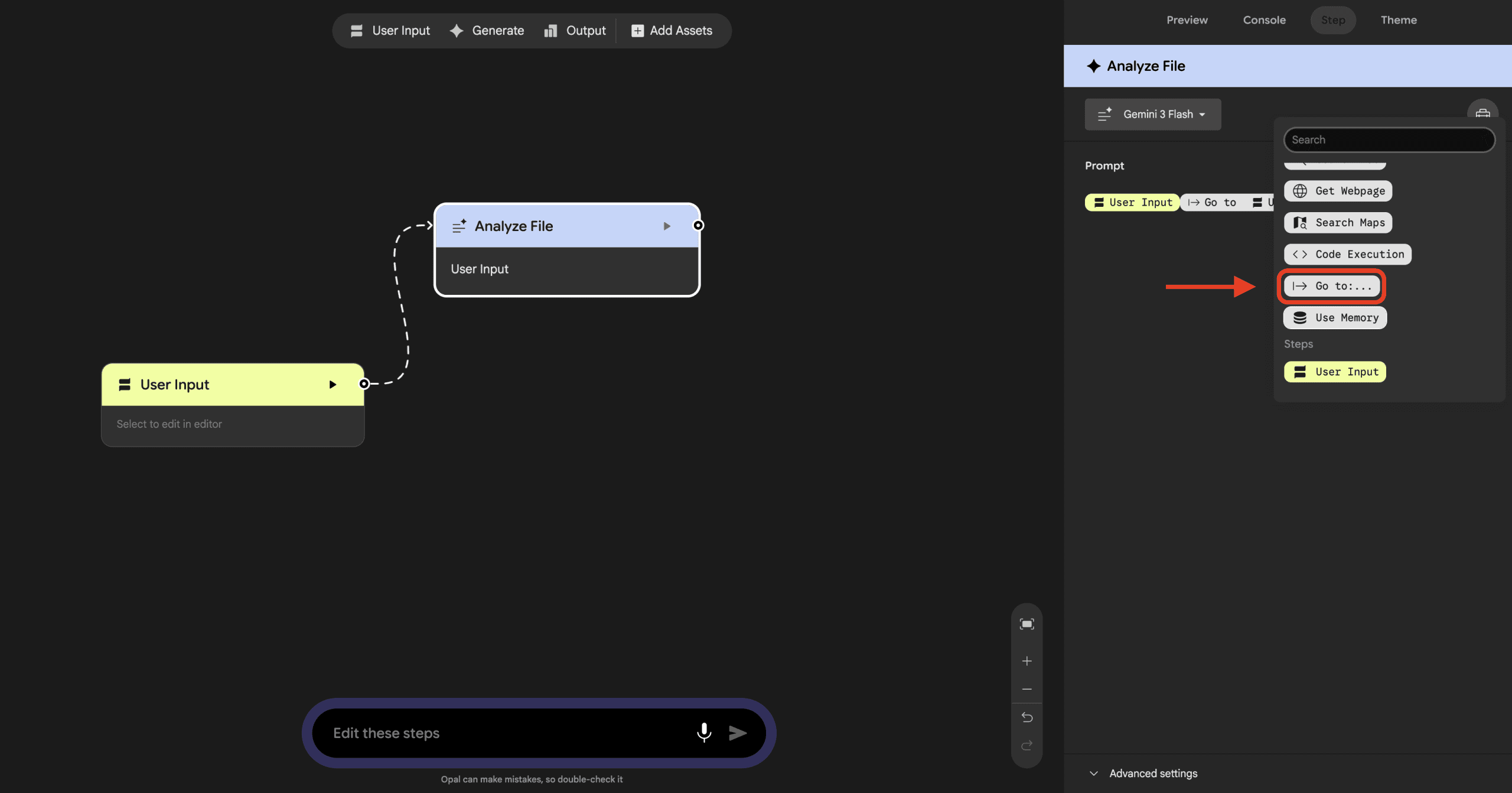
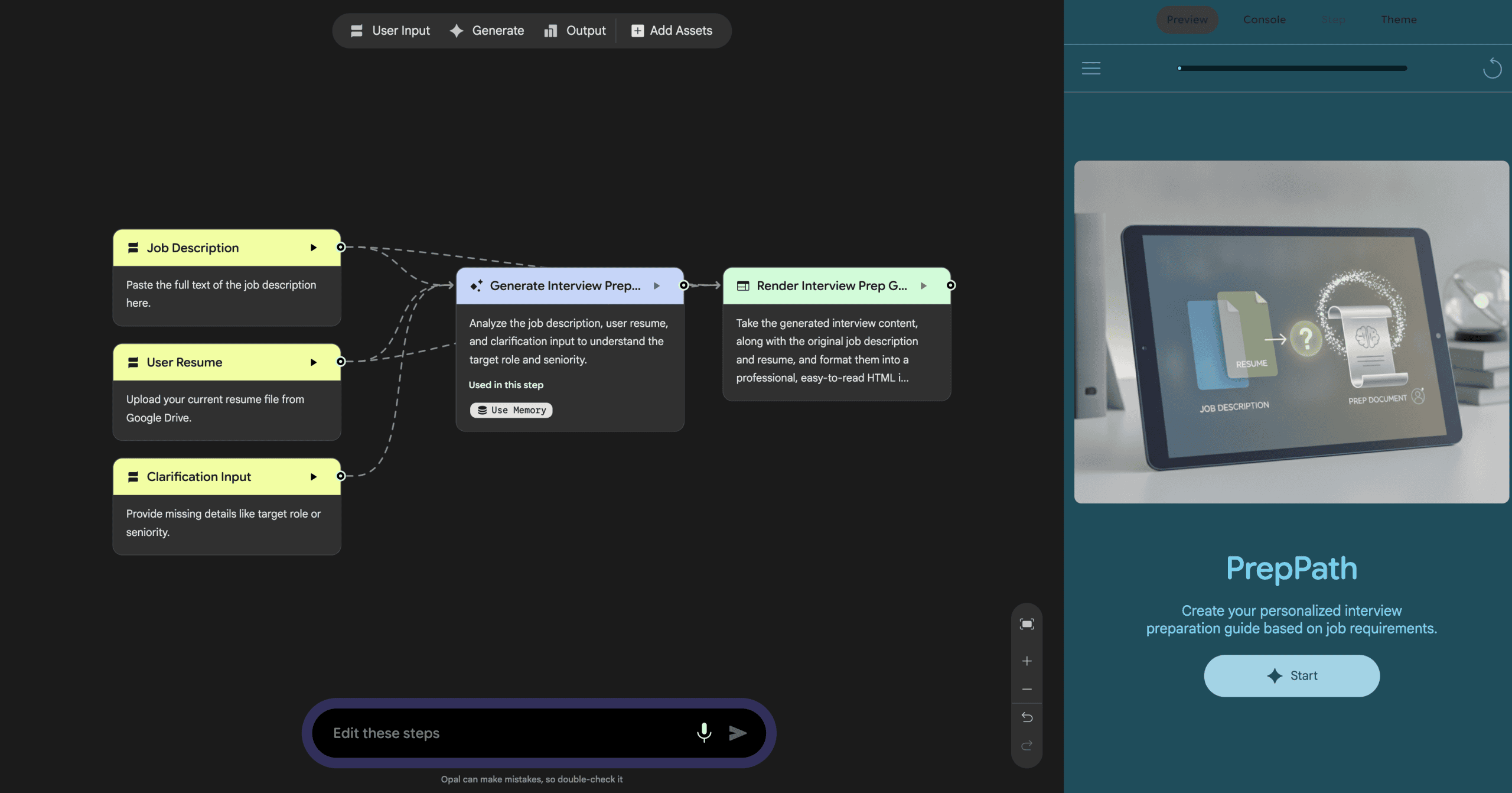
Alongside the introduction of the agent step, Google Labs has rolled out supporting tools designed to enhance workflow flexibility. These additions include memory capabilities to retain user preferences and context across visits, dynamic routing mechanisms to guide execution paths based on runtime inputs, and interactive chat functionalities that allow the system to pause and ask clarifying questions when user-submitted details are incomplete or ambiguous.

The underlying model roster available within the platform has also expanded significantly since Opal’s initial launch. The current lineup includes Gemini Flash for rapid everyday text tasks, Gemini Pro for complex multi-step reasoning, Nano Banana and Nano Banana Pro for image editing and complex visual generation, AudioLM for text-to-speech tasks, Veo for video production, and Lyria 2 for instrumental music generation. This diverse suite of specialized models provides the agent-driven architecture with a broad spectrum of capabilities to draw from during execution.
In a signal of its growing maturity, Opal has transitioned from the experimental Google Labs catalog—where it debuted—to an official home under Google for Developers. This move indicates a longer-term commitment from the company, supported by an expanding global footprint that has reportedly grown to more than 160 countries.
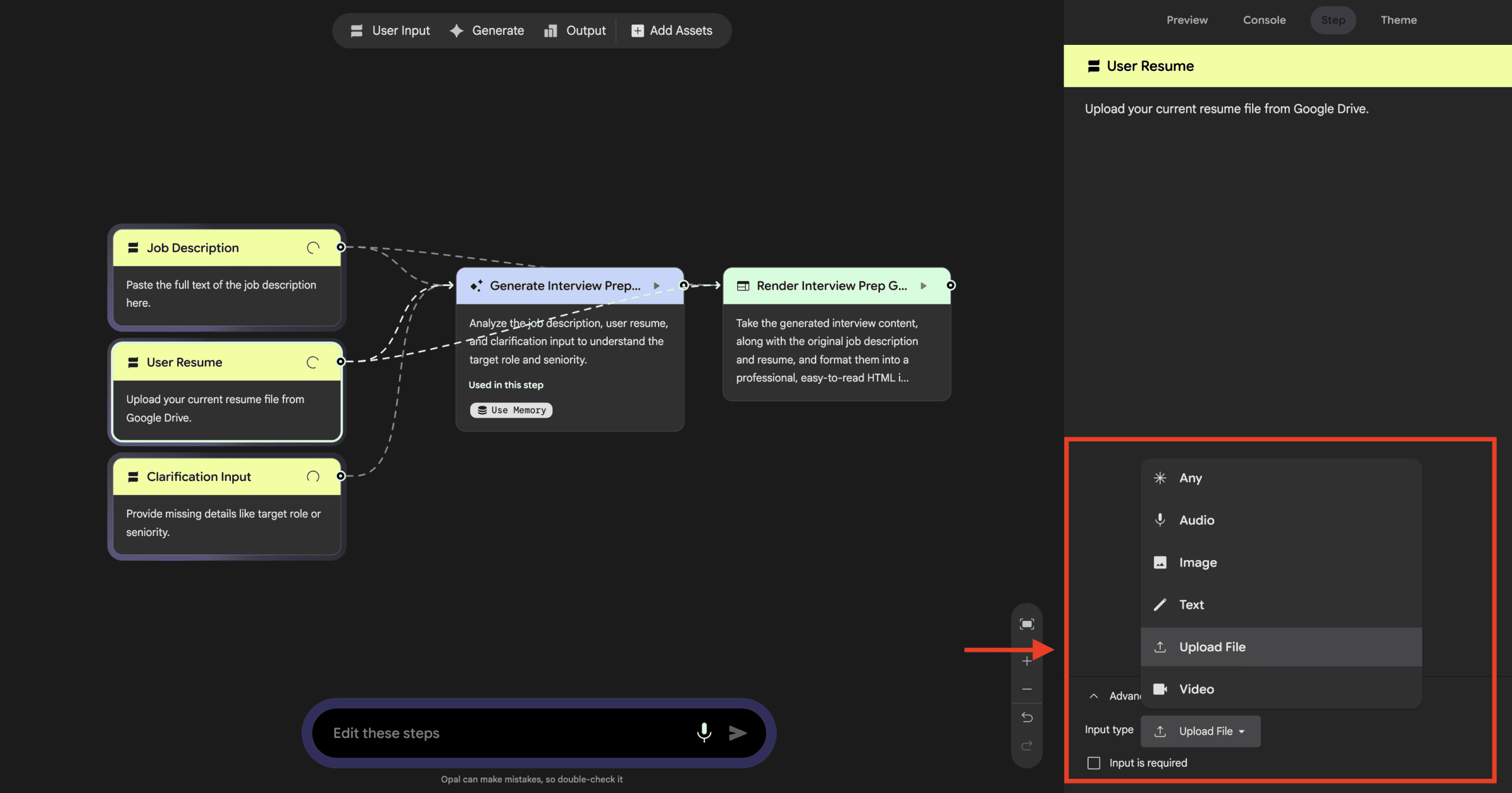
Despite these advancements, Opal remains an experimental product with certain practical limitations. Current documentation indicates that there is no direct mechanism to export an Opal prototype directly into production-ready code. Consequently, applications developed on the platform that need to graduate into standalone commercial products must be rebuilt against the Gemini API. Furthermore, Google has not yet published formal rate-limit policies, quota guidelines, or enterprise-grade features such as single sign-on and audit logging.

Nevertheless, the rapid cadence of feature releases underscores a clear momentum behind agent-driven no-code development tools. By enabling workflows to make autonomous decisions, remember user context, and dynamically select from an expanding lineup of specialized models, Google Labs continues to redefine the boundaries of what creators can build through natural language instructions alone.