







In an era where digital commerce is increasingly defined by speed and seamless integration, Sony Interactive Entertainment appears to be exploring ways to further streamline the purchasing experience on its PlayStation platform. A recently unearthed patent filing suggests that the company is considering the integration of Near Field Communication (NFC) technology directly into its DualSense controllers. While the concept remains in the developmental stages, the proposal hints at a future where the friction of entering payment information on a console could be replaced by a simple tap of a smartphone or credit card.
Near Field Communication has become a ubiquitous standard in modern finance. By allowing two devices to communicate wirelessly when brought into close proximity, NFC has revolutionized how consumers interact with point-of-sale terminals. It has effectively eliminated the need for physical card swipes or the manual entry of sensitive account details in many retail environments. For console gamers, however, the experience of managing a digital storefront remains largely tethered to the traditional input methods of the gamepad.
The Friction of Console Commerce
Every PlayStation user is intimately familiar with the cumbersome process of navigating digital storefronts using a controller. Whether it is adding funds to a digital wallet, redeeming a gift card, or updating credit card information, the act of typing on an on-screen keyboard using the D-pad and analog sticks is often described as tedious. It is a process that breaks the immersion of gaming, forcing the user to shift their focus from the experience of play to the administrative burden of account management.

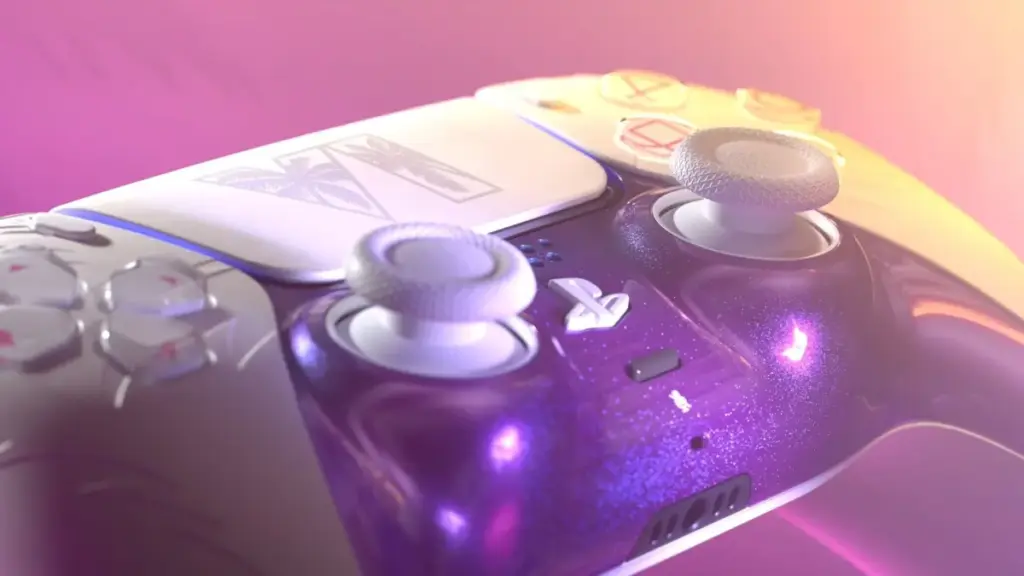
Sony’s patent outlines a system designed to bypass these bottlenecks. By embedding an NFC sensor within the DualSense controller—the standard input device for the PlayStation 5—the company aims to bring the "tap-to-pay" convenience of a smartphone or smart wallet directly to the living room. Under this proposed system, a player wishing to make a purchase or verify their identity would simply bring their NFC-enabled smartphone or contactless credit card near the controller. The device would then authenticate the transaction, eliminating the need to navigate through complex menus or input long strings of characters via the controller’s analog sticks.

Beyond the immediate utility of processing payments, the inclusion of NFC technology could theoretically open doors for broader console functionality. NFC is inherently a data-transfer protocol, and its presence in a controller could facilitate rapid account syncing, social profile sharing, or even the authentication of physical game peripherals or accessories. The patent suggests that the controller could act as a secure bridge between the user’s personal mobile device and the PlayStation console, creating a more cohesive ecosystem between the hardware on the desk and the hardware in the pocket.
Weighing Convenience Against Security
While the promise of a faster, more streamlined checkout experience is clear, the introduction of payment-processing hardware into a game controller brings with it a complex set of security concerns. The gaming industry has long been a target for malicious actors, and the centralization of financial data within a peripheral device creates a new, distinct attack vector.
Critics and security experts alike have noted that if a controller becomes a legitimate payment terminal, it must be held to the same rigorous security standards as a retail point-of-sale device. If a user’s controller were lost, stolen, or compromised, the potential for unauthorized transactions becomes a significant risk. If the NFC chip is permanently active or easily triggered, the convenience of a "tap" could quickly become a liability. Any implementation of this technology would necessitate robust encryption and user-authentication protocols—such as requiring a secondary confirmation on the console screen or via a mobile app—to ensure that the controller cannot be used to siphon funds without the owner’s explicit, real-time consent.
Furthermore, the announcement has been met with a nuanced reception from the gaming community. While some players welcome any technological advancement that reduces the time spent on administrative tasks, others have expressed skepticism regarding Sony’s motivations. The timing of this patent filing follows a period of heightened scrutiny regarding Sony’s digital storefront policies. The company has previously faced criticism and legal challenges concerning consumer ownership rights in the digital age, specifically regarding the distinction between "purchasing" a digital license versus owning a game outright. In this context, some users have interpreted the patent as an aggressive move to lower the barrier to entry for spending money, potentially encouraging impulsive purchases while the friction of the transaction process is minimized.

A Patent is Not a Product
It is crucial for consumers and observers to recognize the distinction between a patent filing and a confirmed product roadmap. Major technology corporations like Sony, Microsoft, and Nintendo file hundreds of patents annually, covering a vast array of experimental technologies. Many of these ideas are conceptual in nature, serving as intellectual property placeholders to secure a specific design or utility should the market conditions or technical requirements ever align for a commercial release.
The existence of this patent does not guarantee that future iterations of the DualSense controller will feature NFC capabilities. If Sony were to move forward with the implementation of such a feature, it would likely be presented as an optional, opt-in convenience rather than a mandatory requirement. Given the current state of the PlayStation ecosystem, many users have already linked their credit cards or digital payment methods to their accounts, allowing for one-click purchases that are arguably as efficient as an NFC-based system. For these users, the value proposition of a hardware-based payment solution may be limited.
Ultimately, the patent serves as a reflection of Sony’s ongoing effort to modernize the console experience. As the lines between mobile technology and home console gaming continue to blur, the integration of ubiquitous standards like NFC feels like a logical progression. Whether this particular solution will ever make it to the factory floor remains to be seen. For now, the prospect of turning a controller into a payment terminal serves as a fascinating look into the potential future of digital commerce, highlighting both the drive for increased convenience and the persistent challenges of security and consumer trust in a connected world.