








Amazon Web Services (AWS) has announced a significant enhancement to its storage portfolio, extending the functionality of Amazon Elastic Block Store (EBS) Volume Clones. Building upon the release of instant point-in-time volume cloning introduced last year, the company is now enabling users to copy EBS volumes across different AWS accounts. This strategic update provides developers and systems administrators with a more robust, secure, and flexible method for managing data lifecycle processes, particularly in environments that necessitate strict data isolation and multi-account architectures.
The ability to create instant, point-in-time copies of EBS volumes within the same Availability Zone has long been a staple of AWS storage management, allowing teams to quickly spin up infrastructure without the overhead of lengthy data migrations. With this latest update, AWS is removing the barriers that previously limited these operations to a single account, effectively streamlining the data-sharing process between production, development, and testing environments.
Empowering Development and Testing Workflows
For many organizations, the challenge of maintaining realistic testing environments often boils down to data management. Utilizing sanitized or dummy data in development environments can lead to unforeseen issues when code is finally deployed to production. Conversely, using production data in non-production environments often introduces significant security risks and compliance headaches. The new cross-account cloning feature addresses this tension by allowing teams to create exact, isolated copies of production EBS volumes in a secondary, sandbox-style AWS account.
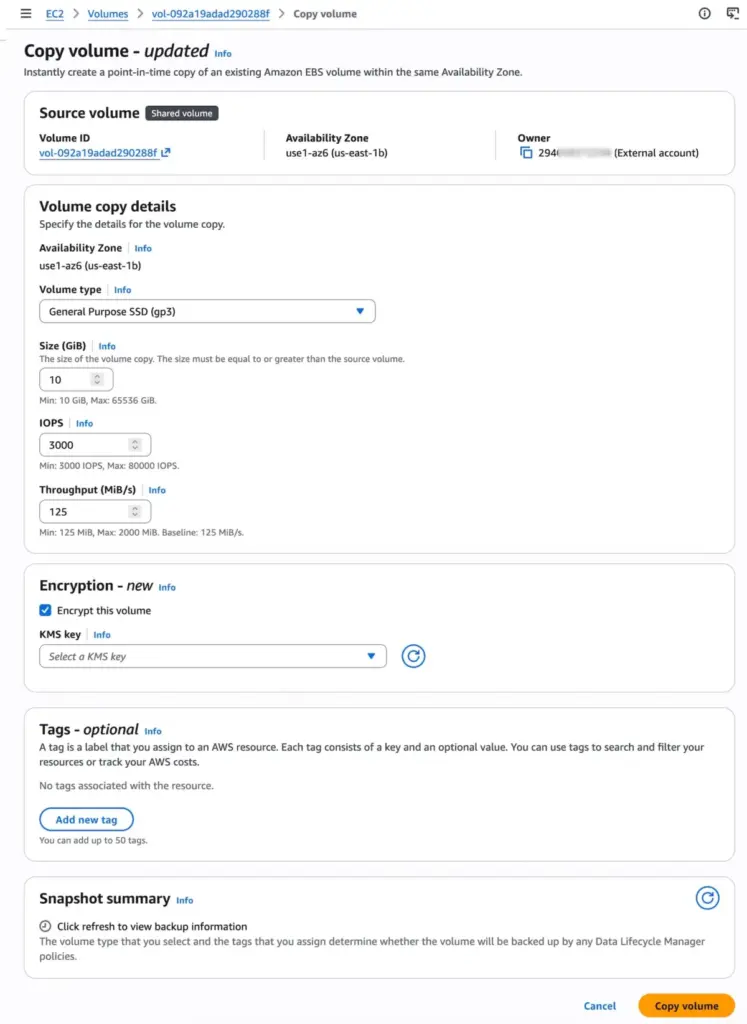
This capability is particularly beneficial for organizations operating under complex regulatory frameworks or those utilizing multi-account structures for better security posture. By enabling users to copy volumes across accounts and optionally re-encrypt them with a specific AWS Key Management Service (AWS KMS) key located in the target account, AWS provides a sophisticated mechanism for maintaining data governance. Users can ensure that the security keys used to protect sensitive production data are not inadvertently shared with development environments, where access controls might be more permissive. This separation of concerns is a core tenet of modern cloud security and architecture, and this feature directly supports that objective by decoupling the data source from its destination’s encryption standards.

Leveraging AWS Resource Access Manager for Secure Sharing
The technical execution of this cross-account cloning relies heavily on the AWS Resource Access Manager (RAM). AWS RAM acts as the foundational service for sharing resources across AWS accounts or within an AWS Organization, ensuring that such operations are governed by the same identity and access management (IAM) policies that secure the rest of the cloud environment.
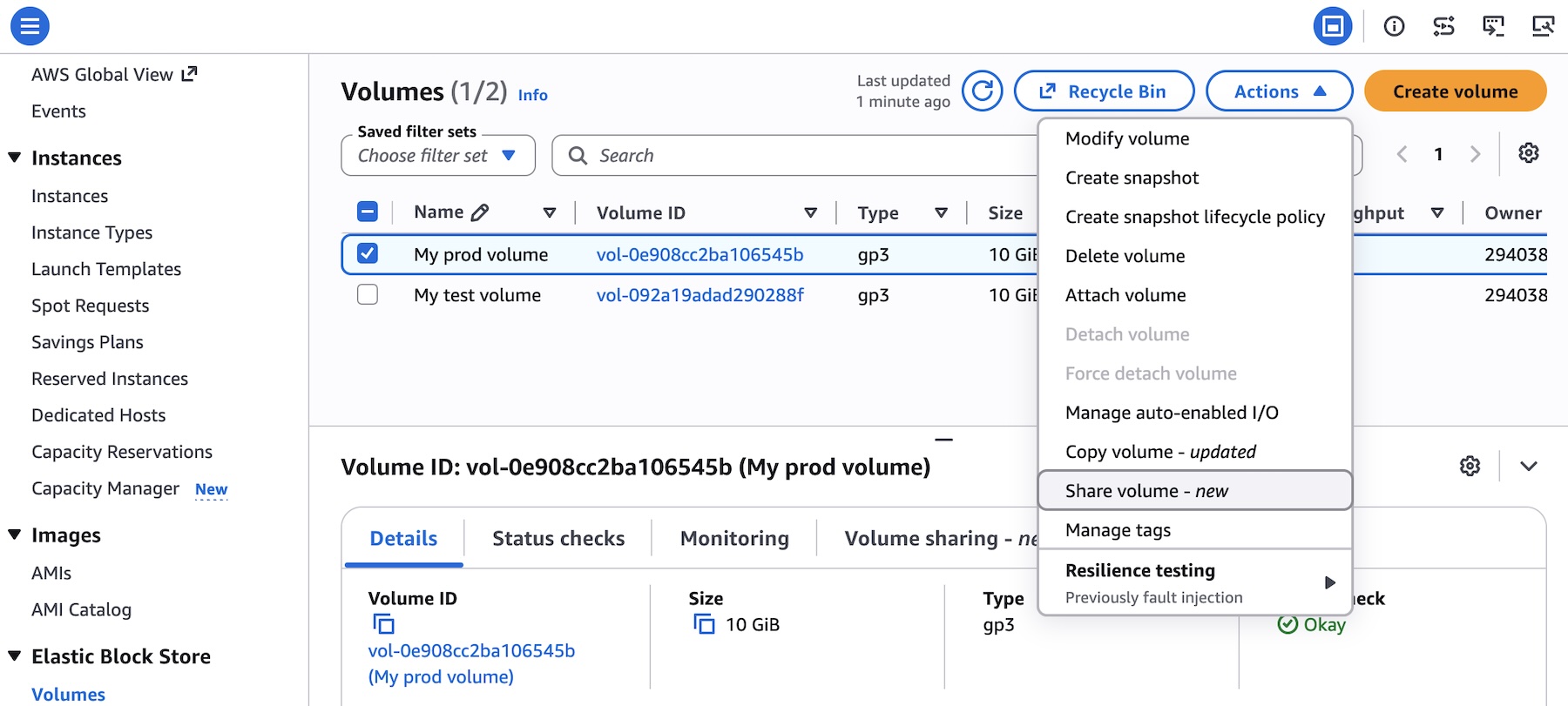
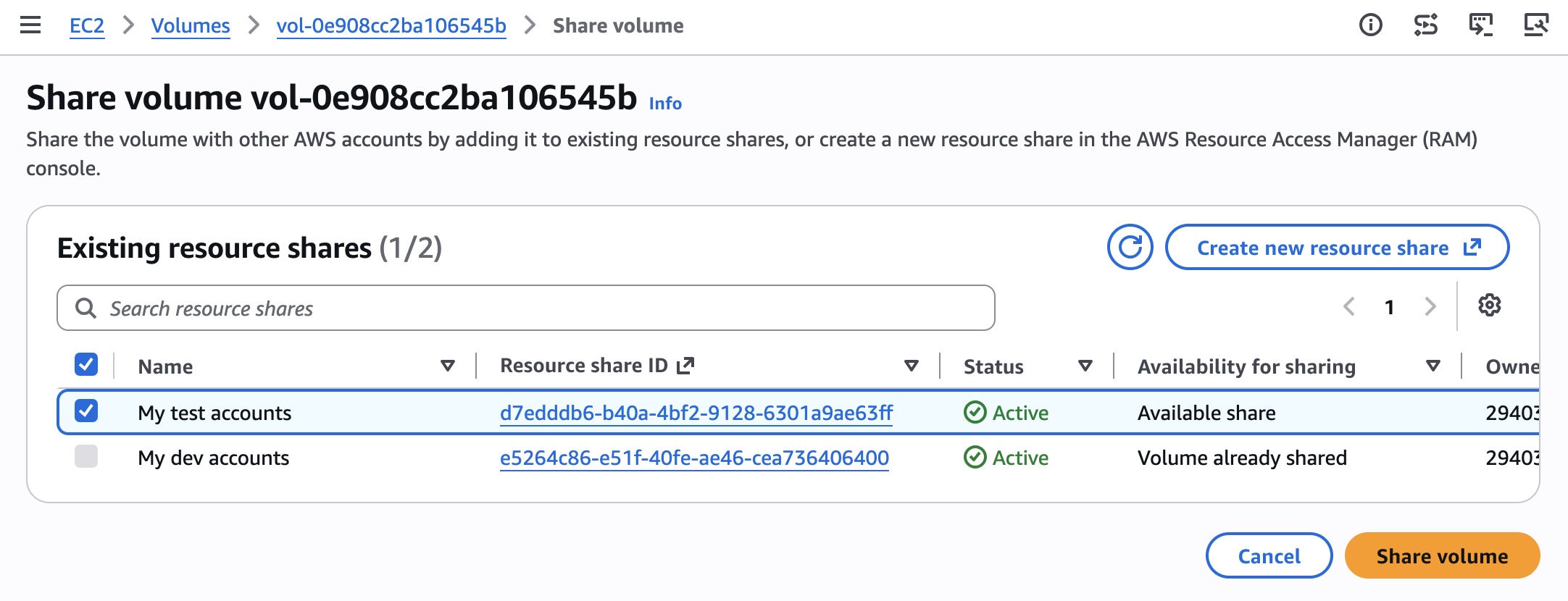
To initiate a cross-account clone, the owner of the source volume must first grant the target account access to that specific resource through the AWS RAM interface. This centralized management ensures that volume sharing is not a haphazard process; instead, it is an audited, intentional action. Once the resource share is established, the target account holder can access the volume from their own management console. This transition from a shared state to a clone-ready state is intuitive, allowing teams to integrate the workflow into their existing operational procedures without needing to master entirely new, complex workflows.
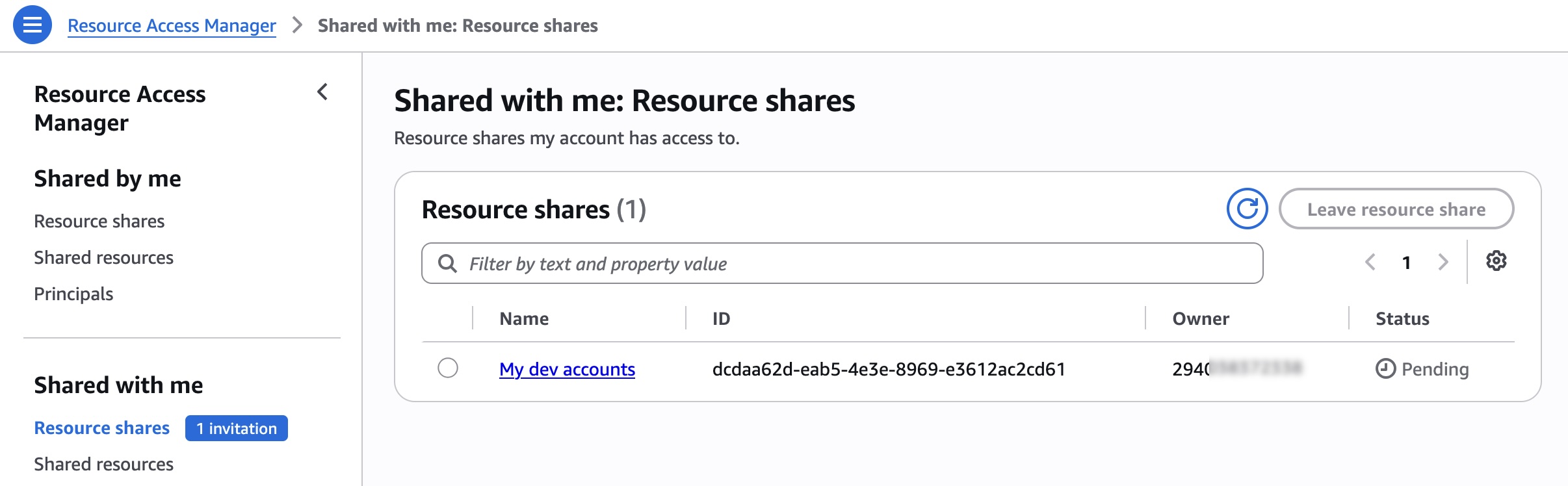
When the target account accepts the resource share, they gain the ability to initiate a copy operation. This process effectively creates a new, independent volume in the target account that inherits the data from the point-in-time clone. Because the copy is independent, changes made in the target environment do not impact the source volume, ensuring the integrity of the original data. Furthermore, the option to re-encrypt the volume during this copying process ensures that the target environment can adhere to its own internal security and encryption policies, a critical requirement for enterprises with rigorous compliance needs.
Programmatic Access and Modern Development Tools
In an era where infrastructure-as-code and automated pipelines are the standard for high-performing DevOps teams, the manual approach of the console is often just the first step. AWS has integrated this functionality to be accessible via standard APIs, facilitating automation for teams that require frequent environment refreshes.
For developers looking to integrate these capabilities into their existing CI/CD pipelines, AWS has also highlighted the use of the AWS MCP Server and various plugins compatible with AI-powered coding tools. By leveraging these modern developer toolkits, teams can programmatically search documentation, call the necessary APIs for volume sharing, and automate the lifecycle of their testing volumes. This approach reduces the operational burden on DevOps teams, allowing them to focus on feature development rather than managing the intricacies of cross-account data movement.
Technical Considerations and Regional Availability
As with any enterprise-grade cloud service, there are important technical nuances to consider. While the process of cloning and sharing is designed for efficiency, users should be mindful of the underlying resource management. The use of AWS RAM for volume sharing implies that users should have a clear understanding of their resource-sharing policies and the permissions associated with their IAM roles. Furthermore, because this feature utilizes the existing infrastructure of EBS Volume Clones, it inherits the performance and scalability benefits associated with that underlying technology.

The update is currently available in all AWS Regions that support Amazon EBS Volume Clones. AWS encourages users to monitor the “AWS Capabilities by Region” page to stay informed about potential expansions and to check for region-specific nuances that might affect their deployment strategies.
As teams look to implement this new capability, AWS has provided extensive documentation within the Amazon EBS User Guide, which serves as a primary resource for troubleshooting and best practices. The company also maintains a dedicated space on AWS re:Post for Amazon EBS, where users can share their experiences, ask technical questions, and engage with the broader community of AWS users and subject matter experts. By fostering this community-driven feedback loop, AWS continues to refine its storage offerings to better align with the practical, real-world needs of its customers.
The introduction of cross-account EBS cloning represents a clear step forward in how AWS approaches data portability and security within its ecosystem. By lowering the barrier to accessing production-like data in secure, isolated environments, AWS is providing organizations with the tools they need to accelerate their innovation cycles while maintaining the highest standards of data protection and operational governance. As cloud environments continue to scale and become more complex, these types of features will remain essential for managing the lifecycle of data-intensive applications.