










In an unsettling discovery that has sparked concerns over public surveillance and administrative oversight, officials in St. Lucie County, Florida, have uncovered a network of unauthorized surveillance cameras operating within their jurisdiction. The revelation occurred during a broader transition period as the county began the process of decommissioning its official fleet of Flock Safety cameras. As crews set out to remove the equipment, they stumbled upon an unexpected reality: the county was hosting 14 more devices than the 52 officially accounted for in their records.
This discrepancy, first reported by The Washington Post, has raised urgent questions regarding who installed these cameras, who is monitoring the data they collect, and how such a significant number of surveillance devices could operate in public spaces without proper permitting or oversight.
A Disconcerting Inventory Gap
When St. Lucie County administrators initiated the removal process for their Flock camera network, the goal was a straightforward administrative task. However, the physical audit quickly revealed that the inventory list did not match the reality on the ground. Of the 14 "ghost" cameras identified, three were eventually claimed by the St. Lucie County Sheriff’s Office. While the department acknowledged ownership of those specific units, they have remained notably silent regarding why those particular devices were never documented or permitted through the standard county channels.

The remaining 11 cameras, however, have no identified owner. These devices continue to stand as silent sentinels in public areas, their data streams potentially feeding into private or non-governmental networks without the knowledge or consent of local officials. For residents, the discovery has been met with a mix of confusion and indignation. Many community members have expressed deep discomfort, questioning how such an expansive surveillance footprint could exist in their neighborhoods without any accountability or transparency.
In response to the discovery, county officials have taken immediate, if temporary, measures to neutralize the devices. Notices have been affixed to the unclaimed cameras, demanding that their owners remove the equipment immediately. Until the owners come forward or the cameras are physically removed, the county has begun wrapping the devices in plastic bags to ensure they cannot collect further visual data or license plate information.
The situation took an even more peculiar turn recently when a reporter from The Washington Post visited the location of one of the unpermitted cameras to document its presence. Upon arrival, the camera had been removed, yet there were no witnesses or official records indicating who had taken it down or why. This vanishing act has only deepened the mystery, fueling local speculation about the nature of these clandestine surveillance efforts.
The Growing Controversy Surrounding Flock Safety
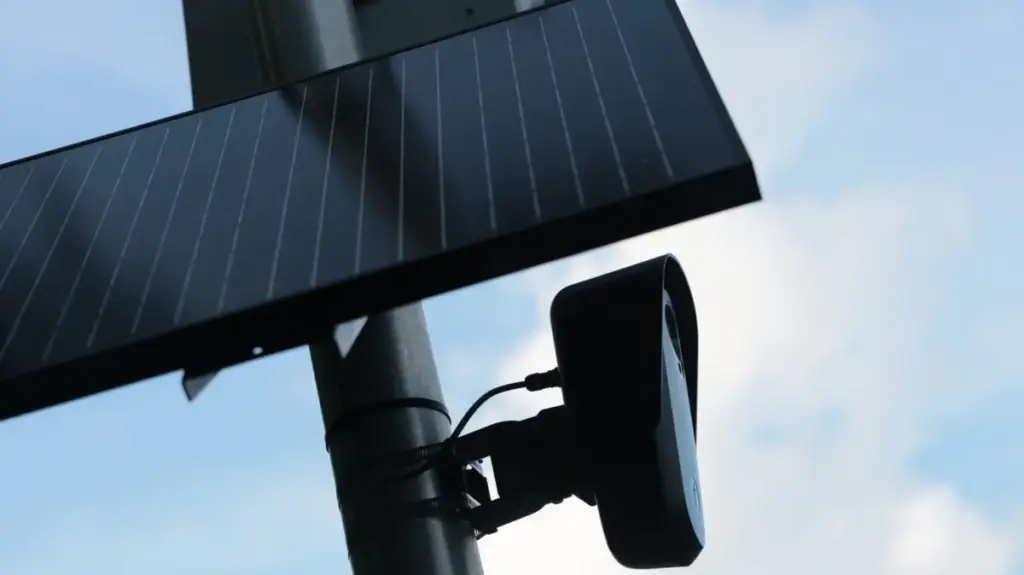
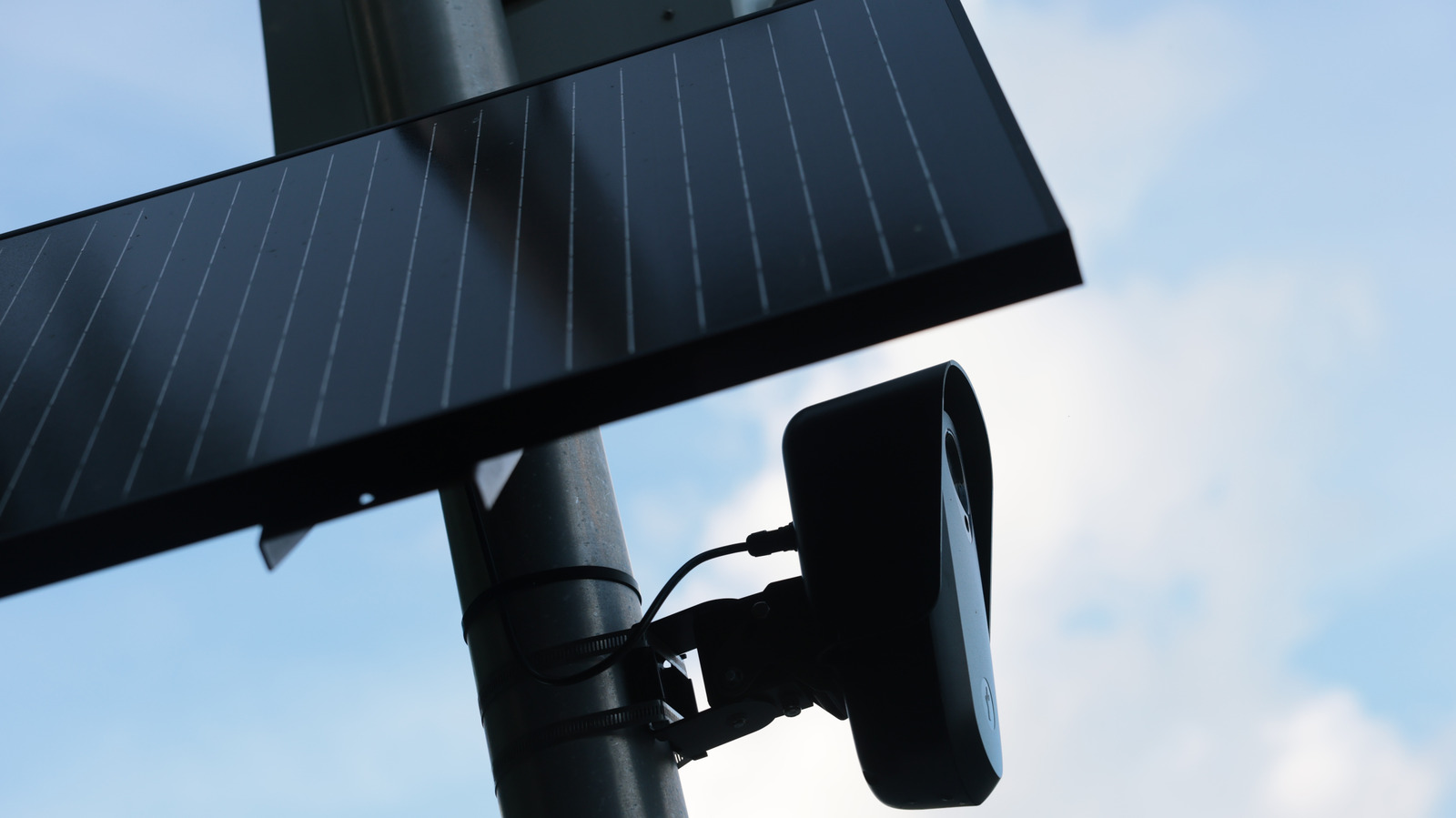
The incident in St. Lucie County serves as the latest flashpoint in a growing national debate over the use of automated license plate readers (ALPRs) and the broader security risks associated with third-party surveillance technology. Flock Safety, the company behind these ubiquitous, solar-powered cameras, has become a cornerstone of modern policing in the United States, with more than 100,000 devices currently installed in cities, suburban neighborhoods, and private developments across the country.
However, as the company’s market share has expanded, so too has the scrutiny from privacy advocates, civil liberties groups, and government regulators. Critics argue that the vast, interconnected network of cameras creates a "surveillance dragnet" that threatens individual privacy, noting that the data is often stored and shared in ways that are not always transparent to the public. There are also persistent concerns regarding data security, as the centralized storage of millions of images of vehicles and their movements makes these databases attractive targets for cyberattacks or potential misuse by bad actors.
This skepticism has translated into policy shifts across several jurisdictions. Just last month, the Florida Department of Transportation enacted a significant ban, prohibiting the use of Flock license plate readers on state roads by law enforcement agencies. The decision reflects a growing trend among local and state governments to re-evaluate their reliance on private surveillance firms. From Los Angeles to smaller municipalities, city governments have begun to reverse course, opting to either limit or entirely abandon the use of Flock technology in favor of stricter privacy protections.
The Challenge of Oversight in a Surveillance-Heavy Era
The St. Lucie County incident highlights a critical vulnerability in how municipalities manage the rapid influx of new surveillance technologies. Often, these cameras are installed by various entities—including homeowners’ associations, private businesses, and individual law enforcement divisions—without a centralized coordination effort. This fragmented approach to public security creates an environment where "unpermitted" equipment can proliferate under the radar.
When officials lose track of where cameras are located, they also lose the ability to audit how the data is being used, who has access to it, and how long it is being retained. The fact that the St. Lucie County Sheriff’s Office held unpermitted equipment suggests that even within government agencies, the rapid acquisition of these tools may be outpacing the bureaucratic systems designed to regulate them.
For the residents of St. Lucie County, the priority remains clear: they are demanding answers regarding the origin and intent of these 11 mysterious cameras. The county has stated that it is investigating the matter, though the lack of information regarding the origin of the equipment suggests that the investigation may be complex.
As the investigation continues, the story has become a cautionary tale for other communities grappling with the rise of AI-powered surveillance. While proponents argue that the technology is essential for deterring crime and assisting in criminal investigations, the case in Florida demonstrates that without rigorous oversight, the line between public safety and private intrusion becomes dangerously blurred.
As of this writing, inquiries into Flock Safety regarding the unpermitted devices remain ongoing. The company has not yet provided a detailed statement regarding how their equipment might be deployed without the knowledge of the local government, nor have they clarified the security protocols in place to prevent such unauthorized installations. Until those questions are answered, the 11 covered, silent cameras in St. Lucie County remain a lingering symbol of a surveillance landscape that has, in many ways, outgrown the laws meant to govern it.
The county’s actions—the notices, the plastic bags, and the ongoing audit—are a testament to a growing realization among local governments: the ability to monitor the public comes with an inherent responsibility to be transparent, and in this case, that responsibility was fundamentally bypassed. Whether these cameras were installed by rogue actors, private entities, or through a breakdown in internal communication, the incident has irrevocably altered the local conversation about privacy in the digital age. As the community waits for further developments, the mystery of the "ghost" cameras continues to cast a long shadow over the future of policing and surveillance in the county.