











California has officially signaled a major shift in how the state manages the rapidly evolving autonomous vehicle (AV) industry. Governor Gavin Newsom has signed Senate Bill 1246 into law, establishing a stringent regulatory framework that mandates how companies like Tesla, Waymo, and Zoox must interact with first responders when their robotic fleets encounter operational failures. The legislation, which is set to take effect in July 2028, addresses a growing pattern of public safety concerns regarding driverless cars that have stalled in intersections, impeded emergency vehicles, and disrupted urban traffic flows.
The core of the new mandate is a requirement for AV companies to provide immediate, on-the-ground support when their vehicles become disabled or pose an obstruction to public safety. Under the new rules, companies face significant penalties if their autonomous units block police, fire, or emergency medical services for a duration exceeding 30 minutes. By codifying these requirements, the state aims to eliminate the friction that has emerged as AV fleets scale in density across major metropolitan areas like San Francisco and Los Angeles.
Addressing the Intersection of Innovation and Public Safety
The impetus for Senate Bill 1246 stems from a series of high-profile incidents that have drawn the ire of local officials and safety advocates. Over the past few years, California has become the primary testing ground for the commercial deployment of robotaxis. However, the convenience of these services has been frequently undermined by reports of vehicles breaking down in high-traffic zones, inadvertently entering active crime scenes, or obstructing the pathways of emergency responders racing to save lives.

State Senator Dave Cortese, the architect of the legislation, emphasized that the state’s enthusiasm for technological advancement cannot come at the cost of essential public safety protocols. "California has embraced autonomous vehicles, but we cannot embrace innovation at the expense of public safety," Senator Cortese said in a statement. "When an autonomous vehicle crashes, breaks down, blocks a roadway in an emergency, or gets in the way of law enforcement or first responders, there must be clear accountability."
The legislative move reflects a broader trend of increased scrutiny from both state and federal regulators. The National Highway Traffic Safety Administration (NHTSA) recently intensified its oversight of the industry, issuing formal demands to AV developers to produce concrete solutions for how their systems manage interactions with first responders. This federal pressure, coupled with the recurring operational failures reported in California, created the political momentum necessary to pass the new, stricter standards.
The Scale of the Challenge
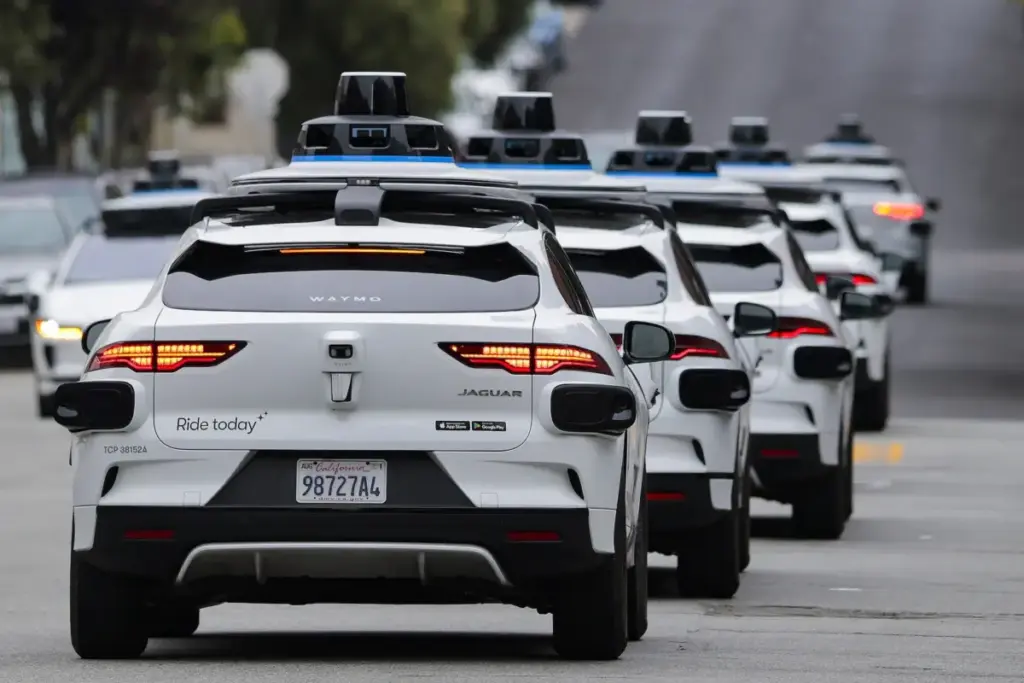
The urgency of these regulations is underscored by the sheer size of current AV operations. Waymo, currently the largest operator of autonomous taxis in the United States, manages a fleet of approximately 4,000 vehicles nationwide, with a significant concentration of roughly 1,200 vehicles operating in the San Francisco Bay Area alone.
Investigative reporting has highlighted that, in many instances of mechanical or software failure, these high-tech vehicles have proven incapable of self-rectifying, forcing first responders to intervene manually. In some documented cases, police officers were required to physically move or navigate around stalled vehicles, a task that diverts critical resources away from emergency response duties. By mandating that companies provide "local incident technicians," the new law shifts the burden of clearing these obstructions from the taxpayer and emergency services back onto the operators themselves.
Remote Operations and Regulatory Specifics
A critical component of Senate Bill 1246 is the clarification of "remote operations." The term has historically been used in a broad, often vague sense by the AV industry, making it difficult for regulators to determine exactly how much human control is being exerted over a vehicle at any given time. The new law brings much-needed specificity to the discussion by focusing on "remote drivers"—individuals who directly operate or control the vehicle from an off-site location.
Under the new statute, any remote driver employed by an AV company to operate vehicles on California roads must be based within the United States and must hold a valid U.S. driver’s license. This provision directly challenges the existing business models of some companies that rely on global networks for fleet support. While companies like Zoox have already established their remote operations teams within the United States, other industry players have historically utilized international staff—such as Waymo’s use of remote assistance personnel in the Philippines—to monitor fleets and provide guidance to vehicles experiencing difficulties.
It is important to distinguish between "remote driving" and "remote assistance." The legislation acknowledges that companies like Waymo often employ a model where the vehicle’s internal self-driving software remains the primary pilot, while human staff provide high-level guidance or specific software commands when the vehicle hits an edge case. Tesla, by contrast, has been one of the few companies to publicly acknowledge the use of remote operators capable of taking direct, active control of the vehicle. By requiring that those who perform these roles hold U.S. credentials, the law ensures that there is a standardized level of accountability and legal jurisdiction over the individuals overseeing these complex machines.
Compliance and the Path Forward
The industry’s response to the legislation has been largely cooperative, with major operators signaling their intent to align with the new standards. A spokesperson for Waymo expressed gratitude for the amendments made during the legislative process, noting that the final version of the bill ensures that operators can continue to serve the public while adhering to the new safety benchmarks. "Waymo is committed to making roads safer in California and continually improving our service," the company stated.
In addition to the personnel requirements, the law imposes new transparency mandates on AV developers. Companies will be required to maintain real-time communication with local jurisdictions, providing updates on the status and location of vehicles during system-wide failures. This flow of information is intended to give city managers and emergency departments a clearer operational picture during traffic disruptions.
The California Department of Motor Vehicles (DMV), which serves as the primary regulatory body for autonomous vehicle testing and deployment in the state, is now tasked with drafting the specific guidelines that will enforce these rules. This includes establishing exact, legally binding response times for when a company must deploy an incident technician to the scene of a disabled vehicle.
As the 2028 deadline approaches, the AV industry is entering a new phase of maturity. The "wild west" era of rapid, unchecked testing is being replaced by a more structured, regulated environment where the integration of automation into the public sphere is contingent upon proven reliability. For residents of California, the law represents a promise that as the roads become more automated, they will not become less safe. For the companies, it marks the end of an era of operating with minimal oversight, forcing them to build the infrastructure necessary to handle the messy, unpredictable realities of human-driven urban environments.
The successful implementation of this law will likely serve as a blueprint for other states and municipalities grappling with similar challenges. As autonomous vehicles become a permanent fixture of the modern transportation landscape, the ability to balance high-tech innovation with the fundamental necessity of public safety will remain the primary metric of the industry’s success.