










In the landscape of modern gaming, the line between hero and villain has become increasingly blurred. We are long past the era of mustache-twirling antagonists whose only motivation was a cartoonish desire for chaos. Today’s top-tier titles often present us with antagonists who operate within a framework of logic, grief, or desperate pragmatism. These characters, while undeniably destructive, often hold up a mirror to the protagonist, forcing players to question whether a "correct" decision even exists in a world of moral ambiguity.
When we examine eight of gaming’s most infamous antagonists, a recurring pattern emerges: their actions are rarely driven by simple malice. Instead, they are often the result of trauma, philosophical conviction, or a perceived necessity that the rest of the world is too blind to recognize. As we step into the courtroom of public opinion to evaluate these figures, it becomes clear that "technically correct" is a dangerous foundation upon which to build a legacy, even if their underlying points carry a haunting ring of truth.

The Duality of Renoir (Clair Obscur: Expedition 33)
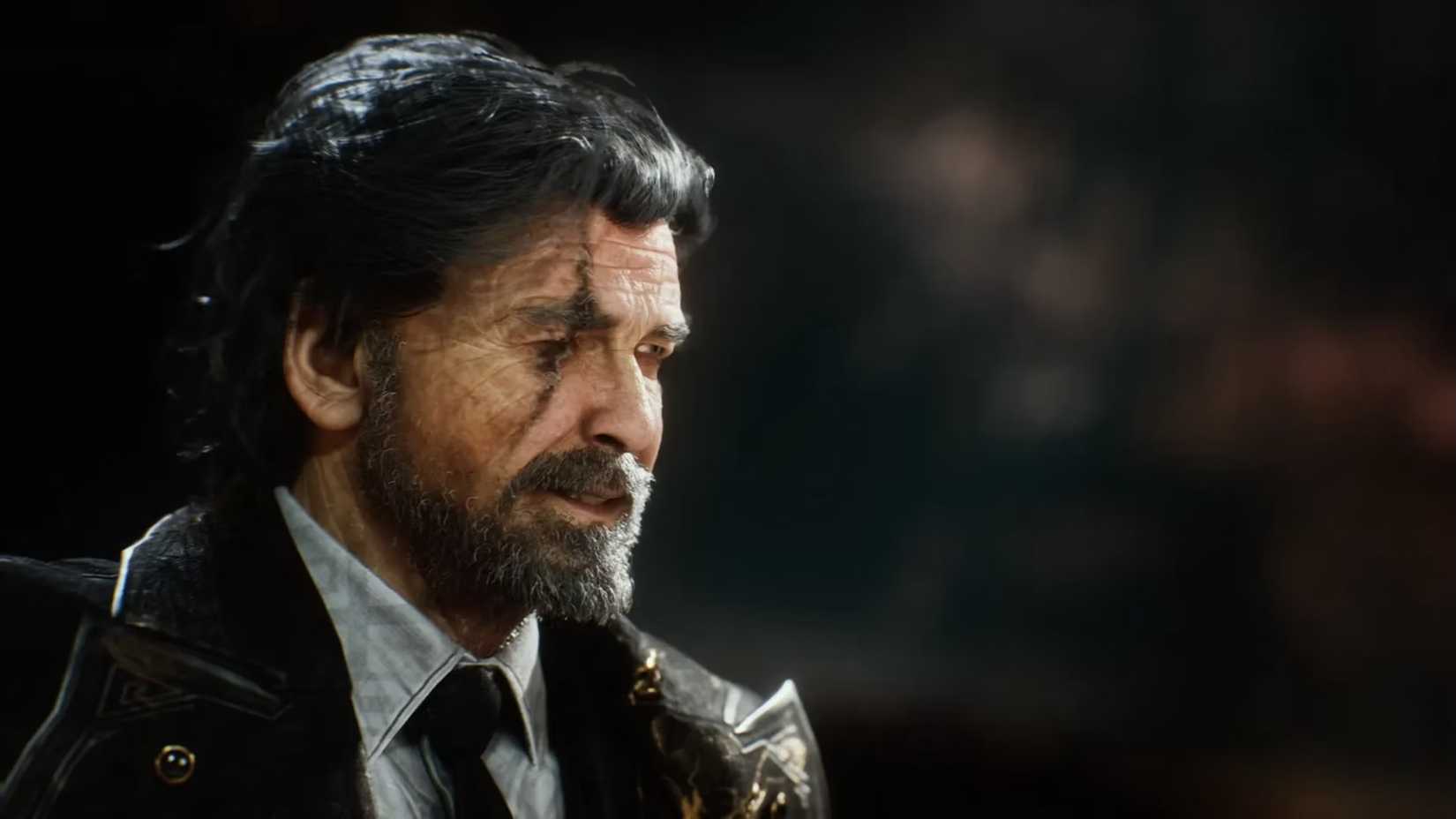
The case of Renoir in Clair Obscur: Expedition 33 presents one of the most poignant examples of how grief can manifest as a threat to reality itself. The game introduces us to a character split into two distinct iterations: the idealized, painted Renoir who fights to preserve the Canvas, and the weary, aged real-world Renoir who desperately wants it destroyed.

The conflict is not merely one of power, but of perspective. The painted Renoir acts as a protector, ensuring the survival of the fantasy world and the people who have been trapped within it. To those who have found solace in this painted existence, he is a savior. However, the real Renoir, scarred by the loss of his family, views the Canvas as a prison that prevents the necessary process of grieving. He argues that the world must end so that those left behind can finally confront reality. Choosing a side in this conflict forces the player to decide which form of suffering is more valid: the pain of losing a fantasy or the pain of enduring a hollow reality.

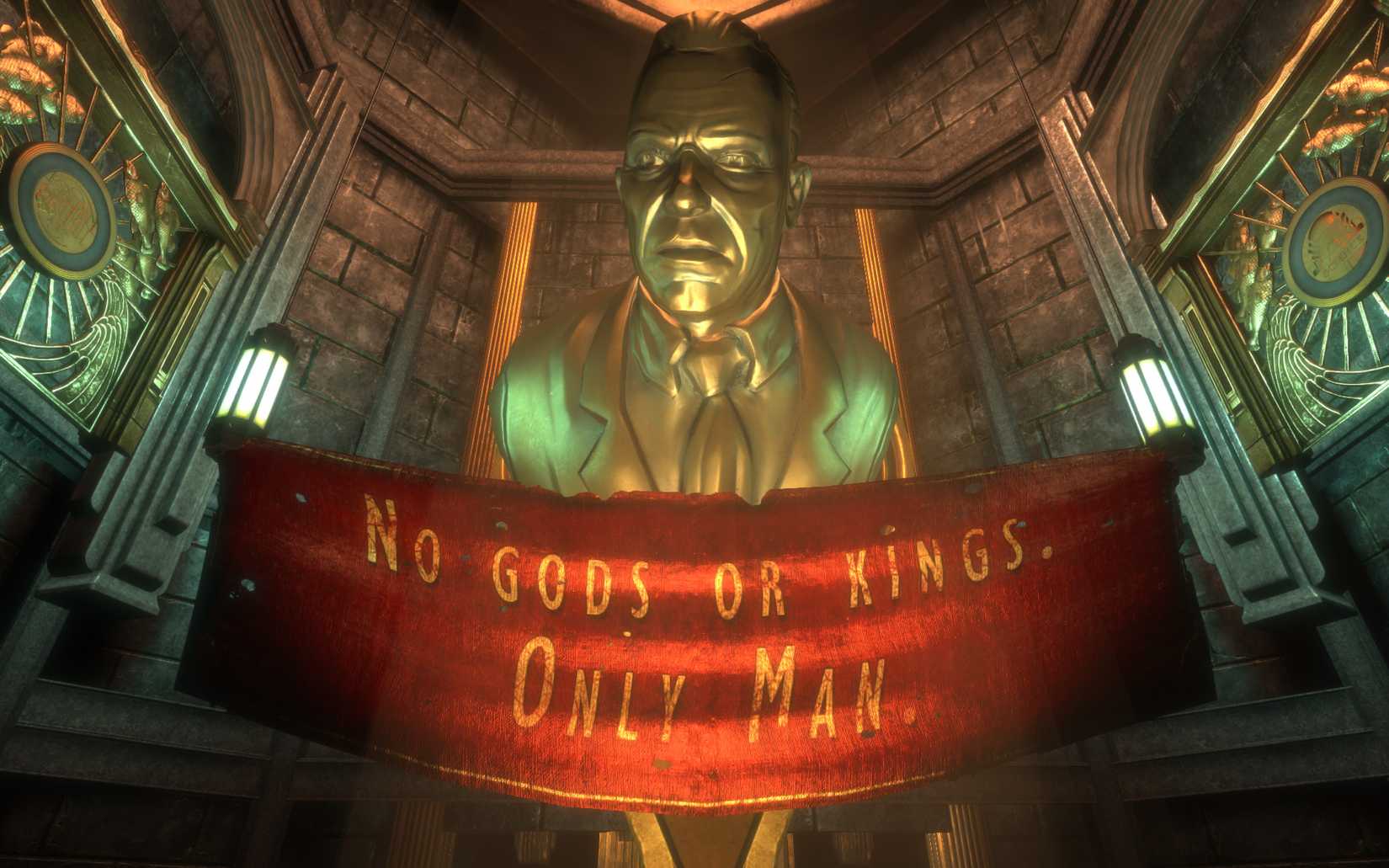
Andrew Ryan’s Unyielding Philosophy (BioShock)
Andrew Ryan, the founder of the underwater metropolis of Rapture, remains one of the most fascinating figures in gaming history. Ryan’s vision for an objectivist utopia—a place free from the constraints of government, religion, and social oversight—was built on the radical promise that a person’s success belongs solely to themselves.
Even as his city crumbles under the weight of ADAM-fueled addiction and societal collapse, Ryan remains steadfast in his ideology. His descent into villainy is not marked by a change in his philosophy, but by a chilling escalation in his willingness to enforce it. When competition from Frank Fontaine threatens his vision, Ryan abandons his own libertarian ideals to maintain control, proving that his belief in individual freedom was, ironically, secondary to his need for dominance. He is a tragic figure who became the very thing he fled to the surface to escape, showing how an unwavering commitment to a "pure" idea can lead to the total destruction of the society built to sustain it.
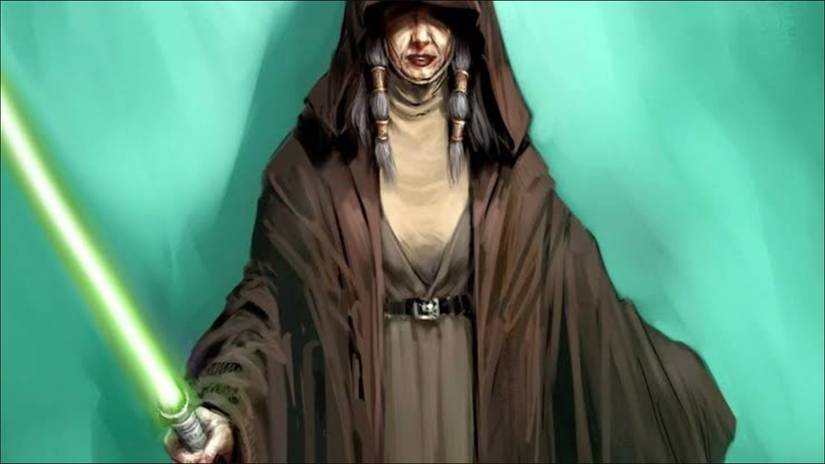
The Philosophical Burden of Kreia (Star Wars: Knights of the Old Republic 2)
Kreia, the enigmatic mentor of Knights of the Old Republic 2, challenges the fundamental binary of the Star Wars universe. Throughout the game, she systematically dismantles the dogmas of both the Jedi and the Sith, arguing that both sides are merely two sides of the same flawed coin. Her critique is intellectually sharp and, in many ways, technically correct. She identifies that the galaxy’s obsession with the Force has created a cycle of conflict that leaves no room for true autonomy.
However, her wisdom is inseparable from her cruelty. Kreia’s willingness to treat the player character and other companions as tools—draining their power and manipulating their paths—renders her philosophy suspect. She claims to seek a greater truth, yet she perpetuates the very cycles of violence she claims to despise. She remains a masterclass in the dangers of moral detachment, proving that having the right answers does not necessarily make one a force for good.
The Tragic Rationalism of Emet-Selch (Final Fantasy 14: Shadowbringers)
Emet-Selch stands as a rare example of a villain who engages in honest, intellectual debate with the protagonist. His motivation in Final Fantasy 14: Shadowbringers is driven by a profound, ancient grief: the desire to restore his lost civilization, the Ancients, by undoing the calamities that defined the modern world.
To Emet-Selch, the lives of the current inhabitants of Eorzea are merely shadows of a lost greatness. He is capable of charm, humor, and a surprising amount of empathy, yet his plan requires the systematic destruction of millions. He is a villain who understands the weight of his actions but deems them a necessary sacrifice for the restoration of his people. His "intellectual honesty" makes him all the more dangerous; he is not acting out of hatred, but out of a rigid commitment to a past that no longer exists.
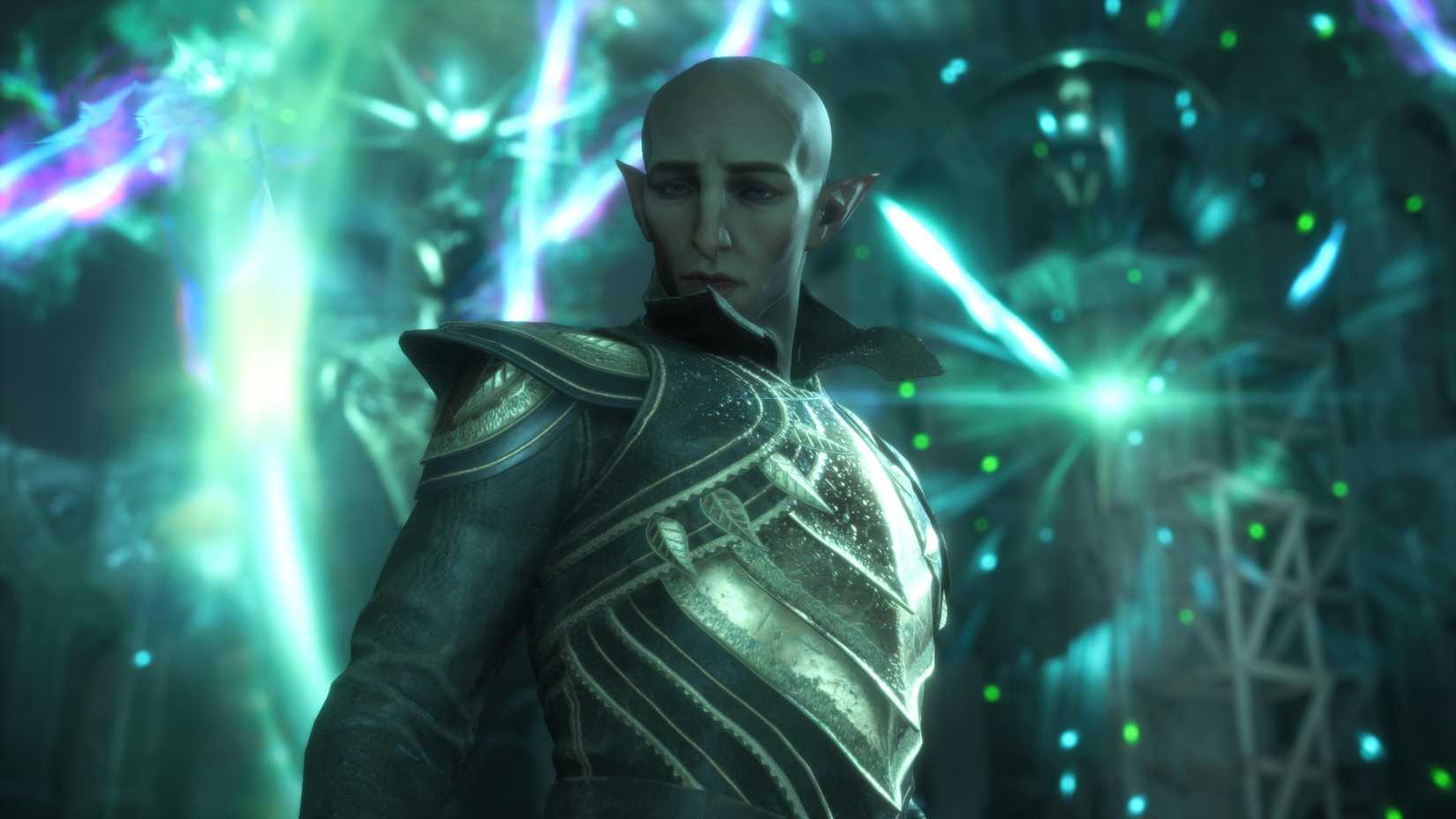
Solas and the Dread Wolf’s Regret (Dragon Age: Inquisition)
Solas, the companion-turned-antagonist of Dragon Age: Inquisition, represents the dangers of hubris cloaked in wisdom. As Fen’Harel, the Dread Wolf, he reveals that the Veil—the barrier separating the physical world from the spirit realm—was his own creation. He built it to end a war between elven gods, an act he viewed as a necessary solution at the time.
Centuries later, he realizes the cost: he effectively ended his people’s immortality and relegated them to a state of decline. His plan to tear down the Veil and "restore" the world is framed as an attempt to fix his greatest mistake. While he expresses genuine remorse for the pain he causes, his willingness to sacrifice the current world for a nostalgic vision of the past makes him a classic tragic figure. He is a man trapped by his own legacy, unable to see that the world has moved on, even if he cannot.

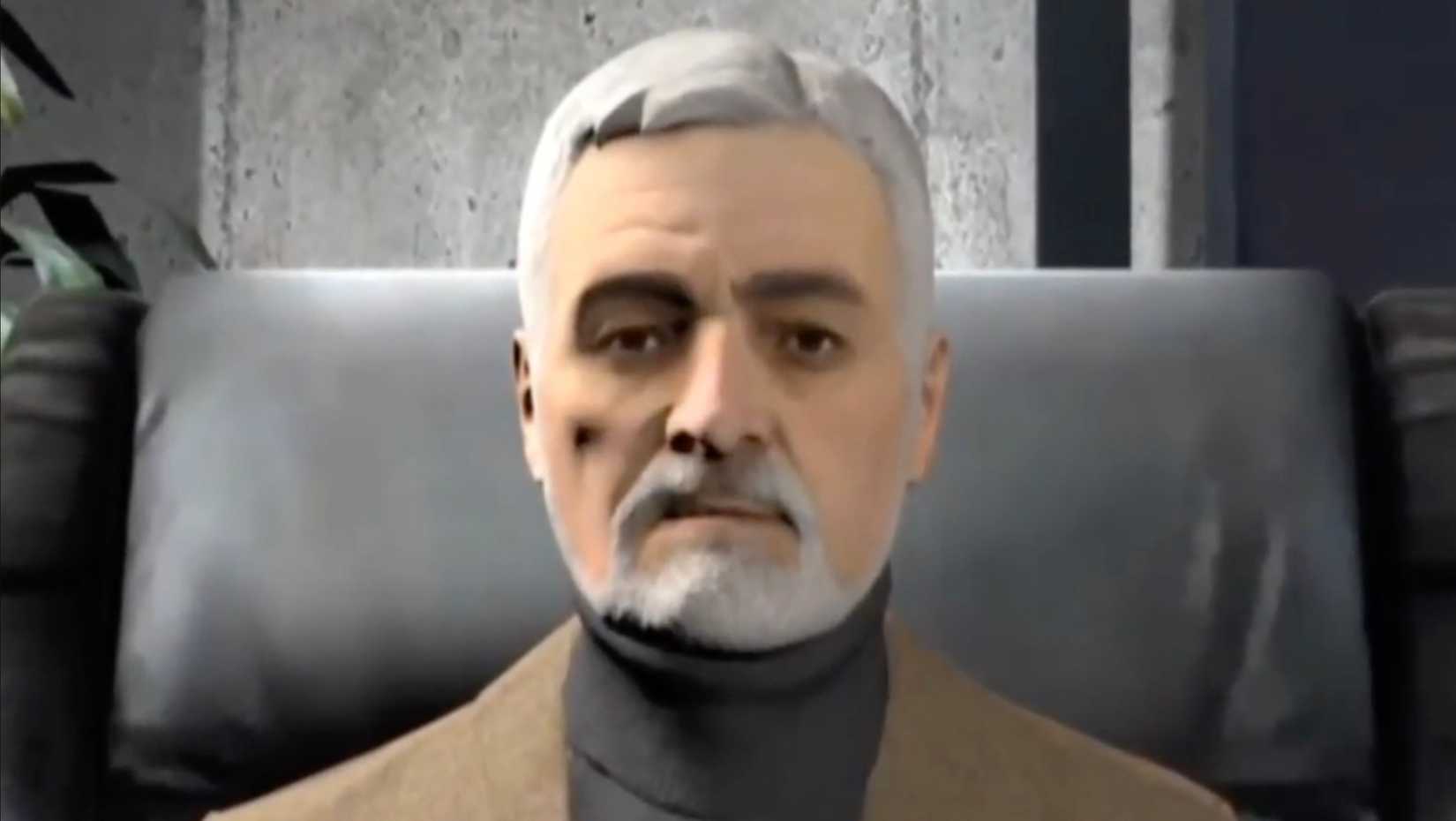
The Pragmatism of Wallace Breen (Half-Life 2)
Wallace Breen, the administrator of City 17 in Half-Life 2, is perhaps the most uncomfortable figure on this list because his argument is rooted in the survival of the species. Following the Combine’s conquest of Earth, Breen chose to act as the liaison between humanity and its oppressors.
His justification is chillingly utilitarian: he views the human race as a dying species that requires an alien overlord to "grow." By comparing humanity to a lungfish crawling onto land, he frames his collaboration as an act of survival. While his speeches sound like the rationalizations of a coward, they highlight a brutal truth: in the face of an existential threat, the line between collaboration and extinction is razor-thin. Breen is a villain who chose to survive at the cost of his morality, but he forces the player to wonder what they would choose if the alternative was the total annihilation of humanity.
The Cost of Sovereignty: Big Boss (Metal Gear Solid 5)
Big Boss, the protagonist-turned-antagonist of the Metal Gear Solid series, is a man forged by the betrayal of the very governments he served. His founding of Outer Heaven in The Phantom Pain is an attempt to create a sanctuary where soldiers—the people used and discarded by nations—could exist on their own terms.
His vision of a world for soldiers, free from the political manipulation of global superpowers, is compelling. However, his methods reveal a descent into the same ruthlessness he sought to escape. By recruiting child soldiers and building a war machine that perpetuates the very conflict he rails against, Big Boss demonstrates that the pursuit of a "soldier’s nation" is inherently paradoxical. He is a man who sought to be free of the system, only to become the architect of a new one.
The Illusive Man’s Fateful Foresight (Mass Effect 2)
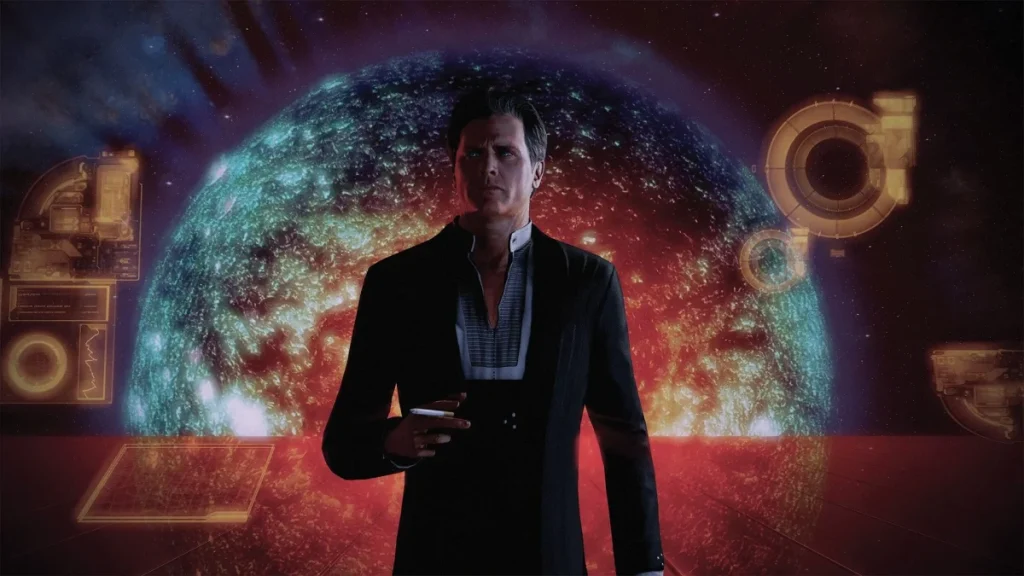
Finally, there is the Illusive Man of Mass Effect 2. He operates from a singular, unwavering belief: that humanity must prepare for the return of the Reapers, a threat that the rest of the galaxy is willfully ignoring. His funding of Commander Shepard and the creation of Cerberus are driven by a genuine concern for the survival of the human race.
The tragedy of the Illusive Man is that his goal was noble, but his methodology was corrupt. He was willing to sacrifice anyone, including those closest to him, to ensure humanity had a fighting chance. His story serves as the ultimate warning for all the characters on this list: in the pursuit of a necessary end, one can easily lose their humanity in the process. He became the villain because he was the only one willing to do what he believed was required, ultimately proving that preparing for the worst can often look exactly like becoming the very thing you fear.