




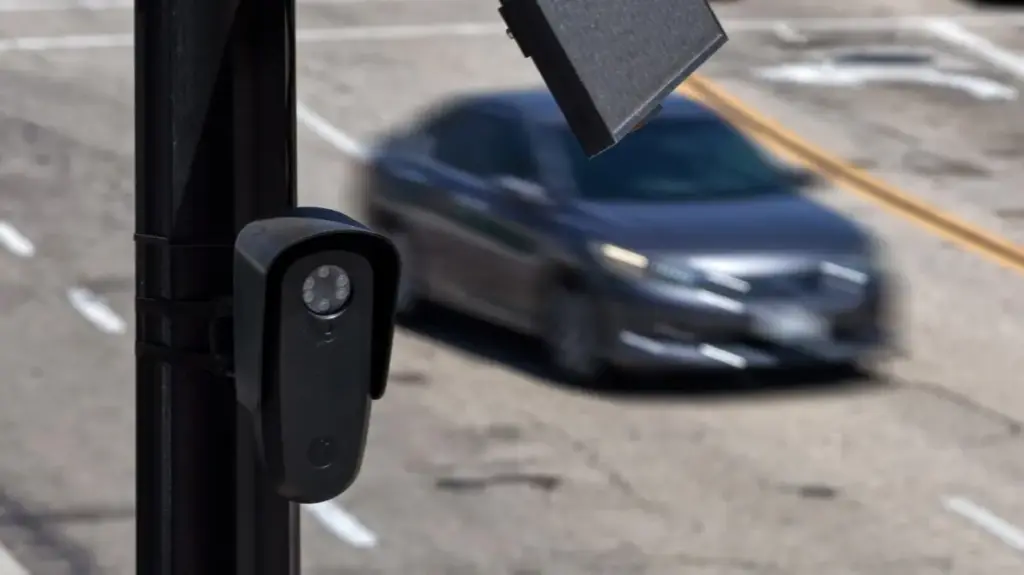
Morale at Flock Safety, once a high-flying darling of the surveillance tech industry, appears to have plummeted to an all-time low. The company, which built its reputation on deploying AI-powered license plate recognition cameras for law enforcement agencies and municipalities, is now grappling with a significant internal restructuring. According to reports, the firm is preparing to lay off approximately 18 percent of its workforce, a move that underscores the mounting pressures facing the organization as it navigates a rapidly shifting political and social landscape.
Flock Safety has become increasingly infamous for its ubiquitous surveillance network, which has proliferated across American neighborhoods, shopping centers, and highways. While the company has long marketed itself as an essential tool for public safety and law-and-order, that narrative has collided head-on with a growing, bipartisan chorus of opposition. As public outcry intensifies and government officials begin to distance themselves from the technology, the company’s business model—and its internal culture—is showing signs of severe strain.
The planned staff reductions are expected to impact roughly 270 employees, with the changes slated to take effect at the end of October. This decision comes on the heels of a troubling period for the company’s internal operations. Earlier this month, it was reported that Flock had initiated a voluntary buyout program, offering generous severance packages to staff members. The program was reportedly launched as a response to growing employee discontent, with many workers increasingly uncomfortable with the intense public scrutiny and opposition the company faces from civil liberties groups and concerned citizens alike. At the time of the announcement, Flock employed approximately 1,500 people, making a 270-person reduction a substantial contraction of its human capital. It remains unclear exactly how many of those departing in the upcoming round of layoffs are participating in the voluntary program versus those being involuntarily separated.

The backlash against Flock Safety has been uniquely bipartisan, reflecting a rare moment of consensus between political factions that rarely agree on matters of governance. The company’s primary value proposition—the ability to track vehicles and build searchable databases of movement—was initially embraced by conservative-leaning law enforcement advocates. However, that support has eroded as the implications of a "surveillance state" have become clearer to policymakers across the spectrum.
In Florida, a state often synonymous with law-and-order politics, the pushback has been swift and decisive. Governor Ron DeSantis has taken a firm stance against the integration of these systems, publicly questioning the necessity of such intrusive technology on public thoroughfares. "I don’t want to have this become a surveillance state," the governor stated, signaling a clear shift in the regulatory environment that has effectively banned the use of such cameras on state highways.
Similarly, in Texas, the political winds have shifted against the company. Governor Greg Abbott, currently looking toward the upcoming midterm elections, has seen his administration move to cut off state funding for local municipalities that rely on Flock’s infrastructure. This maneuver is widely seen as a nod to the growing privacy concerns among his conservative base, who have become increasingly wary of the potential for government overreach.
The sentiment is echoed by political figures on the other side of the aisle. Pennsylvania Governor Josh Shapiro has publicly criticized the reliance on Flock’s surveillance tools. In his view, the cameras represent an expansion of law enforcement power that warrants legislative intervention. Shapiro has indicated he would be receptive to state-level legislation designed to ban or strictly regulate the use of these cameras, placing the company in an increasingly precarious position as it faces potential legislative headwinds in multiple jurisdictions.
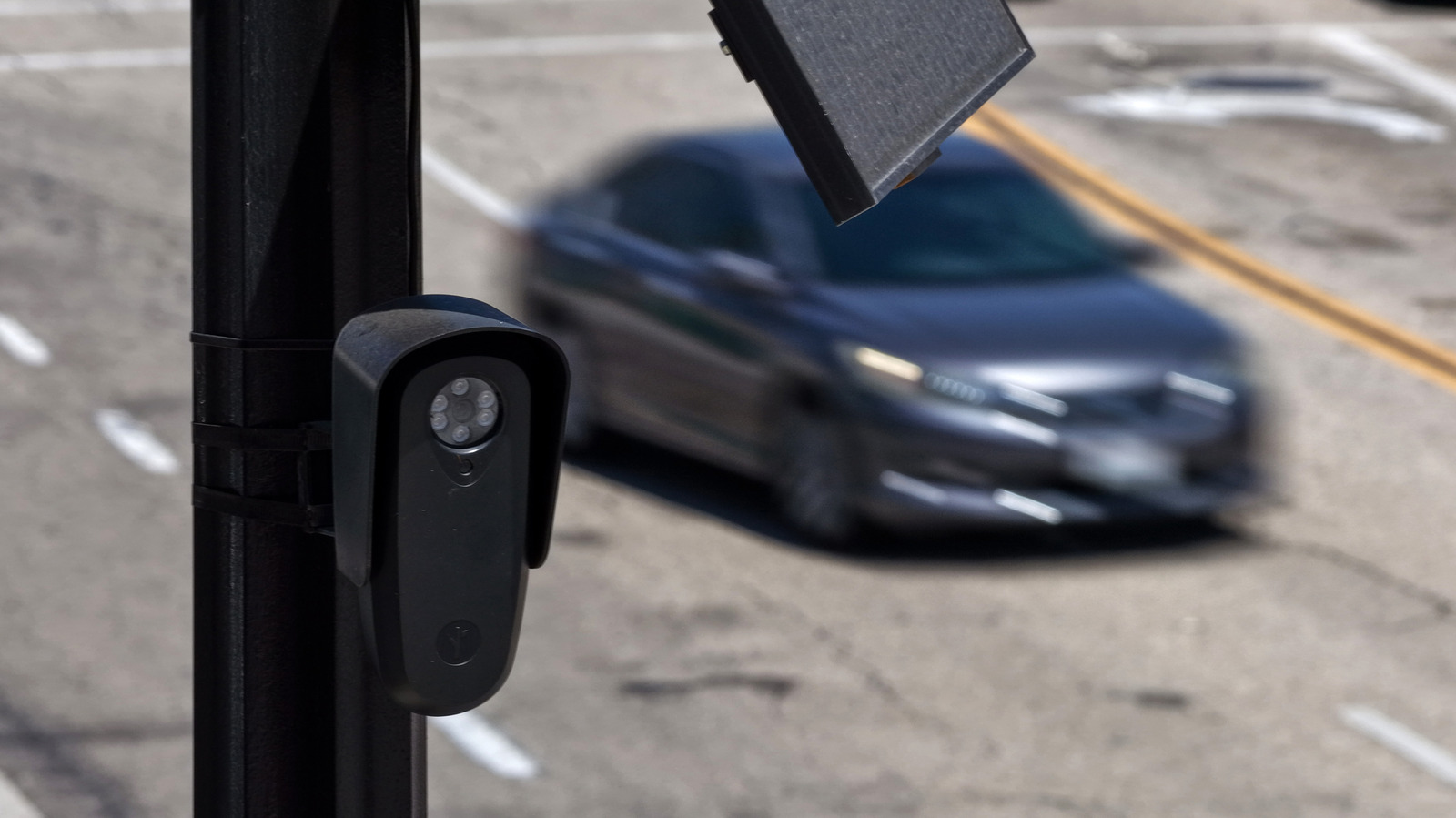
The business impact of this political cooling is already being felt on the ground. The Los Angeles Police Department, one of the most prominent law enforcement agencies in the country, recently declined to renew its contract with Flock. For a company that relies heavily on municipal partnerships to drive revenue, the loss of such a high-profile client serves as a bellwether for potential future contract terminations.
Beyond the halls of government, the social stigma surrounding the company has reached a fever pitch. In the modern media landscape, the controversy surrounding Flock has transcended traditional news cycles, drawing criticism from an eclectic range of voices. Media personalities with vastly different ideological backgrounds, from progressive commentator Hasan Piker to conservative firebrand Tucker Carlson, have found common ground in their opposition to the company’s business practices. This broad-based criticism has fostered a culture of skepticism that has bled into the public sphere.
Perhaps most illustrative of the mounting hostility toward the company is the emergence of a viral trend of "vigilante" action. Social media platforms have become host to videos of individuals dismantling or stealing Flock cameras. These acts, while illegal, have garnered significant support in the comments sections of platforms like X and TikTok, suggesting that a segment of the population feels a deep sense of disenfranchisement regarding the installation of these devices in their communities. For a company that relies on the physical integrity of its hardware to provide service, the rise of organized vandalism presents both a logistical nightmare and a PR crisis.
The current situation represents a profound reversal for a company that, only a short time ago, was being lauded as the future of municipal security. By leveraging artificial intelligence to process visual data in real-time, Flock had promised a frictionless way to solve crimes and recover stolen property. However, the company appears to have underestimated the depth of the public’s concern regarding privacy, data retention, and the normalization of constant surveillance.
As October concludes, the focus will turn to how Flock Safety attempts to stabilize its operations. The combination of a shrinking workforce, a loss of institutional support, and a hostile public reception presents a formidable challenge for the company’s leadership. Whether the layoffs serve as a "right-sizing" effort to weather the storm or a signal of a more permanent decline remains to be seen. What is clear, however, is that the era of unbridled expansion for the company has come to an abrupt end, replaced by an urgent need to navigate a landscape that has become increasingly defined by suspicion and regulatory resistance.
For the employees remaining at the company, the coming months will likely be characterized by uncertainty. As the firm grapples with the fallout from its rapid growth and the subsequent backlash, the internal culture will face its most significant test yet. The company now finds itself in the uncomfortable position of having to defend its existence in the public eye while simultaneously managing the logistical and morale-related fallout of a significant downsizing. For now, Flock Safety remains at the center of a national conversation about the trade-offs between public security and individual privacy—a conversation that, for the moment, is moving in a direction that does not favor the company’s continued growth.